

 Anteprima in scala reale
 Condividi
 Condividi
 Dettagli

 Scarica
 Articoli simili
 Radiografia
 Slideshow
 Statistiche
Steelworks
 Oil On Canvas
- WallArt
- Neo-Impressionism
 1895
1895- 19th Century
 116.0 x 89.0 cm
 Musee du Petit Palais
 Leggi tutto
Giclée / Stampe d'arte
Stampa giclée o su tela di qualità museale, con produzione rapida e diverse opzioni di finitura. ( Ordina la riproduzione dipinta a mano Passa all'immagine digitale)




P118B $10

P118H $10

P118W $10

P438Z $10

P508JH $12

P508YH $12

P805H $10

P805Z $10

P919BZ $10

P919G $10

P919XJ $10

P959ZH $10

P968JZ $12

W106C $8

W218G $10

W218JH $8

W218Y $10

W307PJ $10

W316G $10

W316PJ $8

W316Y $10

W398PJ $8

W4111J $10

W500HY $15

W500JH $15

W692G $12

W849H $8

W940BG $15

W953PJ $8




Scegli tra le nostre dimensioni predefinite, che rispettano le proporzioni originali dell'opera d'arte.

È possibile inserire dimensioni personalizzate per adattare l'opera a una cornice o a uno spazio specifico. Se la dimensione selezionata non corrisponde alle proporzioni dell'immagine originale, procederemo al ritaglio dell'opera o all'estensione dell'immagine con un bordo specchiato o a tinta unita. Un mockup digitale ti verrà inviato per approvazione prima dell'inizio della produzione.
Si prega di notare che l'anteprima a schermo non riflette il ritaglio o l'estensione effettivi. Solo il mockup mostrerà accuratamente la composizione finale.
Sebbene siano disponibili dimensioni personalizzate, si raccomanda di selezionare una dimensione dall'elenco predefinito per preservare le proporzioni originali.
Consegna in tutto il mondo () in 2 settimane invece delle normali 4/5 settimane. (16 Settembre)

Spedizione espressa gratuita in tutto il mondo

Tela in lino di alta qualità

Assicurazione completa sulla spedizione

Garanzia di rimborso dei dazi doganali

Garanzia di perfetta fedeltà cromatica

Politica di reso entro 100 giorni (solo per difetti di fabbricazione)

Garanzia di rimborso al 100%

Sconto per acquisti multipli
 L'opzione vetro è disponibile solo per dimensioni inferiori a 110 cm

Steelworks
Giclée / Stampe d'arte
Dimensioni della riproduzione
-


Prezzo totale
$ 80
The Genesis of Steelworks: An Industrial Symphony
Maximilien Luce’s “Steelworks” isn't merely a depiction of a factory; it’s a visceral encounter with the heart of industrial progress – a moment frozen in time where raw power, human endeavor, and the elemental forces of fire converge. Painted in 1895 during a period of rapid technological advancement in France, this monumental oil on canvas transcends its subject matter to become a profound meditation on labor, modernity, and the very soul of the working class. Luce, deeply influenced by the social currents of his era and possessing an innate sensitivity to urban life, sought to capture not just the mechanics of steel production but also the human cost and dignity embedded within it. The painting’s genesis lies in a visit to the Marcinelle ironworks in Belgium, a site that profoundly impacted Luce's artistic vision – a place where the clang of machinery and the heat of furnaces seemed to pulse with an almost primal energy.

A Pointillist Revelation: Technique and Visual Language
Luce’s masterful execution is immediately apparent in “Steelworks.” He employs a technique that blends elements of Impressionism with the burgeoning principles of Neo-Impressionism, particularly Pointillism. Rather than blending colors directly on the canvas, Luce meticulously applied tiny dots of pure pigment – a method championed by Seurat and Signac – creating an optical illusion of color mixing when viewed from a distance. This technique lends the painting a remarkable luminosity and vibrancy, capturing the intense light and heat radiating from the furnace with breathtaking accuracy. The deliberate use of small brushstrokes, combined with the precise placement of each individual dot, generates a shimmering surface that seems to vibrate with energy. The composition itself is carefully structured; Luce utilizes strong diagonals – created by the furnace’s flames and the workers' postures – to draw the viewer’s eye through the scene, emphasizing the dynamism and intensity of the industrial process.
Decoding the Scene: Workers, Symbolism, and Social Commentary
The painting depicts a group of nine men working in close proximity to the furnace. Their faces are etched with fatigue, their bodies bent by labor, yet they maintain an air of stoic dignity. Luce doesn’t romanticize their toil; he presents it honestly, capturing the physical strain and mental exhaustion inherent in industrial work. The inclusion of details – hats worn by the workers, a fire hydrant strategically placed within the scene, and the suggestion of a bustling factory environment – adds layers of authenticity and context. The painting subtly critiques the dehumanizing aspects of industrialization, highlighting the sacrifices made by these men to fuel the progress of modern society. Luce’s choice to portray them not as nameless cogs in a machine but as individuals with distinct personalities and expressions elevates their status, imbuing the scene with a sense of human empathy.
Echoes of the Past: Historical Context and Legacy
“Steelworks” was created during a period of profound social and economic transformation in Europe. The late 19th century witnessed an unprecedented surge in industrial production, driven by technological innovation and fueled by the relentless pursuit of profit. This era also saw growing concerns about the working conditions of laborers – issues that were increasingly addressed through art and literature. Luce’s painting reflects these anxieties, offering a poignant glimpse into the lives of those who toiled within the factories and mills of the industrial age. The work resonates with earlier depictions of labor by artists like Constantin Meunier, particularly his sculptures “Le Mineur accroupi” and “Le Puddleur,” which similarly explored themes of fatigue and hardship. Luce’s painting stands as a testament to the enduring power of art to document social realities and provoke critical reflection.
Bringing Steelworks Home: Reproduction and Artistic Appreciation
Our meticulously crafted oil painting reproductions capture the essence of Luce's original masterpiece, allowing you to bring this powerful work into your own space. Each reproduction is created using archival-quality materials and techniques, ensuring that it will retain its vibrancy and beauty for generations to come. Whether adorning a modern loft or a classic study, “Steelworks” serves as a striking reminder of the human spirit’s capacity for resilience and innovation – a timeless symbol of industry, labor, and the enduring legacy of Maximilien Luce.
Biografia dell'artista
**Primi anni e formazione**
Maximilien-Jules-Constant Luce, un prolifico artista neoimpressionista francese, nacque il 13 marzo 1858 a Parigi. I suoi genitori, di umili origini, erano Charles-Désiré Luce (1823–1888), impiegato ferroviario, e Louise-Joséphine Dunas (1822–1878). La famiglia viveva nel quartiere di Montparnasse, un distretto popolare parigino.**Evoluzione artistica**
Il percorso artistico di Luce iniziò come apprendista con il bozzimista Henri Théophile Hildebrand (1824–1897) nel 1872. Successivamente, si dedicò alla pittura, prima come impressionista, poi come puntinista e infine ritornando all'impressionismo. Questa evoluzione è evidente nelle sue opere, come *Le Tuileries a Parigi* (puntinismo) e *La Senna ad Andelys* (puntinismo), che testimoniano la sua padronanza del colore e della luce.**Opere notevoli ed esposizioni**
- *Sulla riva della Senna a Poissy* (1895), una radiosa pittura puntinista, fu elogiata da un critico del New York Times come "una celebrazione lirica della natura".
- Luce espose in ogni mostra agli *Indépendants* dal 1887 fino alla sua morte nel 1941, inclusa una retrospettiva trentennale tenutasi nel 1926.
- Fu eletto vicepresidente della *Société des Artistes Indépendants* nel 1909 e presidente nel 1935.
**Influenze e stile artistico**
Luce fu influenzato inizialmente dall'Impressionismo, in particolare da Camille Pissarro, George Seurat e Paul Signac, i principali esponenti del Neoimpressionismo. L’adozione della tecnica puntinista riflette l'interesse per la scomposizione del colore e la sua ricomposizione nell'occhio dell'osservatore. Tuttavia, Luce non si limitò a replicare il metodo di Seurat; sviluppò un proprio stile caratterizzato da pennellate più libere e colori più vibranti, che lo avvicinano al Fauvismo in alcune opere. La sua pittura è spesso permeata da una sensibilità sociale, con rappresentazioni della vita operaia e dei paesaggi urbani parigini.**Eredità e collezioni museali**
Le opere di Luce si trovano in diverse importanti collezioni museali, tra cui il Musée d'Orsay, che custodisce un’impressionante collezione di capolavori impressionisti e post-impressionisti.- Esplora la tecnica puntinista di Luce nella sua pittura, *Le Bassin de la Senna* (puntinismo), che mette in mostra il suo stile unico.
- Approfondisci l'evoluzione artistica di Luce e i suoi contributi al movimento neoimpressionista.
- Scopri altri capolavori con OriginalUniqueArt.com, che offre riproduzioni di alta qualità delle opere di Luce, tra cui *Le Pont-Neuf, Parigi* (puntinismo).
**Impegno politico e sociale**
Oltre alla sua attività artistica, Luce fu un convinto anarchico e partecipò attivamente a movimenti politici. Le sue convinzioni si riflettono in alcune delle sue opere che denunciano le ingiustizie sociali e la condizione dei lavoratori. Fu arrestato nel 1894 per le sue idee politiche, ma rilasciato per mancanza di prove concrete. Il suo impegno sociale è evidente anche nelle illustrazioni che realizzò per pubblicazioni anarchiche.
Maximilien Luce
1858 - 1941 , Francia
Informazioni rapide
- Artistic Movement Or Style: Neo-impressionismo, Pointillismo
- Artists Who Influenced This Artist:
- Camille Pissarro
- Georges Seurat
- Paul Signac
- Date Of Birth: 13 marzo 1858
- Date Of Death: 6 febbraio 1941
- Full Name: Maximilien Luce
- Nationality: Francese
- Notable Artworks:
- On the Bank of the Seine at Poissy
- The Banks of the Seine
- Le Pont-Neuf, Paris
- Place Of Birth (City And Country): Parigi, Francia
Articoli correlati
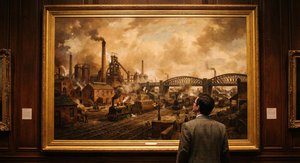
Arte Industriale: 10 Capolavori che Rivoluzionano l'Estetica e Decorano la Casa
Esplora 10 capolavori di Monet, Manet e altri maestri che catturano l'essenza dell'arte industriale. Scopri storie, tecniche e colori unici per decorare la tua casa con stampe su tela di alta qualità. OriginalUniqueArt.com: arte collezione online.
The Enduring Legacy of French Art: Movements, Masters & Cultural Impact
Explore the rich history of French art, from the Salon to Impressionism & beyond. Discover iconic masters, key movements, and expert guidance for collecting timeless masterpieces. OriginalUniqueArt.
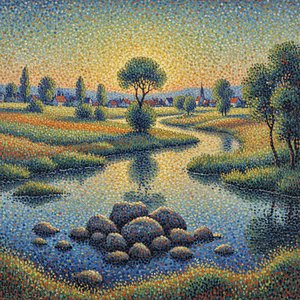
Chromatic Islands: Exploring the Theory & Legacy of Pointillism in 19th-Century Art
Explore the revolutionary world of Pointillism! Discover Georges Seurat's color theory, techniques & lasting impact on art history. Learn about Signac, Luce & Neo-Impressionism’s scientific approach to painting.

Impressionismo: I 10 Capolavori che Rivoluzionarono la Pittura | OriginalUniqueArt
Esplora i 10 capolavori dell'Impressionismo con OriginalUniqueArt. Scopri Monet, Renoir e Degas: storia, tecnica e colori che hanno rivoluzionato l'arte. Stampe di alta qualità per la tua casa! Esplora la collezione online.
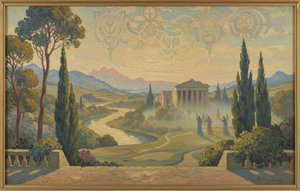
Henri Martin: Sintesi di Impressionismo e Simbolismo nella Tradizione Paesaggistica Francese
Esplora l'opera di Henri Martin, maestro dell'Impressionismo e del Simbolismo francese. Analisi approfondita della sua tecnica divisionista, dei cicli decorativi e del suo contributo alla storia dell'arte.


