
Indice dei contenuti
Informazioni rapide
- Movements: neo-impressionism
- Alternate names:
- Museo del Petit Palais
- Musee du Petit Palais
- Petit Palais
- Location: Ginevra, Svizzera
- Historical periods: modern
- Espandi dettagli…
- Featured artists:
- Henri Edmond Cross
- Maximilien Luce
- Paul Sérusier
- Theo van Rysselberghe
- ferdinand guillaumin
- Art types: opere da parete
- Mediums:
- acrilico su tela
- olio su tela
- Works on APS: 19
Artisti in collezione

Henri-Edmond Cross
Pittore neo-impressionista francese celebre per i paesaggi atmosferici e l’uso espressivo del puntinismo, anticipando il Fauvismo e influenzando profondamente l'arte moderna. Opere iconiche come 'Prima della tempesta'.


Maximilien Luce
Scopri Maximilien Luce (1858-1941), maestro neo-impressionista e pointillista francese! Ammira le sue vibranti scene parigine, paesaggi e l'influenza dell'Impressionismo al Musée d'Orsay.

Paul Sérusier
Scopri Paul Sérusier (1864-1927), pittore post-impressionista francese e pioniere dell'arte astratta. Esplora il suo stile cloisonnista, l'influenza sui Nabis e opere chiave come 'Il Talismano'.

Quiz d'arte
Per ogni domanda è presente una sola risposta corretta.
Domanda 1:
Qual è la principale caratteristica del Musée du Petit Palais?
Domanda 2:
Quale artista ha dipinto ‘La Venditrice di Tessuti’ nel Musée du Petit Palais?
Domanda 3:
Il movimento artistico rappresentato da ‘Le Acciaierie’ di Maximilien Luce è:
Domanda 4:
Qual è la ragione per cui il Musée du Petit Palais si distingue dagli altri musei di Ginevra?
Domanda 5:
Jean Baptiste Armand Guillaumin ha dipinto ‘Ritratto della Signora Guillaumin’ rappresentando:
Articoli correlati
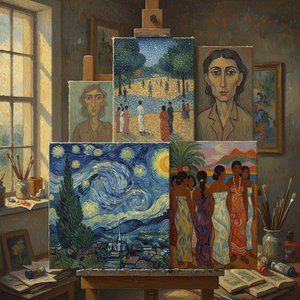
Beyond Impressionism: Exploring the Emotional Depth of Post-Impressionist Painting
Explore the profound emotional depth & innovative techniques of Post-Impressionism with OriginalUniqueArt. Discover Cézanne, Van Gogh, Gauguin & more – and their lasting impact on modern art.
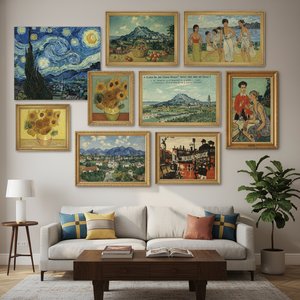
I 10 Capolavori Post-Impressionisti che Hanno Rivoluzionato l'Arte e la Decorazione d'Interni
Esplora i 10 capolavori del Post-Impressionismo con Van Gogh, Monet e Cézanne. Scopri le storie dietro questi dipinti iconici e lasciati ispirare per la tua decorazione d'interni. Stampe su tela di alta qualità su !

Impressionismo e Postimpressionismo: Evoluzione, Caratteristiche Distintive e Influenze Reciproche
Esplora l'evoluzione dell'Impressionismo e del Postimpressionismo con la nostra guida esperta. Scopri i maestri, le tecniche e l'influenza di questi movimenti artistici rivoluzionari.

