Anteprima in scala reale
 Invia
Invia Condividi
 Dettagli opera
 Guida
Guida

 Scarica
 Simili
 Radiografia
 Slideshow
 Q&A
Q&A Statistiche
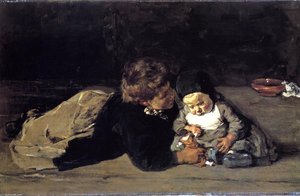
Bust Selfportrait in Paiting Overall


 Espandi i dettagli
Giclée / Stampe d'arte
Stampa giclée o su tela di qualità museale, con produzione rapida e diverse opzioni di finitura. ( Acquista il dipinto realizzato a mano Passa all'immagine digitale)




P118B €10

P118H €10

P118W €10

P438Z €10

P508JH €12

P508YH €12

P805H €10

P805Z €10

P919BZ €10

P919G €10

P919XJ €10

P959ZH €10

P968JZ €12

W106C €8

W218G €10

W218JH €8

W218Y €10

W307PJ €10

W316G €10

W316PJ €8

W316Y €10

W398PJ €8

W4111J €10

W500HY €15

W500JH €15

W692G €12

W849H €8

W940BG €15

W953PJ €8




Scegli tra le nostre dimensioni predefinite, che rispettano le proporzioni originali dell'opera d'arte.

Inserisci la larghezza e l'altezza desiderate, per adattarle alla tua cornice o alla tua parete. Una stampa può essere solo ritagliata, mai resa più grande dell'immagine originale; pertanto, un formato con una forma differente comporterà la perdita di una parte dell'opera. Ti invieremo un mockup digitale da approvare prima di procedere con la stampa. L'immagine mostrata in questa pagina non rappresenta il ritaglio reale — solo il mockup lo mostra.
Consegna in tutto il mondo () in 2 settimane invece delle normali 4/5 settimane. (1 Novembre)

Spedizione espressa gratuita in tutto il mondo

Tela in lino di alta qualità

Assicurazione completa sulla spedizione

Garanzia di rimborso dei dazi doganali

Garanzia di fedeltà cromatica assoluta

Politica di reso entro 100 giorni (solo per difetti di fabbricazione)

Garanzia di rimborso al 100%

Offerta per acquisti multipli
 L'opzione vetro è disponibile solo per dimensioni inferiori a 110 cm

Bust Selfportrait in Paiting Overall
Giclée / Stampe d'arte
Dimensioni riproduzione
-


Prezzo finale calcolato
€ 71
A Gaze Into the Self: Max Liebermann's Bust Selfportrait
To stand before this selfportrait is to encounter not merely a likeness, but a carefully considered meditation on identity itself. Painted in 1922 by Max Liebermann, this bust portrait captures the artist at a moment of profound introspection. The subject gazes out from the canvas with an undeniable seriousness, his mustache and beard lending him an air of intellectual gravitas. Every element—from the precise knot of his bow tie to the thoughtful set of his glasses—contributes to a persona that is both intimately familiar and strikingly composed. It speaks volumes about the artist's self-perception during this pivotal time in his life, offering us a direct line into the mind of a master.
Technique and Tonal Drama
Liebermann’s handling of paint here showcases his mastery of tonal contrast. The deliberate use of a black and white color scheme is not a limitation, but rather a powerful artistic choice that heightens the drama and focuses all attention squarely on the nuances of the sitter's expression. Observe how the light seems to sculpt the planes of his face, giving dimension to the subtle contours around his eyes and mouth. The technique employed suggests an Impressionist foundation—a sensitivity to fleeting moments—but channeled through a more formal, almost psychological portraiture lens. This stark palette strips away the distractions of color, leaving only the essential architecture of character.
Historical Echoes in Berlin
Created in 1922, this work emerges from a period when Germany was navigating immense social and artistic upheaval. Liebermann, an artist deeply connected to the vibrant cultural pulse of Berlin, captured a moment that feels both timeless and acutely contemporary. While his earlier works celebrated everyday life with Impressionistic joy, this selfportrait suggests a more internalized dialogue—a necessary turning inward amidst the roaring changes of the early 20th century. It is a testament to an artist who remained keenly observant, even when looking at himself.
Symbolism and Emotional Resonance
The act of painting a selfportrait has always been fraught with symbolic weight; it is both documentation and declaration. Here, the direct address to the viewer creates an immediate, almost confrontational intimacy. The seriousness in his eyes invites us to question: what is being observed? Is it the artist, or the enduring spirit that survives the passage of time? For collectors and those seeking art for a sophisticated interior space, this piece offers depth. It doesn't merely decorate; it prompts conversation, encouraging contemplation on self-image, intellect, and the weight of experience.
Bringing Liebermann Home
Owning a reproduction of "Bust Selfportrait in Paiting" allows one to integrate a piece of this rich artistic dialogue into your own sanctuary. The dramatic contrast inherent in the original composition translates beautifully into any setting, providing a focal point that is both intellectually stimulating and visually arresting. It serves as a sophisticated anchor for a room, echoing the thoughtful elegance of early 20th-century European portraiture while maintaining a modern, stark power.
Domande e risposte
Cosa rappresenta "Bust Selfportrait in Paiting Overall" di Max Liebermann e quale atmosfera trasmette?
"Bust Selfportrait in Paiting Overall" mostra portrait, self-portrait, painting, light, expressionism, german art, berlin, 1922, e l'atmosfera che ne scaturisce è Serene.
In quale stanza si consiglia di esporre "Bust Selfportrait in Paiting Overall" di Max Liebermann?
Lo spazio consigliato per "Bust Selfportrait in Paiting Overall" di Max Liebermann è un Living Room. Il suggerimento può naturalmente essere adattato ai vostri interni.
Dove posso acquistare un'immagine digitale di "Bust Selfportrait in Paiting Overall" di Max Liebermann?
È possibile acquistare un'immagine digitale di "Bust Selfportrait in Paiting Overall" di Max Liebermann nella sua pagina Immagine digitale ad alta risoluzione: download di un'immagine digitale ad alta risoluzione.
Biografia dell'artista
Primi Anni e Formazione
- Nato: Berlino, Germania (1847)
- Morto: 1935
Carriera Artistica e Stile
- Impressionismo: Liebermann divenne un sostenitore di spicco dell'Impressionismo in Germania, catturando momenti fugaci della vita moderna con un focus su luce e colore.
- Influenze: Il suo stile fu notevolmente influenzato da Édouard Manet, evidente nel suo spirito e approccio alla pittura.
- Motivi: Dipingeva frequentemente scene della borghesia e aspetti del suo giardino vicino al lago Wannsee.
- Ritrattistica: Liebermann ottenne riconoscimento come rinomato ritrattista, creando oltre 200 ritratti su commissione, tra cui quelli di Albert Einstein e Paul von Hindenburg.
Opere Significative e Riconoscimenti
- "Il dodicenne Gesù nel tempio": Un'opera giovanile che suscitò dibattiti a causa della sua rappresentazione di un ragazzo semitico come Gesù.
- Elezione alla Prussian Academy of Arts: Un significativo riconoscimento del suo merito artistico e contributo.
- Leadership della Berlin Secession (1899-1911): Guidò questa importante formazione d'avanguardia in Germania, sfidando le norme artistiche tradizionali.
Ultimi Anni e Significato Storico
- Dimissioni dalla Prussian Academy: Nel 1933, si dimise a seguito della decisione dell'accademia di escludere gli artisti ebrei.
- Morte ed Eredità: Morì a Berlino nel 1935, lasciando dietro di sé un corpus significativo di opere che continuano ad essere celebrate per il loro stile impressionista e la loro acuta rappresentazione della società tedesca.

Max Liebermann
1847 - 1935 , Germania
Dettagli rapidi
- Artistic Movement Or Style: Impressionismo
- Artists Or Movements Influenced By This Artist: ['Lovis Corinth']
- Artists Who Influenced This Artist: ['Édouard Manet']
- Date Of Birth: 20 luglio 1847
- Date Of Death: 8 febbraio 1935
- Full Name: Max Liebermann
- Nationality: Tedesca
- Notable Artworks:
- Il dodicenne Gesù nel tempio
- Cascina olandese con donna
- Ritratto del Dottor Max Linde
- Place Of Birth: Berlino, Germania
Articoli correlati

Impressionismo: I 10 Capolavori che Rivoluzionarono la Pittura | OriginalUniqueArt
Esplora i 10 capolavori dell'Impressionismo con OriginalUniqueArt. Scopri Monet, Renoir e Degas: storia, tecnica e colori che hanno rivoluzionato l'arte. Stampe di alta qualità per la tua casa! Esplora la collezione online.
Reflecting the Self: A History of Portraiture & Psychological Insight
Explore the fascinating history of self-portraiture from Renaissance masters like Dürer & Rembrandt to modern interpretations. Discover the psychological insights and artistic techniques behind these iconic works. Expert analysis for art enthusiasts.

Espressionismo Tedesco: 10 Capolavori Rivoluzionari per Arredare con Emozione
Esplora i 10 capolavori dell'Espressionismo Tedesco con OriginalUniqueArt.com! Scopri Kirchner, Munch e Nolde, le loro emozioni intense e tecniche rivoluzionarie. Arreda la tua casa con stampe d'arte di alta qualità. Esplora la collezione online!

Sogni e Inconscio: I 25 Capolavori Surrealisti di Max Ernst
Esplora i 25 capolavori di Max Ernst tra sogno e Dada. Scopri le opere più iconiche su OriginalUniqueArt.com.

I 25 Capolavori di Paul Cézanne: L'Architetto della Forma
Scopri i 25 capolavori di Paul Cézanne e la rivoluzione post-impressionista. Esplora la collezione su OriginalUniqueArt.com.