


Un Faro dell'Arte Tedesca e della Memoria
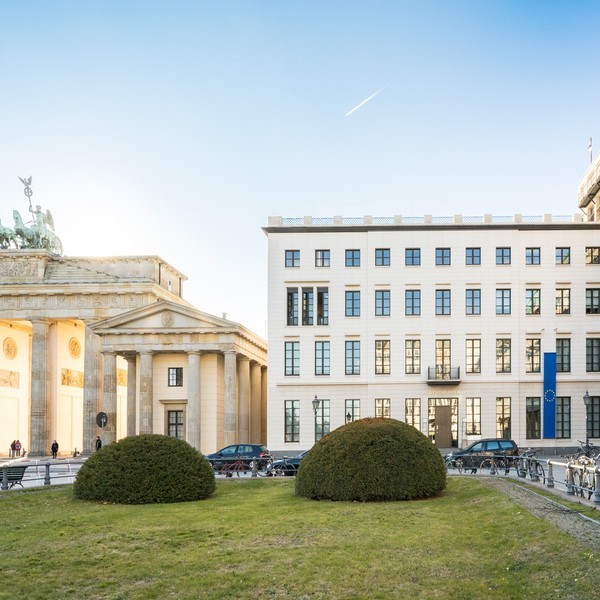
Immersa nel cuore pulsante di Berlino, adiacente all'iconica Porta di Brandeburgo, la Stiftung Brandenburger Tor si erge come una profonda testimonian unza dello spirito artistico resiliente della Germania e della sua capacità di rinascita. Più che un semplice deposito di reperti, questa istituzione funge da ponte vitale tra le pesanti ombre della storia e la vibrante luce del dialogo culturale contemporaneo. La fondazione opera all'interno delle sacre mura della Max Liebermann Haus , una struttura che è essa stessa un capolavoro del modernismo. Progettata dal leggendario Erich Mendelsohn nel 1928, questa residenza ispirata al Bauhaus offre un'esperienza architettonica definita dal suo atrio maestoso e dalle ampie finestre, che invitano la mutevole luce di Berlino a danzare sulle sue superfici, rispecchiando la missione del museo di illuminare l'evoluzione dell'identità tedesca.
Capolavori di Emozione e Identità
L'anima della collezione risiede nella sua meticolosa curatela di capolavoro tedeschi che attraversano le epoche trasformative dal Romanticismo fino alla cruda intensità dell'Espressionismo. I visitatori sono invitati a vagare attraverso una narrazione di emozione nazionale, incontrando opere di luminari che hanno ridefinito i confini della percezione. Non si può incontrare l'istituzione senza lasciarsi commuovere dal potere espressivo di Ernst Ludwig Kirchner . Il suo dipinto monumentale, Porta di Brandeburgo a Berlino , cattura il monumento storico della città con un senso di solenne grandezza, utilizzando pennellate audaci e ritmiche e una tavolozza smorzata per trasmettere il peso psicologico del passato di una nazione.
In contrasto con la tensione urbana presente nelle opere di Kirchner, la collezione offre la delicata precisione di Max Liebermann , le cui serie di ritratti svelano magistralmente la vita interiore dei suoi soggetti, rivelando la vulnerabilità umana attraverso sottili giochi di luce e ombra. Queste opere, insieme ai pezzi provocatori di Otto Dix e Georg Baselitz , creano un dialogo che è allo stesso tempo profondamente personale e ampiamente storico. Per il collezionista o l'interior designer, l'istituzione rappresenta un apice di ispirazione estetica, offrendo uno sguardo profondo su come movimento, colore e forma possano racchiudere lo zeitgeist di un'epoca.
Un Dialogo Vivo con il Presente
Ciò che distingue veramente la Stiftung Brandenburger Tor è il suo rifiuto di rimanere statica entro i confini del passato. Mentre onora i maestri del patrimonio tedesco, la fondazione trae linfa dall'energia del presente attraverso mostre temporanee che affrontano temi sociali e politici urgenti. Queste esposizioni curate fungono da crogioli intellettuali, stimolando la riflessione critica sulle questioni contemporanee e favorendo uno spazio in cui l'arte incontra l'attivismo. Attraverso le sue partnership internazionali e le robuste iniziative educative, la fondazione continua a coltivare un apprezzamento globale per il potere trasformativo dell'arte, garantendo che l'eredità della creatività tedesca rimanga una forza viva e pulsante nel mondo moderno.


