Anteprima in scala reale
 Invia
Invia Condividi
 Dettagli opera
 Guida
Guida

 Scarica
 Simili
 Radiografia
 Slideshow
 Domande e risposte
 Statistiche
Ecce Homo

- 190.0 x 150.0 cm


 Espandi i dettagli
Giclée / Stampe d'arte
Stampa giclée o su tela di qualità museale, con produzione rapida e diverse opzioni di finitura. ( Acquista il dipinto realizzato a mano Passa all'immagine digitale)




P118B €10

P118H €10

P118W €10

P438Z €10

P508JH €12

P508YH €12

P805H €10

P805Z €10

P919BZ €10

P919G €10

P919XJ €10

P959ZH €10

P968JZ €12

W106C €8

W218G €10

W218JH €8

W218Y €10

W307PJ €10

W316G €10

W316PJ €8

W316Y €10

W398PJ €8

W4111J €10

W500HY €15

W500JH €15

W692G €12

W849H €8

W940BG €15

W953PJ €8




Scegli tra le nostre dimensioni predefinite, che rispettano le proporzioni originali dell'opera d'arte.

Inserisci la larghezza e l'altezza desiderate, per adattarle alla tua cornice o alla tua parete. Una stampa può essere solo ritagliata, mai resa più grande dell'immagine originale; pertanto, un formato con una forma differente comporterà la perdita di una parte dell'opera. Ti invieremo un mockup digitale da approvare prima di procedere con la stampa. L'immagine mostrata in questa pagina non rappresenta il ritaglio reale — solo il mockup lo mostra.
Consegna in tutto il mondo () in 2 settimane invece delle normali 4/5 settimane. (8 Novembre)

Spedizione espressa gratuita in tutto il mondo

Tela in lino di alta qualità

Assicurazione completa sulla spedizione

Garanzia di rimborso dei dazi doganali

Garanzia di fedeltà cromatica assoluta

Politica di reso entro 100 giorni (solo per difetti di fabbricazione)

Garanzia di rimborso al 100%

Offerta per acquisti multipli
 L'opzione vetro è disponibile solo per dimensioni inferiori a 110 cm

Ecce Homo
Giclée / Stampe d'arte
Dimensioni riproduzione
-


Prezzo finale calcolato
€ 72
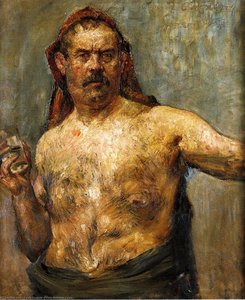
A Vision of Suffering and Grace: Lovis Corinth’s Ecce Homo
In the profound depths of 1925, a year that marked both a creative zenith and the final chapter for the German master Lovis Corinth, there emerged a work of staggering emotional intensity: Ecce Homo. This oil on canvas masterpiece, currently housed within the prestigious Kunstmuseum Basel, serves as a visceral window into one of history's most poignant moments. The painting captures the biblical moment of "Behold the Man," presenting a scene that transcends mere religious iconography to touch upon the universal essence of human vulnerability and resilience. Through his masterful command of the medium, Corinth invites the viewer into a space where the divine and the mortal collide under a heavy, atmospheric sky.
The composition is a masterclass in dramatic tension, centered around the figure of Jesus Christ, whose presence dominates the canvas with a quiet yet overwhelming gravity. Adorned with the crown of thorns, he stands flanked by two other figures, creating a triangular stability that is paradoxically disrupted by the raw, expressive energy of the brushwork. Corinth utilizes chiaroscuro—the dramatic interplay of light and shadow—to sculpt the forms of the men, lending them a sculptural weight that feels almost tangible. This technique does more than create depth; it directs the eye through a landscape of sorrow, where the stark highlights on the central figure’s face contrast sharply with the encroaching darkness, mirroring the spiritual struggle at the heart of the narrative.
Beyond the human drama, Corinth weaves subtle layers of symbolism into the periphery of the scene to enhance its dynamic movement. In the background, the presence of two horses and the delicate silhouettes of three birds drifting in the sky introduce a sense of life continuing amidst the tragedy. These elements provide a breath of naturalism that prevents the painting from becoming purely a study of grief, instead grounding the crucifixion in a living, breathing world. The artist’s ability to synthesize the structured traditions of Impressionism with the raw, emotive power of Expressionism allows the background to pulse with an almost restless energy, ensuring that every inch of the 190 x 150 cm canvas vibrates with life.
For the discerning collector or interior designer, a reproduction of Ecce Homo offers more than just a decorative element; it provides a profound focal point for any curated space. The painting’s rich textures and somber palette make it an ideal centerpiece for rooms designed to evoke contemplation, sophistication, and depth. Whether placed in a quiet study or a grand gallery-style living area, the work commands attention through its historical significance and its ability to stir the soul. Owning a high-quality hand-painted reproduction allows one to bring the heavy, transformative atmosphere of Corinth’s late period into the modern home, serving as a timeless reminder of the beauty found within the most profound human struggles.
Domande e risposte
In che modo contrasto e armonia si combinano in "Ecce Homo"?
L'analisi cromatica di "Ecce Homo" di Lovis Corinth rivela un Statement contrasto e una Balanced Harmony armonia.
Dove e per quale uso è consigliata "Ecce Homo"?
L'uso (Focal) e lo spazio (Living Room) sono le due raccomandazioni indicate per "Ecce Homo" di Lovis Corinth.
Posso usare la realtà aumentata per vedere "Ecce Homo" di Lovis Corinth nella mia stanza?
"Ecce Homo" dispone di un'anteprima in realtà aumentata: la pagina Anteprima in AR dell'opera ti permette di visualizzarla nel tuo spazio tramite un dispositivo compatibile.
Biografia dell'artista
Primi anni e formazione
Lovis Corinth, nato Franz Heinrich Louis il 21 luglio 1858 a Tapiau, in Prussia, fu un artista e scrittore tedesco la cui opera matura come pittore e incisore realizzò una sintesi di impressionismo ed espressionismo. La prima parte della vita di Corinth fu segnata dal suo talento per il disegno, che lo portò a studiare pittura all'Accademia di Königsberg nel 1876.Sviluppo artistico
Lo sviluppo artistico di Corinth fu influenzato da diverse figure e movimenti chiave:- I primi lavori di Lovis Corinth erano caratterizzati da un approccio naturalistico, incoraggiato dal suo istruttore Otto Günther.
- Studiò sotto Ludwig von Löfftz all'Accademia di Belle Arti di Monaco, che enfatizzava l'attenta osservazione dei colori e dei valori.
- Corinth fu anche influenzato da Courbet e dalla Scuola Barbizon, così come dalle opere di Rubens durante il suo periodo ad Anversa.
Opere notevoli e stile
Alcune delle opere più importanti di Corinth includono:- Nella Macello (78 x 89 cm, Staatsgalerie di Stoccarda, Germania), che mette in mostra il suo uso dell'olio su tela.
- Autoritratto (47 x 53 cm, Kunsthalle di Brema, Germania), che dimostra la sua abilità nel disegno.
- Semi-nuda femminile con cappello (283 x 383 cm, Kunstpalast, Düsseldorf, Germania), che evidenzia il suo uso della matita.
Eredità e vita successiva
La vita successiva di Corinth fu segnata dalla sua presidenza della Secessione berlinese dal 1915 al 1925. Pubblicò anche numerosi saggi sulla storia dell'arte, tra cui "Das Erlenen der Malerei" ("Sull'apprendimento della pittura") nel 1908. Corinth morì il 17 luglio 1925, dopo un ictus nel 1911 che lo aveva parzialmente paralizzato. Link chiave:
Lovis Corinth
1858 - 1925 , Paesi Bassi
Dettagli rapidi
- Artisti Influenti:
- Courbet
- Rubens
- Ludwig von Löfftz
- Data Di Nascita: 21 luglio 1858
- Luogo Di Nascita: Tauwade, Paesi Bassi
- Movimento Artistico: Impressionismo ed Espressionismo
- Nazionalità: Germana
- Nome Completo: Lovis Corinth (Franz Heinrich Louis)
- Opere Notevoli:
- Nella Macello
- Autoritratto
- Semi-nuda femminile con cappello
Articoli correlati
Espressionismo Pittorico: 10 Capolavori Che Hanno Definito un Movimento Artistico
Esplora i 10 capolavori dell'Espressionismo Pittorico con OriginalUniqueArt.com! Scopri Munch, Kirchner e altri artisti iconici, le loro tecniche e l'impatto emotivo dei colori. Trova riproduzioni di alta qualità per la tua casa. Esplora la collezione online!
The Soul of Subjectivity: A Collector's Guide to the Raw Emotion and Lasting Power of Expressionist Art
Discover the profound power of Expressionist art. From the raw intensity of Edvard Munch to the visceral textures of Neo-Expressionism, explore how subjective emotion and distorted reality define this movement. An expert guide for discerning collectors seeking depth and soul in fine art.
Unleashing Emotion: A Definitive Guide to the Power and Legacy of Expressionist Painting
Explore the profound emotional depth of Expressionist painting. From the bold colors of Emil Nolde to the distorted forms of Kirchner, discover how this movement redefined art through raw feeling and visceral texture in our expert guide to art history.
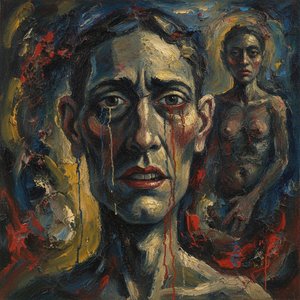
Beyond the Surface: The Raw Emotion and Subjective Truth of Expressionist Portraiture
Explore the profound emotional depth of Expressionist portraiture. From Edvard Munch to Francis Bacon, discover how masters used distortion and color to reveal inner truths. Learn about this pivotal movement and find museum-quality oil reproductions for your collection.

Unmasking Emotion: A Definitive Guide to the Psychological Depth of Expressionist Portraiture
Explore the profound psychological depth of Expressionist portraiture. From Munch to Schiele, discover how distorted forms and visceral brushstrokes unmask raw human emotion in this definitive guide for art enthusiasts and collectors.