
 Anteprima in scala reale
 Invia
Invia Condividi
 Dettagli opera
 Guida
Guida

 Scarica
 Simili
 Radiografia
 Slideshow
 Domande e risposte
 Statistiche
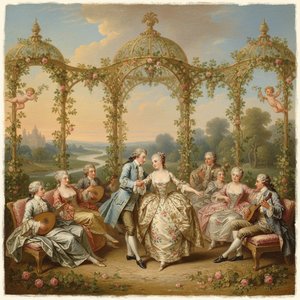
Il Teatro Francese

- 37.0 x 48.0 cm


 Espandi i dettagli
Giclée / Stampe d'arte
Stampa giclée o su tela di qualità museale, con produzione rapida e diverse opzioni di finitura. ( Acquista il dipinto realizzato a mano Passa all'immagine digitale)




P118B €10

P118H €10

P118W €10

P438Z €10

P508JH €12

P508YH €12

P805H €10

P805Z €10

P919BZ €10

P919G €10

P919XJ €10

P959ZH €10

P968JZ €12

W106C €8

W218G €10

W218JH €8

W218Y €10

W307PJ €10

W316G €10

W316PJ €8

W316Y €10

W398PJ €8

W4111J €10

W500HY €15

W500JH €15

W692G €12

W849H €8

W940BG €15

W953PJ €8




Scegli tra le nostre dimensioni predefinite, che rispettano le proporzioni originali dell'opera d'arte.

Inserisci la larghezza e l'altezza desiderate, per adattarle alla tua cornice o alla tua parete. Una stampa può essere solo ritagliata, mai resa più grande dell'immagine originale; pertanto, un formato con una forma differente comporterà la perdita di una parte dell'opera. Ti invieremo un mockup digitale da approvare prima di procedere con la stampa. L'immagine mostrata in questa pagina non rappresenta il ritaglio reale — solo il mockup lo mostra.
Consegna in tutto il mondo () in 2 settimane invece delle normali 4/5 settimane. (4 Novembre)

Spedizione espressa gratuita in tutto il mondo

Tela in lino di alta qualità

Assicurazione completa sulla spedizione

Garanzia di rimborso dei dazi doganali

Garanzia di fedeltà cromatica assoluta

Politica di reso entro 100 giorni (solo per difetti di fabbricazione)

Garanzia di rimborso al 100%

Offerta per acquisti multipli
 L'opzione vetro è disponibile solo per dimensioni inferiori a 110 cm

Il Teatro Francese
Giclée / Stampe d'arte
Dimensioni riproduzione
-


Prezzo finale calcolato
€ 72
The Enchanting World of Jean Antoine Watteau
Jean Antoine Watteau (1684–1721), a luminary of the Rococo movement, stands as one of France’s most beloved painters—a figure whose delicate brushstrokes captured not merely visual beauty but also the very essence of aristocratic leisure and fleeting emotion. Unlike his predecessors in the Baroque era, who favored grandeur and dramatic narratives, Watteau embarked on a path toward intimacy and subtlety, drawing inspiration from Flemish masters like Rubens and establishing a new aesthetic that prioritized atmosphere and graceful movement. His artistic journey began modestly, honing his skills as a scene painter before attracting the patronage of influential figures such as Claude Audran III and Pierre Crozat, who exposed him to the vibrant intellectual currents of Parisian society.- Early Life & Training: Born in Valenciennes, Watteau’s formative years instilled in him an acute observation of everyday life—a fascination that would become a cornerstone of his artistic vision. His apprenticeship under Jacques-Albert Gérin introduced him to the techniques of Flemish painting and cemented his understanding of composition and perspective.
- The Birth of Fête Galante: Watteau revolutionized French art by inventing the genre of fêtes galantes—idyllic gatherings in parks and gardens populated by elegantly dressed aristocrats indulging in refined pursuits. These canvases shimmered with pastel hues, capturing fleeting moments of joy and romance against a backdrop of lush landscapes.
- Influence & Patronage: Watteau’s artistic sensibilities were profoundly shaped by the humanist ideals championed by Frederick II of Prussia—a connection that ensured his paintings would endure for centuries to come. His patrons recognized his genius, providing him with opportunities to explore new subjects and refine his craft.
A Masterpiece: The French Theater
“The French Theater,” painted in 1714 and currently housed at the Staatliche Museen zu Berlin, exemplifies Watteau’s unparalleled ability to distill complex emotions into deceptively simple compositions. This captivating tableau depicts a theatrical performance unfolding amidst a picturesque Parisian garden—a scene brimming with symbolism that speaks volumes about the artistic sensibilities of its time. Watteau skillfully employs light and shadow to create an ethereal ambiance, transporting viewers into a realm of aristocratic elegance and refined contemplation.- Composition & Technique: Watteau’s meticulous attention to detail—evident in the rendering of costumes, fabrics, and facial expressions—demonstrates his mastery of oil paint on panel. He achieved remarkable luminosity through layering thin glazes of color, creating a velvety surface that captures the subtle nuances of light and atmosphere.
- Symbolism & Narrative: The central figure—a woman holding a garment—represents not merely a character in the play but also embodies the idealized feminine ideal prevalent during the Rococo period. The surrounding actors convey a sense of theatrical drama, yet their postures and gestures suggest an underlying serenity—reflecting Watteau’s belief that beauty could coexist with melancholy.
- Historical Context: “The French Theater” reflects the broader cultural landscape of Louis XIV's court—a society obsessed with spectacle and refinement. Watteau’s painting captures the spirit of this era, offering a glimpse into the aristocratic world of fêtes galantes and celebrating the pursuit of pleasure as an antidote to worldly anxieties.
Beyond Watteau: Exploring Related Works
Watteau's artistic legacy extends beyond “The French Theater,” encompassing other notable paintings that delve into similar themes—such as “The Italian Theater,” “The Italian Theatre Troupe,” and “Actors from the Comédie Française.” These works underscore Watteau’s fascination with theatrical performance and his unwavering commitment to portraying human emotion with exquisite sensitivity. For those seeking inspiration or desiring to acquire a stunning reproduction of these masterpieces, OriginalUniqueArt offers hand-painted reproductions that faithfully capture the essence of Watteau's artistic vision—a testament to his enduring influence on Western art history.Domande e risposte
Qual è la tonalità dominante di "Il Teatro Francese" di Jean-Antoine Watteau?
"Il Teatro Francese" tende verso una tonalità Dall'ambra allo zafferano.
Che tipo di opera è "Il Teatro Francese"?
"Il Teatro Francese" è un'opera in Opere da parete.
In che anno è stata realizzata l'opera "Il Teatro Francese" di Jean-Antoine Watteau e a quale movimento appartiene?
"Il Teatro Francese" di Jean-Antoine Watteau risale al 1714 e appartiene al Rococo.
Biografia dell'artista
primi anni di vita e formazione
Jean Antoine Watteau, un pittore francese, nacque a Valenciennes, in Francia, nel 1684. Poco si sa dei suoi primi anni di vita, ma si ritiene che abbia ricevuto formazione dall'artista Julien a Valenciennes prima di trasferirsi a Parigi nel 1702.ascesa alla fama
Lo stile unico di Watteau, che combinava elementi dello stile barocco e dell’emergente stile rococò, guadagnò rapidamente popolarità. Le sue opere erano caratterizzate da una qualità luminosa e onirica, spesso raffiguranti scene di vita quotidiana e spettacoli teatrali. Opere notevoli di questo periodo includono:- Il ballo di campagna (1718-1721), un dipinto che mostra la sua maestria nel catturare l'essenza della vita rustica e spensierata.
- Cerere (estate) (1705), un esempio della sua abilità nel rappresentare la bellezza della natura e l'esperienza umana.
- Il contratto matrimoniale (1710), un’opera che evidenzia la sua capacità di bilanciare l'intimità delle scene domestiche con la formalità degli accordi contrattuali.
influenza e eredità
L'impatto di Watteau sul mondo dell'arte è stato significativo, influenzando lo sviluppo dello stile rococò. Le sue opere si trovano in vari musei, tra cui la National Gallery of Art (Washington, Stati Uniti) e il Museo del Prado (Spagna). Nonostante la sua prematura morte all'età di 37 anni, Watteau ha lasciato un segno indelebile nella storia dell’arte.esplora di più
Per approfondire il mondo di Watteau, visita [https://OriginalUniqueArt.com/@/jean-antoine-watteau](https://OriginalUniqueArt.com/@/jean-antoine-watteau) e scopri la vasta collezione delle sue opere, tra cui:- Ritratto di una ragazza con cappello (1715-1720), che mostra la sua abilità nel catturare le sottigliezze dell'espressione umana.
- Studio di una donna che fa il telaio e cinque studi delle mani (1708-1712), che evidenzia la sua dedizione a padroneggiare le complessità della forma umana.

Jean-Antoine Watteau
1684 - 1721 , Francia
Dettagli rapidi
- Artisti Influenti:
- Tiziano
- Veronese
- Rubens
- Artisti Influenzati:
- Fragonard
- Boucher
- Data Di Morte: 1721
- Data Di Nascita: 1684
- Luogo Di Nascita: Valenciennes, Francia
- Movimento Artistico: Rococò
- Nazionalità: Francese
- Nome Completo: Jean-Antoine Watteau
- Opere Notevoli:
- Il ballo di campagna
- Cerere (Estate)
- Il contratto matrimoniale
- Gilles
- L'imbarco per Citera
Articoli correlati

From Grandeur to Grace: Exploring the Evolution of Baroque & Rococo Art
Explore the captivating evolution from Baroque's drama to Rococo's grace! Discover key artists, characteristics & lasting influence of these art movements with expert insights at OriginalUniqueArt.

I 10 Capolavori Rococò che Hanno Definito un'Epoca | Arte e Decorazioni di Lusso
Esplora i 10 capolavori del Rococò con ! Scopri Fragonard, Boucher e Tiepolo e lasciati ispirare da colori pastello e decorazioni di lusso. Quadri antichi e riproduzioni d'arte per interni eleganti. Esplora la collezione online!

The Rococo Aesthetic: Opulence, Rebellion & the Pursuit of Pleasure in 18th-Century Art
Explore the opulent world of Rococo art! Discover its origins, key artists like Watteau & Boucher, and lasting influence on design. Expert insights for collectors & enthusiasts.
Jean-Baptiste Pater: Rococo Charm & Ephemeral Beauty of 18th-Century France
Explore the captivating world of Jean-Baptiste Pater, a master of Rococo painting. Discover his elegant *fête galante* scenes and shimmering portraits – a glimpse into 18th-century French aristocracy. Learn about his legacy & find high-quality reproductions.

L'Eleganza Fugace e il Sogno Aristocratico: Esplorando l'Universo Artistico di Jean-Antoine Watteau
Esplora l'universo artistico di Jean-Antoine Watteau con OriginalUniqueArt. Scopri le sue opere iconiche, il simbolismo rococò e l'influenza sulla pittura aristocratica del XVIII secolo. Approfondimenti esclusivi e riproduzioni d'arte di alta qualità.


