Anteprima in scala reale
 Invia
Invia Condividi
 Dettagli opera
 Guida
Guida

 Scarica
 Simili
 Radiografia
 Slideshow
 Statistiche
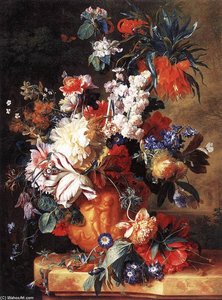
Fiori e Frutta
 Olio su tavola
- Arte da parete
- Età dell'Oro olandese
 1723
1723- Età Moderna
 80.0 x 61.0 cm
 Museo dell'Ermitage
 Espandi i dettagli
Giclée / Stampe d'arte
Stampa giclée o su tela di qualità museale, con produzione rapida e diverse opzioni di finitura. ( Acquista il dipinto realizzato a mano Passa all'immagine digitale)




P118B €10

P118H €10

P118W €10

P438Z €10

P508JH €12

P508YH €12

P805H €10

P805Z €10

P919BZ €10

P919G €10

P919XJ €10

P959ZH €10

P968JZ €12

W106C €8

W218G €10

W218JH €8

W218Y €10

W307PJ €10

W316G €10

W316PJ €8

W316Y €10

W398PJ €8

W4111J €10

W500HY €15

W500JH €15

W692G €12

W849H €8

W940BG €15

W953PJ €8




Scegli tra le nostre dimensioni predefinite, che rispettano le proporzioni originali dell'opera d'arte.

Inserisci la larghezza e l'altezza desiderate, per adattarle alla tua cornice o alla tua parete. Una stampa può essere solo ritagliata, mai resa più grande dell'immagine originale; pertanto, un formato con una forma differente comporterà la perdita di una parte dell'opera. Ti invieremo un mockup digitale da approvare prima di procedere con la stampa. L'immagine mostrata in questa pagina non rappresenta il ritaglio reale — solo il mockup lo mostra.
Consegna in tutto il mondo () in 2 settimane invece delle normali 4/5 settimane. (26 Ottobre)

Spedizione espressa gratuita in tutto il mondo

Tela in lino di alta qualità

Assicurazione completa sulla spedizione

Garanzia di rimborso dei dazi doganali

Garanzia di fedeltà cromatica assoluta

Politica di reso entro 100 giorni (solo per difetti di fabbricazione)

Garanzia di rimborso al 100%

Offerta per acquisti multipli
 L'opzione vetro è disponibile solo per dimensioni inferiori a 110 cm

Fiori e Frutta
Giclée / Stampe d'arte
Dimensioni riproduzione
-


Prezzo finale calcolato
€ 70
Una Sinfonia di Colore e Texture: L'Eterna Fioritura di Jan van Huysum
Nella quieta grandezza del Rijksmuseum di Amsterdam, esiste una finestra aperta su un mondo di primavera perpetua, un capolavoro che trascende i confini del tempo e del decadimento. L’opera di Jan van Huysum, “Fiori e Frutta,” completata nel 1723, è molto più di una semplice disposizione di esemplari botanici; è un trionfo mozzafiato del Barocco olandese. Osservare questa tela significa entrare in un regno dove la bellezza effimera della natura è catturata con una precisione così profonda che si può quasi percepire l'umidità fresca su un petalo o il profumo dolce e intenso della frutta che matura. Quest'opera si pone come l'esempio quintessenziale di un'epoca definita dall'opulenza, in cui la maestria della luce e dell'ombra serviva a celebrare sia l'abbondanza del mondo naturale sia l'ineguagliabile abilità tecnica dell'artista.
Nato in una stirpe di eccellenza artistica ad Amsterdam, Jan van Huysum era destinato a diventare la voce preminente della natura morta floreale. Figlio di Justus van Huysum il Vecchio, il suo stesso DNA era intriso delle tradizioni del Secolo d'Oro olandese. Tuttavia, Jan non si limitò a replicare le opere dei suoi predecessori; egli rivoluzionamento il genere. Mentre i maestri precedenti presentavano spesso composizioni statiche e formali, Van Huysum introdusse un senso di movimento dinamico e spontaneità organica. In “Fiori e Frutta”, la composizione respira vita. L'uva sembra raggrupparsi con un peso pesante e succulento, mentre le mele sono sparse con una casualità calcolata che suggerisce un momento congelato nel tempo. Questo senso di illusionismo — l'arte di ingannare l'occhio — è ciò che eleva questo pezzo da semplice studio a profonda esperienza sensoriale.
L'Alchimia della Luce e della Velatura
La brillantezza tecnica necessaria per raggiungere tale luminosità è poco meno che miracolosa. Van Huysum impiegò un metodo meticoloso di stratificazione di sottili velature traslucide su molteplici strati di base, una tecnica che permetteva alla luce di penetrare gli strati di colore e riflettersi dall'interno, creando un bagliore interiore. Questo processo minuzioso gli permise di rendere le diverse texture presenti in natura con una precisione sorprendente: la morbidezza vellutata di un petalo di rosa, la lucentezza liscia e riflettente di una pesca matura e la limpidezza cristallina di una singola goccia di rugiada che aderisce a una foglia. Per il collezionista esperto o l'interior designer, questi dettagli offrono una profondità palpabile; il dipinto non si limita a stare appeso su una parete, ma interagisce con la luce ambientale di una stanza, mutando il proprio carattere con il progredendo della giornata.
Oltre l'esecuzione tecnica, risiede uno strato più profondo di risonanza simbolica. Nel XVIII secolo, tali nature morte erano spesso meditazioni sul concetto di vanitas — la natura fuggevole della vita e l'inevitabilità del cambiamento. Eppure, l'approccio di Van Huysum tende maggiormente verso una celebrazione dell'abbondanza e dell'ordine divino della creazione. La rigogliosità della frutta e la vibrante vitalità dei fiori fungono da testimonianza della ricchezza della vita. Per coloro che cercano di infondere in uno spazio eleganza e un senso di intramontabile prosperità, quest'opera d'arte fornisce un punto di riferimento di pura sofisticatezza. Una riproduzione di alta qualità di questo capolavoro porta con sé non solo il colore, ma una storia di eccellenza olandese e un profondo apprezzamento per i momenti delicati e fugaci che definiscono la nostra esistenza.
Domande e risposte
"Fiori e Frutta" è disponibile come stampa d'arte di alta qualità?
Per ordinare una stampa di "Fiori e Frutta" di Jan Van Huysum, ti basta cercarla nella sua pagina dedicata Stampa Fine Art: una stampa fine art su tela di cotone o carta canvas d'archivio.
In che modo l'emozione e l'occasione del regalo si fondono in "Fiori e Frutta" di Jan Van Huysum?
Il tono Calma e serenità di "Fiori e Frutta" di Jan Van Huysum si sposa perfettamente con l'occasione regalo consigliata: Anniversario.
A quale movimento artistico appartiene "Fiori e Frutta" di Jan Van Huysum?
"Fiori e Frutta" di Jan Van Huysum appartiene al movimento Età dell'Oro olandese. Questo movimento fornisce il contesto stilistico dell'opera.
Biografia dell'artista
Jan van Huysum (1682–1749): A Master of Floral Illusion
Jan van Huysum, a name synonymous with the exquisite flower paintings of the Dutch Golden Age, was born in Amsterdam on April 15, 1682. He wasn’t simply a painter of blooms; he was a master of illusion, capable of rendering petals and droplets with such breathtaking realism that viewers felt they could almost inhale their fragrance. Born into an artistic family—his father, Justus van Huysum the Elder, was also a respected flower painter, and his brothers Jacob and Michiel followed suit—Jan’s path seemed predetermined. However, he wasn't immediately drawn to floral subjects. Early in his career, he experimented with landscapes, described as “conventional and arcadian,” but it was within the delicate world of still life that his true genius blossomed.
The foundation of Van Huysum’s artistic education was laid by his father, a formative experience that instilled in him not only technical skill but also an understanding of the art market. Amsterdam during this period thrived as a center for commerce and culture, fostering a demand for luxurious and decorative paintings like those depicting lavish floral arrangements. This environment shaped Van Huysum’s approach; he wasn’t merely replicating nature, but crafting idealized visions of beauty intended to delight and impress. His earliest dated work, completed in 1717 and now residing in the Louvre, already reveals a remarkable maturity and attention to detail, hinting at the mastery that was to come.
The Art of Detail: Technique and Style
What truly sets Van Huysum apart is his unparalleled technique. He employed smooth, glossy brushstrokes, building up layers of paint to create an almost enamel-like surface that enhanced the richness and vibrancy of his colors. But it wasn’t just about color; it was about light—the way it played across petals, illuminated water droplets clinging to leaves, and created a sense of depth and volume. He possessed an extraordinary eye for detail, meticulously capturing the textures of every flower, fruit, and leaf with astonishing precision. Stories circulated that he could paint details like ants and dew drops so realistically they were visible without magnification—a testament to his dedication and skill.
His approach was revolutionary for its time. Unlike many of his contemporaries who favored crowded, overflowing arrangements, Van Huysum consistently avoided imbalance or over-composition. He sought to capture the essence of a particular moment in nature, presenting it with serene elegance and understated beauty. His later works became more elaborate, certainly, but always maintained a sense of harmony and grace. He often incorporated elements of fantasy into his work, particularly in his landscapes which featured imaginary scenes with classical architectural details and motionless trees. These weren’t attempts at topographical accuracy, but rather evocative settings designed to showcase the beauty of the flowers they contained.
A Flourishing Reputation: Major Works and Legacy
Throughout his lifetime, Jan van Huysum enjoyed considerable acclaim and financial success. His paintings were highly sought after by collectors, and he commanded high prices for his work. Today, his masterpieces can be found in prestigious museums around the world, including the Louvre in Paris, the National Gallery in London, and collections in Berlin and Amsterdam. Among his most celebrated works are Terracotta Vase with Flowers and Fruits, a stunning display of color and texture; Flowers and Fruits, showcasing his mastery of composition; and Bouquet of Flowers in an Urn, a testament to his ability to capture the ephemeral beauty of nature.
His influence extended beyond his own time, inspiring generations of artists. Painters like Jan van Os and Johannes de Bosch clearly demonstrate his impact on subsequent floral still life traditions. He represents the pinnacle of Dutch Golden Age flower painting, a period defined by its meticulous observation of nature and its celebration of beauty. His legacy isn't simply about the numerous paintings he created, but also about the enduring appeal of his style—a style that continues to inspire artists and captivate audiences today. His work remains a powerful reminder of the artistry and skill required to transform fleeting moments of natural beauty into timeless works of art.
Family Connections & Artistic Lineage
- Justus van Huysum the Elder (1659–1716): Jan’s father, a prolific painter of flower pieces and decorative schemes.
- Jacob van Huysum (1688–1740): Jan’s brother, also a notable artist specializing in botanical illustrations.
- Justus van Huysum the Younger (1685–1707): Another of Jan’s brothers who pursued painting but died young.
- Michiel van Huysum (1703–1777): A half-brother, also a flower painter.
- Francina Margaretha van Huysum: Jan’s daughter, who assisted him in his work and was herself a skilled flower painter.
The Van Huysum family represents a remarkable artistic lineage, contributing significantly to the rich tapestry of Dutch Golden Age painting. Jan, however, stands out as the most celebrated member, leaving an indelible mark on the history of art with his exquisite and enduring floral masterpieces.

Jan Van Huysum
1682 - 1749 , Paesi Bassi
Dettagli rapidi
- Artistic Movement Or Style: Dutch Golden Age, Still life
- Artists Or Movements Influenced By This Artist: ['Justus van Huysum']
- Artists Who Influenced This Artist:
- Johannes de Bosch
- Jan van Os
- Date Of Birth: April 15, 1682
- Date Of Death: February 8, 1749
- Full Name: Jan van Huysum
- Nationality: Dutch
- Notable Artworks:
- Terracotta Vase with Flowers
- Flowers and Fruits
- Bouquet of Flowers in an Urn
- Place Of Birth: Amsterdam, Netherlands
Articoli correlati

I 10 Capolavori del Barocco Olandese che Hanno Definito un'Epoca | OriginalUniqueArt
Esplora i 10 capolavori del Barocco olandese con OriginalUniqueArt. Scopri Rembrandt, Vermeer e altri maestri. Quadri antichi, luce intensa e storie affascinanti per decorare la tua casa con arte di qualità museale. Esplora la collezione online!

Jan van Goyen: Maestro del Paesaggio Olandese e della Prospettiva Atmosferica
Scopri Jan van Goyen, maestro del paesaggio olandese e pioniere della prospettiva atmosferica. Approfondisci la sua vita, tecnica innovativa e l'eredità artistica che ha rivoluzionato la pittura del Secolo d'Oro.
Jan van Kessel the Elder: A Baroque Master of Floral Still Life & Miniature Portraiture
Discover the exquisite detail of Jan van Kessel the Elder's Baroque floral still lifes & captivating miniatures. Explore his artistic legacy, scientific precision, and lasting influence on 17th-century Flemish painting.
Abraham Hendricksz van Beyeren: Pioneering Dutch Still Life & the Banquet Tradition
Explore the captivating world of Dutch Golden Age still life with Abraham van Beyeren. Discover his innovative techniques, symbolic banquet scenes & lasting influence on art history. Learn about collecting these masterpieces.

Rembrandt van Rijn: I 25 Capolavori Immortali da Ammirare | OriginalUniqueArt
Esplora i 25 capolavori di Rembrandt van Rijn, da 'La Ronda di Notte' ai suoi intensi autoritratti. Scopri la storia, le tecniche e l'arte barocca del maestro olandese. Riproduzioni di alta qualità su OriginalUniqueArt.com.