 Anteprima in scala reale
 Invia
Invia Condividi
 Dettagli opera
 Guida
Guida

 Scarica
 Simili
 Radiografia
 Slideshow
 Domande e risposte
 Statistiche
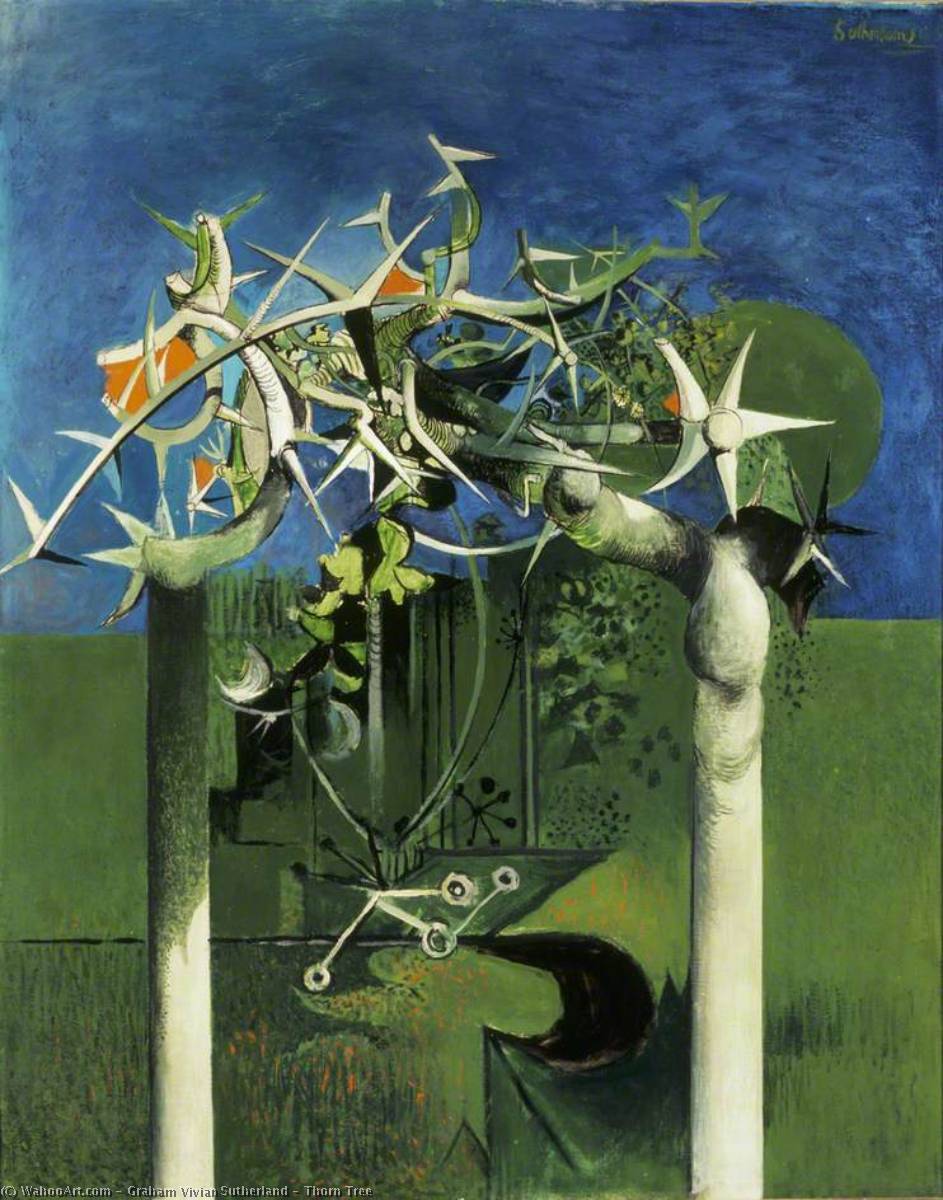
Thorn Tree

- 127.0 x 102.0 cm


 Espandi i dettagli
Ottieni un file pronto per la stampa che supera di gran lunga l'anteprima web. Ogni immagine digitale in vendita proviene da un master ad alta risoluzione del nostro archivio — con una larghezza solitamente compresa tra 5.000 e 15.000 pixel — permettendoti di stampare in grande formato, ritagliare con precisione o riprodurre dettagli minuziosi in totale sicurezza.
Nessun file lascia il nostro studio senza essere stato elaborato. Un esperto digitale verifica la corrispondenza dei colori con il dipinto originale e li corregge se necessario, per poi migliorarne la nitidezza e i dettagli attraverso strumenti di fotoritocco professionale — mantenendo sempre fedeltà alla pennellata e allo stile dell'artista. Il risultato è un'immagine che appare come il dipinto stesso, e non come una scansione filtrata.
L'approvazione avviene prima della conclusione dell'ordine: il nostro esperto invierà l'immagine via e-mail entro 72 ore per la tua revisione. Non sei soddisfatto? Puoi richiedere modifiche o correzioni, oppure un rimborso qualora la qualità non dovesse soddisfare le tue aspettative.
Questa è la qualità su cui fanno affidamento editori, studi di design, gallerie e stamperie.
Immagine Digitale
Scarica un file ad alta risoluzione per uso personale, per la stampa e per progetti creativi. ( Passa alle stampe Acquista il dipinto realizzato a mano)
Incluso in ogni ordine di immagini digitali
Consegna digitale professionale e garantita
Quando scegli OriginalUniqueArt.com, non riceverai solo un'immagine: riceverai un'opera d'arte digitale professionalmente ottimizzata, realizzata con la massima precisione e accompagnata da una garanzia di soddisfazione. Ecco tutto ciò che include il tuo ordine, automaticamente:

Consegna rapida via email
Riceverai il file dell'immagine digitale ad alta risoluzione via email entro 72 ore dall'ordine, pronto per un uso immediato.

File digitale ottimizzato dall'IA
La tua opera d'arte viene ottimizzata professionalmente attraverso l'uso di strumenti avanzati di intelligenza artificiale e una revisione manuale, garantendo il massimo livello di dettaglio, nitidezza e accuratezza cromatica.

Riconsegna gratuita a vita
Hai eliminato o perso accidentalmente il tuo file? Non preoccuparti: te lo invieremo di nuovo in qualsiasi momento, gratuitamente.

Nessun costo di importazione, mai
Goditi la tua opera d'arte istantaneamente senza costi doganali, dazi o spese di spedizione: i download digitali sono sempre esenti da tasse.

Garanzia di fedeltà cromatica
Garantiamo che la tua immagine digitale rifletta i colori originali con la massima fedeltà, grazie all'uso di strumenti professionali e a una gestione accurata del colore.

Garanzia soddisfatti o rimborsati 100 giorni
Se non sei soddisfatto della tua immagine digitale, la revisioneremo o ti rimborseremo il 100% entro 100 giorni, senza domande.

Garanzia di rimborso al 100%
Non sei soddisfatto? Ricevi un rimborso completo entro 100 giorni dal ricevimento del tuo file digitale, senza dover fornire spiegazioni.

Sconti per ordini multipli
Acquista 3 immagini, risparmia il 10% - Acquista 5, risparmia il 15% - Acquista 10+, risparmia il 20%. Ideale per progetti creativi, gallerie e agenzie.
A Vision of Verdant Mystery: Graham Vivian Sutherland’s “Thorn Tree”
Graham Vivian Sutherland's "Thorn Tree," painted in 1946, isn’t merely a landscape; it’s an immersion into the heart of Pembrokeshire’s rugged beauty, filtered through the uniquely perceptive eye of one of Britain’s most significant modern artists. This oil on canvas work transcends simple representation, offering instead a deeply layered exploration of nature's inherent strangeness and the quiet drama of the natural world. Sutherland, a master of Neo-Romanticism, skillfully blends the traditional English landscape tradition with the subtle influences of Surrealism and Expressionism – a combination that resulted in powerfully evocative and often unsettling images.
The painting immediately draws the viewer into a dense, almost claustrophobic woodland scene. Towering trees dominate the composition, their branches intertwining to create a complex network of shadows and light. The leaves themselves are rendered with meticulous detail, yet they possess an unnerving quality – not quite realistic, but hinting at something beyond the purely botanical. Birds, perched precariously amongst the foliage, add to the sense of unease and suggest a hidden life within this seemingly still landscape. Sutherland’s use of color is particularly striking; predominantly greens—ranging from deep emerald to muted olive—create an atmosphere of both lushness and melancholy. Subtle hints of brown and grey ground the scene, anchoring it in the earth while simultaneously emphasizing its isolation.
The Painter's Process: Technique and Style
Sutherland’s technique is characterized by a remarkable sensitivity to light and texture. He employed a broken brushstroke method, layering thin washes of paint to build up form and create a shimmering effect that captures the dappled sunlight filtering through the trees. The canvas itself appears almost alive with movement – not in a frenetic way, but rather through the careful manipulation of color and tone. The painting’s surface is rich with impasto—thickly applied paint—particularly around the branches and leaves, giving them a tangible presence. This tactile quality invites the viewer to reach out and touch the scene, blurring the line between observation and participation.
Notably, Sutherland's work during this period reflects his deep connection to Pembrokeshire, a region he revisited repeatedly throughout his career. He wasn’t simply documenting the landscape; he was attempting to capture its essence—its mood, its mystery, and its inherent sense of solitude. The painting embodies a shift in artistic focus away from purely representational art towards a more subjective interpretation of reality.
Symbolism and Interpretation
“Thorn Tree” is rich with symbolic potential. The thorns themselves are a potent motif—representing both defense and pain, beauty and danger. They suggest a world where nature isn’t always benevolent, but rather holds its own secrets and challenges. The birds, often associated with freedom and spirituality, seem trapped within the dense foliage, hinting at a longing for escape. The overall composition can be interpreted as an allegory of the human condition—a struggle to find meaning and connection in a world that is both beautiful and unsettling.
Furthermore, the painting’s creation coincided with post-war Britain, a period marked by uncertainty and social upheaval. Sutherland's exploration of nature’s complexities can be seen as a reflection of this broader sense of disorientation—a search for stability and meaning amidst chaos. The painting’s enduring appeal lies in its ability to resonate with viewers on multiple levels, prompting contemplation about the relationship between humanity and the natural world.
A Timeless Masterpiece: Reproduction and Display
"Thorn Tree" is a captivating work that would be an exceptional addition to any art collection or interior space. Reproductions of this painting capture much of its original power, offering a way to bring Sutherland’s vision into your home. When selecting a reproduction, consider the quality of the print and the canvas material—a fine-art giclée on archival canvas will best preserve the artwork's colors and detail. The painting’s evocative atmosphere would complement a variety of interior styles, from modern minimalist spaces to more traditional settings. Its subtle color palette and complex composition create a focal point that invites contemplation and adds a touch of understated elegance to any room.
Domande e risposte
Quale collocazione si adatta meglio al formato di "Thorn Tree" di Graham Vivian Sutherland?
Il formato Portrait di "Thorn Tree" di Graham Vivian Sutherland è ideale per un/una Living Room. Il formato e lo spazio sono elementi chiave per scegliere il posizionamento perfetto della riproduzione.
Dove posso trovare una guida dedicata a "Thorn Tree"?
La guida a "Thorn Tree" è la pagina Schede didattiche dell'opera: una scheda informativa stampabile che presenta l'opera con la sua didascalia, i crediti e la tabella identificativa (artista, date, tecnica, dimensioni originali, collezione).
Qual è l'uso consigliato per una stampa di "Thorn Tree"?
L'uso suggerito per "Thorn Tree" di Graham Vivian Sutherland è Statement. Può essere impiegato anche per altri scopi.
Biografia dell'artista
I Paesaggi Visionari di Graham Vivian Sutherland
Graham Vivian Sutherland, titano del Modernismo britannico, possedeva la rara capacità di trasformare i contorni familiari del mondo naturale in qualcosa di profondamente inquietante e spirituale. Nato a Streatham, Londra, nel 1903, il percorso di Sutherland fu una costante metamorfosi. Sebbene i suoi primi anni siano stati plasmati da un'educazione classica presso l'Epsom College, la sua vera vocazione emerse lontano dai circoli legali della sua famiglia. La sua prima incursione nel mondo tecnico di un apprendistato presso le Midland Railway Locomotive Works gli fornì una base di precisione che si sarebbe manifestata in seguito nelle sue intricate stampe e nei suoi dipinti a olio materici. Con il passaggio alla Goldsmiths' School of Art, Sutherland iniziò ad allontanarsi dalla rappresentazione tradizionale, lasciandosi attrarre dal potere evocativo dell'incisione e dell'acquaforte.
L'estetica giovanile dell'artista era profondamente radicata nel romanticismo di Samuel Palmer, eppure egli rifiutò di rimanere ancorato al passato. Al contrario, Sutherland agì come un ponte tra la tradizione pastorale inglese e l'energia radicale delle avanguardie europee. Assorbendo la logica onirica del Surrealismo e la cruda emotività dell'Espressionismo, sviluppò un linguaggio visivo capace di catturare sia il paesaggio fisico che lo stato psicologico. Le sue prime stampe, caratterizzate da un senso di mistero e forme organiche, gettarono le basi per una carriera definita dall'ossessione per la "stranezza" della natura, un tema che sarebbe diventato la sua eredità più duratura.
L'Ombra della Natura e gli Anni della Guerra
Gli anni '40 segnarono un'epoca cruciale nello sviluppo di Sutherland, con uno spostamento del suo focus dal delicato medium della stampa alle consistenze viscerali e impastate della pittura a olio. Fu in questo periodo che i paesaggi aspri e ventosi del Pembrokesce divennero la sua musa principale. In opere come Thorn Tree, si può ammirare la maestria dell'artista nel fondere la realtà botanica con la distorsione surrealista. Egli non dipingeva semplicemente alberi; dipingeva la tensione, la lotta e l'architettura scheletrica della vita stessa. Questo periodo lo vide muoversi verso un modo di vedere più astratto, ma profondamente simbolico, dove spine, radici e rami contorti fungevano da metafore per la vulnerabilità e la resilienza umana.
La Seconda Guerra Mondiale portò una dimensione differente e più cupa al suo lavoro. Servendo come artista ufficiale di guerra, Sutherland rivolse lo sguardo verso le scene industriali e spesso spettrali del fronte interno britannico. I suoi dipinti di quest'epoca, come Flying Bomb Depot The Caverns, sono lezioni magistrali di atmosfera. Attraverso texture pesanti e una tavolozza che evoca sia il decadimento che il terrore, egli catturò l'inquietante desolazione degli interni bellici. Queste opere non erano mera documentazione; erano ritratti psicologici di un'era segnata dall'ansia e dalla presenza minacciosa della distruzione, riflettendo la realtà frammentata di un mondo in guerra.
Un'Eredità di Simbolismo e Grandezza
Negli anni del dopoguerra, l'opera di Sutherland ascendette a nuove vette di significato spirituale e pubblico. Iniziò a integrare il simbolismo religioso con i suoi motivi organici, creando una potente sintesi tra il sacro e il naturale. Ciò culminò in uno dei suoi traguardi più monumentali: la progettazione dell'imponente arazzo centrale per la nuova Cattedrale di Coventry, intitolato Christ in Glory in the Tetramorph. Quest'opera, che sfruttava la sua capacità di manipolare forma e colore su grande scala, resta una testimonianza del suo ruolo nella ricostruzione culturale della Gran Bretagna post-bellica.
Nel corso della sua prolifica carriera, la versatilità di Sutherland gli permise di lasciare un segno indelebile in molteplici discipline:
- Ritrattistica: La sua capacità di catturare la profondità psicologica di figure pubbliche, come il dignitoso e malinconico Somerset Maugham.
- Stampa: Una dedizione vitale alla precisione dell'acquaforte e dell'incisione che ha informato il suo senso della linea e della struttura.
- Arti Decorative: I suoi contributi al design di arazzi e all'arte del vetro, portando l'astrazione moderna nel regno della bellezza funzionale.
In definitiva, Graham Sutherland rimane una pietra miliare dell'arte del XX secolo perché ebbe il coraggio di guardare sotto la superficie del paesaggio. Trovò il surreale nel reale e il divino nell'organico. La sua eredità non si trova solo nei musei, ma nel modo in cui percepiamo la bellezza nascosta, spesso frastagliata, del mondo che ci circonda: un mondo dove ogni spina custodisce una storia e ogni ombra racchiude un mistero.

Graham Vivian Sutherland
1903 - 1980 , Regno Unito
Informazioni essenziali
- Artistic Movement Or Style: Surrealismo
- Artists Or Movements Influenced By This Artist: ['Samuel Palmer']
- Artists Who Influenced This Artist: ['Paul Nash']
- Date Of Birth: 24 agosto 1903
- Date Of Death: 17 febbraio 1980
- Full Name: Graham Vivian Sutherland
- Nationality: Britannico
- Notable Artworks:
- Flying Bomb Depot
- Entrance to a Lane
- Place Of Birth: Londra, Inghilterra