Anteprima in scala reale
 Condividi
 Condividi
 Dettagli

 Scarica
 Articoli simili
 Radiografia
 Slideshow
 Statistiche
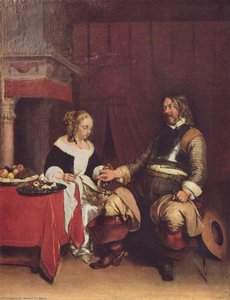
The Music Lesson
 Acrylic On Canvas
- WallArt
- Baroque
 69.0 x 58.0 cm
 Museo Statale Puschkin
 Leggi tutto
Giclée / Stampe d'arte
Stampa giclée o su tela di qualità museale, con produzione rapida e diverse opzioni di finitura. ( Ordina la riproduzione dipinta a mano Passa all'immagine digitale)




P118B $10

P118H $10

P118W $10

P438Z $10

P508JH $12

P508YH $12

P805H $10

P805Z $10

P919BZ $10

P919G $10

P919XJ $10

P959ZH $10

P968JZ $12

W106C $8

W218G $10

W218JH $8

W218Y $10

W307PJ $10

W316G $10

W316PJ $8

W316Y $10

W398PJ $8

W4111J $10

W500HY $15

W500JH $15

W692G $12

W849H $8

W940BG $15

W953PJ $8




Scegli tra le nostre dimensioni predefinite, che rispettano le proporzioni originali dell'opera d'arte.

È possibile inserire dimensioni personalizzate per adattare l'opera a una cornice o a uno spazio specifico. Se la dimensione selezionata non corrisponde alle proporzioni dell'immagine originale, procederemo al ritaglio dell'opera o all'estensione dell'immagine con un bordo specchiato o a tinta unita. Un mockup digitale ti verrà inviato per approvazione prima dell'inizio della produzione.
Si prega di notare che l'anteprima a schermo non riflette il ritaglio o l'estensione effettivi. Solo il mockup mostrerà accuratamente la composizione finale.
Sebbene siano disponibili dimensioni personalizzate, si raccomanda di selezionare una dimensione dall'elenco predefinito per preservare le proporzioni originali.
Consegna in tutto il mondo () in 2 settimane invece delle normali 4/5 settimane. (20 Settembre)

Spedizione espressa gratuita in tutto il mondo

Tela in lino di alta qualità

Assicurazione completa sulla spedizione

Garanzia di rimborso dei dazi doganali

Garanzia di perfetta fedeltà cromatica

Politica di reso entro 100 giorni (solo per difetti di fabbricazione)

Garanzia di rimborso al 100%

Sconto per acquisti multipli
 L'opzione vetro è disponibile solo per dimensioni inferiori a 110 cm

The Music Lesson
Giclée / Stampe d'arte
Dimensioni della riproduzione
-


Prezzo totale
$ 80
The Music Lesson: A Portrait of Intimacy and Artistic Mastery
Gerard ter Borch’s “The Music Lesson,” painted around 1670, is not merely a depiction of a musical scene; it's a profound exploration of human connection, quiet contemplation, and the subtle dance between instruction and absorption. This small-scale masterpiece, now residing within The Art Institute of Chicago, offers an intimate glimpse into a private moment, revealing layers of psychological depth rarely found in Dutch genre paintings of its era. Ter Borch’s genius lies not just in his technical skill—the meticulous rendering of fabrics, the delicate modeling of faces—but in his ability to capture the unspoken narratives that reside within seemingly simple scenes.
The painting centers on a young woman, poised at a table draped with a richly patterned rug, her attention entirely focused on the double-headed lute before her. Her posture suggests both eagerness and slight uncertainty as she receives instruction from a man standing behind her. He’s not aggressively teaching; rather, he seems to be subtly guiding, his hand lightly resting upon her shoulder – a gesture of gentle encouragement rather than forceful direction. The room itself is bathed in soft light filtering through a window, creating an atmosphere of warmth and domestic tranquility. Notice the details: the partially open window, hinting at the outside world, the tiled floor reflecting the light, and the carefully arranged objects—a jug of water, a small stool – all contributing to a sense of lived-in comfort.
A Window into 17th-Century Dutch Life
“The Music Lesson” is firmly rooted in the artistic conventions of the Dutch Golden Age. Ter Borch was a pioneer in capturing everyday life with remarkable realism and psychological acuity, moving beyond the grand historical narratives favored by many of his contemporaries. He specialized in scenes featuring members of the upper class—merchants, military officers, and women—engaged in quiet domestic activities. This focus on intimate portraits offered a refreshing contrast to the often-heroic depictions of Dutch history. The painting reflects the burgeoning interest in realism and humanism that characterized the period, as artists sought to portray the complexities of human experience with greater honesty and nuance.
The inclusion of musical instruments—the lute, a symbol of refinement and learning—underscores the importance of culture and education within Dutch society. Music was not simply entertainment; it was considered an essential part of a well-rounded upbringing, particularly for young women. The scene subtly suggests the role of music in shaping character and fostering social connections. Furthermore, the presence of another man in the background, partially obscured by the window curtain, hints at a potential romantic interest or a more complex relationship between the two figures – adding an element of intrigue to the otherwise serene composition.
Technique and Artistic Detail
Ter Borch’s technical mastery is immediately apparent. He employed a meticulous approach to rendering texture, evident in the intricate folds of the rug, the delicate sheen of the lute strings, and the subtle variations in the fabric of the woman's dress. His use of light and shadow creates a sense of depth and volume, drawing the viewer’s eye into the scene. The artist’s palette is restrained yet sophisticated, dominated by earthy tones—browns, ochres, and grays—that contribute to the painting’s overall atmosphere of quiet intimacy. Notably, Ter Borch was known for his use of *pointillé*, a technique involving numerous tiny dots to create texture and form – this is particularly evident in the rendering of the fabrics.
The artist's attention to detail extends beyond mere representation; he seems to be conveying an emotional atmosphere. The woman’s slightly furrowed brow, her focused gaze, and the man’s gentle gesture all suggest a moment of intense concentration and quiet understanding. It is this ability to capture subtle nuances of emotion that elevates “The Music Lesson” from a simple genre scene to a profound meditation on human connection.
Symbolism and Emotional Resonance
Beyond its immediate depiction, "The Music Lesson" resonates with deeper symbolic meanings. The act of teaching itself represents the transmission of knowledge, values, and traditions – a cornerstone of societal stability. The music serves as a metaphor for harmony and balance, while the quiet intimacy of the scene suggests a world beyond the public sphere. The painting’s enduring appeal lies in its ability to evoke feelings of nostalgia, curiosity, and a sense of shared humanity. It invites us to contemplate the beauty of simple moments and the power of human connection.
Reproductions of “The Music Lesson” offer a remarkable opportunity to bring this exquisite artwork into your home or office. Whether you are an art enthusiast, a collector seeking a unique addition to your collection, or simply someone who appreciates beautiful and evocative imagery, this painting is sure to captivate and inspire.
Biografia dell'artista
Gerard ter Borch: Vita e Opere di un Maestro del Secolo d'Oro Olandese
Gerard ter Borch (Zwolle, dicembre 1617 – Deventer, 8 dicembre 1681) è stato un pittore olandese, figura chiave del periodo dell’età dell’oro. La sua abilità nel catturare la vita quotidiana e i dettagli intimi lo ha reso uno dei più apprezzati artisti del suo tempo.
Primi Anni e Formazione
Gerard ter Borch nacque a Zwolle, in una famiglia di artisti. Suo padre, Gerard ter Borch il Vecchio, fu un pittore e poeta che gli fornì le prime istruzioni artistiche. Ter Borch dimostrò presto un talento eccezionale, viaggiando per l'Europa tra il 1632 e il 1650. Questi viaggi lo esposero a diverse influenze artistiche, tra cui quelle italiane, spagnole e francesi. Studiò con Pieter de Molijn ad Haarlem e trascorse del tempo a Londra, Roma e Münster.
Stile Artistico e Tematiche
Lo stile di ter Borch è caratterizzato da un realismo attento ai dettagli, una luce soffusa e una composizione equilibrata. I suoi dipinti spesso raffigurano scene di vita quotidiana, come interni domestici, ritratti e momenti di conversazione. Un elemento distintivo del suo lavoro è la capacità di catturare l'atmosfera intima e psicologica dei soggetti rappresentati.
- Scene di genere: Ter Borch eccelleva nella pittura di scene di genere, raffigurando attività quotidiane con grande accuratezza e sensibilità.
- Ritratti: Realizzò anche numerosi ritratti, sia individuali che di gruppo, caratterizzati da una resa fedele dei tratti somatici e dell'espressione psicologica.
- Influenze: Il suo stile fu influenzato da artisti come Pieter Codde e Willem Duyster, ma sviluppò un linguaggio pittorico personale e originale.
Opere Principali e Riconoscimenti
Tra le opere più significative di Gerard ter Borch si annoverano:
- La Lettera: Un esempio emblematico della sua abilità nel rappresentare la luce e le texture.
- Conversazione Galante: Incisa da Johann Georg Wille, quest'opera dimostra la capacità dell’artista di comunicare emozioni sottili.
- L'Arrivo di Adriaan Pauw a Münster: Un dipinto storico che testimonia la sua abilità narrativa.
- Ragazza in Costume Contadino: Un ritratto intimo che cattura la bellezza della vita quotidiana.
Ter Borch ottenne un notevole successo durante la sua vita, diventando membro del consiglio cittadino di Deventer e godendo della stima dei suoi contemporanei.
Eredità e Influenza
L'opera di Gerard ter Borch ha esercitato una profonda influenza su numerosi pittori olandesi, tra cui Gabriel Metsu, Gerrit Dou, Eglon van der Neer e Johannes Vermeer. La sua attenzione ai dettagli, la sua capacità di creare atmosfere intime e il suo realismo attento hanno contribuito a definire l'estetica del periodo dell’età dell’oro olandese. Ter Borch è oggi considerato uno dei maestri indiscussi della pittura olandese del XVII secolo.

Gerard ter Borch
1617 - 1681 , Paesi Bassi
Informazioni rapide
- Artisti Influenti:
- Pieter de Molijn
- Willem Cornelisz Duyster
- Artisti Influenzati:
- Gabriel Metsu
- Gerrit Dou
- Eglon van der Neer
- Johannes Vermeer
- Data Di Nascita: Dicembre 1617
- Luogo Di Nascita: Zwolle, Paesi Bassi
- Movimento Artistico: Pittura di genere olandese
- Nazionalità: Olandese
- Nome Completo: Gerard ter Borch
- Opere Notevoli:
- La lettera
- Conversazione galante
- Uomo a cavallo (1634)
- Arrivo di Adrian Pauw a Münster
Articoli correlati

Golden Age Reflections: Dutch Baroque Painting & Cultural Innovation
Explore the Dutch Golden Age of painting! Discover key artists like Vermeer & ter Borch, their innovative techniques, and the rich cultural context behind these Baroque masterpieces. Learn about collecting & appreciating this iconic art period.

Mastering Light & Shadow: A Journey Through the Dutch Golden Age's Luminous Legacy
Embark on a cultural journey through the Dutch Golden Age. Explore the masterful interplay of light and shadow in 17th-century masterpieces, from Rembrandt to Vermeer, and discover how this era of profound realism continues to inspire fine art collectors today.

I 10 Capolavori dell'Età d'Oro Olandese: Arte, Storia e Stile per la Tua Casa
Esplora i 10 capolavori dell'Età d'Oro Olandese con ! Rembrandt, Vermeer e altri maestri rivivono in dipinti iconici. Scopri storia, tecnica e colori di opere senza tempo per arredare la tua casa con arte di qualità museale. Esplora la collezione online!

Gerard ter Borch: Intimità e Luce nell'Età dell'Oro Olandese
Esplora il mondo di Gerard ter Borch, maestro dell'Età dell'Oro olandese. Analisi approfondita del suo stile pittorico, le scene di genere e l'uso magistrale della luce. Scopri i simboli nascosti nelle sue opere e la sua eredità artistica.

Golden Light & Dutch Skies: The Timeless Magic of Dutch Golden Age Landscapes
Discover the breathtaking beauty of Dutch Golden Age landscapes. Explore the mastery of light, chiaroscuro, and 17th-century realism through an expert art history lens, celebrating the enduring legacy of the Dutch Masters for discerning collectors and art lovers.