

 Anteprima in scala reale
 Invia
Invia Condividi
 Dettagli opera

 Scarica immagine
 Simili
 Radiografia
 Slideshow
The Bridge
 Expressionism
 1945
1945 64.0 x 55.0 cm
 Espandi i dettagli
Riproduzione a olio fatta a mano
Olio su tela dipinto a mano nelle tue dimensioni e con la tua cornice, realizzato su ordinazione dai nostri artisti. ( Acquista stampa Acquista immagine)




































Scegli tra le nostre dimensioni predefinite, che rispettano le proporzioni originali dell'opera d'arte.

È possibile inserire dimensioni personalizzate per adattare l'opera a una cornice o a uno spazio specifico. Se la dimensione selezionata non corrisponde alle proporzioni dell'immagine originale, provvederemo a ritagliare l'opera o a estendere il dipinto con elementi aggiuntivi dipinti a mano. Un mockup digitale ti sarà inviato per approvazione prima dell'inizio della produzione.
Si prega di notare che l'anteprima a schermo non riflette il ritaglio o l'estensione effettivi. Solo il mockup mostrerà accuratamente la composizione finale.
Sebbene siano disponibili dimensioni personalizzate, consigliamo di selezionare una dimensione dall'elenco predefinito per preservare le proporzioni originali.
Dopo l'ordine, il team di OriginalUniqueArt.com contatterà il cliente via e-mail per le istruzioni e fornirà un'anteprima del mockup
Consegna in tutto il mondo () in 3/4 settimane anziché nelle normali 5 settimane. (30 Agosto). Nessun compromesso sulla qualità.

Spedizione espressa gratuita in tutto il mondo

Tela in lino di alta qualità

Assicurazione completa sulla spedizione

Garanzia di rimborso dei dazi doganali

Garanzia di fedeltà cromatica

Politica di reso entro 60 giorni (solo per difetti di fabbricazione)

Garanzia di rimborso al 100%

Offerta per acquisti multipli
 L'opzione vetro è disponibile solo per dimensioni inferiori a 110 cm

The Bridge
Tecnica di riproduzione
Dimensioni riproduzione
-


Prezzo totale calcolato
$ 300
Biografia dell'artista
The Architect of Fragments: The Life and Legacy of George Hannah
Born in 1904 amidst the intellectual ferment of Berlin, Germany, George Hannah entered a world where the boundaries of reality were being aggressively redrawn. As the son of Wilhelm Hannah, a renowned architect, the young artist was raised in an environment that prioritized spatial design and the structural integrity of visual representation. This early exposure to the precision of architecture would later serve as a profound, albeit subversive, foundation for his work. While his father built permanent structures of stone and steel, George sought to deconstruct the very fabric of modern perception, eventually establishing himself as a pivotal figure within the radical movements of the Weimar Republic.
Hannah’s artistic journey was deeply intertwined with the turbulent socio-political landscape of early 20th-century Germany. His formal training at the Kunstgewerbeschule Berlin (School of Applied Arts) provided him with a rigorous command of painting and printmaking, yet his spirit gravitated toward the avant-garde rebellions of his era. By 1920, he had joined the legendary Berlin Dada group, finding common cause with visionaries such as Otto Dix, Kurt Schwitters, and Hannah Höch. Within this collective, Hannah embraced the concept of absurdity as a potent political weapon, utilizing the chaotic energy of the era to challenge bourgeois stability and the rising tide of nationalism.
The Revolution of the Cut: Technique and Symbolism
It was through the medium of photomontage that Hannah truly found his voice, transforming the artist's role from a creator of images to an editor of reality. By meticulously sourcing photographic prints from newspapers and magazines, he practiced a form of visual alchemy—fragmenting the polished propaganda of the day to reveal the underlying anxieties of a fractured society. His technique relied on the jarring juxtaposition of disparate elements, where a single composition could simultaneously evoke the mechanical coldness of industrialization and the visceral human struggle for identity.
< p>His work often functioned as a profound feminist critique and a commentary on gender roles, mirroring the explorations of his contemporary, Hannah Höch. Through the strategic layering of textures and perspectives, Hannah explored how societal structures imposed rigid identities upon the individual. His compositions were never merely aesthetic exercises; they were complex dialogues between the seen and the unseen, utilizing the following elements to convey meaning:- Fragmented Perspectives: The use of broken imagery to mirror the psychological fragmentation of post-war Europe.
- Juxtaposed Textures: Blending the smooth surfaces of mass-media photography with the raw, tactile qualities of printmaking.
- Symbolic Depth: Integrating architectural motifs and industrial shapes to represent the encroaching weight of modern civilization.
A Lasting Impression on Modernity
As the decades progressed and the political climate of Europe shifted, Hannah’s work continued to evolve, moving between the radical deconstruction of Dadaism and more expressive, singular explorations of form. His later works, such as the dramatic 1945 oil painting The Bridge, demonstrate a transition toward an expressionist depth, where heavy textures and stark contrasts evoke a sense of mystery and existential weight. This ability to pivot from the satirical sharpness of collage to the atmospheric intensity of oil painting highlights his versatility as a master of visual narrative.
Though he passed away in 1978, George Hannah’s contribution to the history of modern art remains indelible. He did not merely document his era; he dismantled it, piece by piece, and reassembled it into a mirror that forced viewers to confront the complexities of gender, politics, and the human condition. Today, his legacy lives on in the lineage of contemporary collage and political art, serving as a reminder that even in a world of fragments, there is profound truth to be found in the way we piece our reality together.

george hannah
1904 - 1978
Dati rapidi
- Artistic Movement Or Style: Photomontage Art
- Artists Or Movements Influenced By This Artist: ['Dada']
- Artists Who Influenced This Artist: ['Hannah Höch']
- Date Of Death: 1978
- Full Name: George Hannah
- Nationality: German
- Notable Artworks:
- The Bridge
- Figure in an Interior (recto)
- Two Girls Sitting at the Foot of a Flight of Stairs
- Place Of Birth: Germany
Articoli correlati

Georges Braque: I 25 Capolavori che Hanno Rivoluzionato l'Arte Moderna | OriginalUniqueArt
Esplora i 25 capolavori di Georges Braque, pioniere del Cubismo. Scopri la storia, le tecniche e l'impatto di opere iconiche come 'The Patience'. Trova riproduzioni d'arte di alta qualità per decorare casa tua su OriginalUniqueArt.com.

Georges Seurat: I 25 Capolavori che Rivoluzionarono la Pittura | OriginalUniqueArt
Esplora i 25 capolavori di Georges Seurat, il maestro del Pointillismo. Scopri la storia, le tecniche e l'emozione dietro dipinti iconici come 'Un dimanche à la Grande Jatte'. Trova riproduzioni d'arte di alta qualità per decorare casa tua su OriginalUniqueArt.com.
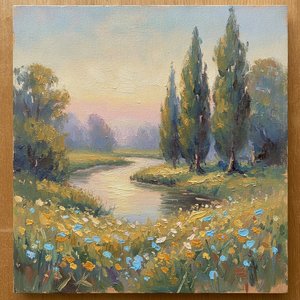
The Timeless Charm of Oil on Board: Reimagining Texture and Light through the Impressionist Lens
Discover the profound intimacy of oil on panel. Explore how Impressionist masters used rigid supports to capture light, texture, and impasto depth through exquisite, handmade oil reproductions for discerning collectors.
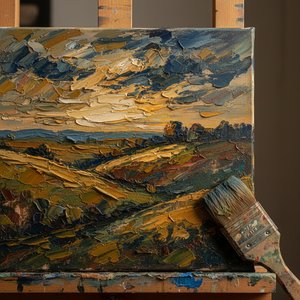
The Timeless Beauty of Oil on Canvas: A Masterclass in Texture, Impasto, and Artistic Mastery
Discover the profound allure of oil on canvas. Explore the mastery of impasto textures, the science of pigment longevity, and expert guides to selecting museum-quality reproductions that elevate your collection with timeless elegance and tactile depth.
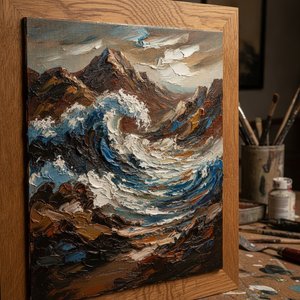
Oil on Panel: The Ultimate Guide to Bold, High-Impact Texture & Depth
Master the art of impact with our expert guide to oil on panel. Discover how impasto textures and heavy-body pigments create 3D depth and bold visual energy for modern interiors. Elevate your space with high-impact, hand-painted masterpieces designed for maximum aesthetic punch.

