The Alchemy of Pigment: Understanding the Soul of Oil on Canvas
To behold a true oil painting is to witness a silent, chemical dance that has captivated the human spirit for centuries. Unlike the ephemeral nature of digital media, the medium of oil offers a profound depth, born from the marriage of organic pigments and drying oils. This alchemy creates a substance that does not merely sit upon a surface but becomes part of it. When we speak of the soul of a painting, we refer to this slow-drying, translucent quality that allows an artist to blend colors with a seamlessness impossible in any other medium. Each stroke carries the weight of history, as the pigments settle into the fibers of heavy-duty cotton canvas, creating a richness that feels alive.
The true magic lies in the luminosity achieved through glazing—the application of thin, transparent layers that allow light to pass through the paint, hit the white primer, and reflect back to the viewer’s eye. This creates an inner glow, a spectral brilliance found in the works of the Old Masters. It is this very depth that distinguishes a genuine oil reproduction from a mere print; it is the difference between seeing a window and looking through one. In every drop of linseed or safflower oil, there is a promise of permanence, a commitment to capturing light and shadow in a way that transcends the fleeting moment.
The Architecture of Light: Exploring Impasto and Tactile Depth
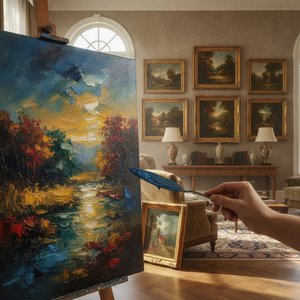
Beyond the subtle glazes lies the more muscular, structural side of oil painting: the technique known as impasto. If glazing is the breath of a painting, impasto is its heartbeat. This method involves applying paint in thick, heavy layers, often straight from the tube, to create a three-dimensionally textured surface. When an artist utilizes this technique, the canvas ceases to be a flat plane and becomes a topographical map of emotion. One can observe the ridges left by a palette knife or the rhythmic grooves of a stiff brush, which catch the ambient light of a room and cast tiny, microscopic shadows.
Consider the visceral impact of an abstract impasto work in forest green and white, where the texture lifts the composition off the wall, or a textured magnolia bloom that seems to pulse with life. This tactile dimension invites the viewer to engage not just visually, but physically. The light does not simply hit the painting; it interacts with it, dancing across the raised peaks of pigment. This architectural use of paint provides a sense of movement and energy, turning a static image into a dynamic experience that changes as the sun moves across the gallery or the living room.
From Sketch to Masterpiece: The Meticulous Layers of Professional Artistry
The creation of a museum-grade oil painting is an exercise in patience and disciplined craftsmanship. It is never a singular event, but a rhythmic progression of stages, each vital to the structural integrity of the final work. The process begins with a rigorous assessment and the preparation of the substrate, ensuring the canvas is primed with flexible gesso to prevent future cracking. Following this, a digital mockup or initial sketch provides the blueprint, establishing the composition’s balance and tonal values before a single drop of permanent pigment is laid.
As the artist moves into the painting phase, they embark on a journey of layering. A masterwork may consist of five to ten distinct layers, each requiring sufficient drying time to ensure stability. This methodical approach allows for the correction of errors and the gradual building of complexity. The artist carefully manages the chemistry of the work, perhaps using specific oils like safflower for whites to prevent the dreaded yellowing that plagues lesser works. Only once the final layer is meticulously applied and a protective coat of Damar varnish is added does the painting reach its zenith, ready to be presented as a finished testament to human skill.
Beyond the Frame: Integrating Textured Art into Modern Interiors
In the contemporary home, art serves as the emotional anchor of interior design. The integration of textured oil paintings offers a way to break the monotony of flat, modern surfaces. A large-format multi-panel set, for instance, can transform a wide hallway or a grand staircase, with brushstrokes that flow seamlessly across three or five panels to create a cohesive architectural statement. These pieces do more than decorate; they define the atmosphere, providing a focal point that commands attention and invites contemplation.
Whether it is a bold, terracotta and olive abstract that complements a minimalist aesthetic or a lush, classical landscape that adds warmth to a traditional study, the key lies in the interplay of texture and space. For the discerning collector, the ability to customize art—perhaps by requesting a "period shift" where a modern memory is reimagined in the light-drenched style of Monet—allows for a deeply personal connection to one's environment. Art becomes a bridge between the historical grandeur of the past and the sophisticated comforts of the present.
Preserving the Legacy: The Science of Longevity and Art Conservation
To invest in an oil painting is to invest in a legacy. However, the very elements that make oil paint so beautiful—its organic nature and thick texture—require careful stewardship. True mastery in art production extends far beyond the final brushstroke; it encompasses the science of preservation. The use of high lightfastness pigments ensures that the vibrant blues and deep ochres do not fade into obscurity under the gaze of time. Furthermore, the application of professional-grade varnishes serves as a vital shield against the atmospheric pollutants, dust, and moisture that threaten the surface.
For those housing these treasures, understanding the principles of conservation is essential. Protecting a masterpiece from direct, harsh sunlight and utilizing acid-free matting for framed works are simple yet profound acts of care. When art is treated with the respect its creation demands, it ceases to be a mere object and becomes an heirloom. Through the careful application of chemistry and tradition, we ensure that the textures, colors, and emotions captured on canvas remain as vivid for future generations as they were the moment the artist lifted their brush from the cloth.
The OriginalUniqueArt Legacy
At OriginalUniqueArt.com, we are dedicated to preserving this profound tradition of human creativity. Since our inception, we have bridged the gap between the grandeur of the Old Masters and the modern collector, offering everything from exquisite Giclée prints to bespoke, hand-painted oil masterpieces. Our artists, many of whom hold degrees from prestigious Fine Arts academies, work with unparalleled precision to ensure every stroke reflects the soul of the original. Whether you are seeking a custom portrait from a personal photograph or a large-scale mural to transform a hotel space, our commitment to quality, transparency, and global excellence remains steadfast. We invite you to explore our vast library and join a global community of art enthusiasts who value the timeless beauty of true artistry.