

 Anteprima in scala reale
 Condividi
 Condividi
 Dettagli
 Guida stampabile

 Scarica
 Articoli simili
 Radiografia
 Slideshow
 Statistiche
Suicide
 Acrylic On Canvas
- WallArt
- Expressionist Satire
 1916
1916- 19th Century
 100.0 x 77.0 cm
 Leggi tutto
L'opera d'arte visualizzata in questa pagina è protetta dalle leggi sul diritto d'autore, il che significa che non possiamo legalmente creare o vendere una riproduzione identica. Tale protezione è garantita da accordi internazionali quali la Convenzione di Berna e dalle leggi nazionali, incluse quelle stabilite da Legge sul copyright degli Stati Uniti - Titolo 17. Tutti i diritti riservati. Le immagini presenti su questo sito sono protette da copyright e non possono essere riprodotte o utilizzate senza l'autorizzazione scritta di WahooArt.com o dei rispettivi proprietari del copyright.
Questo metodo è pienamente conforme alle normative sul diritto d'autore poiché non prevede la copia o la duplicazione dell'opera protetta. Si tratta invece di una rielaborazione creativa: un nuovo dipinto che trae ispirazione dall'originale, senza tuttavia esserne identico.
Giclée / Stampe d'arte
Stampa giclée o su tela di qualità museale, con produzione rapida e diverse opzioni di finitura. ( Ordina la riproduzione dipinta a mano Passa all'immagine digitale)




P118B €10

P118H €10

P118W €10

P438Z €10

P508JH €12

P508YH €12

P805H €10

P805Z €10

P919BZ €10

P919G €10

P919XJ €10

P959ZH €10

P968JZ €12

W106C €8

W218G €10

W218JH €8

W218Y €10

W307PJ €10

W316G €10

W316PJ €8

W316Y €10

W398PJ €8

W4111J €10

W500HY €15

W500JH €15

W692G €12

W849H €8

W940BG €15

W953PJ €8




Scegli tra le nostre dimensioni predefinite, che rispettano le proporzioni originali dell'opera d'arte.

Inserisci la larghezza e l'altezza desiderate, per adattarle alla tua cornice o alla tua parete. Una stampa può essere solo ritagliata, mai resa più grande dell'immagine originale; pertanto, un formato con una forma differente comporterà la perdita di una parte dell'opera. Ti invieremo un mockup digitale da approvare prima di procedere con la stampa. L'immagine mostrata in questa pagina non rappresenta il ritaglio reale — solo il mockup lo mostra.
Consegna in tutto il mondo () in 2 settimane invece delle normali 4/5 settimane. (22 Ottobre)

Spedizione espressa gratuita in tutto il mondo

Tela in lino di alta qualità

Assicurazione completa sulla spedizione

Garanzia di rimborso dei dazi doganali

Garanzia di perfetta fedeltà cromatica

Politica di reso entro 100 giorni (solo per difetti di fabbricazione)

Garanzia di rimborso al 100%

Sconto per acquisti multipli
 L'opzione vetro è disponibile solo per dimensioni inferiori a 110 cm

Suicide
Giclée / Stampe d'arte
Dimensioni della riproduzione
-


Prezzo totale
€ 70
A Descent into Despair: George Grosz's "Suicide"
George Grosz’s “Suicide,” painted in 1916, is not merely a depiction of death; it’s a raw, unflinching scream against the moral and societal collapse engulfing Germany during the tumultuous years preceding World War I. Executed on canvas measuring 100 x 77 cm, this work embodies Grosz's signature style – a brutal synthesis of social satire and Expressionist fervor. The scene unfolds with a chilling realism: a man lies prone, head buried in his hands, suggesting an act of self-destruction, while surrounding figures react with varying degrees of apathy, grief, or morbid curiosity. This isn’t a romanticized tragedy; it's a stark confrontation with the anxieties and disillusionment that permeated Weimar Berlin.
The Anatomy of Disillusionment: Style and Technique
Grosz’s technique is immediately recognizable – characterized by jagged lines, distorted forms, and a deliberately unsettling palette dominated by somber browns, greys, and muted reds. He employs a heavily textured surface, achieved through thick impasto application of paint, which adds to the painting's visceral impact. The figures are rendered with an almost caricature-like quality, exaggerating features to amplify their emotional states. Notice the meticulous detail in the open umbrella held by one figure – a seemingly insignificant element that subtly underscores the scene’s bleakness and perhaps hints at a futile attempt to shield oneself from the storm of despair. The use of strong diagonals creates a sense of unease and instability, mirroring the fractured state of society depicted.
Historical Context: Weimar Berlin and the Seeds of Destruction
"Suicide" was created during a period of profound social and political upheaval in Germany. The Weimar Republic, born from the ashes of the German Empire, struggled to establish itself amidst economic instability, hyperinflation, and rampant political extremism. Grosz’s art served as a scathing critique of this era, exposing the corruption, moral decay, and disillusionment that fueled the rise of fascism. The presence of the two dogs adds another layer of interpretation – perhaps symbolizing loyalty betrayed or the primal instincts unleashed by societal breakdown. The year 1916 was particularly fraught with tension, marked by ongoing war efforts and growing social unrest, making this painting a potent reflection of the anxieties of the time.
Symbolism and Emotional Resonance
Beyond its immediate depiction of suicide, “Suicide” is laden with symbolic weight. The figures represent not just individuals but broader societal forces – the indifference of the wealthy, the paralysis of bureaucracy, and the destructive consequences of unchecked ambition. The overall atmosphere is one of profound sadness and hopelessness, a feeling intensified by Grosz’s masterful use of light and shadow. This artwork continues to resonate with viewers today, serving as a timeless reminder of the fragility of human existence and the enduring power of art to confront uncomfortable truths. It's a powerful statement on the human condition, rendered with unflinching honesty and artistic brilliance.
Domande e risposte
Quanto è satura la tavolozza di "Suicide"?
La tavolozza di "Suicide" ha una saturazione Balanced Soft.
Quale tecnica è stata utilizzata per "Suicide" di George Grosz?
"Suicide" è realizzata in Acrylic On Canvas.
Esiste una scheda informativa su "Suicide" di George Grosz per gli studenti?
La pagina Schede didattiche di "Suicide" di George Grosz offre una scheda informativa stampabile in due fogli: l'opera d'arte con la sua tabella identificativa, una linea temporale decennale che la colloca nel periodo di vita dell'artista, altre opere dello stesso autore, la tavolozza dei colori misurata e citazioni pronte per essere copiate in quattro stili diversi.
Biografia dell'artista
Primi anni e influenze
George Grosz, nato Georg Ehrenfried Groß il 26 luglio 1893 a Berlino, Germania, crebbe in una famiglia luterana devota, con un padre proprietario di un pub. Dopo la morte del padre nel 1901, sua madre divenne responsabile della sala ufficiali degli ussari locali. La sua infanzia fu segnata da questa transizione e dall'inizio del suo percorso artistico sotto la guida di un pittore locale di nome Grot. Si dedicò allo studio meticoloso delle scene di bevute ed immaginarie battaglie di Eduard von Grützner, affinando le sue abilità attraverso la copia.Sviluppo Artistico e Formazione
Grosz proseguì i suoi studi all'Accademia di Belle Arti di Dresda (1909-1911) e successivamente al College of Arts and Crafts di Berlino. Queste esperienze formative contribuirono a plasmare il suo stile artistico distintivo, influenzato da diverse correnti artistiche del tempo.Opere Principali e Stile
- La Fossa (Das Schicksal): Un'opera emblematica del dadaismo di Grosz, che rappresenta una visione caotica e critica della società tedesca.
- L’Agitatore: Un dipinto surrealista che fonde il caos dell'epoca con colori vivaci e un forte commento sociale.
- I Pilastri della Società: Una satira pungente della borghesia tedesca, caratterizzata da figure grottesche e deformate.
- Il Dottor Billig: Uno schizzo satirico che critica l'élite e la medicina con distorsione espressionista e un commento sociale tagliente.
Esilio negli Stati Uniti e Eredità
Nel 1933, Grosz emigrò negli Stati Uniti, diventando cittadino naturalizzato nel 1938. Insegnò alla Art Students League of New York e continuò a esporre le sue opere fino al suo ritorno a Berlino, dove morì il 6 luglio 1959. La sua eredità continua ad essere celebrata attraverso le sue opere, che si trovano in numerosi musei in Germania e nel mondo. Grosz è ricordato come un artista coraggioso e innovativo, capace di esprimere con forza e originalità la sua visione critica della realtà.Appartenenza a Movimenti Artistici
- Dadaismo: Grosz fu una figura chiave nel movimento Dada berlinese, condividendone l'atteggiamento iconoclasta e il rifiuto delle convenzioni artistiche tradizionali.
- Nuova Oggettività (Neue Sachlichkeit): Successivamente aderì al movimento della Nuova Oggettività, che si caratterizzava per una rappresentazione realistica e critica della società tedesca del dopoguerra.
Collezioni Museali
Le opere di Grosz sono esposte in importanti musei, tra cui:- Kunstsammlungen und Museen Augsburg
- Kunsthalle Bielefeld
- Peggy Guggenheim Collection (Venezia)
- Whitney Museum of American Art (New York)
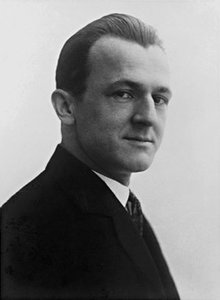
George Grosz
1893 - 1959 , Germania
Informazioni rapide
- Artisti Influenti: ['Eduard von Grützner']
- Data Di Nascita: 26 luglio 1893
- Luogo Di Nascita: Berlino, Germania
- Movimento Artistico: Dadaismo, Nuova Oggettività
- Nazionalità: Tedesca, Americana
- Nome Completo: George Grosz
- Opere Notevoli:
- La fossa
- L'Agitatore
- I Pilastri della Società
- Attacco
- La Città
Articoli correlati

OriginalUniqueArt.com F.A.Q.: Elevate Your Decor with Premium Textured Giclée Prints
Discover the distinction of OriginalUniqueArt.com premium textured Giclée prints. Expertly crafted with archival 12-color pigments and museum-grade substrates, our prints offer unparalleled vividness for the discerning collector seeking luxury, durability, and timeless elegance.


