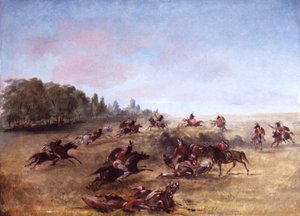
Anteprima in scala reale
 Condividi
 Condividi
 Dettagli
 Guida stampabile

 Scarica
 Articoli simili
 Radiografia
 Slideshow
 Statistiche
Há-tchoo-túc-knee, Snapping Turtle, a Half-breed
 Olio su tela
- Opere da parete
- Realism
 1834
1834 73.0 x 60.0 cm
 Smithsonian American Art Museum
 Leggi tutto
Giclée / Stampe d'arte
Stampa giclée o su tela di qualità museale, con produzione rapida e diverse opzioni di finitura. ( Ordina la riproduzione dipinta a mano Passa all'immagine digitale)




P118B €10

P118H €10

P118W €10

P438Z €10

P508JH €12

P508YH €12

P805H €10

P805Z €10

P919BZ €10

P919G €10

P919XJ €10

P959ZH €10

P968JZ €12

W106C €8

W218G €10

W218JH €8

W218Y €10

W307PJ €10

W316G €10

W316PJ €8

W316Y €10

W398PJ €8

W4111J €10

W500HY €15

W500JH €15

W692G €12

W849H €8

W940BG €15

W953PJ €8




Scegli tra le nostre dimensioni predefinite, che rispettano le proporzioni originali dell'opera d'arte.

Inserisci la larghezza e l'altezza desiderate, per adattarle alla tua cornice o alla tua parete. Una stampa può essere solo ritagliata, mai resa più grande dell'immagine originale; pertanto, un formato con una forma differente comporterà la perdita di una parte dell'opera. Ti invieremo un mockup digitale da approvare prima di procedere con la stampa. L'immagine mostrata in questa pagina non rappresenta il ritaglio reale — solo il mockup lo mostra.
Consegna in tutto il mondo () in 2 settimane invece delle normali 4/5 settimane. (24 Ottobre)

Spedizione espressa gratuita in tutto il mondo

Tela in lino di alta qualità

Assicurazione completa sulla spedizione

Garanzia di rimborso dei dazi doganali

Garanzia di perfetta fedeltà cromatica

Politica di reso entro 100 giorni (solo per difetti di fabbricazione)

Garanzia di rimborso al 100%

Sconto per acquisti multipli
 L'opzione vetro è disponibile solo per dimensioni inferiori a 110 cm

Há-tchoo-túc-knee, Snapping Turtle, a Half-breed
Giclée / Stampe d'arte
Dimensioni della riproduzione
-


Prezzo totale
€ 70
The Visionary’s Gaze: George Catlin and the Soul of the Plains
George Catlin's “Há-tchoo-túc-knee, Snapping Turtle, a Half-breed,” painted in 1834, isn’t merely a portrait; it’s a carefully constructed window into a vanishing world. This arresting image transcends the simple depiction of an individual, becoming instead a poignant meditation on identity, cultural exchange, and the encroaching tide of Western expansion. Catlin, driven by a deep empathy for Native American tribes facing relentless displacement, embarked on a radical artistic project: to capture their essence not through romanticized stereotypes, but with unflinching honesty and profound respect. The painting’s power lies in its ability to convey both the subject's inherent dignity and the complex circumstances of his existence as a ‘half-breed,’ caught between two worlds.

A Man of Two Worlds: Symbolism and Portraiture
The subject himself is immediately compelling – a man radiating quiet strength and contemplative awareness. His posture, seated with folded arms, suggests both dignity and a certain weariness, hinting at the burdens carried by someone navigating a world that doesn’t fully accept him. The vibrant blue jacket, adorned with intricate red designs, speaks to his status and perhaps a connection to tribal traditions – a visual assertion of belonging within a complex social landscape. The feathered headdress, a potent symbol of leadership and spiritual authority, elevates the figure beyond a simple portrait; it's a declaration of heritage. The snapping turtle itself, rendered with remarkable detail, is not just an animal subject but a powerful emblem of the American West – a resilient creature embodying the spirit of survival in a harsh environment.
Catlin’s technique is characterized by his signature “border painting” style. He deliberately left unpainted areas around the figure, creating a sense of depth and drawing attention to the subject's form. This technique, coupled with his use of bold colors and expressive brushstrokes, imbues the portrait with a dynamic energy that belies its stillness. The muted background serves as a deliberate framing device, emphasizing the individual’s presence and directing the viewer’s gaze directly upon him.
Historical Context: A Bridge Between Cultures
“Há-tchoo-túc-knee, Snapping Turtle, a Half-breed” was created during a pivotal moment in American history – the era of westward expansion and the systematic displacement of Native American tribes. Catlin’s work represents a crucial attempt to document these cultures before they were irrevocably lost. He wasn't simply an observer; he actively sought to understand and portray the lives, customs, and beliefs of the people he encountered. His travels through the Plains territories provided him with unparalleled access to indigenous communities, allowing him to capture their essence in a way that few artists had previously attempted. The painting reflects the complex realities of this period – the blending of cultures, the tensions between tradition and modernity, and the tragic consequences of colonization.
A Legacy of Representation: Reproduction and Artistic Impact
Today, “Há-tchoo-túc-knee, Snapping Turtle, a Half-breed” stands as a testament to Catlin’s artistic vision and his commitment to preserving the stories of Native American tribes. OriginalUniqueArt offers meticulously crafted hand-painted reproductions that faithfully capture the painting's original detail and emotional resonance. These reproductions provide an opportunity to bring this powerful work into your home or office, serving not only as a beautiful piece of art but also as a reminder of a complex and often overlooked chapter in American history. The reproduction allows you to appreciate Catlin’s masterful use of color, composition, and symbolism, while simultaneously honoring the legacy of the subject he so powerfully depicted.
Domande e risposte
"Há-tchoo-túc-knee, Snapping Turtle, a Half-breed" di George Catlin utilizza forti contrasti o armonie delicate?
In "Há-tchoo-túc-knee, Snapping Turtle, a Half-breed", un Delicato contrasto si sposa con una Forte unità cromatica armonia.
In quale ambiente della casa si adatterebbe bene una riproduzione di "Há-tchoo-túc-knee, Snapping Turtle, a Half-breed"?
Lo spazio consigliato per "Há-tchoo-túc-knee, Snapping Turtle, a Half-breed" di George Catlin è un Zona giorno. Il suggerimento può naturalmente essere adattato ai vostri interni.
Che livello di saturazione del colore ha "Há-tchoo-túc-knee, Snapping Turtle, a Half-breed" di George Catlin?
"Há-tchoo-túc-knee, Snapping Turtle, a Half-breed" di George Catlin è registrato con una saturazione Sfumature delicate.
Biografia dell'artista
La Vita e l'Opera di George Catlin: Un Testimone dell'America Nativa
- Nascita: 26 luglio 1796, Wilkes-Barre, Contea di Luzerne, Pennsylvania
- Morte: 23 dicembre 1872
- La passione di Catlin per i nativi americani fu alimentata dai racconti della madre sulla frontiera occidentale e sul suo rapimento da parte di una tribù.
- I primi lavori includevano incisioni di siti lungo il percorso del Canale Erie nello stato di New York, pubblicate nel "Memoir" di Cadwallader D. Colden.
Contributi Artistici e Stile
- L'obiettivo principale di Catlin divenne quello di documentare la vita e la cultura dei nativi americani attraverso la pittura.
- Realizzò cinque spedizioni nel West americano durante gli anni '30, osservando meticolosamente e registrando le sue esperienze.
- Opere Notabili:
- Ball-Play of the Choctaw – Dimostra l'attenzione ai dettagli e la capacità di catturare la cultura nativa americana.
- Mó-sho-la-túb-bee, he who puts out and kills, chief of the tribe – Evidenzia l'abilità nel ritratto e la dedizione alla preservazione del patrimonio culturale.
- A Seminole Woman – Sottolinea la capacità di catturare bellezza e dignità.
- Stile: Lo stile di Catlin è caratterizzato dal realismo, dai colori vivaci e dal desiderio di rappresentare accuratamente le usanze e le tradizioni dei nativi americani. Spesso includeva sfondi dettagliati e paesaggi per fornire contesto ai suoi soggetti.
Realizzazioni Principali e la Indian Gallery
- Catlin creò un'estesa collezione di oltre 500 dipinti che raffiguravano varie tribù e aspetti della loro vita.
- Ha compilato questi lavori in quella che divenne nota come "Indian Gallery", un registro visivo completo della cultura nativa americana.
- La Indian Gallery fu esposta a Londra, Parigi e Berlino, ottenendo riconoscimento internazionale per il lavoro di Catlin.
- Le sue pubblicazioni, tra cui Manners, Customs, and Condition of the North American Indians (1841) e Last Rambles Amongst the Indians of the Rocky Mountains and the Andes (1868), consolidarono ulteriormente la sua reputazione di autorità sulla cultura nativa americana.
Ultimi Anni e Significato Storico
- Catlin trascorse i suoi ultimi anni cercando di vendere la sua Indian Gallery al governo degli Stati Uniti, affrontando iniziali rifiuti.
- Ricreò oltre 400 dipinti in una "collezione di cartoni".
- Nonostante le sfide, il lavoro di Catlin ha avuto un impatto duraturo su come i nativi americani sono rappresentati nell'arte e nella cultura popolare.
- Significato Storico: La meticolosa documentazione di Catlin fornisce preziose informazioni sulla vita delle tribù native americane prima dei significativi cambiamenti culturali dovuti all'espansione verso ovest. Il suo lavoro è considerato un importante risultato storico oltre che artistico.
Influenze e Ulteriori Informazioni

George Catlin
1796 - 1872 , Stati Uniti d'America
Informazioni rapide
- Artistic Movement Or Style: Pittura di frontiera
- Date Of Birth: 26 luglio 1796
- Date Of Death: 23 dicembre 1872
- Full Name: George Catlin
- Nationality: Americano
- Notable Artworks:
- Ball-play dei Choctaw
- Mó-sho-la-túb-bee, Capo
- Una donna Seminola
- Place Of Birth: Wilkes-Barre, Stati Uniti
Articoli correlati
Henry Farny: Romantic Visions of the American West & Indigenous Life
Explore the evocative paintings of Henry Farny, renowned for his romantic realism & depictions of Native American life in the 19th-century West. Discover his legacy and key artworks at OriginalUniqueArt.
George Catlin e la testimonianza visiva delle culture indigene americane: arte, storia e memoria
Esplora la vita e l'opera di George Catlin, il pittore che immortalò le culture native americane del XIX secolo. Analisi approfondita del suo 'Indian Gallery', eredità artistica e controversie. Scopri i musei che custodiscono le sue opere.

Georges Braque: I 25 Capolavori che Hanno Rivoluzionato l'Arte Moderna | OriginalUniqueArt
Esplora i 25 capolavori di Georges Braque, pioniere del Cubismo. Scopri la storia, le tecniche e l'impatto di opere iconiche come 'The Patience'. Trova riproduzioni d'arte di alta qualità per decorare casa tua su OriginalUniqueArt.com.

Georges Seurat: I 25 Capolavori che Rivoluzionarono la Pittura | OriginalUniqueArt
Esplora i 25 capolavori di Georges Seurat, il maestro del Pointillismo. Scopri la storia, le tecniche e l'emozione dietro dipinti iconici come 'Un dimanche à la Grande Jatte'. Trova riproduzioni d'arte di alta qualità per decorare casa tua su OriginalUniqueArt.com.

Charles Bird King e l'Arte del Ritratto: Dignità Indigena e Scambio Culturale nell'America del XIX Secolo
Esplora l'opera di Charles Bird King e il suo rivoluzionario progetto di ritratti dei leader nativi americani. Approfondimenti storici, analisi artistica e l'eredità di un'arte che celebra la dignità culturale.