Academic Art · 1915
Kit Carson (Frederick William Macmonnies, 1915)
Frederick William Macmonnies (1863–1937) ha realizzato Kit Carson. Risale al 1915. Fa parte del movimento Academic Art. È realizzato in Bronze. È conservata presso il Sagamore Hill National Historic Site a Oyster Bay, Stati Uniti d'America.

 Dipinto a olio fatto a mano
 Invia
 Condividi
 Scheda didattica


 Scarica
 Simili
 Slideshow
 Domande e risposte

 Statistiche
Kit Carson, in breve
- Titolo
- Kit Carson
- Artista
- Frederick William Macmonnies (1863–1937)
- Artista nato a
- Brooklyn Heights, Stati Uniti d'America
- Date
- 1915
- Tecnica
- Bronze
- Dove vederlo
- Sagamore Hill National Historic Site, Oyster Bay, Stati Uniti d'America
- Movimento
- Academic Art
- Epoca
- 19th Century
- Soggetto
- man, horse, rifle, rock, foliage, bronze
Cosa raffigura Kit Carson?
The Depiction of Kit Carson by Macmonnies
In this bronze work, Frederick William Macmonnies captures Kit Carson on horseback. The sculpture portrays the frontiersman as a significant figure from American history, presented in a moment of action. It was unveiled in 1911 as a large public sculpture celebrating the pioneers of the American Old West. Macmonnies, a sculptor known for his ability to imbue bronze with a sense of vitality, focuses here on the physical presence of the rider and his mount.
The subject, Kit Carson, is depicted with a sense of determination. He sits poised upon the horse, his form integrated into the rugged landscape of the base. This piece reflects the artist's interest in capturing the essence of movement and the spirit of the American frontier. By focusing on the tension within the figure, Macmonnies provides a study of a man defined by the landscape he navigated.
Composition and Visual Elements of the Sculpture
The composition is inherently dynamic, capturing a fleeting moment of action. The rider is poised with a focused intensity, appearing as if he is in the very act of aiming a rifle. This sense of movement is anchored by an elaborate base, where sculpted rocks and foliage provide a rugged foundation for the scene. The perspective is slightly low, looking up at the statue to lend the figure an imposing presence.
Visual rhythm is achieved through a careful balance of lines. Strong, defined lines delineate the musculature of both the horse and the rider, emphasizing the physical tension of the moment. These angular elements contrast with the curved lines that define the contours of the horse's body and the flowing mane. Depth is achieved through the use of overlapping forms, such as the rider positioned in front of the horse’s head, which creates a sense of three-dimensional space within the bronze.
Technique and Materials of the Bronze Work
The sculpture is cast in bronze, a choice that allows for the intricate rendering of the rider and his mount. The execution suggests the use of the lost-wax casting method, or cire perdue, which has enabled the artist to capture fine details within the musculature and the folds of the clothing. This technique provides a level of precision necessary for such a dynamic, active pose.
The surface of the bronze is not perfectly smooth; instead, it possesses a granular quality. This texture lends a sense of realism to the piece, mimicking the ruggedness of the frontier setting. The color palette remains quiet, dominated by muted tones of brown and grey. These hues shift subtly where light meets the metal, creating highlights and shadows that emphasize the three-dimensional form of the horse and rider.
The work rests upon an elaborate base composed of sculpted rocks and foliage. While the sculpture itself is bronze, the base is likely fashioned from stone or plaster to provide a stable, grounded foundation for the equestrian figure. The interplay between the heavy, textured base and the detailed bronze figure creates a sense of weight and presence.
Related Works by Frederick William Macmonnies
To understand the breadth of Macmonnies's sculptural language, one might look toward his earlier explorations of form and movement. His ability to capture a sense of rhythmic vitality is evident in works such as Bacchante and Infant Faun and his depiction of Diana. These pieces demonstrate a particular sensitivity to the human figure in motion, a quality that defined much of his celebrated output during the Beaux-Arts era. He possessed a rare capacity to imbue bronze and marble with a sense of breath, moving beyond static representation to capture fleeting gestures.
His reach extended from intimate mythological studies to significant civic commissions. He designed the Pan fountain sculpture for Rohallion in New Jersey, a work that reflects his ability to integrate sculpture into functional, decorative environments. This skill for public engagement is further seen in the colossal group Civic Virtue, a fountain created for New York City Hall. Such large-scale projects required a mastery of both monumental scale and intricate detail, balancing the requirements of urban architecture with a refined aesthetic sensibility.
The artist also achieved significant recognition through his portraiture and historical depictions. His 8' tall Nathan Hale statue remains a notable example of his ability to imbue historical figures with profound dignity. Through these diverse subjects—from the mythological to the patriotic—Macmonnies established a presence that bridged classical traditions with a modern, energetic approach to the medium of bronze.
In quale museo si trova Kit Carson?
Sagamore Hill National Historic Site
Oyster Bay, Stati Uniti d'America
Sagamore Hill: Un Rifugio di Storia e Architettura Americana Immersi nel cuore della North Shore di Long Island, a pochi passi dall’orizzonte di New York City, si trova Sagamore Hill, un luogo che trascende la semplice definizione di museo. È un viaggio nel tempo, una finestra aperta sulla vita di Theodore Roosevelt e sulla sua visione del futuro d'America. Questa dimora storica, soprannominata “Summer White House” durante la sua presidenza, non è solo un edificio; è un’espressione tangibile della personalità di un uomo che ha plasmato il panorama politico e conservazionistico del XX secolo.


Immagini ad alta risoluzione di Kit Carson

Pubblico dominio: l'artista è deceduto nel 1937.
Altre dimensioni, ritagli e citazioni →Frederick William Macmonnies, Kit Carson (1915), Sagamore Hill National Historic Site. Pubblico dominio
Domande su Kit Carson, risposte
In quale museo è conservato l'originale di "Kit Carson"?
Puoi ammirare l'originale "Kit Carson" presso il Sagamore Hill National Historic Site, Oyster Bay, Stati Uniti d'America.
In che anno è stata realizzata l'opera "Kit Carson" di Frederick William Macmonnies?
"Kit Carson" di Frederick William Macmonnies è stata creata nel 1915.
Quale tecnica è stata utilizzata per "Kit Carson" di Frederick William Macmonnies?
La tecnica utilizzata per "Kit Carson" di Frederick William Macmonnies è Bronze. Le riproduzioni mirano a restituire l'aspetto di questa tecnica.
Cosa rappresenta "Kit Carson" di Frederick William Macmonnies?
"Kit Carson" di Frederick William Macmonnies raffigura: man, horse, rifle, rock, foliage, bronze, hat.
"Kit Carson" di Frederick William Macmonnies è di pubblico dominio?
"Kit Carson" di Frederick William Macmonnies è di pubblico dominio - il copyright è scaduto. Questo stato determina le modalità con cui l'immagine dell'opera può essere riprodotta.
A quale artista è attribuito "Kit Carson"?
L'artista che ha creato "Kit Carson" è Frederick William Macmonnies. L'opera è catalogata sotto il nome di Frederick William Macmonnies.
A quale stile appartiene "Kit Carson"?
"Kit Carson" di Frederick William Macmonnies appartiene al movimento Academic Art. Questo movimento fornisce il contesto stilistico dell'opera.
A quale periodo della carriera di Frederick William Macmonnies appartiene "Kit Carson"?
"Kit Carson" appartiene al Mature Period della carriera di Frederick William Macmonnies. Questa classificazione riconduce l'opera all'evoluzione dell'artista.
Che età aveva Frederick William Macmonnies quando ha realizzato "Kit Carson"?
Quando "Kit Carson" fu creata nel 1915, Frederick William Macmonnies - nato nel 1863 - aveva 52 anni.
Informazioni sull'artista, Frederick William Macmonnies

1863–1937, Stati Uniti d'America
Frederick William Macmonnies
Lo Scultore della Luce e del Bronzo: La Vita di Frederick William Macmonnies Nell'intersezione vibrante tra l'ambizione americana e il raffinamento europeo, il nome di Frederick William Macmonnies risuona come un simbolo dell'era Beaux-Arts. Nato a Brooklyn Heights nel 1863, Macmonnies fu un prodigio della scultura su pietra, dotato di una capacità innata di infondere vita in un mezzo freddo fin da una età straordinariamente giovane. Il suo viaggio non fu solo un percorso di crescita personale, ma un'odissea transatlantica che lo avrebbe portato a diventare lo scultore espatriato più celebrato della sua generazione. Possedeva una rara maestria duale, capace di spaziare dalla fluidità del tocco pittorico alla permanenza strutturale della scultura, il che gli permetteva di approcciare la forma con una sensibilità unica verso la luce e il movimento, che pochi dei suoi contemporanei riuscirono a replicare.
Su Frederick William Macmonnies Opere celebri di Frederick William Macmonnies
Altre opere di Frederick William Macmonnies
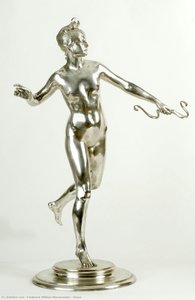 Diana1890
 Young Chevalier1898
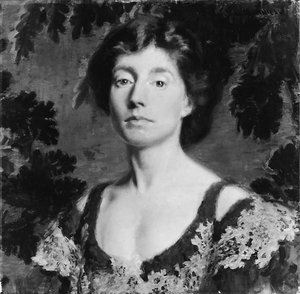 May Suydam Palmer1903
 Stephen S. Palmer, Trustee 1908-1913, Donor of Palmer Hall (1853-1913)1915

Saggi su Kit Carson
 Opere d'arte americane degli anni 1900Scopri i capolavori di Winslow Homer e Remington. Esplora l'arte americana degli anni 1900 su OriginalUniqueArt.com.
 Capturing Motion: The Timeless Beauty of Sir Alfred James Munnings' Equestrian MasterpiecesDiscover the breathtaking equestrian mastery of Sir Alfred James Munnings. Explore an art-history journey through his impressionistic captu…
 Opere americane degli anni '10Scopri l'essenza dell'arte americana degli anni '10 con Hassam e Bellows. Esplora la collezione su OriginalUniqueArt.com.