

 Anteprima in scala reale
 Condividi
 Condividi
 Dettagli
 Guida stampabile

 Scarica
 Articoli simili
 Radiografia
 Slideshow
 Statistiche
Salome
 Acrylic On Canvas
- WallArt
- German Symbolism
 1906
1906 92.0 x 114.0 cm
 Lenbachhaus
 Leggi tutto
Giclée / Stampe d'arte
Stampa giclée o su tela di qualità museale, con produzione rapida e diverse opzioni di finitura. ( Ordina la riproduzione dipinta a mano Passa all'immagine digitale)




P118B $10

P118H $10

P118W $10

P438Z $10

P508JH $12

P508YH $12

P805H $10

P805Z $10

P919BZ $10

P919G $10

P919XJ $10

P959ZH $10

P968JZ $12

W106C $8

W218G $10

W218JH $8

W218Y $10

W307PJ $10

W316G $10

W316PJ $8

W316Y $10

W398PJ $8

W4111J $10

W500HY $15

W500JH $15

W692G $12

W849H $8

W940BG $15

W953PJ $8




Scegli tra le nostre dimensioni predefinite, che rispettano le proporzioni originali dell'opera d'arte.

È possibile inserire dimensioni personalizzate per adattare l'opera a una cornice o a uno spazio specifico. Se la dimensione selezionata non corrisponde alle proporzioni dell'immagine originale, procederemo al ritaglio dell'opera o all'estensione dell'immagine con un bordo specchiato o a tinta unita. Un mockup digitale ti verrà inviato per approvazione prima dell'inizio della produzione.
Si prega di notare che l'anteprima a schermo non riflette il ritaglio o l'estensione effettivi. Solo il mockup mostrerà accuratamente la composizione finale.
Sebbene siano disponibili dimensioni personalizzate, si raccomanda di selezionare una dimensione dall'elenco predefinito per preservare le proporzioni originali.
Consegna in tutto il mondo () in 2 settimane invece delle normali 4/5 settimane. (26 Settembre)

Spedizione espressa gratuita in tutto il mondo

Tela in lino di alta qualità

Assicurazione completa sulla spedizione

Garanzia di rimborso dei dazi doganali

Garanzia di perfetta fedeltà cromatica

Politica di reso entro 100 giorni (solo per difetti di fabbricazione)

Garanzia di rimborso al 100%

Sconto per acquisti multipli
 L'opzione vetro è disponibile solo per dimensioni inferiori a 110 cm

Salome
Giclée / Stampe d'arte
Dimensioni della riproduzione
-


Prezzo totale
$ 80
The Enigmatic Dance: Unveiling Franz Ritter von Stuck’s “Salome”
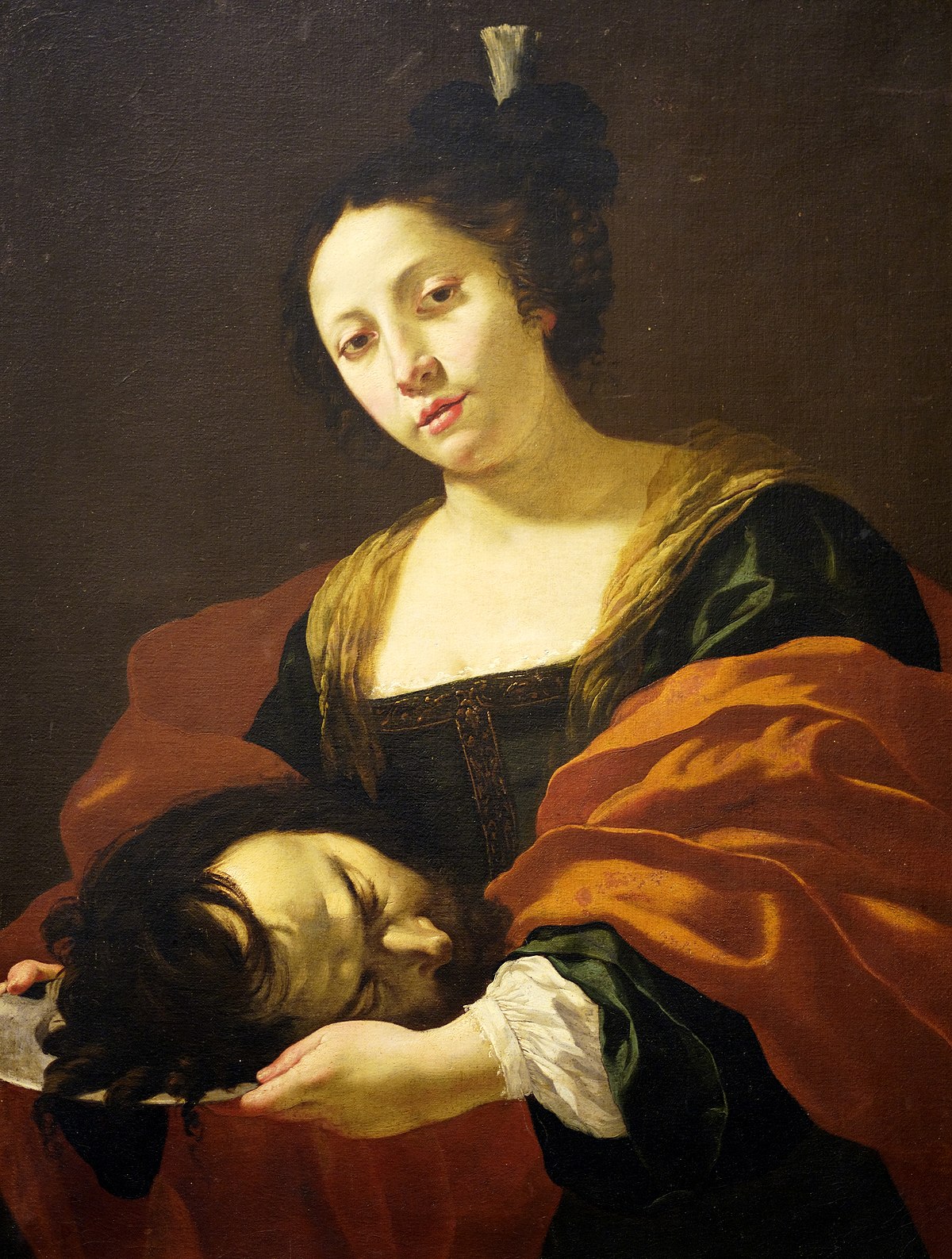
Franz Ritter von Stuck's 1906 painting, "Salome," is not merely a depiction of a biblical episode; it’s a profoundly unsettling and intensely symbolic exploration of desire, power, and the dark undercurrents of human nature. Emerging from the fertile ground of German Symbolism, Stuck masterfully blends classical precision with the dreamlike logic of the subconscious, creating an image that continues to captivate and disturb over a century later. The painting’s immediate impact lies in its dramatic composition – a carefully orchestrated tableau of figures poised on the precipice of violence and obsession. The scene unfolds within a shadowy, almost claustrophobic space, dominated by a towering, ornate architecture suggesting both opulence and impending doom. This isn't a straightforward narrative; it’s an atmosphere saturated with tension, inviting viewers to contemplate the motivations and fates of those involved.
A Symphony of Contrasts: Style, Technique, and Materiality
Stuck’s artistic style is immediately recognizable as a potent blend of Symbolism and Art Nouveau influences. The painting showcases his signature use of rich, jewel-toned colors – deep reds, emerald greens, and shimmering golds – applied with meticulous detail to create an opulent yet unsettling effect. His brushwork is deliberately expressive, employing visible strokes that contribute to the overall sense of drama and movement. Notice particularly the way he renders the textures: the velvet drapery, the polished surfaces of the architecture, and even the glistening skin of Salome herself – all are rendered with a tactile quality that draws the viewer into the scene. The painting was executed in oil on canvas, a medium that allowed Stuck to achieve both luminous color saturation and remarkable textural detail. The use of chiaroscuro—the dramatic contrast between light and shadow—further intensifies the emotional impact, highlighting key figures and obscuring others in an atmosphere of mystery and foreboding.
The Narrative Unfolds: Biblical Context and Symbolism
At its core, “Salome” depicts a pivotal moment from the New Testament – the fulfillment of Herodias’s vengeful plot against John the Baptist. However, Stuck doesn't offer a simple retelling of the story; instead, he delves into the psychological complexities of the characters and imbues the scene with layers of symbolic meaning. Salome herself is not portrayed as a seductive temptress but rather as a figure caught in a web of manipulation and driven by a primal desire for power. The presence of the dark servant, clutching John’s severed head on a platter, introduces an element of grotesque horror – a stark reminder of the brutal consequences of unchecked ambition. The architecture—a blend of Romanesque and Byzantine styles—suggests both grandeur and decay, mirroring the moral corruption at the heart of the narrative. The star-studded night sky serves as a backdrop to this drama, hinting at a realm beyond earthly concerns and perhaps suggesting a connection between life and death.
A “Prince of Art”: Stuck’s Legacy and Artistic Significance
Franz Ritter von Stuck was more than just an artist; he was a cultural phenomenon. Nicknamed the "Prince of Art" during his lifetime, he bridged the gap between academic tradition and the burgeoning currents of modernism. His work explored themes of sin, beauty, and the subconscious with a boldness and emotional intensity that resonated deeply with audiences at the turn of the 20th century. Villa Stuck, his own architectural masterpiece in Munich, stands as a testament to his artistic vision—a lavishly decorated space filled with sculptures, paintings, and intricate details reflecting his fascination with mythology, symbolism, and the darker aspects of human experience. “Salome” is arguably one of his most enduring works, demonstrating his mastery of dramatic composition, evocative color palettes, and profound psychological insight. It remains a powerful and unsettling image that continues to provoke discussion and inspire interpretation.
Biografia dell'artista
Franz Ritter von Stuck: Una Vita nell'Arte
Franz Ritter von Stuck (1863-1928) è stato un influente pittore, scultore, incisore e architetto tedesco. È una figura chiave del movimento simbolista e un contributore fondamentale al passaggio dall’historicismo del XIX secolo all'arte moderna.
Primi Anni di Vita ed Educazione
Nato il 23 febbraio 1863 a Tettenweis, in Baviera (Germania), Stuck ha trascorso i suoi primi anni immerso nelle tradizioni rurali. Inizialmente intendeva seguire le orme del padre come forestiero, ma ha dimostrato un precoce talento per l'arte. La sua formazione artistica formale è iniziata alla Kunstgewerbeschule (Scuola di Arti Applicate) a Monaco nel 1878-1881, studiando sotto Ferdinand Barth. Ha poi continuato la sua istruzione all’Accademia d'Arte di Monaco (1882-1884), dove è stato influenzato da Arnold Böcklin, le cui pitture evocative e mitologiche hanno profondamente influenzato la direzione artistica di Stuck.
Ascesa alla Promozione & Sviluppo Artistico
Stuck ha rapidamente ottenuto riconoscimento per i suoi lavori drammatici e spesso sensuali. Il suo successo è arrivato con Il Guardiano del Paradiso (1889), esposto al Palazzo di Vetro di Monaco, guadagnandosi una medaglia d'oro. Questo dipinto mostrava il suo stile emergente – un mix di precisione classica, soggetto mitologico e sottotesti simbolisti. Nel 1892, ha co-fondato la Munich Secession, un gruppo di artisti che si è separato dalle convenzioni artistiche conservatrici per promuovere l'arte moderna. Lo stesso anno ha creato la sua prima scultura, L’Atleta. L'anno successivo, Il Peccato (1893) ha consolidato la sua reputazione come maestro della pittura simbolista.
Temi Chiave e Influenze
Le opere di Stuck sono caratterizzate da diversi temi ricorrenti:
- Mitologia: Spesso si è ispirato a miti greci, romani e biblici, reinterpretando questi racconti con un tocco personale e spesso drammatico.
- Sensualità e la Femme Fatale: I suoi dipinti spesso presentano figure femminili potenti e seducenti – in particolare Salomone – che incarnano temi di desiderio, pericolo e ambiguità morale.
- Influenze Classiche: La tecnica meticolosa di Stuck e l'enfasi sulla precisione anatomica riflettono una profonda ammirazione per l'arte classica.
Oltre a Böcklin, Stuck è stato influenzato dai Pre-Raffaelliti e dal lavoro di Gustave Moreau. A sua volta, ha profondamente influenzato le generazioni successive di artisti.
Insegnamento & Riconoscimenti
Nel 1895, Stuck ha iniziato a insegnare pittura all'Accademia di Monaco, diventando un apprezzato istruttore. Tra i suoi studenti più notevoli figurano Paul Klee, Hans Purrmann e Josef Albers. La sua influenza si è estesa oltre l'istruzione tecnica; ha incoraggiato i suoi studenti a esplorare le loro visioni artistiche individuali. È stato nominato cavaliere il 9 dicembre 1905, diventando “Ritter von Stuck”, un tributo alla sua crescente fama. Ha ricevuto numerosi premi e onori in tutta Europa.
Grandi Realizzazioni & Opere Notabili
- La Primavera (1886): Una vivace rappresentazione della stagione, che mostra la sua precoce maestria nel colore e nella composizione.
- Dissonanza (1893): Un ritratto inquietante di una donna che suona il violino, che incarna il tormento emotivo.
- Salomone (diverse versioni): Forse la sua opera più famosa, che rappresenta la storia biblica con sensualità e profondità psicologica notevoli.
- L’Atleta (1892): Una potente scultura che dimostra la sua abilità nella forma tridimensionale.
Significato Storico & Eredità
Franz von Stuck ha svolto un ruolo cruciale nel plasmare il movimento simbolista in Germania. Le sue opere hanno colmato il divario tra la tradizione accademica e l'esperimento artistico moderno. Era spesso chiamato “Principe dell’Arte” durante la sua vita, riflettendo la sua immensa popolarità e influenza. La sua Villa Stuck a Monaco, ora un museo, testimonia la sua vita e il suo lavoro, offrendo spunti sulla sua visione artistica e sul contesto culturale della Germania alla fine del XIX e all'inizio del XX secolo. La sua eredità continua a ispirare artisti e appassionati d’arte oggi.

Franz Ritter von Stuck
1863 - 1928 , Germania
Informazioni rapide
- Artistic Movement Or Style: Symbolism
- Artists Who Influenced This Artist:
- Arnold Böcklin
- Gustave Moreau
- Date Of Birth: February 23, 1863
- Date Of Death: August 30, 1928
- Full Name: Franz Ritter von Stuck
- Nationality: German
- Notable Artworks:
- The Guardian of Paradise
- Salome
- The Sin
- Athlete
- Place Of Birth: Tettenweis, Germany
Articoli correlati

John Singer Sargent: I 25 Capolavori Immortali per Arredare con Stile
Esplora i 25 capolavori di John Singer Sargent, pittore americano simbolo dell'Impressionismo e del Gilded Age. Ritratti iconici, acquerelli luminosi e storie affascinanti. Trova la tua opera d'arte ideale su OriginalUniqueArt.com!

The Gilded Age Reimagined: Exploring the Aesthetic Principles & Enduring Legacy of Art Deco
Explore the captivating world of Art Deco! Discover its origins, defining features, cultural impact & enduring legacy. Expert insights for collectors and design enthusiasts. Shop handmade reproductions at OriginalUniqueArt.

The Gleaming Geometry of Desire: Exploring Art Deco's Enduring Influence on Visual Culture
Explore the captivating world of Art Deco! Discover its history, key characteristics, enduring influence on design & collecting with expert insights from OriginalUniqueArt.com.
Franz von Stuck: Simbolismo, Decadenza e la Ricerca dell'Ideale di Bellezza
Esplora la vita e le opere di Franz von Stuck, maestro del simbolismo tedesco. Analisi approfondite dei suoi dipinti più famosi, l'influenza della Secessione di Monaco e il contesto storico del Fin de siècle.

John Constable: I 25 Capolavori che Celebrano la Bellezza della Campagna Inglese
Esplora i 25 capolavori di John Constable, il maestro del Romanticismo inglese. Paesaggi suggestivi, luce naturale e colori vibranti ti aspettano. Acquista riproduzioni d'arte di alta qualità su OriginalUniqueArt.com e porta la bellezza della campagna inglese nella tua casa.


