
 Anteprima in scala reale
 Passa alle stampe
 Condividi
 Condividi
 Guida stampabile

 Scarica
 Articoli simili
 Radiografia
 Slideshow
 Statistiche
Salome
 Acrylic On Canvas
- WallArt
- German Symbolism
 1906
1906 92.0 x 114.0 cm
 Lenbachhaus
The Enigmatic Dance: Unveiling Franz Ritter von Stuck’s “Salome”
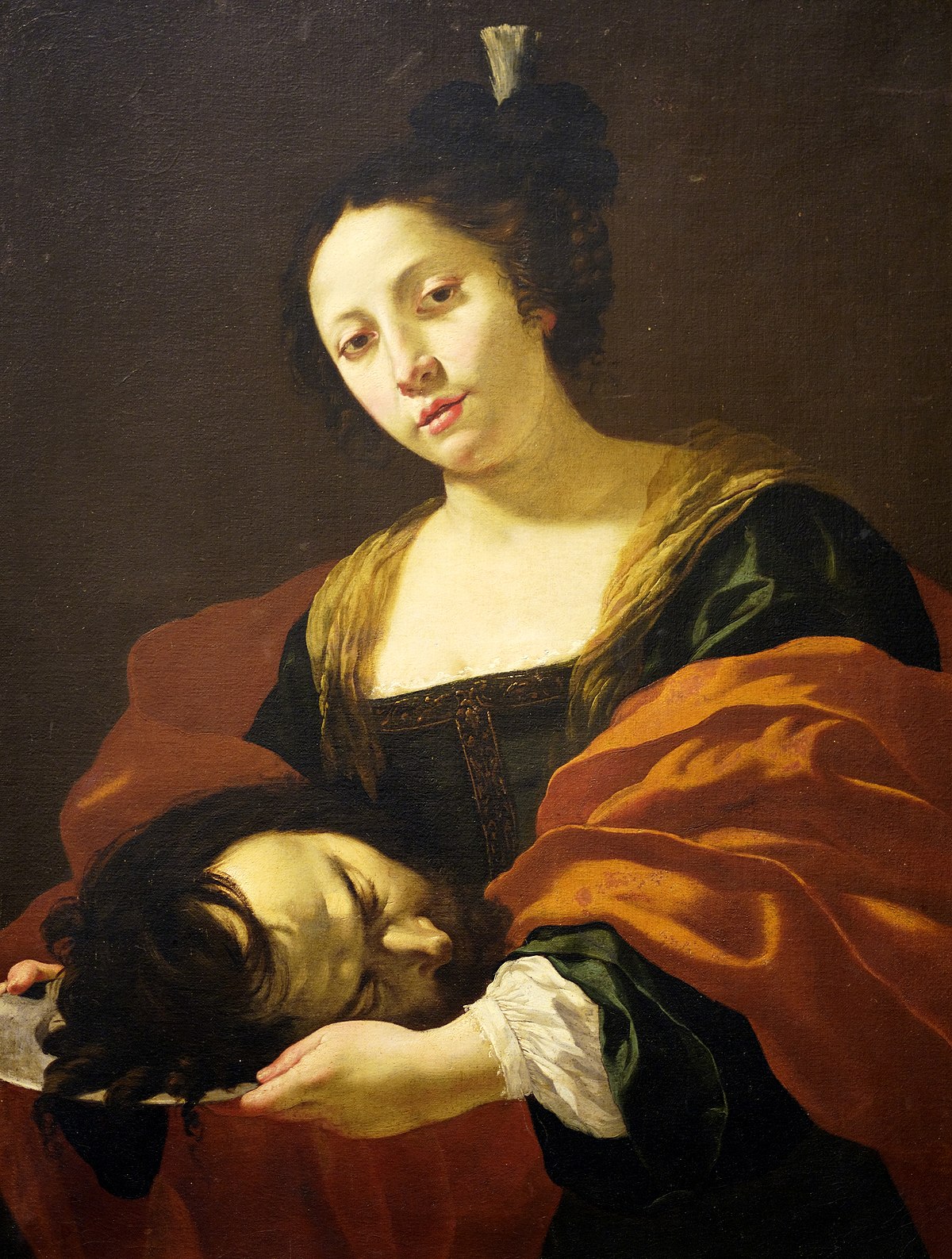
Franz Ritter von Stuck's 1906 painting, "Salome," is not merely a depiction of a biblical episode; it’s a profoundly unsettling and intensely symbolic exploration of desire, power, and the dark undercurrents of human nature. Emerging from the fertile ground of German Symbolism, Stuck masterfully blends classical precision with the dreamlike logic of the subconscious, creating an image that continues to captivate and disturb over a century later. The painting’s immediate impact lies in its dramatic composition – a carefully orchestrated tableau of figures poised on the precipice of violence and obsession. The scene unfolds within a shadowy, almost claustrophobic space, dominated by a towering, ornate architecture suggesting both opulence and impending doom. This isn't a straightforward narrative; it’s an atmosphere saturated with tension, inviting viewers to contemplate the motivations and fates of those involved.
A Symphony of Contrasts: Style, Technique, and Materiality
Stuck’s artistic style is immediately recognizable as a potent blend of Symbolism and Art Nouveau influences. The painting showcases his signature use of rich, jewel-toned colors – deep reds, emerald greens, and shimmering golds – applied with meticulous detail to create an opulent yet unsettling effect. His brushwork is deliberately expressive, employing visible strokes that contribute to the overall sense of drama and movement. Notice particularly the way he renders the textures: the velvet drapery, the polished surfaces of the architecture, and even the glistening skin of Salome herself – all are rendered with a tactile quality that draws the viewer into the scene. The painting was executed in oil on canvas, a medium that allowed Stuck to achieve both luminous color saturation and remarkable textural detail. The use of chiaroscuro—the dramatic contrast between light and shadow—further intensifies the emotional impact, highlighting key figures and obscuring others in an atmosphere of mystery and foreboding.
The Narrative Unfolds: Biblical Context and Symbolism
At its core, “Salome” depicts a pivotal moment from the New Testament – the fulfillment of Herodias’s vengeful plot against John the Baptist. However, Stuck doesn't offer a simple retelling of the story; instead, he delves into the psychological complexities of the characters and imbues the scene with layers of symbolic meaning. Salome herself is not portrayed as a seductive temptress but rather as a figure caught in a web of manipulation and driven by a primal desire for power. The presence of the dark servant, clutching John’s severed head on a platter, introduces an element of grotesque horror – a stark reminder of the brutal consequences of unchecked ambition. The architecture—a blend of Romanesque and Byzantine styles—suggests both grandeur and decay, mirroring the moral corruption at the heart of the narrative. The star-studded night sky serves as a backdrop to this drama, hinting at a realm beyond earthly concerns and perhaps suggesting a connection between life and death.
A “Prince of Art”: Stuck’s Legacy and Artistic Significance
Franz Ritter von Stuck was more than just an artist; he was a cultural phenomenon. Nicknamed the "Prince of Art" during his lifetime, he bridged the gap between academic tradition and the burgeoning currents of modernism. His work explored themes of sin, beauty, and the subconscious with a boldness and emotional intensity that resonated deeply with audiences at the turn of the 20th century. Villa Stuck, his own architectural masterpiece in Munich, stands as a testament to his artistic vision—a lavishly decorated space filled with sculptures, paintings, and intricate details reflecting his fascination with mythology, symbolism, and the darker aspects of human experience. “Salome” is arguably one of his most enduring works, demonstrating his mastery of dramatic composition, evocative color palettes, and profound psychological insight. It remains a powerful and unsettling image that continues to provoke discussion and inspire interpretation.
Domande e risposte
Posso vedere "Salome" di Franz Ritter von Stuck sulla mia parete prima dell'acquisto?
La pagina Anteprima AR di "Salome" di Franz Ritter von Stuck utilizza la realtà aumentata per mostrare l'opera d'arte nel tuo spazio, tramite un dispositivo compatibile.
È disponibile un download ad alta risoluzione di "Salome"?
È possibile acquistare un'immagine digitale di "Salome" di Franz Ritter von Stuck su questa pagina: download di un'immagine digitale ad alta risoluzione.
Dove posso trovare una guida per "Salome"?
È disponibile una pagina Schede didattiche per "Salome" di Franz Ritter von Stuck: una scheda informativa stampabile sull'opera d'arte, progettata per studenti e uso didattico in classe.
Quanti anni aveva Franz Ritter von Stuck quando ha creato "Salome" nel 1906?
Quando "Salome" fu creata nel 1906, Franz Ritter von Stuck - nato nel 1863 - aveva 43 anni.
Chi ha creato "Salome"?
"Salome" è attribuito a Franz Ritter von Stuck.
In che anno è stata realizzata "Salome"?
"Salome" risale al 1906. La data colloca l'opera all'interno della carriera di Franz Ritter von Stuck e della sua epoca.
Esistono opere simili a "Salome"?
Le opere simili a "Salome" di Franz Ritter von Stuck sono raccolte nella pagina Opere simili dell'opera.
Franz Ritter von Stuck (1863 – 1928)
Scopri Franz von Stuck (1863-1928): pittore e scultore simbolo tedesco famoso per scene mitologiche, nudi seducenti e stile Art Nouveau. Ha influenzato Klee e Kandinsky.
Lenbachhaus (Monaco, Germania)
Scopri il Lenbachhaus a Monaco: patria dell'arte del Blu Cavaliere (Kandinsky, Marc) e capolavori del XIX/XX secolo. Esplora un mix straordinario tra villa storica e architettura moderna.
Informazioni sull'opera
- Titolo: Salome
- Artista: Franz Ritter von Stuck
- Anno: 1906
- Dimensioni originali: 92.0 x 114.0 cm
- Formato: Square
- Stato del copyright: Di pubblico dominio
- Dove vederlo: Lenbachhaus
- Tecnica: WallArt
- Periodo creativo: Symbolist Maturity
- Scopo: Statement
Dettagli rapidi
- Influences: Arnold Böcklin
- Year: 1906
- Medium: Oil on canvas
- Notable elements: Dancer, severed head
- Artistic style: Mythological, Dramatic
- Movement: Symbolism
- Location: Städtische Galerie im Lenbachhaus