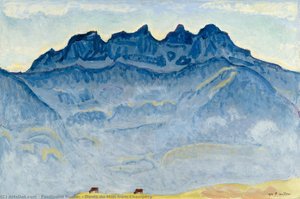
Anteprima in scala reale
 Condividi
 Condividi
 Dettagli
 Guida stampabile

 Scarica
 Articoli simili
 Radiografia
 Slideshow
 Statistiche
Composition study
 Olio su tela
- Opere da parete
- Academic Realism
 1887
1887 26.0 x 22.0 cm
 Galleria Nazionale della Bosnia ed Erzegovina
 Leggi tutto
Riproduzione a olio fatta a mano
Olio su tela dipinto a mano nelle tue dimensioni e con la tua cornice, realizzato su ordinazione dai nostri artisti. ( Passa alle stampe Passa all'immagine digitale)




P118B €10

P118H €10

P118W €10

P438Z €10

P508JH €12

P508YH €12

P805H €10

P805Z €10

P919BZ €10

P919G €10

P919XJ €10

P959ZH €10

P968JZ €12

W106C €8

W218G €10

W218JH €8

W218Y €10

W307PJ €10

W316G €10

W316PJ €8

W316Y €10

W398PJ €8

W4111J €10

W500HY €15

W500JH €15

W692G €12

W849H €8

W940BG €15

W953PJ €8




Scegli tra le nostre dimensioni predefinite, che rispettano le proporzioni originali dell'opera d'arte.

Inserisci la larghezza e l'altezza di cui hai bisogno, per adattarle alla tua cornice o alla tua parete. Trattandosi di un'opera dipinta a mano, in caso di dimensioni con una forma differente, l'artista può dipingere un po' più oltre i bordi dell'immagine o ritagliare leggermente — la scelta spetta a te. Ti invieremo un mockup digitale da approvare prima che la pittura abbia inizio. L'immagine mostrata in questa pagina non rappresenta il risultato reale — solo il mockup lo fa.
Dopo l'ordine, il team di OriginalUniqueArt.com contatterà il cliente via e-mail per ricevere le istruzioni e fornirà un'anteprima del mockup
Consegna in tutto il mondo () in 3/4 settimane anziché nelle normali 5 settimane. (18 Ottobre). Nessun compromesso sulla qualità.

Spedizione espressa gratuita in tutto il mondo

Tela in lino di alta qualità

Assicurazione completa sulla spedizione

Garanzia di rimborso dei dazi doganali

Garanzia di perfetta fedeltà cromatica

Politica di reso entro 100 giorni (solo per difetti di fabbricazione)

Garanzia di rimborso al 100%

Sconto per acquisti multipli
 L'opzione vetro è disponibile solo per dimensioni inferiori a 110 cm

Composition study
Tecnica di riproduzione
Dimensioni della riproduzione
-


Prezzo totale
€ 305
Composition Study – A Window into Hodler’s Soul
Ferdinand Hodler's "Composition Study," created in 1887, isn’t merely a sketch of three figures engaged in strenuous activity; it’s a profound meditation on the human condition, rendered with an arresting blend of anatomical precision and evocative symbolism. This work, now housed within the Tretyakov Gallery in Moscow, offers a rare glimpse into the artist's deeply personal vision – a world shaped by loss, contemplation, and a fascination with the ephemeral beauty of existence. The piece immediately draws the eye with its stark contrasts: the dark, almost brooding grey-brown tones of the pencil lines against the aged, neutral surface of the paper create an immediate sense of weight and seriousness. Hodler’s technique is deceptively simple yet remarkably powerful; he eschews elaborate shading or detailed rendering in favor of a confident, linear approach that emphasizes form and movement with remarkable economy.
The Anatomy of Effort – A Study in Human Form
At first glance, the composition depicts three men locked in what appears to be a grueling weightlifting exercise. However, Hodler doesn’t offer a realistic portrayal of physical exertion. Instead, he strips away extraneous detail, focusing instead on the essential lines and angles that define the figures' postures. The musculature is suggested with sharp, decisive strokes, conveying strength and strain without resorting to photographic accuracy. Notice how the diagonal lines of their bodies create a dynamic tension, mirroring the implied struggle within each individual. The arrangement isn’t haphazard; it’s carefully constructed to draw the viewer’s eye across the page, creating a sense of movement and narrative – a silent drama unfolding before our eyes.
Symbolism and the Weight of Mortality
Beyond its anatomical interest, “Composition Study” is rich in symbolic meaning. The figures themselves are often interpreted as representations of mortality and the inevitability of fate. Hodler’s early life was marked by profound loss – the deaths of his father and two brothers at a young age instilled within him a deep awareness of human vulnerability. This personal experience undoubtedly informs the work's somber mood and its exploration of themes related to death, remembrance, and the passage of time. The grid lines overlaid on the drawing—a technique frequently employed by Hodler—further emphasize this sense of structure and order imposed upon chaos, perhaps reflecting a desire to impose meaning onto an inherently unpredictable existence.
A Bridge Between Eras – Hodler’s Legacy
“Composition Study” stands as a pivotal work in the career of Ferdinand Hodler, bridging the gap between academic realism and the burgeoning Symbolist movement. Influenced by Renaissance anatomical studies—particularly those focused on depicting the human form with scientific accuracy—Hodler nevertheless departs from traditional representation, prioritizing emotional resonance over literal depiction. The piece’s stark simplicity and evocative power have resonated with viewers for over a century, cementing Hodler's place as one of Switzerland’s most important artists. Reproductions of this compelling work offer an accessible way to experience the depth and complexity of Hodler’s artistic vision, bringing his poignant reflections on life, death, and the human spirit into any space.
- Artist: Ferdinand Hodler
- Year: 1887
- Medium: Graphite pencil on paper
- Size: 26 x 22 cm
- Location: Tretyakov Gallery, Moscow
Consider commissioning a hand-painted reproduction to bring the intensity and emotional depth of “Composition Study” into your home or office. Each reproduction is meticulously crafted by skilled artisans, ensuring an authentic representation of Hodler’s original masterpiece.
Domande e risposte
In che anno è stata realizzata "Composition study"?
"Composition study" risale al 1887. La data colloca l'opera all'interno della carriera di Ferdinand Hodler e della sua epoca.
"Composition study" di Ferdinand Hodler è un ritratto, un paesaggio o una composizione quadrata?
Il formato di "Composition study" è Portrait. Questo è utile quando si pianifica dove posizionare una riproduzione.
Dove posso trovare una guida per "Composition study"?
È disponibile una pagina Schede didattiche per "Composition study" di Ferdinand Hodler: una scheda informativa stampabile sull'opera d'arte, progettata per studenti e uso didattico in classe.
Biografia dell'artista
La Vita e la Carriera di Ferdinand Hodler
Ferdinand Hodler, pittore svizzero, nacque il 14 marzo 1853 a Berna, in Svizzera. I suoi primi lavori furono caratterizzati da ritratti, paesaggi e dipinti di genere in uno stile realistico. Successivamente, adottò una forma personale di simbolismo, che definì "parallelismo".L'Evoluzione dello Stile di Hodler
Man mano che la carriera di Hodler progrediva, il suo lavoro si evolse per combinare influenze da vari generi, tra cui il simbolismo e l'Art Nouveau. Nel 1890, completò "Notte", un dipinto che segnò la sua svolta verso immagini simboliste. Quest’opera, che presenta diverse figure coricate, fu inizialmente accolta con controversie ma alla fine ottenne attenzione favorevole a Parigi.Opere Notabili e Collezioni
- "Il Giorno" (1893), un dipinto storico su larga scala, è un esempio notevole del lavoro di Hodler. Quest'opera, esposta al Kunsthaus di Zurigo, dimostra il suo unico connubio tra simbolismo e realismo.
- Il Museo Kunsthaus di Zurigo, in Svizzera, presenta una collezione impressionante delle opere di Hodler, tra cui "Verità II" (1897), che può essere visualizzata su /it/art/show/art-d3b4gt-it/.
Influenza e Significato Storico
L'adozione del simbolismo da parte di Hodler e lo sviluppo del "parallelismo" hanno avuto un impatto duraturo sul mondo dell'arte. Il suo lavoro può essere visto come un precursore dell'espressionismo, con la sua enfasi sulle figure fortemente colorate e geometriche.- La biografia di Ferdinand Hodler è disponibile su OriginalUniqueArt, fornendo uno sguardo approfondito sulla sua vita ed evoluzione artistica.
- La storia della nudità nell'arte, che è stata un tema di interesse durante tutta la carriera di Hodler, può essere esplorata ulteriormente su https://en.wikipedia.org/wiki/history_of_the_nude_in_art.
Date Chiave
- 1853: nato a Berna, Svizzera
- 1890: completata "Notte", segnando la sua svolta verso immagini simboliste
- 1918: deceduto il 19 maggio
- https://OriginalUniqueArt.com/@@/d3xnx9-ferdinand-hodler-the-day per visualizzare "Il Giorno" (1893)
- https://en.wikipedia.org/wiki/ferdinand_hodler per una biografia completa di Ferdinand Hodler
- https://OriginalUniqueArt.com/@/ferdinand-hodler per un'ampia collezione dei suoi lavori e una biografia dettagliata.
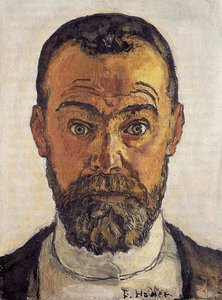
Ferdinand Hodler
1853 - 1918 , Svizzera
Informazioni rapide
- Artistic Movement Or Style: Simbolismo, Art Nouveau
- Artists Or Movements Influenced By This Artist: ['Espressionismo']
- Artists Who Influenced This Artist:
- Albrecht Dürer
- Diego Velázquez
- Date Of Birth: 14 marzo 1853
- Date Of Death: 19 maggio 1918
- Full Name: Ferdinand Hodler
- Nationality: Svizzero
- Notable Artworks:
- Notte
- Il Giorno
- Verità II
- Place Of Birth: Berna, Svizzera
Articoli correlati
The Timeless Beauty of Pencil Sketches: Mastering the Art of Line, Shadow, and Tonal Depth
Explore the profound elegance of pencil and charcoal sketching. Discover how masters use line, shadow, and chiaroscuro to capture light and texture, bridging the gap between preparatory studies and timeless fine art masterpieces.
The Power of Graphite: Mastering Depth, Texture, and Detail in the Art of Pencil Drawing
Explore the profound artistry of graphite drawing. Discover professional techniques for mastering depth, texture, and detail through a lens of art history, from classical sketches to modern masterpieces. Elevate your understanding of the pencil medium with our expert guide.

Ferdinand Hodler: Simbolismo, Parallelismo e la Ricerca di un'Armonia Universale
Esplora il simbolismo di Ferdinand Hodler, maestro svizzero e pioniere del 'parallelismo'. Analisi approfondita della sua arte, temi ricorrenti e influenze artistiche. Scopri la sua eredità.
Leonardo da Vinci: I 25 Capolavori Immortali per Arredare con Arte
Esplora i 25 capolavori immortali di Leonardo da Vinci: dalla Mona Lisa all'Ultima Cena. Scopri la storia, le tecniche e il significato di ogni opera rinascimentale. Arreda con arte di qualità museale su OriginalUniqueArt.com.
The Eloquent Line: Exploring the Artistic Significance of Sketches Across Movements and Media
Explore the profound artistic significance of sketches throughout history. From Renaissance masters to modern innovators like Van Gogh & Guston, discover how these foundational works reveal technique, emotion, and vision. Learn more at OriginalUniqueArt.