Anteprima in scala reale
 Invia
Invia Condividi
 Dettagli opera
 Guida
Guida

 Scarica
 Simili
 Radiografia
 Slideshow
 Q&A
Q&A Statistiche
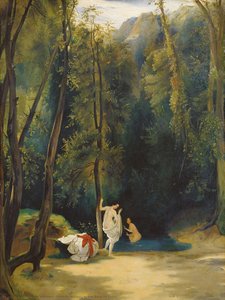
View of Assisi

- 97.0 x 147.0 cm


 Espandi i dettagli
Giclée / Stampe d'arte
Stampa giclée o su tela di qualità museale, con produzione rapida e diverse opzioni di finitura. ( Acquista il dipinto realizzato a mano Passa all'immagine digitale)




P118B €10

P118H €10

P118W €10

P438Z €10

P508JH €12

P508YH €12

P805H €10

P805Z €10

P919BZ €10

P919G €10

P919XJ €10

P959ZH €10

P968JZ €12

W106C €8

W218G €10

W218JH €8

W218Y €10

W307PJ €10

W316G €10

W316PJ €8

W316Y €10

W398PJ €8

W4111J €10

W500HY €15

W500JH €15

W692G €12

W849H €8

W940BG €15

W953PJ €8




Scegli tra le nostre dimensioni predefinite, che rispettano le proporzioni originali dell'opera d'arte.

Inserisci la larghezza e l'altezza desiderate, per adattarle alla tua cornice o alla tua parete. Una stampa può essere solo ritagliata, mai resa più grande dell'immagine originale; pertanto, un formato con una forma differente comporterà la perdita di una parte dell'opera. Ti invieremo un mockup digitale da approvare prima di procedere con la stampa. L'immagine mostrata in questa pagina non rappresenta il ritaglio reale — solo il mockup lo mostra.
Consegna in tutto il mondo () in 2 settimane invece delle normali 4/5 settimane. (2 Novembre)

Spedizione espressa gratuita in tutto il mondo

Tela in lino di alta qualità

Assicurazione completa sulla spedizione

Garanzia di rimborso dei dazi doganali

Garanzia di fedeltà cromatica assoluta

Politica di reso entro 100 giorni (solo per difetti di fabbricazione)

Garanzia di rimborso al 100%

Offerta per acquisti multipli
 L'opzione vetro è disponibile solo per dimensioni inferiori a 110 cm

View of Assisi
Giclée / Stampe d'arte
Dimensioni riproduzione
-


Prezzo finale calcolato
€ 71
A Vision of Faith Amidst Industrial Change: Exploring Carl Blechen’s “View of Assisi”
Carl Blechen's "View of Assisi," completed around 1832–1835, stands as a remarkable testament to Romantic artistic sensibilities grappling with the burgeoning influence of industrialization. More than just a picturesque landscape, it embodies a profound meditation on spirituality and its relationship to the rapidly transforming world of the early Victorian era—a dichotomy that defines Blechen’s distinctive oeuvre. The painting resides within the Bavarian State Painting Collections at Neue Pinakothek in Munich, Germany, cementing its place as an iconic example of Romantic art.The Landscape as Spiritual Reflection
Blechen eschewed the idealized pastoral landscapes favored by many of his contemporaries, opting instead for a deliberately muted palette dominated by earthy tones—ochres, browns, and greys—that evoke the rugged terrain surrounding Assisi. This choice wasn’t merely aesthetic; it served to underscore Blechen's belief that true beauty resided not in fleeting sensory impressions but in deeper connections with nature and its inherent moral order. The artist meticulously rendered the basilica of San Francesco and its immediate surroundings, capturing the essence of a pilgrimage site revered for its association with Saint Francis—a figure synonymous with humility, compassion, and devotion to God.Technique and Impressionistic Brushstrokes
Blechen’s masterful execution is characterized by loose, expressive brushstrokes that convey movement and atmosphere—a hallmark of Impressionism predating its formal emergence. Unlike the smooth surfaces typical of academic painting, Blechen employed a technique that prioritized capturing fleeting moments of light and color, prioritizing feeling over precise representation. The artist skillfully utilized chiaroscuro – dramatic contrasts between light and shadow – to sculpt the forms of the basilica and surrounding hillsides, enhancing their visual impact and conveying a sense of solemn grandeur. This innovative approach reflects Blechen’s desire to portray not just what he saw but how he *felt* when confronted with the sublime beauty of Assisi.Symbolism: Faith Confronting Progress
The painting's symbolism speaks powerfully to the anxieties of its time. The serene depiction of Saint Francis’s basilica juxtaposed against the backdrop of industrializing Bavaria represents a crucial tension between traditional religious values and the accelerating pace of technological advancement. Blechen subtly suggests that despite the encroachment of industry, faith—embodied in the enduring presence of the basilica—continues to hold sway, offering solace and inspiration amidst societal upheaval. The diffused light filtering through the clouds above Assisi symbolizes divine grace illuminating the earthly realm, reinforcing the painting’s overarching message of spiritual resilience.A Lasting Legacy: Influence Beyond Its Time
“View of Assisi” remains a captivating artwork due to its ability to transcend its historical context and resonate with viewers today. Blechen's pioneering use of Impressionistic brushstrokes paved the way for subsequent artistic movements, establishing him as a pivotal figure in Romantic art history. Furthermore, the painting’s evocative depiction of faith confronting progress continues to inspire contemplation on themes of spirituality, beauty, and the human condition—a timeless exploration that secures its place among the treasures of European art.- Artist: Carl Blechen
- Date: Circa 1832–1835
- Medium: Oil on Canvas
- Location: Neue Pinakothek, Munich
- Blick auf Assisi | Pocket Guide | Alte Pinakothek Unframed
- Carl Blechen
- View of Assisi by BLECHEN, Karl
- File:View of Assisi by Carl Blechen (4280101317).jpg
Domande e risposte
Quanto sono intensi i colori di "View of Assisi" di Carl Blechen?
L'intensità cromatica di "View of Assisi" è Balanced. L'intensità indica quanto i colori appaiano vividi.
Che livello di saturazione e intensità presenta "View of Assisi" di Carl Blechen?
I colori di "View of Assisi" di Carl Blechen presentano una saturazione Subtle Color e un'intensità Balanced.
Qual è l'orientamento di "View of Assisi" di Carl Blechen?
Il formato di "View of Assisi" è Landscape. Questa informazione è utile per pianificare il posizionamento di una riproduzione.
Biografia dell'artista
Un Pioniere dell'Industrializzazione Romantica: La Vita e l'Arte di Carl Blechen
Carl Eduard Ferdinand Blechen, nato a Cottbus, in Germania, nel 1798, occupa una posizione unica e spesso trascurata nella tradizione della pittura paesaggistica. La sua vita fu segnata da brillantezza artistica e tormento personale, una dualità che plasmò profondamente la sua opera evocativa e rivoluzionaria. Inizialmente destinato a una pragmatica carriera bancaria a causa delle difficoltà finanziarie familiari, le innate inclinazioni artistiche di Blechen prevalsero alla fine. Intraprese studi all'Accademia d'Arte di Berlino nel 1822, intraprendendo un percorso che lo avrebbe portato a essere uno dei primi artisti ad affrontare le sfide estetiche – e le possibilità – presentate dai primi sviluppi industriali.
Gli anni formativi di Blechen furono immersi negli ideali romantici che spazzavano l'Europa. Tuttavia, a differenza di molti suoi contemporanei che si concentravano esclusivamente sulla bellezza naturale idealizzata o sulla grandezza storica, lo sguardo di Blechen fu attratto da un mondo in cambiamento. Un viaggio fondamentale in Italia nel 1828-1829 si rivelò trasformativo. Immerso nella luce e nell'atmosfera della campagna italiana, affinò le sue capacità nello schizzo en plein air, catturando momenti fugaci ed effetti drammatici con notevole sensibilità. Questi schizzi non erano semplici studi preparatori; erano intrisi di un’energia vibrante che avrebbe caratterizzato il suo stile maturo. Tornò a Berlino non solo come pittore tecnicamente abile, ma come artista con una visione distinta – una che cercava di conciliare la sublime bellezza della natura con le crescenti realtà della modernità.
Navigare tra Tradizione e Trasformazione
La produzione artistica di Blechen è caratterizzata da una convincente tensione tra sensibilità romantica e un nascente realismo. Non rifuggì dalla rappresentazione del fiorente paesaggio industriale, ma non lo celebrò nemmeno in modo acritico. Opere come Bau der Teufelsbrücke (Costruzione del Ponte del Diavolo), dipinta tra il 1830 e il 1832, esemplificano questo approccio. Il dipinto non glorifica l'impresa ingegneristica; invece, presenta una scena di arduo lavoro sullo sfondo di un drammatico scenario, accennando sia all’ambizione umana che al potenziale di sconvolgimento dell'ordine naturale. Questa volontà di confrontarsi con le complessità del suo tempo lo distingue da molti dei suoi contemporanei.
I suoi paesaggi sono spesso intrisi di un'atmosfera malinconica, riflettendo non solo l'ambiente fisico in evoluzione ma anche le sue lotte interiori. Waldweg bei Spandau (Sentiero nella Foresta vicino a Spandau), ad esempio, evoca un senso di solitudine e introspezione, mostrando al contempo la maestria di Blechen nella luce e nell'ombra. Impiegò abilmente la prospettiva atmosferica per creare profondità e atmosfera, attirando lo spettatore nella scena e invitandolo alla contemplazione. Non si limitava a registrare ciò che vedeva; stava trasmettendo una risposta emotiva ad esso.
Un Genio Tormentato e un'Eredità Duratura
Nonostante i suoi successi artistici, la vita di Blechen fu tragicamente interrotta dalla malattia mentale. Nominato Professore di Pittura Paesaggistica all'Accademia di Berlino nel 1831 – una testimonianza della sua crescente reputazione – le sue condizioni iniziarono a deteriorarsi rapidamente dopo il 1835. Costretto a congedarsi e infine ricoverato in ospedale, continuò a creare arte anche tra le sue sofferenze, producendo toccanti disegni che offrono uno scorcio del suo tormentato mondo interiore. Morì a Berlino nel 1840 all'età di 41 anni.
Sebbene la sua carriera sia stata relativamente breve, l'influenza di Carl Blechen sulle generazioni successive di artisti è innegabile. Le sue pionieristiche rappresentazioni dei paesaggi industriali hanno aperto la strada ai pittori realisti e impressionisti successivi che cercavano di catturare il volto mutevole della vita moderna. Ha dimostrato che era possibile trovare bellezza – e significato – anche nel bel mezzo della trasformazione, una lezione che continua a risuonare con gli artisti oggi. La sua opera rimane un potente promemoria del complesso rapporto tra umanità, natura e progresso.
Opere Chiave & Collezioni
- Im Berliner Tiergarten (Lo Zoo di Berlino), 1825: Un primo esempio della sua capacità di catturare effetti atmosferici e scene quotidiane con una sensibilità romantica.
- Waldweg bei Spandau (Sentiero nella Foresta vicino a Spandau): Un paesaggio inquietante che esemplifica la sua maestria nella luce, nell'ombra e nell'atmosfera.
- Bau der Teufelsbrücke (Costruzione del Ponte del Diavolo), 1830–32: Una rappresentazione rivoluzionaria dei primi sviluppi industriali, che mostra sia l’ambizione umana che il suo impatto sul mondo naturale.
Oggi, le opere di Blechen si trovano in importanti collezioni museali in tutto il mondo, tra cui la Kunsthalle Bielefeld in Germania, il Fitzwilliam Museum a Cambridge e la National Gallery a Londra. Queste istituzioni preservano la sua eredità per le generazioni future, assicurando che la sua visione innovativa continui a ispirare e sfidare gli spettatori.
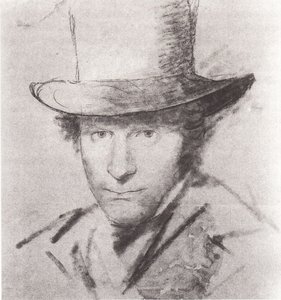
Carl Blechen
1798 - 1840 , Germania
Dettagli rapidi
- Artisti Che Lo Influenzarono:
- Caspar David Friedrich
- Johann Christian Dahl
- Data Di Morte: 23 luglio 1840
- Data Di Nascita: 29 luglio 1798
- Luogo Di Nascita: Cottbus, Germania
- Movimento Artistico: Romanticismo
- Nazionalità: Tedesca
- Nome Completo: Carl Eduard Ferdinand Blechen
- Opere Notevoli:
- Im Berliner Tiergarten
- Waldweg bei Spandau
- Bau der Teufelsbrücke
Articoli correlati

Evocations of Place: A Historical Journey Through Landscape Art
Explore the rich history of landscape art with OriginalUniqueArt. Discover renowned artists, movements like Impressionism & tonalism, and expert guidance for collecting timeless pieces. Find your perfect serene escape today!

I 10 Capolavori del Paesaggio Romantico: Arte, Storia e Decorazioni di Lusso
Esplora i 10 capolavori del Paesaggio Romantico con OriginalUniqueArt.com! Caspar David Friedrich, Turner e altri maestri: storia, tecnica e colori che definiscono un'epoca. Trova riproduzioni d'arte di lusso per la tua casa. Scopri la collezione completa online!
Evoking Nature's Sublime: A Comprehensive Exploration of 19th-Century Landscape Painting
Explore the captivating world of 19th-century landscape painting! Discover renowned artists like Friedrich & Monet, key movements, and find the perfect artwork to bring nature's serenity into your home. Expert insights at OriginalUniqueArt.

Evocations of Place: A Historical Journey Through Landscape Art
Explore the rich history of landscape art with OriginalUniqueArt. Discover renowned artists, movements like Impressionism & Romanticism, and expert guidance for collecting timeless pieces. Find your perfect serene escape today!

The Sublime and the Picturesque: Exploring Emotion & Nature in Romantic Landscape Painting
Explore the emotional power of Romantic landscape painting! Discover the sublime & picturesque traditions, key artists like Friedrich & Cole, and find your perfect artwork at OriginalUniqueArt.