Text size

() ·

A painting made for you, by hand

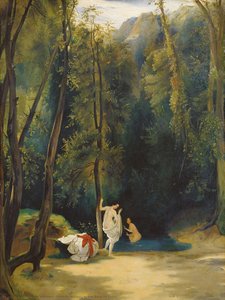
View of Assisi

Riproduzione a olio fatta a mano

Olio su tela dipinto a mano nelle tue dimensioni e con la tua cornice, realizzato su ordinazione dai nostri artisti. ( Passa alle stampe Passa all'immagine digitale)

Descrizione del reperto

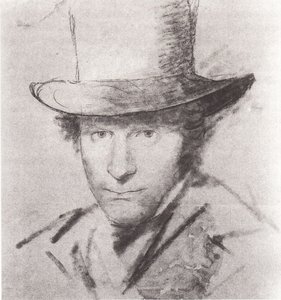
Carl Eduard Ferdinand Blechen (1798-1840) was a German Romantic painter celebrated for his evocative landscapes & pioneering depictions of early industrialization. Explore his Italian sketches and lasting influence.

Biografia dell'artista

Carl Blechen (1798-1840) è stato un pittore romantico tedesco celebre per i suoi paesaggi evocativi e le pionieristiche rappresentazioni della prima industrializzazione. Esplora i suoi schizzi italiani e la sua duratura influenza sull'arte moderna.

from ·

Chapter 1

How large should it be?

Slide to change the size; the picture on the left shows the frame at its real width. The proportions of the original are kept.

Formato standard
su misura
CM
INCH

Scegli tra le nostre dimensioni predefinite, che rispettano le proporzioni originali dell'opera d'arte.

larghezza
altezza

Inserisci la larghezza e l'altezza desiderate, per adattarle alla tua cornice o alla tua parete. Trattandosi di un'opera dipinta a mano, in caso di dimensioni con un formato differente, l'artista può estendere leggermente il dipinto oltre i bordi dell'immagine o ritagliare una piccola parte — la scelta spetta a te. Ti invieremo un mockup digitale da approvare prima che la realizzazione abbia inizio. L'immagine mostrata in questa pagina non rappresenta il risultato finale — solo il mockup lo fa.

Chapter 2

How should it arrive?

Choose the edges of the stretched canvas

Choose your frame

Corner sample of the WhiteWrap canvas edge finish, stretched on legno massello bars
White €1
Corner sample of the BlurSideWrap canvas edge finish, stretched on legno massello bars
Blurside €1
Corner sample of the ExtendedWrap canvas edge finish, stretched on legno massello bars
Extended €1
Corner sample of the P118B picture frame: polistirene stampato, 5 cm wide and 3 cm thick
P118B €10
Corner sample of the P118H picture frame: polistirene stampato, 5 cm wide and 3 cm thick
P118H €10
Corner sample of the P118W picture frame: polistirene stampato, 5 cm wide and 3 cm thick
P118W €10
Corner sample of the P438Z picture frame: polistirene stampato, 5.5 cm wide and 3.5 cm thick
P438Z €10
Corner sample of the P508JH picture frame: polistirene stampato, 7 cm wide and 3.5 cm thick
P508JH €12
Corner sample of the P508YH picture frame: polistirene stampato, 7 cm wide and 3.5 cm thick
P508YH €12
Corner sample of the P805H picture frame: polistirene stampato, 5 cm wide and 3.5 cm thick
P805H €10
Corner sample of the P805Z picture frame: polistirene stampato, 5 cm wide and 3.5 cm thick
P805Z €10
Corner sample of the P919BZ picture frame: polistirene stampato, 7 cm wide and 3.5 cm thick
P919BZ €10
Corner sample of the P919G picture frame: polistirene stampato, 7 cm wide and 3.5 cm thick
P919G €10
Corner sample of the P919XJ picture frame: polistirene stampato, 7 cm wide and 3.5 cm thick
P919XJ €10
Corner sample of the P959ZH picture frame: polistirene stampato, 5 cm wide and 3 cm thick
P959ZH €10
Corner sample of the P968JZ picture frame: polistirene stampato, 6 cm wide and 4 cm thick
P968JZ €12
Corner sample of the W106C picture frame: legno massello, 5 cm wide and 3 cm thick
W106C €8
Corner sample of the W218G picture frame: legno massello, 5 cm wide and 3 cm thick
W218G €10
Corner sample of the W218JH picture frame: legno massello, 5 cm wide and 3 cm thick
W218JH €8
Corner sample of the W218Y picture frame: legno massello, 5 cm wide and 3 cm thick
W218Y €10
Corner sample of the W307PJ picture frame: legno massello, 6 cm wide and 3 cm thick
W307PJ €10
Corner sample of the W316G picture frame: legno massello, 6 cm wide and 3 cm thick
W316G €10
Corner sample of the W316PJ picture frame: legno massello, 6 cm wide and 3 cm thick
W316PJ €8
Corner sample of the W316Y picture frame: legno massello, 6 cm wide and 3 cm thick
W316Y €10
Corner sample of the W398PJ picture frame: legno massello, 5 cm wide and 3 cm thick
W398PJ €8
Corner sample of the W4111J picture frame: legno massello, 6.5 cm wide and 3.5 cm thick
W4111J €10
Corner sample of the W500HY picture frame: legno massello, 7 cm wide and 5 cm thick
W500HY €15
Corner sample of the W500JH picture frame: legno massello, 7 cm wide and 5 cm thick
W500JH €15
Corner sample of the W692G picture frame: legno massello, 8 cm wide and 4 cm thick
W692G €12
Corner sample of the W849H picture frame: legno massello, 5 cm wide and 3 cm thick
W849H €8
Corner sample of the W940BG picture frame: legno massello, 7.5 cm wide and 4.5 cm thick
W940BG €15
Corner sample of the W953PJ picture frame: legno massello, 6 cm wide and 3.5 cm thick
W953PJ €8
Corner sample of the H24-GOLD picture frame: legno intagliato e gessato, 10 cm wide and 6 cm thick
H24-GOLD €30
Corner sample of the H24-SILVER picture frame: legno intagliato e gessato, 10 cm wide and 6 cm thick
H24-SILVER €30
Corner sample of the H36-GOLD picture frame: legno intagliato e gessato, 15 cm wide and 6.5 cm thick
H36-GOLD €45
Corner sample of the H36-SILVER picture frame: legno intagliato e gessato, 15 cm wide and 6.5 cm thick
H36-SILVER €45
Anteprima cornice
Con cornice

Moulding: . Overall size with the frame: .

Chapter 3

Who paints it, and should anything change?

Examples of what can be changed: Replace face with customer photo; Add pet (e.g., replace cat with dog); Include hidden message in background; Change background landscape or elements.
After order, OriginalUniqueArt.com team will email client for instructions and provide a mockup preview

Consegna in tutto il mondo () in 3/4 settimane anziché nelle normali 5 settimane. (1 Novembre). Nessun compromesso sulla qualità.

Chapter 4

The finishing touches

A nameplate, as in a museum?

Dettagli della targhetta in bronzo inciso

This elegant plaque features the artist's name and the title of the artwork, finely engraved for a timeless presentation.

It is made from bronze with a refined, elegant finish. The text is precisely laser-engraved for a sharp and permanent result. Measuring 9x2 cm, the plaque is compact yet easy to read. It's built to be durable and scratch-resistant, offering a professional, museum-quality look. Mounting is simple thanks to the included adhesive backing.

Dettagli della targhetta in acrilico trasparente

The plaque includes essential engraved details such as the artist's name, the title of the artwork, the date it was created, the type of media used-like oil on canvas or watercolor-a brief description of the piece, and a QR code that links to the complete artwork information.

It is crafted from clear acrylic, offering a sleek, modern appearance. The text is UV-engraved in black to ensure strong visual contrast. With a size of 10x15 cm, it ensures optimal readability. It comes equipped with two metal hooks for secure wall mounting. The plaque is designed to be weather-resistant, making it suitable for various environments, and it includes interactive features that work seamlessly with smartphone scanning.

Dettagli della targhetta in acrilico nero

This elegant plaque includes engraved information such as the artist's name, the title of the artwork, the date it was created, the type of media used (like oil on canvas or watercolor), a short description of the artwork, and a QR code for quick access to more information.

The plaque itself is made from refined black acrylic with a premium finish. The text is laser-engraved in white for high contrast and readability. Its size is 10x15 cm, designed to be easy to read. It comes with two metal hooks for professional mounting. The design is sleek and fits any interior style. It is also weather-resistant and durable, with built-in digital integration for mobile compatibility.

A protective varnish?

When do you need it?

Chapter 5

Your painting, as you ordered it

View of Assisi

Tecnica di riproduzione

Dimensioni riproduzione

-

Artisti di alto livello

Maggiore dettaglio, finezza e tempi di produzione dedicati

-

Cornice per riproduzione

-

-

Per opere d'arte o riproduzioni con un lato superiore a 105 cm (circa 41 pollici), la cornice verrà spedita in forma di kit smontato. Questo metodo garantisce una consegna sicura e previene danni durante il trasporto.

Montaggio professionale richiesto - non è un prodotto fai-da-te.
Il kit deve essere assemblato e la tela tesa da un esperto cornice professionista, utilizzando colla per legno (non inclusa), una pinza per tendere la tela e morsetti per mantenere i listelli in squadra durante l'asciugatura della colla. Un montaggio errato o una tensione non uniforme della tela possono danneggiare permanentemente l'opera d'arte e non sono coperti dalla nostra garanzia.

  • Tutte le barre in legno massello sono incluse, tagliate con precisione alle dimensioni corrette.

  • Da assemblare con le viti fornite e con la colla per legno per gli incastri degli angoli, che non è inclusa e dovrà essere reperita dal vostro corniceio.

  • Sono necessari strumenti professionali non inclusi: una pinza tendicanvas (tenditore) e dei morsetti per mantenere i listelli in squadra durante l'asciugatura della colla.

Importante:
Gli incastri d'angolo richiedono colla per legno, i listelli devono essere mantenuti in posizione con dei morsetti finché la colla non è completamente asciutta, e il tensionamento della tela sulla cornice assemblata richiede una pinza per tendere la tela. Nessuno di questi strumenti è incluso nel kit. Si prega di consultare un incorniciatore professionista esperto prima di ordinare questa misura.

Didascalia

-

-

Vernice protettiva

Vernice lucida (esalta i colori, protegge da luce e umidità)

-

Personalizza la mia opera

Esempi di personalizzazione: sostituire il volto con una foto del cliente; aggiungere un animale domestico (ad esempio, sostituire un gatto con un cane); inserire un messaggio nascosto nello sfondo; cambiare il paesaggio o gli elementi dello sfondo.

-

Consegna rapida

Consegna in tutto il mondo () in 3/4 settimane anziché nelle normali 5 settimane. (1 Novembre). Nessun compromesso sulla qualità.

-

Spedizione espressa

Spedizione in tutto il mondo () in 5 settimane. (8 Novembre).

Spedizione inclusa

Prezzo finale calcolato

€ 267

Prezzo totale € 267

L'opzione vetro è disponibile solo per dimensioni inferiori a 110 cm

Included with every order

  • Spedizione espressa gratuita in tutto il mondo
  • Tela in lino di alta qualità
  • Assicurazione completa sulla spedizione
  • Garanzia di rimborso dei dazi doganali
  • Garanzia di fedeltà cromatica assoluta
  • Politica di reso entro 100 giorni (solo per difetti di fabbricazione)
  • Garanzia di rimborso al 100%
  • Offerta per acquisti multipli

A Vision of Faith Amidst Industrial Change: Exploring Carl Blechen’s “View of Assisi”

Carl Blechen's "View of Assisi," completed around 1832–1835, stands as a remarkable testament to Romantic artistic sensibilities grappling with the burgeoning influence of industrialization. More than just a picturesque landscape, it embodies a profound meditation on spirituality and its relationship to the rapidly transforming world of the early Victorian era—a dichotomy that defines Blechen’s distinctive oeuvre. The painting resides within the Bavarian State Painting Collections at Neue Pinakothek in Munich, Germany, cementing its place as an iconic example of Romantic art.

The Landscape as Spiritual Reflection

Blechen eschewed the idealized pastoral landscapes favored by many of his contemporaries, opting instead for a deliberately muted palette dominated by earthy tones—ochres, browns, and greys—that evoke the rugged terrain surrounding Assisi. This choice wasn’t merely aesthetic; it served to underscore Blechen's belief that true beauty resided not in fleeting sensory impressions but in deeper connections with nature and its inherent moral order. The artist meticulously rendered the basilica of San Francesco and its immediate surroundings, capturing the essence of a pilgrimage site revered for its association with Saint Francis—a figure synonymous with humility, compassion, and devotion to God.

Technique and Impressionistic Brushstrokes

Blechen’s masterful execution is characterized by loose, expressive brushstrokes that convey movement and atmosphere—a hallmark of Impressionism predating its formal emergence. Unlike the smooth surfaces typical of academic painting, Blechen employed a technique that prioritized capturing fleeting moments of light and color, prioritizing feeling over precise representation. The artist skillfully utilized chiaroscuro – dramatic contrasts between light and shadow – to sculpt the forms of the basilica and surrounding hillsides, enhancing their visual impact and conveying a sense of solemn grandeur. This innovative approach reflects Blechen’s desire to portray not just what he saw but how he *felt* when confronted with the sublime beauty of Assisi.

Symbolism: Faith Confronting Progress

The painting's symbolism speaks powerfully to the anxieties of its time. The serene depiction of Saint Francis’s basilica juxtaposed against the backdrop of industrializing Bavaria represents a crucial tension between traditional religious values and the accelerating pace of technological advancement. Blechen subtly suggests that despite the encroachment of industry, faith—embodied in the enduring presence of the basilica—continues to hold sway, offering solace and inspiration amidst societal upheaval. The diffused light filtering through the clouds above Assisi symbolizes divine grace illuminating the earthly realm, reinforcing the painting’s overarching message of spiritual resilience.

A Lasting Legacy: Influence Beyond Its Time

“View of Assisi” remains a captivating artwork due to its ability to transcend its historical context and resonate with viewers today. Blechen's pioneering use of Impressionistic brushstrokes paved the way for subsequent artistic movements, establishing him as a pivotal figure in Romantic art history. Furthermore, the painting’s evocative depiction of faith confronting progress continues to inspire contemplation on themes of spirituality, beauty, and the human condition—a timeless exploration that secures its place among the treasures of European art.
  • Artist: Carl Blechen
  • Date: Circa 1832–1835
  • Medium: Oil on Canvas
  • Location: Neue Pinakothek, Munich
Additional Resources:

Domande e risposte

Quanto sono intensi i colori di "View of Assisi" di Carl Blechen?

L'intensità cromatica di "View of Assisi" è Balanced. L'intensità indica quanto i colori appaiano vividi.

Che livello di saturazione e intensità presenta "View of Assisi" di Carl Blechen?

I colori di "View of Assisi" di Carl Blechen presentano una saturazione Subtle Color e un'intensità Balanced.

Qual è l'orientamento di "View of Assisi" di Carl Blechen?

Il formato di "View of Assisi" è Landscape. Questa informazione è utile per pianificare il posizionamento di una riproduzione.

More about this painting

Anteprima in scala reale Anteprima in AR Passa alle stampe Passa all'immagine digitale Invia
Dettagli opera Guida Aggiungi ai preferiti Scarica Simili Radiografia Slideshow Q&A Statistiche

In numbers

  • 1832the year it was painted
  • 29frames to choose from
  • standard sizes, in its own proportions
  • 5weeks to paint and deliver it
Carl Blechen

Carl Blechen

1798 - 1840, Germania

Quick facts about Carl Blechen

  • Artisti Che Lo Influenzarono:
    • Caspar David Friedrich
    • Johann Christian Dahl
  • Data Di Morte: 23 luglio 1840
  • Data Di Nascita: 29 luglio 1798
  • Luogo Di Nascita: Cottbus, Germania
  • Movimento Artistico: Romanticismo
  • Nazionalità: Tedesca
  • Nome Completo: Carl Eduard Ferdinand Blechen
  • Opere Notevoli:
    • Im Berliner Tiergarten
    • Waldweg bei Spandau
    • Bau der Teufelsbrücke

Biografia dell'artista

Un Pioniere dell'Industrializzazione Romantica: La Vita e l'Arte di Carl Blechen

Carl Eduard Ferdinand Blechen, nato a Cottbus, in Germania, nel 1798, occupa una posizione unica e spesso trascurata nella tradizione della pittura paesaggistica. La sua vita fu segnata da brillantezza artistica e tormento personale, una dualità che plasmò profondamente la sua opera evocativa e rivoluzionaria. Inizialmente destinato a una pragmatica carriera bancaria a causa delle difficoltà finanziarie familiari, le innate inclinazioni artistiche di Blechen prevalsero alla fine. Intraprese studi all'Accademia d'Arte di Berlino nel 1822, intraprendendo un percorso che lo avrebbe portato a essere uno dei primi artisti ad affrontare le sfide estetiche – e le possibilità – presentate dai primi sviluppi industriali.

Gli anni formativi di Blechen furono immersi negli ideali romantici che spazzavano l'Europa. Tuttavia, a differenza di molti suoi contemporanei che si concentravano esclusivamente sulla bellezza naturale idealizzata o sulla grandezza storica, lo sguardo di Blechen fu attratto da un mondo in cambiamento. Un viaggio fondamentale in Italia nel 1828-1829 si rivelò trasformativo. Immerso nella luce e nell'atmosfera della campagna italiana, affinò le sue capacità nello schizzo en plein air, catturando momenti fugaci ed effetti drammatici con notevole sensibilità. Questi schizzi non erano semplici studi preparatori; erano intrisi di un’energia vibrante che avrebbe caratterizzato il suo stile maturo. Tornò a Berlino non solo come pittore tecnicamente abile, ma come artista con una visione distinta – una che cercava di conciliare la sublime bellezza della natura con le crescenti realtà della modernità.

Navigare tra Tradizione e Trasformazione

La produzione artistica di Blechen è caratterizzata da una convincente tensione tra sensibilità romantica e un nascente realismo. Non rifuggì dalla rappresentazione del fiorente paesaggio industriale, ma non lo celebrò nemmeno in modo acritico. Opere come Bau der Teufelsbrücke (Costruzione del Ponte del Diavolo), dipinta tra il 1830 e il 1832, esemplificano questo approccio. Il dipinto non glorifica l'impresa ingegneristica; invece, presenta una scena di arduo lavoro sullo sfondo di un drammatico scenario, accennando sia all’ambizione umana che al potenziale di sconvolgimento dell'ordine naturale. Questa volontà di confrontarsi con le complessità del suo tempo lo distingue da molti dei suoi contemporanei.

I suoi paesaggi sono spesso intrisi di un'atmosfera malinconica, riflettendo non solo l'ambiente fisico in evoluzione ma anche le sue lotte interiori. Waldweg bei Spandau (Sentiero nella Foresta vicino a Spandau), ad esempio, evoca un senso di solitudine e introspezione, mostrando al contempo la maestria di Blechen nella luce e nell'ombra. Impiegò abilmente la prospettiva atmosferica per creare profondità e atmosfera, attirando lo spettatore nella scena e invitandolo alla contemplazione. Non si limitava a registrare ciò che vedeva; stava trasmettendo una risposta emotiva ad esso.

Un Genio Tormentato e un'Eredità Duratura

Nonostante i suoi successi artistici, la vita di Blechen fu tragicamente interrotta dalla malattia mentale. Nominato Professore di Pittura Paesaggistica all'Accademia di Berlino nel 1831 – una testimonianza della sua crescente reputazione – le sue condizioni iniziarono a deteriorarsi rapidamente dopo il 1835. Costretto a congedarsi e infine ricoverato in ospedale, continuò a creare arte anche tra le sue sofferenze, producendo toccanti disegni che offrono uno scorcio del suo tormentato mondo interiore. Morì a Berlino nel 1840 all'età di 41 anni.

Sebbene la sua carriera sia stata relativamente breve, l'influenza di Carl Blechen sulle generazioni successive di artisti è innegabile. Le sue pionieristiche rappresentazioni dei paesaggi industriali hanno aperto la strada ai pittori realisti e impressionisti successivi che cercavano di catturare il volto mutevole della vita moderna. Ha dimostrato che era possibile trovare bellezza – e significato – anche nel bel mezzo della trasformazione, una lezione che continua a risuonare con gli artisti oggi. La sua opera rimane un potente promemoria del complesso rapporto tra umanità, natura e progresso.

Opere Chiave & Collezioni

  • Im Berliner Tiergarten (Lo Zoo di Berlino), 1825: Un primo esempio della sua capacità di catturare effetti atmosferici e scene quotidiane con una sensibilità romantica.
  • Waldweg bei Spandau (Sentiero nella Foresta vicino a Spandau): Un paesaggio inquietante che esemplifica la sua maestria nella luce, nell'ombra e nell'atmosfera.
  • Bau der Teufelsbrücke (Costruzione del Ponte del Diavolo), 1830–32: Una rappresentazione rivoluzionaria dei primi sviluppi industriali, che mostra sia l’ambizione umana che il suo impatto sul mondo naturale.

Oggi, le opere di Blechen si trovano in importanti collezioni museali in tutto il mondo, tra cui la Kunsthalle Bielefeld in Germania, il Fitzwilliam Museum a Cambridge e la National Gallery a Londra. Queste istituzioni preservano la sua eredità per le generazioni future, assicurando che la sua visione innovativa continui a ispirare e sfidare gli spettatori.

Informazioni rapide

  • Artist: Carl Blechen
  • Title: View of Assisi
  • Year: 1832
  • Movement: Romanticism
  • Medium: Oil on canvas
  • Subject or theme: Religious pilgrimage town

Quiz d'arte

Per ogni domanda è presente una sola risposta corretta.

Domanda 1:
What is the title of this painting?
Domanda 2:
In what city is this artwork housed?
Domanda 3:
What medium was used to create this painting?
Domanda 4:
Approximately when was this painting created?
Domanda 5:
The painting depicts the Basilica and Monastery of Saint Francis in what Italian region?