
 Anteprima in scala reale
 Invia
Invia Condividi
 Dettagli opera
 Guida
Guida

 Scarica
 Simili
 Radiografia
 Slideshow
 Domande e risposte
 Statistiche
Autoportrait

 Espandi i dettagli
Ottieni un file pronto per la stampa che supera di gran lunga l'anteprima web. Ogni immagine digitale in vendita proviene da un master ad alta risoluzione del nostro archivio — con una larghezza solitamente compresa tra 5.000 e 15.000 pixel — permettendoti di stampare in grande formato, ritagliare con precisione o riprodurre dettagli minuziosi in totale sicurezza.
Nessun file lascia il nostro studio senza essere stato elaborato. Un esperto digitale verifica la corrispondenza dei colori con il dipinto originale e li corregge se necessario, per poi migliorarne la nitidezza e i dettagli attraverso strumenti di fotoritocco professionale — mantenendo sempre fedeltà alla pennellata e allo stile dell'artista. Il risultato è un'immagine che appare come il dipinto stesso, e non come una scansione filtrata.
L'approvazione avviene prima della conclusione dell'ordine: il nostro esperto invierà l'immagine via e-mail entro 72 ore per la tua revisione. Non sei soddisfatto? Puoi richiedere modifiche o correzioni, oppure un rimborso qualora la qualità non dovesse soddisfare le tue aspettative.
Questa è la qualità su cui fanno affidamento editori, studi di design, gallerie e stamperie.
Immagine Digitale
Scarica un file ad alta risoluzione per uso personale, per la stampa e per progetti creativi. ( Passa alle stampe Acquista il dipinto realizzato a mano)
Incluso in ogni ordine di immagini digitali
Consegna digitale professionale e garantita
Quando scegli OriginalUniqueArt.com, non riceverai solo un'immagine: riceverai un'opera d'arte digitale professionalmente ottimizzata, realizzata con la massima precisione e accompagnata da una garanzia di soddisfazione. Ecco tutto ciò che include il tuo ordine, automaticamente:

Consegna rapida via email
Riceverai il file dell'immagine digitale ad alta risoluzione via email entro 72 ore dall'ordine, pronto per un uso immediato.

File digitale ottimizzato dall'IA
La tua opera d'arte viene ottimizzata professionalmente attraverso l'uso di strumenti avanzati di intelligenza artificiale e una revisione manuale, garantendo il massimo livello di dettaglio, nitidezza e accuratezza cromatica.

Riconsegna gratuita a vita
Hai eliminato o perso accidentalmente il tuo file? Non preoccuparti: te lo invieremo di nuovo in qualsiasi momento, gratuitamente.

Nessun costo di importazione, mai
Goditi la tua opera d'arte istantaneamente senza costi doganali, dazi o spese di spedizione: i download digitali sono sempre esenti da tasse.

Garanzia di fedeltà cromatica
Garantiamo che la tua immagine digitale rifletta i colori originali con la massima fedeltà, grazie all'uso di strumenti professionali e a una gestione accurata del colore.

Garanzia soddisfatti o rimborsati 100 giorni
Se non sei soddisfatto della tua immagine digitale, la revisioneremo o ti rimborseremo il 100% entro 100 giorni, senza domande.

Garanzia di rimborso al 100%
Non sei soddisfatto? Ricevi un rimborso completo entro 100 giorni dal ricevimento del tuo file digitale, senza dover fornire spiegazioni.

Sconti per ordini multipli
Acquista 3 immagini, risparmia il 10% - Acquista 5, risparmia il 15% - Acquista 10+, risparmia il 20%. Ideale per progetti creativi, gallerie e agenzie.
Biografia dell'artista
Raymond Bonheur: La Silenziosa Fondazione di un'Eredità
Raymond Bonheur (1796–1849) rimane una figura piuttosto ombrosa negli annali dell'arte del XIX secolo, spesso oscurata dalla fama della sua celebre figlia, Rosa. Eppure, liquidarlo come un semplice comprimario sarebbe un profondo errore. Egli fu, in realtà, un'influenza cruciale: un pittore di paesaggi e ritratti profondamente radicato nel Saint-Simonianesimo, un movimento socialista cristiano utopico che plasmò profondamente la sua filosofia e il suo approccio artistico. Nato in una famiglia artisticamente incline — suo padre, Oscar-Raymond Bonheur, era egli stesso un rispettato pittore — la vita di Raymond si svolse sullo sfondo della Francia rivoluzionaria, un periodo segnato da sconvolgimenti sociali e fermento intellettuale. I suoi primi anni trascorsi a Bordeaux, assorbendo le tradizioni artistiche della regione mentre si confrontava simultaneamente con le complessità delle convinzioni non convenzoloali del padre. Il movimento saint-simoniano, che sosteneva la riforma dell'istruzione e l'armonia sociale attraverso l'arte, instillò in Raymond la fede nel potere trasformativo della creatività e nel suo potenziale di contribuire a un mondo migliore. Questa convinzione lo spinse ad abbandonare un percorso di carriera convenzionale per dedicarsi interamente alla pittura, una decisione che alla fine lo allontanò dalla sua famiglia e dai suoi figli. La sua partenza con la comunità segnò un punto di svolta significativo, capace di impattare profondamente le vite di coloro che lasciò indietro, inclusa la sua giovane figlia Rosa.Un Pittore di Paesaggi e Idealista Saint-Simoniano
Lo stile artistico di Raymond era caratterizzato da una meticolosa attenzione al dettaglio e da un profondo apprezzamento per il mondo naturale. Si concentrò principalmente sulla pittura di paesaggio e sulla ritrattistica, spesso raffigurando scene di vita rurale con un realismo straordinario. Le sue opere sono infuse di un senso di tranquillità e armonia, riflettendo l'ideale saint-simoniano di unità sociale e illuminazione spirituale. A differenza di molti suoi contemporanei che cercavano grandiosi soggetti storici o mitologici, Raymond scelse di catturare la bellezza quotidiana della campagna francese: colline ondulate, campi verdi e villaggi incantevoli. La sua pennellata era precisa e controllata, capace di trasmettere un senso di ordine e equilibrio. Utilizzava frequentemente la prospettiva atmosferica per creare profondità e distanza nelle sue composizioni, rendendo con maestria gli effetti di luce e ombra. Sebbene non venissero ampiamente esposti durante la sua vita, i dipinti di Raymond erano ammirati dai compagni saint-simoniani, che riconoscevano il valore del suo lavoro come incarnazione dei loro principi filosofici. La sua dedizione nel catturare l'essenza della natura e nel promuovere l'armonia sociale attraverso l'arte stabilì una base cruciale per le future imprese artistiche di Rosa Bonheur.L'Influenza sullo Sviluppo Artistico di Rosa Bonheur
Il straordinario successo di Rosa Bonheur come pittrice di animali deve molto, in parte non trascurabile, all'influenza precoce del padre. Raymond le fornì un'educazione artistica senza pari, coltivando il suo talento innato e instillandole un profonda passione per il mondo naturale. La incoraggiò a studiare meticolosamente l'anatomia animale, portando spesso animali vivi nel loro studio domestico per l'osservazione e lo schizzo. Questo approccio pratico — una rarità per le giovani artiste dell'epoca — permise a Rosa di sviluppare una comprensione profonda della forma e del movimento animale. I paesaggi stessi di Raymond fungevano da modelli per Rosa, dimostrando la sua tecnica meticolosa e il suo apprezzamento per la prospettiva atmosferica. Inoltre, egli le trasmise un forte senso di autosufficienza e indipendenza, qualità che si sarebbero rivelate inestimabili durante tutta la sua carriera. Le convinzioni saint-simoniane della famiglia modellarono anche la visione artistica di Rosa, incoraggiandola a ritrarre gli animali con empatia e rispetto, piuttosto che come meri soggetti di studio scientifico. Si nota spesso come l'influenza di Raymond su Rosa non fosse meramente tecnica, ma profondamente filosofica, plasmando il modo in cui lei approcciava la sua arte e il suo rapporto con il mondo naturale.Una Famiglia Divisa: Perdita e Ricongiungimento
La vita di Raymond Bonheur prese una svolta tragica quando si unì alla comunità saint-simoniana nel 1839, lasciando dietro di sé la moglie, Sophie, e i loro quattro figli. Questa decisione, mossa dal suo impegno verso gli ideali del movimento, portò a una dolorosa separazione e, in ultima analisi, contribuì al declino della salute della famiglia. L'abbandono dei figli creò una situazione complessa ed emotivamente tormentata. Egli mandò i suoi due figli in un collegio, mentre Rosa rimase con la madre. Questo periodo di isolamento influenzò profondamente la vita di Raymond, segnata dal rimpianto e da un senso di responsabilità per le difficoltà causate alla sua famiglia. Sorprendentemente, la dedizione di Raymond alla comunità saint-simoniana non diminuì; al contrario, si intensificò, portandolo a dedicarsi interamente all'arte. Anni dopo, dopo la morte di Sophie, Raymond tornò per prendersi cura dei suoi figli, dimostrando una straordinaria capacità di redenzione e un amore profondo che trascendeva gli anni della separazione. Questa storia toccante evidenzia il costo personale dell'impegno ideologico e i legami indissolubili della famiglia.Eredità e Significato Storico
Sebbene la produzione artistica di Raymond Bonheur sia stata relativamente modesta rispetto a quella della figlia, la sua influenza sulla carriera di Rosa Bonheur è innegabile. Gli fornì una solida base nell'arte, le trasmise l'amore per il mondo naturale e ne alimentò lo spirito indipendente. Il suo impegno verso gli ideali saint-simoniani — che enfatizzavano l'istruzione, l'armonia sociale e il potere trasformativo della creatività — plasmò la visione artistica di lei e contribuì al suo successo come una delle più celebri pittrici di animali del XIX secolo. Inoltre, la storia di Raymond funge da esempio convincente di un artista che sfidò le aspettative convenzionali e perseguì la propria passione nonostante le difficoltà personali. Egli rappresenta una forza silenziosa ma significativa nella storia dell'arte francese: una figura fondante la cui eredità continua a risuonare attraverso l'opera della sua straordinaria figlia, Rosa Bonheur. La sua dedizione nel catturare la bellezza del mondo naturale e nel promuovere l'armonia sociale rimane una testimonianza del potere duraturo dell'arte come mezzo per esprimere i valori e le aspirazioni umane.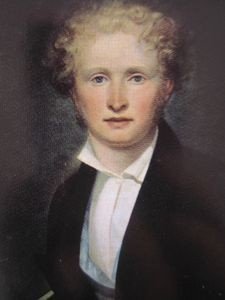
Raymond Bonheur
1796 - 1849 , Francia
Informazioni essenziali
- Artistic Movement Or Style: Realismo, Saint-Simonianesimo
- Artists Or Movements Influenced By This Artist:
- Rosa Bonheur
- Realismo
- Artists Who Influenced This Artist:
- Paulus Potter
- Aelbert Cuyp
- Date Of Birth: 1796
- Date Of Death: 1849
- Full Name: Oscar-Raymond Bonheur
- Nationality: Francese
- Notable Artworks:
- Aratura nel Nivernais
- La fiera del cavallo
- Place Of Birth: Bordeaux, Francia