 Espandi i dettagli


 Per opere d'arte o riproduzioni con un lato superiore a 105 cm (circa 41 pollici), la cornice verrà spedita in forma di kit smontato. Questo metodo garantisce una consegna sicura e previene danni durante il trasporto.


Maggiori informazioni su questo dipinto
Dimensione testo

() ·
Un dipinto creato per te, a mano
Riproduzione a olio fatta a mano
Olio su tela dipinto a mano nelle tue dimensioni e con la tua cornice, realizzato su ordinazione dai nostri artisti. ( Passa alle stampe Passa all'immagine digitale)
Descrizione del reperto
Admire 'Autoportrait' by Raymond Bonheur, a poignant self-portrait reflecting 19th-century Realism. Commission a hand-painted reproduction of this captivating artwork today.
Biografia dell'artista
Raymond Bonheur (1796-1849) fu un pittore francese di paesaggi e ritratti, padre di Rosa Bonheur. Scopri la sua eredità nel Realismo.
da ·
Capitolo 1
Di che dimensioni dovrebbe essere?
Scorri per cambiare la dimensione; l'immagine a sinistra mostra la cornice nella sua larghezza reale. Le proporzioni dell'originale vengono mantenute.
Formato standard
su misura
CM
INCH
Scegli tra le nostre dimensioni predefinite, che rispettano le proporzioni originali dell'opera d'arte.
Caricamento dimensioni...

larghezza
altezza
Inserisci la larghezza e l'altezza desiderate, per adattarle alla tua cornice o alla tua parete. Trattandosi di un'opera dipinta a mano, in caso di dimensioni con un formato differente, l'artista può estendere leggermente il dipinto oltre i bordi dell'immagine o ritagliare una piccola parte — la scelta spetta a te. Ti invieremo un mockup digitale da approvare prima che la realizzazione abbia inizio. L'immagine mostrata in questa pagina non rappresenta il risultato finale — solo il mockup lo fa.
Capitolo 2
Come desideri che venga consegnato?
Scegli il tipo di bordo per la tela tesa
Scegli la tua cornice

Bianco €1

Bordi sfumati €1

Bordi estesi €1

P118B €10

P118H €10

P118W €10

P438Z €10

P508JH €12

P508YH €12

P805H €10

P805Z €10

P919BZ €10

P919G €10

P919XJ €10

P959ZH €10

P968JZ €12

W106C €8

W218G €10

W218JH €8

W218Y €10

W307PJ €10

W316G €10

W316PJ €8

W316Y €10

W398PJ €8

W4111J €10

W500HY €15

W500JH €15

W692G €12

W849H €8

W940BG €15

W953PJ €8

H24-GOLD €30

H24-SILVER €30

H36-GOLD €45

H36-SILVER €45
Con cornice
Cornice: . Dimensioni complessive con cornice: .
Capitolo 3
Chi lo dipinge, e dovrebbe cambiare qualcosa?
Esempi di ciò che può essere modificato: Sostituire il volto con la foto del cliente; Aggiungere un animale domestico (ad es. sostituire il gatto con un cane); Inserire un messaggio nascosto nello sfondo; Cambiare il paesaggio o gli elementi dello sfondo.
Dopo l'ordine, il team di OriginalUniqueArt.com invierà un'e-mail al cliente per le istruzioni e fornirà un'anteprima del mockup
Dopo l'ordine, il team di OriginalUniqueArt.com invierà un'e-mail al cliente per le istruzioni e fornirà un'anteprima del mockup
Consegna in tutto il mondo () in 3/4 settimane anziché nelle normali 5 settimane. (8 Novembre). Nessun compromesso sulla qualità.
Capitolo 4
Le ultime rifiniture
Una targhetta, come quella di un museo?
Dettagli della targhetta in bronzo inciso
This elegant plaque features the artist's name and the title of the artwork, finely engraved for a timeless presentation.
It is made from bronze with a refined, elegant finish. The text is precisely laser-engraved for a sharp and permanent result. Measuring 9x2 cm, the plaque is compact yet easy to read. It's built to be durable and scratch-resistant, offering a professional, museum-quality look. Mounting is simple thanks to the included adhesive backing.
Dettagli della targhetta in acrilico trasparente
The plaque includes essential engraved details such as the artist's name, the title of the artwork, the date it was created, the type of media used-like oil on canvas or watercolor-a brief description of the piece, and a QR code that links to the complete artwork information.
It is crafted from clear acrylic, offering a sleek, modern appearance. The text is UV-engraved in black to ensure strong visual contrast. With a size of 10x15 cm, it ensures optimal readability. It comes equipped with two metal hooks for secure wall mounting. The plaque is designed to be weather-resistant, making it suitable for various environments, and it includes interactive features that work seamlessly with smartphone scanning.
Dettagli della targhetta in acrilico nero
This elegant plaque includes engraved information such as the artist's name, the title of the artwork, the date it was created, the type of media used (like oil on canvas or watercolor), a short description of the artwork, and a QR code for quick access to more information.
The plaque itself is made from refined black acrylic with a premium finish. The text is laser-engraved in white for high contrast and readability. Its size is 10x15 cm, designed to be easy to read. It comes with two metal hooks for professional mounting. The design is sleek and fits any interior style. It is also weather-resistant and durable, with built-in digital integration for mobile compatibility.
Una vernice protettiva?
Quando ti serve?
Capitolo 5
Il tuo dipinto, esattamente come lo hai ordinato
Autoportrait
Tecnica di riproduzione
Dimensioni riproduzione
-
Artisti di alto livello
Maggiore dettaglio, finezza e tempi di produzione dedicati
-
Cornice per riproduzione
-
-
Per opere d'arte o riproduzioni con un lato superiore a 105 cm (circa 41 pollici), la cornice verrà spedita in forma di kit smontato. Questo metodo garantisce una consegna sicura e previene danni durante il trasporto.
Montaggio professionale richiesto - non è un prodotto fai-da-te.
Il kit deve essere assemblato e la tela tesa da un esperto cornice professionista, utilizzando colla per legno (non inclusa), una pinza per tendere la tela e morsetti per mantenere i listelli in squadra durante l'asciugatura della colla. Un montaggio errato o una tensione non uniforme della tela possono danneggiare permanentemente l'opera d'arte e non sono coperti dalla nostra garanzia.
Tutte le barre in legno massello sono incluse, tagliate con precisione alle dimensioni corrette.
Da assemblare con le viti fornite e con la colla per legno per gli incastri degli angoli, che non è inclusa e dovrà essere reperita dal vostro corniceio.
Sono necessari strumenti professionali non inclusi: una pinza tendicanvas (tenditore) e dei morsetti per mantenere i listelli in squadra durante l'asciugatura della colla.
Importante:
Gli incastri d'angolo richiedono colla per legno, i listelli devono essere mantenuti in posizione con dei morsetti finché la colla non è completamente asciutta, e il tensionamento della tela sulla cornice assemblata richiede una pinza per tendere la tela. Nessuno di questi strumenti è incluso nel kit. Si prega di consultare un incorniciatore professionista esperto prima di ordinare questa misura.
Didascalia
-
-
Vernice protettiva
Vernice lucida (esalta i colori, protegge da luce e umidità)
-
Personalizza la mia opera
Esempi di personalizzazione: sostituire il volto con una foto del cliente; aggiungere un animale domestico (ad esempio, sostituire un gatto con un cane); inserire un messaggio nascosto nello sfondo; cambiare il paesaggio o gli elementi dello sfondo.
-
Consegna rapida
Consegna in tutto il mondo () in 3/4 settimane anziché nelle normali 5 settimane. (8 Novembre). Nessun compromesso sulla qualità.
-
Spedizione espressa
Spedizione in tutto il mondo () in 5 settimane. (15 Novembre).
Spedizione inclusa
Prezzo finale calcolato
€ 268
L'opzione vetro è disponibile solo per dimensioni inferiori a 110 cm
Incluso in ogni ordine
- Spedizione espressa gratuita in tutto il mondo
- Tela in lino di alta qualità
- Assicurazione completa sulla spedizione
- Garanzia di rimborso dei dazi doganali
- Garanzia di fedeltà cromatica assoluta
- Politica di reso entro 100 giorni (solo per difetti di fabbricazione)
- Garanzia di rimborso al 100%
- Offerta per acquisti multipli
 Anteprima in scala reale
 Invia
Invia Condividi
 Dettagli opera
 Guida
Guida

 Scarica
 Simili
 Radiografia
 Slideshow
 Domande e risposte
 Statistiche
In numeri
- 29cornici tra cui scegliere
- dimensioni standard, nelle proprie proporzioni
- 5settimane per la realizzazione e la consegna
Informazioni sull'originale

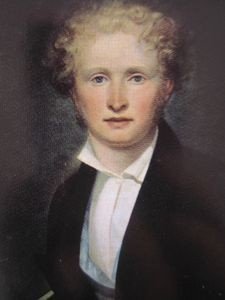
Raymond Bonheur
1796 - 1849, Francia
Informazioni rapide su Raymond Bonheur
- Artistic Movement Or Style: Realismo, Saint-Simonianesimo
- Artists Or Movements Influenced By This Artist:
- Rosa Bonheur
- Realismo
- Artists Who Influenced This Artist:
- Paulus Potter
- Aelbert Cuyp
- Date Of Birth: 1796
- Date Of Death: 1849
- Full Name: Oscar-Raymond Bonheur
- Nationality: Francese
- Notable Artworks:
- Aratura nel Nivernais
- La fiera del cavallo
- Place Of Birth: Bordeaux, Francia
Biografia dell'artista
Raymond Bonheur: La Silenziosa Fondazione di un'Eredità
Raymond Bonheur (1796–1849) rimane una figura piuttosto ombrosa negli annali dell'arte del XIX secolo, spesso oscurata dalla fama della sua celebre figlia, Rosa. Eppure, liquidarlo come un semplice comprimario sarebbe un profondo errore. Egli fu, in realtà, un'influenza cruciale: un pittore di paesaggi e ritratti profondamente radicato nel Saint-Simonianesimo, un movimento socialista cristiano utopico che plasmò profondamente la sua filosofia e il suo approccio artistico. Nato in una famiglia artisticamente incline — suo padre, Oscar-Raymond Bonheur, era egli stesso un rispettato pittore — la vita di Raymond si svolse sullo sfondo della Francia rivoluzionaria, un periodo segnato da sconvolgimenti sociali e fermento intellettuale. I suoi primi anni trascorsi a Bordeaux, assorbendo le tradizioni artistiche della regione mentre si confrontava simultaneamente con le complessità delle convinzioni non convenzoloali del padre. Il movimento saint-simoniano, che sosteneva la riforma dell'istruzione e l'armonia sociale attraverso l'arte, instillò in Raymond la fede nel potere trasformativo della creatività e nel suo potenziale di contribuire a un mondo migliore. Questa convinzione lo spinse ad abbandonare un percorso di carriera convenzionale per dedicarsi interamente alla pittura, una decisione che alla fine lo allontanò dalla sua famiglia e dai suoi figli. La sua partenza con la comunità segnò un punto di svolta significativo, capace di impattare profondamente le vite di coloro che lasciò indietro, inclusa la sua giovane figlia Rosa.Un Pittore di Paesaggi e Idealista Saint-Simoniano
Lo stile artistico di Raymond era caratterizzato da una meticolosa attenzione al dettaglio e da un profondo apprezzamento per il mondo naturale. Si concentrò principalmente sulla pittura di paesaggio e sulla ritrattistica, spesso raffigurando scene di vita rurale con un realismo straordinario. Le sue opere sono infuse di un senso di tranquillità e armonia, riflettendo l'ideale saint-simoniano di unità sociale e illuminazione spirituale. A differenza di molti suoi contemporanei che cercavano grandiosi soggetti storici o mitologici, Raymond scelse di catturare la bellezza quotidiana della campagna francese: colline ondulate, campi verdi e villaggi incantevoli. La sua pennellata era precisa e controllata, capace di trasmettere un senso di ordine e equilibrio. Utilizzava frequentemente la prospettiva atmosferica per creare profondità e distanza nelle sue composizioni, rendendo con maestria gli effetti di luce e ombra. Sebbene non venissero ampiamente esposti durante la sua vita, i dipinti di Raymond erano ammirati dai compagni saint-simoniani, che riconoscevano il valore del suo lavoro come incarnazione dei loro principi filosofici. La sua dedizione nel catturare l'essenza della natura e nel promuovere l'armonia sociale attraverso l'arte stabilì una base cruciale per le future imprese artistiche di Rosa Bonheur.L'Influenza sullo Sviluppo Artistico di Rosa Bonheur
Il straordinario successo di Rosa Bonheur come pittrice di animali deve molto, in parte non trascurabile, all'influenza precoce del padre. Raymond le fornì un'educazione artistica senza pari, coltivando il suo talento innato e instillandole un profonda passione per il mondo naturale. La incoraggiò a studiare meticolosamente l'anatomia animale, portando spesso animali vivi nel loro studio domestico per l'osservazione e lo schizzo. Questo approccio pratico — una rarità per le giovani artiste dell'epoca — permise a Rosa di sviluppare una comprensione profonda della forma e del movimento animale. I paesaggi stessi di Raymond fungevano da modelli per Rosa, dimostrando la sua tecnica meticolosa e il suo apprezzamento per la prospettiva atmosferica. Inoltre, egli le trasmise un forte senso di autosufficienza e indipendenza, qualità che si sarebbero rivelate inestimabili durante tutta la sua carriera. Le convinzioni saint-simoniane della famiglia modellarono anche la visione artistica di Rosa, incoraggiandola a ritrarre gli animali con empatia e rispetto, piuttosto che come meri soggetti di studio scientifico. Si nota spesso come l'influenza di Raymond su Rosa non fosse meramente tecnica, ma profondamente filosofica, plasmando il modo in cui lei approcciava la sua arte e il suo rapporto con il mondo naturale.Una Famiglia Divisa: Perdita e Ricongiungimento
La vita di Raymond Bonheur prese una svolta tragica quando si unì alla comunità saint-simoniana nel 1839, lasciando dietro di sé la moglie, Sophie, e i loro quattro figli. Questa decisione, mossa dal suo impegno verso gli ideali del movimento, portò a una dolorosa separazione e, in ultima analisi, contribuì al declino della salute della famiglia. L'abbandono dei figli creò una situazione complessa ed emotivamente tormentata. Egli mandò i suoi due figli in un collegio, mentre Rosa rimase con la madre. Questo periodo di isolamento influenzò profondamente la vita di Raymond, segnata dal rimpianto e da un senso di responsabilità per le difficoltà causate alla sua famiglia. Sorprendentemente, la dedizione di Raymond alla comunità saint-simoniana non diminuì; al contrario, si intensificò, portandolo a dedicarsi interamente all'arte. Anni dopo, dopo la morte di Sophie, Raymond tornò per prendersi cura dei suoi figli, dimostrando una straordinaria capacità di redenzione e un amore profondo che trascendeva gli anni della separazione. Questa storia toccante evidenzia il costo personale dell'impegno ideologico e i legami indissolubili della famiglia.Eredità e Significato Storico
Sebbene la produzione artistica di Raymond Bonheur sia stata relativamente modesta rispetto a quella della figlia, la sua influenza sulla carriera di Rosa Bonheur è innegabile. Gli fornì una solida base nell'arte, le trasmise l'amore per il mondo naturale e ne alimentò lo spirito indipendente. Il suo impegno verso gli ideali saint-simoniani — che enfatizzavano l'istruzione, l'armonia sociale e il potere trasformativo della creatività — plasmò la visione artistica di lei e contribuì al suo successo come una delle più celebri pittrici di animali del XIX secolo. Inoltre, la storia di Raymond funge da esempio convincente di un artista che sfidò le aspettative convenzionali e perseguì la propria passione nonostante le difficoltà personali. Egli rappresenta una forza silenziosa ma significativa nella storia dell'arte francese: una figura fondante la cui eredità continua a risuonare attraverso l'opera della sua straordinaria figlia, Rosa Bonheur. La sua dedizione nel catturare la bellezza del mondo naturale e nel promuovere l'armonia sociale rimane una testimonianza del potere duraturo dell'arte come mezzo per esprimere i valori e le aspirazioni umane.Articoli correlati

The Evocative Embrace of Reality: Exploring Romantic Realism in 19th-Century Painting
Explore the captivating world of Romantic Realism! Discover key artists like Courbet & Millet, masterpieces, and the social context behind this influential art movement. Expert insights for collectors at OriginalUniqueArt.
Rosa Bonheur: Realism, Rural Life & Redefining Women's Roles in 19th-Century Art
Explore the life & art of Rosa Bonheur, a pioneering Realist painter who redefined women's roles in 19th-century France. Discover her iconic animal paintings and lasting influence on art history. Learn more at OriginalUniqueArt.

Victorian Realism: The Raw, High-Definition Drama and Unflinching Truth of 19th-Century Masterpieces
Experience the raw, high-definition drama of Victorian Realism. Explore 19th-century masterpieces through our premium, hand-painted oil reproductions. Discover how the unflinching truth of historical art meets modern luxury to transform your space with timeless, museum-quality detail.

I 10 Capolavori del Realismo Romantico che hanno Incantato la Storia dell'Arte
Esplora l'emozione del Realismo Romantico attraverso 10 capolavori senza tempo. Scopri la storia di maestri come Constable e Friedrich e lasciati ispirare da opere iconiche per il tuo arredamento. Trova riproduzioni d'arte di qualità museale su OriginalUniqueArt.com.