Anteprima in scala reale
 Invia
Invia Condividi
 Dettagli opera
 Guida
Guida

 Scarica
 Simili
 Radiografia
 Slideshow
 Statistiche
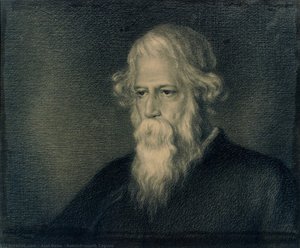
Rabindranath Tagore
 Oil On Canvas
- WallArt
- Contemporary Realism
 1952
1952- 19th Century
 60.0 x 50.0 cm
 Victoria Memorial Hall
 Espandi i dettagli
L'opera d'arte visualizzata in questa pagina è protetta dalle leggi sul diritto d'autore, il che significa che non possiamo legalmente creare o vendere una riproduzione identica. Tale protezione è garantita da accordi internazionali quali la Convenzione di Berna e dalle leggi nazionali, incluse quelle stabilite da Legge sul copyright degli Stati Uniti - Titolo 17. Tutti i diritti riservati. Le immagini presenti su questo sito sono protette da copyright e non possono essere riprodotte o utilizzate senza l'autorizzazione scritta di WahooArt.com o dei rispettivi proprietari del copyright.
Questo metodo è pienamente conforme alle normative sul diritto d'autore poiché non prevede la copia o la duplicazione dell'opera protetta. Si tratta invece di una rielaborazione creativa: un nuovo dipinto che trae ispirazione dall'originale, senza tuttavia esserne identico.
Giclée / Stampe d'arte
Stampa giclée o su tela di qualità museale, con produzione rapida e diverse opzioni di finitura. ( Acquista il dipinto realizzato a mano Passa all'immagine digitale)




P118B €10

P118H €10

P118W €10

P438Z €10

P508JH €12

P508YH €12

P805H €10

P805Z €10

P919BZ €10

P919G €10

P919XJ €10

P959ZH €10

P968JZ €12

W106C €8

W218G €10

W218JH €8

W218Y €10

W307PJ €10

W316G €10

W316PJ €8

W316Y €10

W398PJ €8

W4111J €10

W500HY €15

W500JH €15

W692G €12

W849H €8

W940BG €15

W953PJ €8




Scegli tra le nostre dimensioni predefinite, che rispettano le proporzioni originali dell'opera d'arte.

Inserisci la larghezza e l'altezza desiderate, per adattarle alla tua cornice o alla tua parete. Una stampa può essere solo ritagliata, mai resa più grande dell'immagine originale; pertanto, un formato con una forma differente comporterà la perdita di una parte dell'opera. Ti invieremo un mockup digitale da approvare prima di procedere con la stampa. L'immagine mostrata in questa pagina non rappresenta il ritaglio reale — solo il mockup lo mostra.
Consegna in tutto il mondo () in 2 settimane invece delle normali 4/5 settimane. (25 Ottobre)

Spedizione espressa gratuita in tutto il mondo

Tela in lino di alta qualità

Assicurazione completa sulla spedizione

Garanzia di rimborso dei dazi doganali

Garanzia di fedeltà cromatica assoluta

Politica di reso entro 100 giorni (solo per difetti di fabbricazione)

Garanzia di rimborso al 100%

Offerta per acquisti multipli
 L'opzione vetro è disponibile solo per dimensioni inferiori a 110 cm

Rabindranath Tagore
Giclée / Stampe d'arte
Dimensioni riproduzione
-


Prezzo finale calcolato
€ 70
A Portrait of Intellectual Grace: Rabindranath Tagore by Atul Basu
This evocative portrait of Rabindranath Tagore, rendered in 1952 by the esteemed Indian painter Atul Basu, transcends a simple likeness; it’s an embodiment of the poet and philosopher's profound intellect and contemplative spirit. Painted during a pivotal period of his life – shortly after receiving the Nobel Prize for Literature – the artwork captures Tagore not merely as a celebrated figure, but as a man steeped in wisdom and perhaps a touch of melancholy, qualities that resonate deeply within the painting’s carefully constructed composition.
Artistic Technique and Historical Context
- Style & Medium: The work exemplifies representational portraiture executed with a mastery of oil paint on canvas. Basu's brushwork, subtly visible in the photograph, reveals a traditional technique rooted in post-impressionist influences, particularly evident in Walter Sickert’s approach to capturing human emotion through light and shadow.
- Artist Background: Atul Basu (1898-1977), born in Mymensingh, India, was a significant figure in the development of Indian modern art. His training at the Royal Academy in London exposed him to European artistic trends while firmly grounding his work within an Eastern sensibility. He played a crucial role in establishing and directing institutions like the Indian School of Oriental Art, contributing significantly to the preservation and promotion of traditional Indian artistic values.
- Historical Significance: Created in 1952, the painting reflects a moment of international recognition for Tagore’s literary achievements, solidifying his place as one of the world's most influential thinkers and writers. The artwork serves as a visual testament to this legacy.
Compositional Elements and Symbolism
The portrait adheres to a classic bust-length format, centering Tagore’s face and upper torso – a deliberate choice that fosters a direct connection with the viewer. The dark, indistinct background serves to heighten the subject's presence, emphasizing his dignified gaze. Notably, Tagore is depicted in a red robe, a color often associated with spirituality and authority within Indian traditions, subtly reinforcing his role as a respected intellectual leader and perhaps hinting at his Upanishadic ideals of education.
Color Palette and Emotional Impact
Basu’s masterful use of warm tones – reds, yellows, and whites – creates an atmosphere of serenity and contemplation. The soft, diffused lighting eliminates harsh shadows, further contributing to the painting's sense of wisdom and introspection. Tagore’s expression, a blend of intelligence and melancholy, invites viewers to contemplate the complexities of human thought and experience. The layering of colors within the robe adds depth and texture, enhancing the overall visual richness of the piece.
Dimensions and Materials
This reproduction is presented in a substantial 60 x 50 cm format, ensuring that it will make a significant statement within any interior space. The artwork is meticulously crafted using high-quality materials to faithfully replicate the original’s texture and color depth, offering collectors and art enthusiasts alike an authentic representation of Atul Basu's remarkable talent.
Domande e risposte
Dove e per quale uso è consigliata "Rabindranath Tagore"?
"Rabindranath Tagore" di Atul Basu è consigliato per Reflective, idealmente in un Living Room. L'uso e lo spazio aiutano a individuare l'ambiente ideale per una riproduzione.
Come posso visualizzare un'anteprima di una riproduzione di "Rabindranath Tagore" di Atul Basu?
La pagina di Anteprima in ambiente di "Rabindranath Tagore" ti permette di visualizzare un'anteprima dell'opera prima dell'ordine.
Quanto sono intensi i colori di "Rabindranath Tagore" di Atul Basu?
L'intensità cromatica di "Rabindranath Tagore" è Monochromatic. L'intensità indica quanto i colori appaiano vividi.
Biografia dell'artista
primi anni e formazione
Atul Basu, illustre pittore indiano, nacque il 22 febbraio 1898 a Mymensingh, all'epoca parte della presidenza del Bengala. L'infanzia trascorsa nella città di Mymensingh gettò le basi per le sue future imprese artistiche; il suo percorso formativo ebbe inizio presso la filiale di Mymensingh del National Council of Education, per poi proseguire con gli studi alla Jubilee Art Academy di Calcutta.carriera e influenze
Grazie a una borsa di studio dell'Università di Calcutta, Basu poté approfondire la sua arte presso la Royal Academy di Londra (1924-19 26), un periodo in cui fu profondamente influenzato dal post-impressionista Walter Sickert. Un momento emblematico della sua carriera fu il rifiuto di un invito a decorare il padiglione della British Empire Exhibition, un gesto che testimonia la sua incrollabile dedizione alla propria visione artistica. Nel 1921, insieme a Bhabani Charan Laha, co-fondò l'Indian School of Oriental Art e successivamente ricoprì la carica di direttore del Government College of Art & Craft. Le sue opere più significative, tra cui Sphinx (olio su compensato) e il Autoritratto (1945), sono testimonianze magistrali della sua padronanza dei colori a olio.opere celebri e collezioni
Tra i suoi capolavori più noti figurano:- Sphinx (olio su compensato)
- Autoritratto (1945)
- Ritratti appartenenti alle collezioni originali di Windsor Castle e di Buckingham Palace, commissionati dal governo indiano
- Kiran Nadar Museum of Art (KNMA)
- National Gallery of Modern Art
- Indian Museum
- Parliament House, New Delhi
- Raj Bhavan, Calcutta
premi e riconoscimenti
Nel 1970, Basu fu insignito del prestigioso titolo di D.Litt dall'Università Rabindra Bharati di Calcutta. scopri altre opere di Atul Basu su OriginalUniqueArt.com: esplora altri artisti indiani e le loro opere su OriginalUniqueArt.com:
Atul Basu
1898 - 1977 , India
Dettagli rapidi
- Artistic Movement Or Style: Arte grafica, Xilografia
- Artists Or Movements Influenced By This Artist:
- Rene Magritte
- Martin Gardner
- Artists Who Influenced This Artist:
- George Arnold Escher
- Frank Reaugh
- Date Of Birth: 17 giugno 1898
- Date Of Death: 27 marzo 1972
- Full Name: Maurits Cornelis Escher
- Nationality: Olandese
- Notable Artworks:
- Mano con sfera riflettente
- Mani che disegnano
- Relatività
- Cascata
- Ascendente e discendente
- Place Of Birth: Leeuwarden, Paesi Bassi
Articoli correlati
George Catlin e la testimonianza visiva delle culture indigene americane: arte, storia e memoria
Esplora la vita e l'opera di George Catlin, il pittore che immortalò le culture native americane del XIX secolo. Analisi approfondita del suo 'Indian Gallery', eredità artistica e controversie. Scopri i musei che custodiscono le sue opere.
Joseph Henry Sharp: Capturing the Spirit of the Plains – Life, Art & Legacy
Explore the life & art of Joseph Henry Sharp, a founding member of the Taos Society of Artists renowned for his realistic depictions of Native American culture and Western landscapes. Discover his legacy with OriginalUniqueArt.

Visioni Panoramiche dell'Impero: Arte, Collaborazione e l'Eredità dei Daniell
Esplora l'arte dei Daniell e il fascino dell'India del XIX secolo. Analisi approfondita di paesaggi, tecniche pittoriche e l'influenza dell'Orientalismo. Scopri la loro eredità artistica su OriginalUniqueArt.
Shadow Catcher: Edward S. Curtis & the Ethnographic Portraiture of a Vanishing West
Explore the life & work of Edward S. Curtis, the 'Shadow Catcher,' and his groundbreaking photographic documentation of Native American cultures. Discover iconic images from *The North American Indian* and a critical look at his lasting legacy.

Raja Ravi Varma: Bridging Tradition & Modernity in 19th-Century Indian Art
Explore the life & art of Raja Ravi Varma, a pioneer who fused European techniques with Indian iconography. Discover his iconic paintings, lasting legacy, and influence on modern Indian art at OriginalUniqueArt.