() ·

Un dipinto creato per te, a mano

Landscape

Riproduzione a olio fatta a mano

Olio su tela dipinto a mano nelle tue dimensioni e con la tua cornice, realizzato su ordinazione dai nostri artisti. ( Passa alle stampe Passa all'immagine digitale)

Descrizione del reperto

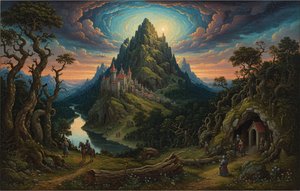
Explore Albrecht Altdorfer’s monochrome engravings – masterful Mannerist landscapes featuring expressive lines & layered compositions. Discover serene scenes of mountains & forests.

Biografia dell'artista

Albrecht Altdorfer (1480-1538): pittore e incisore tedesco, figura chiave della Scuola Danubiana. Scopri la sua arte paesaggistica pionieristica e le opere religiose su OriginalUniqueArt!

da ·

Capitolo 1

Di che dimensioni dovrebbe essere?

Scorri per cambiare la dimensione; l'immagine a sinistra mostra la cornice nella sua larghezza reale. Le proporzioni dell'originale vengono mantenute.

Formato standard
su misura
CM
INCH

Scegli tra le nostre dimensioni predefinite, che rispettano le proporzioni originali dell'opera d'arte.

larghezza
altezza

Inserisci la larghezza e l'altezza desiderate, per adattarle alla tua cornice o alla tua parete. Trattandosi di un'opera dipinta a mano, in caso di dimensioni con un formato differente, l'artista può estendere leggermente il dipinto oltre i bordi dell'immagine o ritagliare una piccola parte — la scelta spetta a te. Ti invieremo un mockup digitale da approvare prima che la realizzazione abbia inizio. L'immagine mostrata in questa pagina non rappresenta il risultato finale — solo il mockup lo fa.

Capitolo 2

Come desideri che venga consegnato?

Scegli il tipo di bordo per la tela tesa

Scegli la tua cornice

Corner sample of the WhiteWrap canvas edge finish, stretched on legno massello bars
Bianco €1
Corner sample of the BlurSideWrap canvas edge finish, stretched on legno massello bars
Bordi sfumati €1
Corner sample of the ExtendedWrap canvas edge finish, stretched on legno massello bars
Bordi estesi €1
Corner sample of the P118B picture frame: polistirene stampato, 5 cm wide and 3 cm thick
P118B €10
Corner sample of the P118H picture frame: polistirene stampato, 5 cm wide and 3 cm thick
P118H €10
Corner sample of the P118W picture frame: polistirene stampato, 5 cm wide and 3 cm thick
P118W €10
Corner sample of the P438Z picture frame: polistirene stampato, 5.5 cm wide and 3.5 cm thick
P438Z €10
Corner sample of the P508JH picture frame: polistirene stampato, 7 cm wide and 3.5 cm thick
P508JH €12
Corner sample of the P508YH picture frame: polistirene stampato, 7 cm wide and 3.5 cm thick
P508YH €12
Corner sample of the P805H picture frame: polistirene stampato, 5 cm wide and 3.5 cm thick
P805H €10
Corner sample of the P805Z picture frame: polistirene stampato, 5 cm wide and 3.5 cm thick
P805Z €10
Corner sample of the P919BZ picture frame: polistirene stampato, 7 cm wide and 3.5 cm thick
P919BZ €10
Corner sample of the P919G picture frame: polistirene stampato, 7 cm wide and 3.5 cm thick
P919G €10
Corner sample of the P919XJ picture frame: polistirene stampato, 7 cm wide and 3.5 cm thick
P919XJ €10
Corner sample of the P959ZH picture frame: polistirene stampato, 5 cm wide and 3 cm thick
P959ZH €10
Corner sample of the P968JZ picture frame: polistirene stampato, 6 cm wide and 4 cm thick
P968JZ €12
Corner sample of the W106C picture frame: legno massello, 5 cm wide and 3 cm thick
W106C €8
Corner sample of the W218G picture frame: legno massello, 5 cm wide and 3 cm thick
W218G €10
Corner sample of the W218JH picture frame: legno massello, 5 cm wide and 3 cm thick
W218JH €8
Corner sample of the W218Y picture frame: legno massello, 5 cm wide and 3 cm thick
W218Y €10
Corner sample of the W307PJ picture frame: legno massello, 6 cm wide and 3 cm thick
W307PJ €10
Corner sample of the W316G picture frame: legno massello, 6 cm wide and 3 cm thick
W316G €10
Corner sample of the W316PJ picture frame: legno massello, 6 cm wide and 3 cm thick
W316PJ €8
Corner sample of the W316Y picture frame: legno massello, 6 cm wide and 3 cm thick
W316Y €10
Corner sample of the W398PJ picture frame: legno massello, 5 cm wide and 3 cm thick
W398PJ €8
Corner sample of the W4111J picture frame: legno massello, 6.5 cm wide and 3.5 cm thick
W4111J €10
Corner sample of the W500HY picture frame: legno massello, 7 cm wide and 5 cm thick
W500HY €15
Corner sample of the W500JH picture frame: legno massello, 7 cm wide and 5 cm thick
W500JH €15
Corner sample of the W692G picture frame: legno massello, 8 cm wide and 4 cm thick
W692G €12
Corner sample of the W849H picture frame: legno massello, 5 cm wide and 3 cm thick
W849H €8
Corner sample of the W940BG picture frame: legno massello, 7.5 cm wide and 4.5 cm thick
W940BG €15
Corner sample of the W953PJ picture frame: legno massello, 6 cm wide and 3.5 cm thick
W953PJ €8
Corner sample of the H24-GOLD picture frame: legno intagliato e gessato, 10 cm wide and 6 cm thick
H24-GOLD €30
Corner sample of the H24-SILVER picture frame: legno intagliato e gessato, 10 cm wide and 6 cm thick
H24-SILVER €30
Corner sample of the H36-GOLD picture frame: legno intagliato e gessato, 15 cm wide and 6.5 cm thick
H36-GOLD €45
Corner sample of the H36-SILVER picture frame: legno intagliato e gessato, 15 cm wide and 6.5 cm thick
H36-SILVER €45
Anteprima cornice
Con cornice

Cornice: . Dimensioni complessive con cornice: .

Capitolo 3

Chi lo dipinge, e dovrebbe cambiare qualcosa?

Esempi di ciò che può essere modificato: Sostituire il volto con la foto del cliente; Aggiungere un animale domestico (ad es. sostituire il gatto con un cane); Inserire un messaggio nascosto nello sfondo; Cambiare il paesaggio o gli elementi dello sfondo.
Dopo l'ordine, il team di OriginalUniqueArt.com invierà un'e-mail al cliente per le istruzioni e fornirà un'anteprima del mockup

Consegna in tutto il mondo () in 3/4 settimane anziché nelle normali 5 settimane. (9 Novembre). Nessun compromesso sulla qualità.

Capitolo 4

Le ultime rifiniture

Una targhetta, come quella di un museo?

Dettagli della targhetta in bronzo inciso

This elegant plaque features the artist's name and the title of the artwork, finely engraved for a timeless presentation.

It is made from bronze with a refined, elegant finish. The text is precisely laser-engraved for a sharp and permanent result. Measuring 9x2 cm, the plaque is compact yet easy to read. It's built to be durable and scratch-resistant, offering a professional, museum-quality look. Mounting is simple thanks to the included adhesive backing.

Dettagli della targhetta in acrilico trasparente

The plaque includes essential engraved details such as the artist's name, the title of the artwork, the date it was created, the type of media used-like oil on canvas or watercolor-a brief description of the piece, and a QR code that links to the complete artwork information.

It is crafted from clear acrylic, offering a sleek, modern appearance. The text is UV-engraved in black to ensure strong visual contrast. With a size of 10x15 cm, it ensures optimal readability. It comes equipped with two metal hooks for secure wall mounting. The plaque is designed to be weather-resistant, making it suitable for various environments, and it includes interactive features that work seamlessly with smartphone scanning.

Dettagli della targhetta in acrilico nero

This elegant plaque includes engraved information such as the artist's name, the title of the artwork, the date it was created, the type of media used (like oil on canvas or watercolor), a short description of the artwork, and a QR code for quick access to more information.

The plaque itself is made from refined black acrylic with a premium finish. The text is laser-engraved in white for high contrast and readability. Its size is 10x15 cm, designed to be easy to read. It comes with two metal hooks for professional mounting. The design is sleek and fits any interior style. It is also weather-resistant and durable, with built-in digital integration for mobile compatibility.

Una vernice protettiva?

Quando ti serve?

Capitolo 5

Il tuo dipinto, esattamente come lo hai ordinato

Landscape

Tecnica di riproduzione

Dimensioni riproduzione

-

Artisti di alto livello

Maggiore dettaglio, finezza e tempi di produzione dedicati

-

Cornice per riproduzione

-

-

Per opere d'arte o riproduzioni con un lato superiore a 105 cm (circa 41 pollici), la cornice verrà spedita in forma di kit smontato. Questo metodo garantisce una consegna sicura e previene danni durante il trasporto.

Montaggio professionale richiesto - non è un prodotto fai-da-te.
Il kit deve essere assemblato e la tela tesa da un esperto cornice professionista, utilizzando colla per legno (non inclusa), una pinza per tendere la tela e morsetti per mantenere i listelli in squadra durante l'asciugatura della colla. Un montaggio errato o una tensione non uniforme della tela possono danneggiare permanentemente l'opera d'arte e non sono coperti dalla nostra garanzia.

  • Tutte le barre in legno massello sono incluse, tagliate con precisione alle dimensioni corrette.

  • Da assemblare con le viti fornite e con la colla per legno per gli incastri degli angoli, che non è inclusa e dovrà essere reperita dal vostro corniceio.

  • Sono necessari strumenti professionali non inclusi: una pinza tendicanvas (tenditore) e dei morsetti per mantenere i listelli in squadra durante l'asciugatura della colla.

Importante:
Gli incastri d'angolo richiedono colla per legno, i listelli devono essere mantenuti in posizione con dei morsetti finché la colla non è completamente asciutta, e il tensionamento della tela sulla cornice assemblata richiede una pinza per tendere la tela. Nessuno di questi strumenti è incluso nel kit. Si prega di consultare un incorniciatore professionista esperto prima di ordinare questa misura.

Didascalia

-

-

Vernice protettiva

Vernice lucida (esalta i colori, protegge da luce e umidità)

-

Personalizza la mia opera

Esempi di personalizzazione: sostituire il volto con una foto del cliente; aggiungere un animale domestico (ad esempio, sostituire un gatto con un cane); inserire un messaggio nascosto nello sfondo; cambiare il paesaggio o gli elementi dello sfondo.

-

Consegna rapida

Consegna in tutto il mondo () in 3/4 settimane anziché nelle normali 5 settimane. (9 Novembre). Nessun compromesso sulla qualità.

-

Spedizione espressa

Spedizione in tutto il mondo () in 5 settimane. (16 Novembre).

Spedizione inclusa

Prezzo finale calcolato

€ 268

Prezzo totale € 268

L'opzione vetro è disponibile solo per dimensioni inferiori a 110 cm

Incluso in ogni ordine

  • Spedizione espressa gratuita in tutto il mondo
  • Tela in lino di alta qualità
  • Assicurazione completa sulla spedizione
  • Garanzia di rimborso dei dazi doganali
  • Garanzia di fedeltà cromatica assoluta
  • Politica di reso entro 100 giorni (solo per difetti di fabbricazione)
  • Garanzia di rimborso al 100%
  • Offerta per acquisti multipli

Albrecht Altdorfer’s “Landscape with Two Pines”: A Pioneer of Pure Vision

Before the rise of Romanticism and its fervent celebration of nature, there existed a profound shift in European art – the emergence of landscape as an independent subject. Within this pivotal moment stands Albrecht Altdorfer (c. 1480-1538), a master of the Danube School, whose “Landscape with Two Pines” (circa 1521-22) isn’t merely a depiction of scenery; it's a declaration of artistic intent, a bold assertion that nature itself could be the primary focus of a painting. This remarkable work, now housed in the Cleveland Museum of Art, represents one of the earliest examples of a purely landscape composition in Western art – a watershed moment before which natural elements were typically relegated to supporting roles within religious or narrative scenes.

Altdorfer’s background profoundly shaped his artistic vision. Born and raised in Regensburg, a vibrant city situated on the Danube River, he was immersed in a landscape of rolling hills, dense forests, and meandering waterways – a setting that would become inextricably linked to his art. His father, Ulrich Altdorfer, a painter and miniaturist, instilled in him an appreciation for detail and craftsmanship, while the city’s bustling cultural environment exposed him to diverse artistic influences. This confluence of personal experience and artistic lineage fueled his desire to capture the essence of the natural world with unprecedented freedom and expressiveness.

A Mannerist Masterpiece: Line, Texture, and Atmospheric Depth

“Landscape with Two Pines” is a quintessential example of Altdorfer’s distinctive style – a potent blend of late Gothic sensibilities and emerging Renaissance ideals. Executed primarily in monochrome etching on iron, the work showcases his mastery of line as both form and emotion. The composition is dominated by elongated, sinuous lines that delineate trees, rocks, and the distant mountains, creating a sense of dynamic movement and unrestrained energy. These aren’t realistic renderings; rather, they are expressive gestures, imbued with a palpable vitality.

  • Line as Form: Altdorfer utilizes hatching and cross-hatching techniques to build up tonal variations and simulate texture – the rough bark of trees, the weathered surface of rocks, and the shimmering water.
  • Atmospheric Perspective: The artist employs a subtle sense of atmospheric perspective, with distant elements rendered in lighter tones and less detailed lines, creating an illusion of depth and recession into the landscape.
  • Expressive Distortion: Altdorfer deliberately distorts forms and proportions, embracing a Mannerist aesthetic characterized by elongated figures, exaggerated perspectives, and a heightened sense of drama. This isn’t about replicating reality; it's about conveying feeling and mood.

The choice of monochrome etching is particularly significant. It forces the viewer to focus on line and texture, intensifying the emotional impact of the scene. The lack of color amplifies the sense of solitude and contemplation, inviting a deeper engagement with the landscape’s inherent beauty.

Symbolism and the Human Connection to Nature

While “Landscape with Two Pines” is undeniably a pioneering work in its depiction of pure landscape, it also subtly hints at symbolic meaning. The two prominent pines, anchoring the composition, can be interpreted as symbols of resilience, endurance, and perhaps even spiritual fortitude. The solitary figure seated beneath one of the trees – a detail often overlooked – suggests a connection between humanity and nature, a moment of quiet contemplation amidst the vastness of the wilderness.

Altdorfer’s approach to landscape reflects a broader shift in artistic thinking during this period. He moved away from the traditional role of landscape as a mere backdrop for human drama, recognizing its intrinsic value as an independent subject worthy of artistic exploration. “Landscape with Two Pines” stands as a testament to his vision – a groundbreaking work that paved the way for future generations of landscape painters and forever altered the course of Western art.

A Legacy of Vision: Reproductions and Artistic Inspiration

Today, “Landscape with Two Pines” continues to captivate viewers with its raw energy, expressive power, and profound connection to nature. High-quality reproductions offer a remarkable opportunity to experience the work’s intricate details and atmospheric depth. Its influence can be seen in the works of later landscape painters, including Caspar David Friedrich, who further developed the Romantic tradition of celebrating the sublime beauty of the natural world. Whether admired as a historical masterpiece or simply appreciated for its aesthetic qualities, “Landscape with Two Pines” remains a powerful reminder of Albrecht Altdorfer’s visionary genius and his enduring contribution to the history of art.

Domande e risposte

In che modo "Landscape" si inserisce nel percorso artistico di Albrecht Altdorfer?

"Landscape" condivide con le altre opere di Albrecht Altdorfer lo stile Mannerist e i temi ricorrenti: renaissance landscape, danube school style, biblical narrative hints, early landscape pioneer, imperial court patronage, altdorfer's visionary", expressive line dominance, nature as spiritual force".

Qual è la luminosità di "Landscape" di Albrecht Altdorfer?

I colori di "Landscape" presentano una luminanza Bright Balance.

A quale movimento e a quale epoca appartiene "Landscape" di Albrecht Altdorfer?

"Landscape" di Albrecht Altdorfer appartiene al movimento Mannerist, inserendosi nel contesto dell'epoca Rinascimento del suo autore.

Maggiori informazioni su questo dipinto

Anteprima in scala reale Anteprima in AR Passa alle stampe Passa all'immagine digitale Invia
Dettagli opera Guida Aggiungi ai preferiti Scarica Simili Radiografia Slideshow Domande e risposte Statistiche

In numeri

  • 29cornici tra cui scegliere
  • dimensioni standard, nelle proprie proporzioni
  • 5settimane per la realizzazione e la consegna
Albrecht Altdorfer

Albrecht Altdorfer

1480 - 1538, Germania

Informazioni rapide su Albrecht Altdorfer

  • Artisti Influenti:
    • Giorgione
    • Lucas Cranach
  • Data Di Nascita: 1480
  • Luogo Di Nascita: Ratisbona, Germania
  • Movimento Artistico: Rinascimento tedesco
  • Nazionalità: Tedesca
  • Nome Completo: Albrecht Altdorfer
  • Opere Notevoli:
    • La battaglia di Alessandro ad Isso
    • Madonna (bella Maria di Ratisbona)

Biografia dell'artista

Primi anni e formazione

Albrecht Altdorfer, pittore, incisore e architetto tedesco di grande rilievo, nacque intorno al 1480 a Ratisbona (Regensburg), in Baviera. Suo padre, Ulrich Altdorfer, era un pittore e miniaturista, il che probabilmente influenzò l'interesse precoce del figlio per l'arte. I primi anni della sua vita furono dedicati all’apprendimento delle tecniche artistiche tradizionali, sviluppando una solida base nella pittura e nel disegno.

Ascesa alla Prominenza e Carriera a Ratisbona

La carriera artistica di Altdorfer iniziò a prendere forma con la creazione di piccole opere intime in media non convenzionali. Nel 1505, si stabilì definitivamente a Ratisbona, dove divenne architetto comunale e consigliere cittadino, dimostrando una versatilità che andava oltre le sue capacità artistiche. I suoi primi lavori firmati, tra cui incisioni e disegni come "Stigmate di San Francesco" e "San Girolamo", risalgono al 1506 circa, segnando l'inizio del suo riconoscimento artistico.

Il Ruolo nella Scuola Danubiana e l’Innovazione nel Paesaggio

Altdorfer è considerato una figura chiave della Scuola Danubiana, un movimento artistico che si sviluppò nell'area meridionale della Germania e che introdusse il paesaggio come genere autonomo. I suoi viaggi lungo il Danubio e nelle Alpi nel 1511 lo ispirarono a diventare uno dei primi pittori di paesaggi nella storia dell’arte moderna, guidando la Scuola Danubiana verso nuove frontiere espressive. La sua capacità di catturare la bellezza della natura e di integrarla nelle sue opere religiose fu una caratteristica distintiva del suo stile.

Opere Significative, Collaborazioni e Influenze

Altdorfer realizzò numerose opere importanti, tra cui "La Battaglia di Alessandro ad Isso" (1529) per il duca Guglielmo IV di Baviera. Collaborò con Massimiliano I a Innsbruck dal 1513, contribuendo alla sua corte artistica. Fu influenzato da artisti come Giorgione e Lucas Cranach, elementi che si possono notare nelle sue opere religiose e nei suoi ritratti. La sua capacità di combinare elementi classici con un'interpretazione personale lo rese un artista unico nel suo genere.

Eredità Artistica e Raccolte Museali

L’eredità artistica di Altdorfer si estende ben oltre le sue 55 tavole dipinte, i 120 disegni e le numerose incisioni. Il suo impatto sull'arte del Rinascimento tedesco è innegabile, soprattutto per la sua innovativa interpretazione del paesaggio. Le sue opere sono oggi conservate in importanti musei di tutto il mondo, tra cui: Altdorfer ha lasciato un segno indelebile nella storia dell'arte, aprendo la strada a nuove forme di espressione artistica e influenzando generazioni di pittori. La sua capacità di fondere elementi religiosi con la bellezza della natura lo rende una figura centrale nel Rinascimento tedesco.

Informazioni rapide

  • Medium: Engraving
  • Movement: Danube School
  • Title: Landscape
  • Influences: Early Renaissance
  • Artist: Albrecht Altdorfer

Quiz d'arte

Per ogni domanda è presente una sola risposta corretta.

Domanda 1:
What artistic movement is most closely associated with Albrecht Altdorfer’s ‘Landscape with Two Pines’?
Domanda 2:
The etching 'Landscape with Two Pines' is significant because it was one of the first examples of:
Domanda 3:
What material was primarily used for creating the etchings 'Landscape with Two Pines'?
Domanda 4:
Based on the description, what is a key characteristic of Altdorfer’s landscape style?
Domanda 5:
Albrecht Altdorfer’s work is often associated with which geographical region?