

 Anteprima in scala reale
 Invia
Invia Condividi
 Dettagli opera
 Guida
Guida

 Scarica
 Simili
 Radiografia
 Slideshow
 Statistiche
A Sleeping Girl
 Oil On Canvas
- WallArt
- Pre-Raphaelite
 1875
1875 22.0 x 30.0 cm
 Tate Britain
 Espandi i dettagli
Giclée / Stampe d'arte
Stampa giclée o su tela di qualità museale, con produzione rapida e diverse opzioni di finitura. ( Acquista il dipinto realizzato a mano Passa all'immagine digitale)




P118B €10

P118H €10

P118W €10

P438Z €10

P508JH €12

P508YH €12

P805H €10

P805Z €10

P919BZ €10

P919G €10

P919XJ €10

P959ZH €10

P968JZ €12

W106C €8

W218G €10

W218JH €8

W218Y €10

W307PJ €10

W316G €10

W316PJ €8

W316Y €10

W398PJ €8

W4111J €10

W500HY €15

W500JH €15

W692G €12

W849H €8

W940BG €15

W953PJ €8




Scegli tra le nostre dimensioni predefinite, che rispettano le proporzioni originali dell'opera d'arte.

Inserisci la larghezza e l'altezza desiderate, per adattarle alla tua cornice o alla tua parete. Una stampa può essere solo ritagliata, mai resa più grande dell'immagine originale; pertanto, un formato con una forma differente comporterà la perdita di una parte dell'opera. Ti invieremo un mockup digitale da approvare prima di procedere con la stampa. L'immagine mostrata in questa pagina non rappresenta il ritaglio reale — solo il mockup lo mostra.
Consegna in tutto il mondo () in 2 settimane invece delle normali 4/5 settimane. (27 Ottobre)

Spedizione espressa gratuita in tutto il mondo

Tela in lino di alta qualità

Assicurazione completa sulla spedizione

Garanzia di rimborso dei dazi doganali

Garanzia di fedeltà cromatica assoluta

Politica di reso entro 100 giorni (solo per difetti di fabbricazione)

Garanzia di rimborso al 100%

Offerta per acquisti multipli
 L'opzione vetro è disponibile solo per dimensioni inferiori a 110 cm

A Sleeping Girl
Giclée / Stampe d'arte
Dimensioni riproduzione
-


Prezzo finale calcolato
€ 70
A Portrait of Quietude: Exploring Albert Moore’s “Sleeping Girl”
Albert Joseph Moore's "Sleeping Girl," completed around 1875, stands as a quintessential example of Pre-Raphaelite painting—a movement dedicated to reviving artistic ideals considered superior to those prevalent in the academic tradition. More than just a depiction of repose, this oil on canvas delves into themes of vulnerability, beauty, and contemplation, capturing a moment frozen in time with remarkable sensitivity. Tate Gallery houses the original artwork, offering visitors an opportunity to experience its ethereal luminescence firsthand.- Subject Matter: The painting portrays a young woman reclining gracefully on a chaise lounge, enveloped in soft drapery and surrounded by delicate floral arrangements—a deliberate choice reflecting the Pre-Raphaelite fascination with idealized landscapes and mythological narratives rooted in medieval literature.
- Style & Technique: Moore’s meticulous approach to composition and execution aligns perfectly with the stylistic principles of his era. He employed a layered brushstroke technique, building up color and form gradually—a hallmark of Academic painting—to achieve an unparalleled level of luminosity and textural detail. The artist's careful attention to light and shadow contributes significantly to the artwork’s serene atmosphere.
- Historical Context: Emerging in Britain during the Victorian period, Pre-Raphaelite art reacted against the perceived artificiality of academic conventions, championing instead a return to artistic sincerity and emotional expression inspired by early Renaissance masters—specifically those preceding Raphael. This movement sought to recapture the spirit of medieval art, prioritizing beauty and moral contemplation over mere technical virtuosity.
- Symbolism: The inclusion of roses—a recurring motif in Pre-Raphaelite imagery—amplifies the painting’s symbolic resonance. Roses traditionally represent love, passion, and purity—themes interwoven throughout Moore's composition to convey a profound sense of innocence and tranquility. The woman’s closed eyes symbolize sleep, representing not merely physical rest but also spiritual contemplation and detachment from worldly concerns.
- Emotional Impact: “Sleeping Girl” succeeds in evoking a powerful emotional response in the viewer—a feeling of quiet serenity and melancholic beauty. Moore's masterful use of color palettes—muted earth tones combined with soft whites—creates an immersive experience that invites reflection on themes of vulnerability, grace, and fleeting moments of sublime perfection.
Detailed Examination of Composition & Color Palette
Moore’s compositional choices are deliberate and contribute significantly to the artwork's overall impact. The central figure dominates the canvas, positioned at the heart of a carefully arranged space defined by supporting elements—floral cushions and vases—that serve as visual anchors. Lines are predominantly smooth and flowing, particularly in the drapery and the woman’s hair, creating an impression of softness and movement. Perspective is shallow, fostering a sense of intimacy between the viewer and the subject matter. Depth is achieved through subtle tonal variations and layering techniques—a testament to Moore's technical prowess. The color palette leans towards muted earth tones—primarily ochre and ivory—underscored by delicate shades of pink and white—creating an ethereal luminescence that enhances the painting’s dreamlike quality.Materials & Artistic Process
“Sleeping Girl” is executed in oil paints on canvas—a medium favored by Academic artists for its ability to capture nuanced tonal gradations and achieve exceptional textural richness. Moore undertook extensive preparatory studies, meticulously sketching the figure and drapery separately before embarking on the final painting process. He employed a technique known as glazing—applying thin layers of translucent color over underlying pigments—to build up depth and luminosity gradually—a hallmark of Pre-Raphaelite artistry. This painstaking approach ensured that every detail was rendered with meticulous precision, resulting in an artwork of breathtaking beauty and artistic integrity.Domande e risposte
È disponibile una presentazione a diapositiva per "A Sleeping Girl" di Albert Joseph Moore?
Puoi visualizzare "A Sleeping Girl" di Albert Joseph Moore in formato slideshow nella pagina Slideshow dell'opera.
Con quale tecnica è realizzata "A Sleeping Girl" di Albert Joseph Moore?
"A Sleeping Girl" è realizzata con Oil On Canvas.
Qual è il tono emotivo di "A Sleeping Girl" di Albert Joseph Moore?
"A Sleeping Girl" di Albert Joseph Moore trasmette un tono emotivo Calm.
Biografia dell'artista
La Vita e l'Educazione di Albert Joseph Moore
Albert Joseph Moore, pittore inglese rinomato, nacque il 4 settembre 1841 a York, nel Regno Unito. Era il tredicesimo figlio e il quattordicesimo bambino di William Moore, noto ritrattista, e della sua seconda moglie, Sarah Collingham. Molti dei suoi numerosi fratelli ricevettero un'educazione artistica, tra cui Henry Moore, R.A., un importante pittore marino. Albert Moore studiò presso la Archbishop Holgate’s School e la St. Peter’s School di York, dove ricevette anche istruzione in disegno e pittura da suo padre. Dimostrò notevoli progressi, ottenendo una medaglia dal Dipartimento di Scienza e Arte a Kensington nel maggio 1853, prima di aver compiuto dodici anni.L'Evoluzione Artistica e lo Stile
I primi lavori di Moore risentono dell’influenza di Ruskin. Già nel 1857 espose alla Royal Academy, presentando un cardellino e una beccaccia. Il suo stile artistico si evolse nel tempo, con l'emergere di un carattere neoclassico negli anni '60. Durante questo periodo, Moore progettò piastrelle, carta da parati e vetrate per Morris, Marshall, Faulkner and Co., lavorando anche come pittore di murales ecclesiastici e domestici. Le sue opere si caratterizzano tipicamente per singole figure femminili con proporzioni formalizzate, drappeggi neoclassici e accessori floreali, stabilendo una corrente importante del movimento estetico.Opere Significative e Temi Ricorrenti
Tra le opere più note di Moore figurano:- The Marble Seat (1865), una lunga serie di dipinti puramente decorativi.
- Elijah's Sacrifice (1863), che mostra l’influenza di Ford Madox Brown ed Edward Armitage.
- The Loves of the Seasons and the Winds, uno dei suoi lavori più elaborati e meticolosi, dipinto per Mr. McCulloch.
Eredità e Riconoscimenti
Nonostante si affidasse esclusivamente al proprio giudizio in questioni sociali e artistiche, il che talvolta ostacolò la sua ammissione nei ranghi della Royal Academy, Moore continuò a lavorare fino alla sua morte il 25 settembre 1893. Le sue opere sono oggi presenti in importanti musei e collezioni, tra cui:- York Museums Trust (York, Regno Unito), con dipinti come Kingcups.
- La Royal Academy (Londra, Regno Unito).

Albert Joseph Moore
1841 - 1893 , Regno Unito
Dettagli rapidi
- Artistic Movement Or Style: Estetismo, Neo-classicismo
- Artists Or Movements Influenced By This Artist: ['Aesthetic Movement']
- Artists Who Influenced This Artist:
- Ruskin
- Ford Madox Brown
- Edward Armitage
- Date Of Birth: 4 settembre 1841
- Date Of Death: 25 settembre 1893
- Full Name: Albert Joseph Moore
- Nationality: Britannico
- Notable Artworks:
- The Marble Seat
- Elijah’s Sacrifice
- The Loves of the Seasons
- Place Of Birth (City And Country): York, Regno Unito
Articoli correlati

The Pre-Raphaelite Brotherhood: Rediscovering Beauty, Romance, and Medieval Magic in Victorian Art
Embark on a journey through the Pre-Raphaelite Brotherhood. Discover the romantic symbolism, medieval magic, and radical beauty of Rossetti and Burne-Jones in this expert exploration of Victorian art history.

Pre-Raphaelite Romanticism: A Guide to Vivid Detail and Medieval Beauty in Victorian Art
Explore the vivid detail and medieval beauty of Pre-Raphaelite Romanticism. Discover the history of masters like Rossetti and Millais through our expert guide to Victorian art, perfect for collectors and professionals seeking authentic, museum-quality reproductions.

I Preraffaelliti: Ribellione Estetica e Dettaglio Narrativo nell'Inghilterra Vittoriana
Esplora il movimento preraffaellita con OriginalUniqueArt. Analisi approfondite di Millais, Rossetti e Hunt, tecniche innovative e l'impatto rivoluzionario sull'arte vittoriana. Scopri la bellezza e i dettagli narrativi delle opere più iconiche.

Dante Gabriel Rossetti: I 25 Capolavori che Definiscono un Maestro del Simbolismo
Esplora i 25 capolavori di Dante Gabriel Rossetti, pittore preraffaellita simbolo del romanticismo vittoriano. Scopri storie, tecniche e colori unici delle sue opere più famose. Trova riproduzioni d'arte di alta qualità per la tua casa su OriginalUniqueArt.com
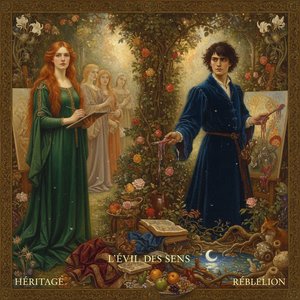
The Pre-Raphaelite Brotherhood: Reclaiming Beauty, Nature, and Truth in Victorian Art History
Explore the revolutionary Pre-Raphaelite Brotherhood. Discover how these visionary artists rejected academic tradition to reclaim beauty, nature, and truth through luminous detail and literary depth in Victorian art history.