Late Medieval, one artist at a time

99 Famous Late Medieval Művészek Who Shaped the Movement

Simone Martini (1284–1344) is the most famous Late Medieval művész, whose singular vision gave us A Bejelentés és két szent és Az angyal az Ítélet napján. Next stand Andrej Rubljov, Ambrogio Lorenzetti, Pietro Lorenzetti és Hubert Van Eyck. These 99 művészek, from Yuan Dynasty (born 1271) to Hubert Van Eyck (born 1366), came from 22 countries.

Our selection. Artists whose works our catalogue attaches to Late Medieval, in the order of our fame ranking. Artists born after 1955 with no Wikidata identifier stay out until verified. The Wikipedia figure counts our 32 languages with an article on the artist.

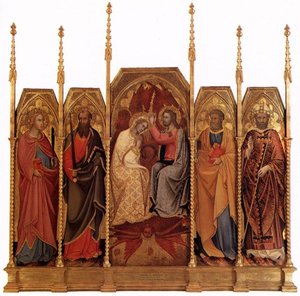
  1. A Bejelentés és két szent, Simone Martini alkotása1Simone Martini
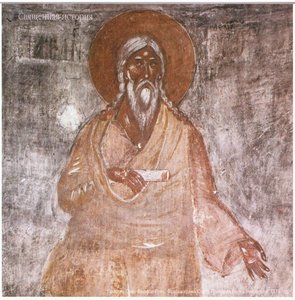
  2. Deesis Range: The Archangel Michael, Andrej Rubljov alkotása2Andrej Rubljov
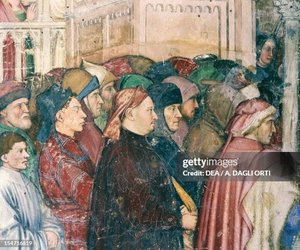
  3. A jó község hatása városi életre ( részlet), Ambrogio Lorenzetti alkotása3Ambrogio Lorenzetti

In brief

Late Medieval in brief

  • 99Művészek
  • 1271–1366Születési évek
  • 22Születési országok
  • 1Nők
  • 5Élő művészek
  • 1 514Katalógusunkban szereplő művek
A legtöbb születéssel rendelkező városok
Siena (14), Florence (6), Firenze (5), Modena (3)
A legfontosabb művekkel rendelkező múzeumok
Metropolitan Művészeti Múzeum (18), National Gallery of Art (6), Galleria degli Uffizi (4), Yale University Art Gallery (4)
A lista női alkotói
Mother Julian

One artist at a time

99 Late Medieval Művészek and their signature works

1of 99

Simone Martini

olasz Born in Siena Nemzetközi gótika Wikipedia in 28/32 languages

Simone Martini

Saint Louis of Toulouse Crowning His Brother Robert of Anjou, 1317. Saint Louis of Toulouse Crowning His Brother Robert of Anjou, 1317. Simone Martini keze folyamatosan alkotott utazásai során, olyan műveket hagyva hátra, amelyek a megbízói változó igényeit tükrözik. 1317-ben az Szent Lujos király és testvére, Anjou Rólbert koronázása című alkotáson dolgozott, amely a szent és testvére közötti családi és spirituális kapcsolat pillanatát örökíti meg.

Teacher of Lippo Memmi #10

Signature works · The 100 signature works

2of 99

Andrej Rubljov

Orosz Born in Moszkvai Nagyfejedelemség Orosz ikonfestészet Wikipedia in 31/32 languages

Andrej Rubljov

Andrei Rublev (kb. 1360 – kb. 1430) a szent orosz művészet történetének egyik legrejtélyesebb és legmélyebb hatású alakja marad. Korai pályafutás a Kremlben: Rublev korai munkássága elválaszthatatlanul kapcsolódik a moszkvai Kremlhez. 1405-ben Theofánésszal és Gorodetszki Prokhorral együtt dolgozott az Ébredés Katedrális díszítésén, ami döntő pillanat volt az orosz ikonfestészet történetében.

Signature works · The 100 signature works

3of 99

Ambrogio Lorenzetti

Born in Siena Wikipedia in 29/32 languages

Ambrogio Lorenzetti

Ambrogio Lorenzetti, aki körülbelül 1290-ben született Színiában, Olaszország szívében, kulcsfontosságú alakjává vált a középkori művészi hagyományok átalakulásának, a virágzó reneszánsz felé vezető útnak. Bár kortársai, mint Duccio és Simone Martini árnyékában maradt, sőt gyakran emlegették bátyjával, Pietro Lorenzettivel együtt, Ambrogio egyedi utat járt be, melyet innovatív szellem és a körülötte lévő világgal való mély elkötelezettség jellemez.

Signature works · The 100 signature works

4of 99

Pietro Lorenzetti

Olasz Born in Siena Korai reneszánsz Wikipedia in 27/32 languages

Pietro Lorenzetti

Pietro Lorenzetti (kb. 1280 – 1348) a sienai művészet kulcsfontosságú alakjaként áll a történelemben, jelezve az áttörést a gótikus formalizmus és a korai reneszánsz fejlődő humanista eszméi között. Siena vibráló kulturális tájában született körülbelül 1280-ban, művészeti utazása Toszkánus tájak jelentős intellektuális és művészeti átalakulásán ment keresztül.

Signature works · The 100 signature works

5of 99

Hubert Van Eyck

Hollandi Born in Maaseik Kora Néderlandi Wikipedia in 20/32 languages

Hubert Van Eyck

Ennek a változásnak a szívében Hubert van Eyck állt, egy olyan alak, akinek neve magát a Észak-renesszánsz művészet alapjaiba van vésve. Bár egyéni életrajzának nagy része a centuries évfolyamán ködbe burkolódott, Hubert a történelemből nem csupán festőként emelkedik elő, hanem olyan úttörőként, aki segített áthidalni a szakembbi középkori hagyományok és az Első Néderland-iskola meghatározó, lélegzetelző, fényáradással teli realizmus közötti szakadékot.

Signature works · The 100 signature works

6of 99

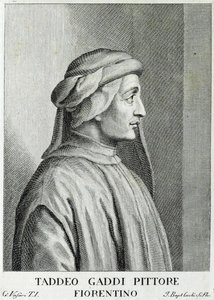
Taddeo Gaddi

Olasz Born in Firenze Korai Reneszánsz Wikipedia in 23/32 languages

Taddeo Gaddi

A 14. századi Firenze vibráló, fejlődő légkörében, amely a középkor és a korai reneszánsz közötti átmenetben definiált időszak volt, Taddeo Gaddi a fény, a narratívum és a monumentális építészeti díszesség mestereként emelkedett ki. A legendás Giotto di Bondone egyik legkiemelkedőbb tanítványaként Gaddi nem csupán egy stílust örökölt; ő kibővítette kora vizuális nyelvét is.

Teacher of Agnolo Gaddi #8, Jacopo Del Casentino (Jacopo Landino) #51

Signature works · The 100 signature works

7of 99

Feofan Grek

Görög Born in Konstantinápoly Byzantin ikonográfia Wikipedia in 22/32 languages

Feofan Grek

Bár későbbi tevékenységei miatt gyakran gắnolják Görögországhoz, ő Konstantinápolyban született körülbelül 1340-ben, és egy olyan kulcsfontosságú alak volt, aki összekötötte a bizantini művészet utolsó virágzásának korát az Oroszország fejlődő hagyományaival. Körülbelül 1395-ben megérkezett Novgorodba, Oroszország egyik hatalmas városállamába, Andrei Rublev mellett, aki szintén az orosz ortodox művészet egyik ikonikus alakja volt.

Signature works · The 100 signature works

8of 99

Agnolo Gaddi

Italiano Born in Firenze Gótico, Renacimiento Temprano Wikipedia in 20/32 languages

Agnolo Gaddi

The expressive pathos, the deliberate simplification of forms, and the masterful use of light – hallmarks of Giotto’s style – permeated Gaddi’s earliest canvases. However, Gaddi swiftly distinguished himself from his teacher, embracing a more refined elegance that subtly elevated Giotto's aesthetic principles. Agnolo Gaddi's formative years were undeniably shaped by Giotto di Bondone’s monumental frescoes in Assisi and Padua.

Pupil of Taddeo Gaddi #6

Signature works · The 100 signature works

9of 99

Paolo Veneziano

olasz Born in Venezia Bizánci hatás és gótikus művészet Wikipedia in 15/32 languages

Paolo Veneziano

Paolo Veneziano (kb. 1333–1358) monumentális alakként áll a velencei művészet történetében, egyetemes elismeréssel bélemelve, mint a fourteenth század legfontosabb velencei festője. Öröksége messze túlmutat saját élettartamán, alapítójaként jegyeznek be a velencei iskola történetében, amely évszázadokon át dominálta a művészeti termelést, és mélyreható hatást gyakorolt a későbbi generációk asszonyain is, például Lorenzo Veneziano munkásságán.

Signature works · The 100 signature works

10of 99

Lippo Memmi

Olasz Born in Siena Nemzetközi gótika Wikipedia in 17/32 languages

Lippo Memmi

Lippo Memmi, aki körülbelül 1291-ben született Siena szívében, kulcsfontosságú alakja volt a középkori festészet bizánci gyökereitől az újjászülető nemzetközi gótikus stílus felé történő átmenetnek. Bár gyakran Simone Martini testvéreként és mentoraként emlegetik, a legújabb kutatások egyre inkább felismerik Memmi sajátos művészi hangját és jelentős hozzájárulását a 14. századi sienai művészethez. Talán a legismertebb ezek közül az 1333-ban Martini Simone-val közösen készített Annunciation with St.

Pupil of Simone Martini #1

Signature works · The 100 signature works

11of 99

Altichiero Da Zevio

Olasz Born in Zevio Gótikus művészet Wikipedia in 20/32 languages

Altichiero Da Zevio

Altichiero Da Zevio, aki Verona közelében, a csendes Zevio településen született körül 1330-ban, nem csupán a szent események krónikása volt, hanem a velencei gótikus stílus pionttere. Ez a kapcsolat, amely valószínűleg Giotto tanítványaival, például Taddeo Gaddi folytonos tanulmányával alakult ki, lehetővé tette Altichiero számára, hogy műveit mélységérzetkel, súllyal és olyan narratív tisztasággal töltse meg, amely forradalmi volt a korában.

Signature works · The 100 signature works

12of 99

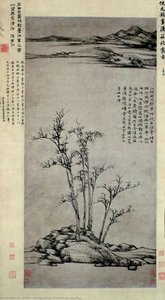
Ni Can

Kínai Born in Vuhszi A Yuan-dinasztia négy mestere Wikipedia in 15/32 languages

Ni Can

Ni Zan, a kínai festészet neves alakja, 1301-ben született egy wuxi-i gazdag családba. Habár hatalomváltások idején, Kubilai kan halála után jöttette a világra, családja lehetőséget biztosított számára arra, hogy szigorú konfuciusi nevelésben részesüljön.

Signature works · The 100 signature works

13of 99

Bernardo Daddi

Olasz Born in Firenze Korai reneszánsz Wikipedia in 17/32 languages

Bernardo Daddi

Bernardo Daddi, aki körülbelül 1290-ben született Firenzében, és 1348-ban bekövetkezett halála után is mély nyomot hagyott a művészettörténetben, alapvető alakként áll a késő gótika és a fejlődő olasz reneszánsz közötti átmenetben. Éretlenül hasonlóan ragadtató a Vatikáni Művészeti Gyűjteményben (Pinacoteca Vaticana) található „Szent István şehalt”, amely egy nyolc panelből álló predella, melyet körülbelül 1enc 1345 körül festettek.

Signature works · The 100 signature works

14of 99

Niccolò Di Tommaso

Olasz Born in Floransa Korai reneszánsz

Niccolò Di Tommaso

Niccolò Di Tommaso neve finoman zeng a XIV. századi olasz festészet krónikái között, aki körülbelül 1346 körül született meg Firenze csodás falai között. Egy 1370 körül kialakult, meghatározó együttműködés Nardo di Cione művészkelőjével alapjaiban változtatta meg pályáját. Az egyetemes erőfeszítéseik a Santa Maria Novella templom Strozzi-káplájában egy döntő fordulópontot jelentenek művészeti trajetóriajában.

Signature works · The 100 signature works

15of 99

Spinello Aretino

Olasz Born in Arezzo Kapcsolat Giotto és a sienai iskola között Wikipedia in 16/32 languages

Spinello Aretino

Florentini aranygoldszomszékből származó családban született, valódi neve Spinello Di Luca Spinelli volt, de a történelem az „Aretino” néven ismerte meg, ami Arezzóval való kapcsolódódásra utalt. Fiatal korában a florentini zaklatott műhelyekben dolgozott, hozzájárulva olyan monumentális alkotásokhoz, mint a Carmine templom és a Santa Maria Novella freskói.

Pupil of Jacopo Del Casentino (Jacopo Landino) #51 · Teacher of Lorenzo Di Bicci #32

Signature works · The 100 signature works

16of 99

Andrea Pisano

Olasz Born in Pontecorvo Gótikus

Andrea Pisano

Andrea Pisano (kb. 1290 – 1348, Orvieto) az olasz reneszánsz szobrászat monumentális alakjaként áll előttünk, ám művészeti öröksége elválaszthatatlanul kapcsolódik az előzakró gótikus korszakhoz, és mélyen meghatározta Giotto di Bondone forradalmi hatása. A lazioi Pontecorvóban született művész korai élete még sötét vonásokba burkolózik, azonban kezdetben aranyászként finomította messegét, mielőtt 1300 körül, Mino di Giovanni tanítását elsajátítva, teljes szívvel a szobrászművészetnek szentelődött.

Signature works · The 100 signature works

17of 99

Orcagna

Olasz Born in Florencia Gótika-Késő gótika Wikipedia in 20/32 languages

Orcagna

However, Orcagna’s artistic trajectory quickly diverged from his master's, developing a distinctly Florentine style characterized by dramatic figures, vibrant colors, and an innovative approach to composition. He was formally admitted into the painter’s guild in 1343-44 and later joined the stonemasons’ guild in 1352, demonstrating his versatility and ambition across multiple artistic disciplines. His work served as an inspiration to many of Florence’s leading painters, including Jacopo di Cione, his brother, who continued Orcagna's artistic legacy after his death in 1368.

Pupil of Andrea Pisano #16

Signature works · The 100 signature works

18of 99

Giovanni Da Milano

Born in Lombardia

Giovanni Da Milano

Giovanni da Milano, avagy Giovanni di Jacopo di Guido da Caversaccio, egy olyan név, mely lágyan csendül az ókori festészet krónikájában. Ő képvisel egy kulcsfontosságú pillanatot az olasz proto-reneszánsz művészetében – a középkor elegáns lírája és a reneszánszot meghatározó burjánzó természetesség között húzódó híd.

Signature works · The 100 signature works

19of 99

Barna Da Siena

Olasz Born in Siena Gótikus művészet Wikipedia in 14/32 languages

Barna Da Siena

A Collegiata di San Gimignano szentélyes termeiben való sétáltatás olyan tapasztalás, mint egy a Trecento szellemevel találkozás; egy olyan művész lenge az égtérben, mint a töcenak egy középkori kápolnában, akinek neve: Barna Da Siena.

Signature works · The 100 signature works

21of 99

Wang Meng

Kínai Born in Huzhou J Yuan-dynasztia tájfestészet Wikipedia in 14/32 languages

Wang Meng

Wang Meng, aki körülbelül 1308-ban született Wuxingben, Zhejiang tartományban – a mai Huzhou területén – a J Yuan-dinasztia (1271-1368) művészeti tájának egyik kulcsfontosságú alakja. Wang Meng helyét a művészettörténetben szilárdan rögzítették, mint a J Yuan-dinasztia egyik „Nagy Remete” (Four Masters) egyike, Huang Gongwang, Wu Zhen és Ni Zan mellett.

Signature works · The 100 signature works

22of 99

Cresques Abraham

spanyol Born in Palma de Mallorca tengerészeti kartográfia

Cresques Abraham

Cresques Abraham életútja a 13. század második felének Mallorca szigetén, a damaliban az Aragon királyság része volt területen kezdődött. Észrevehető módon fontos megjegyezni, hogy neve valójában Cresques volt, Abraham pedig atyja neve, így őt gyakran Eliça, Rabbi Abraham fia néven is emlegetik a történelmi források. Cresques Abraham legfontosabb és legmeghatározóbb alkotása a katalán atlasz, amelyet körülbelül 1375-ben készített el fia, Jehuda Cresques közreműködésével.

Signature works · The 100 signature works

23of 99

Nicolas Bataille

Francia Born in Párizs Középkori művészet, Vallásos festmények

Nicolas Bataille

Ennek a hagyománynak a csatornáiban azonban egy megdöbbentő intenzitással és drámai látással bíró művész virágzott fel: Nicolas Bataille (kb. 1330–1405). Szőnyegei, különösen a híres „Hét Pecc” ciklus, amely ma a párizsi Saint-Nicolas du Chardonnet templomban kap helyet, ablakot nyitnak egy olyan világba, amely a halálféle aggodalmak, a isten ítéletének és a közelgő apokalipszis bizonytalanságaival küzd – egy olyan nézőpont, amely ritkán szalad elő a kortárs művészetben.

Signature works · The 100 signature works

24of 99

Lorenzo Veneziano

Olasz Born in Velence Byzantine művészet Wikipedia in 11/32 languages

Lorenzo Veneziano

Az 1336-os év mélyen visszhangzik az olasz művészeti tájban, elválaszthatatlanul összekötve egy rejtélyes alakkal – az 1336-os mesterrel. Ez a művész, aki pontosabban Giovanni Lipini néven ismert, neve a Pistoia, Santa Maria delle Grazie templombá encontrarható csodálatos freskóról származik, amely a Szűz Máriát ábrázolja; ez a név izgalmas betekintést nyújt eredeteibe és maradandó hatásába.

Signature works · The 100 signature works

25of 99

Segna Di Buonaventure

Olasz Born in Siena Trecento

Segna Di Buonaventure

Segna Di Buonaventure neve úgy visszhangzik az early Trecento festészet krónikáiban, mint egy izgalmas, titokhályos alakosság, akiről kevés tudás maradt fenn. Az olaszországi Sienában született körülbelül 1298-ban, és tragikus módon még 1331 előtt halt meg, élete pedig az immense művészeti forradalom, a reneszánsz valódi hajnala alatt zajlott. Segna Di Buonaventure művészi pályája valószínűleg nagybátyja, Duccio di Buoninsegna tanítványaként indult indulást, aki a sienai festészet fénykörű alakja volt.

Signature works · The 100 signature works

26of 99

Cennino Cennini

olasz Born in Colle di Val d'Elsa Késő gótikus Wikipedia in 18/32 languages

Cennino Cennini

A középkor alkonyánál és a ital Ábraháromzás hajnalán, kevés olyan alak épít át a médiév műhely és a modern kor közötti szakadékot olyan intimitással, mint Cennino Cennini. Körülbelül 1360 körül, Colle di Val d'Elsa festői tájában született, egy olyan emberként, akinek létezése szervesen összefonódott a florentin művészeti hagyomány szövetéivel. Tisztelt Agnolo Gaddi tanítonaiként ő örökölte meg azt a szépség nevű vonalakat, amely a forradalmi Giottóig nyúlik vissza.

Pupil of Agnolo Gaddi #8

Signature works · The 100 signature works

27of 99

Ugolino Di Nerio

Olasz Born in Siena Sienese festészet Wikipedia in 13/32 languages

Ugolino Di Nerio

Ugolino di Nerio, egy név, amely nagyrészt hiányzik a mainstream művettörténeti narratívákból, kulcsfontosságú alakként áll Siena és Firenze feltörekvő művészeti tájában az 1320-as években. Körülbelül 1280 körül született egy festőcsaládba – apja Guido, testvérei pedig Muccio és Ugolino – és önálló mesterként emelkedett ki, hagyva magán olyan megfeszítő műveket, amelyek áthidalták a szakadékot az italo-bizánci hagyomány merev formalizmusa és a szienes festészet kezdeti naturalizmusának szelleme között.

Signature works · The 100 signature works

28of 99

Taddeo Di Bartolo

Olasz Born in Siena Korai reneszánsz Wikipedia in 13/32 languages

Taddeo Di Bartolo

A Trecento aranyos alkonyán, amint a középkori világ ébredni kezdett a reneszánsz fénye felé, Taddeo Di Bartolo átalakító erőként tűnt elő a sienai iskola tagjaként. Siena városában született körül 1362-ben, Taddeo nem csupán festő volt, hanem egy híd az korszakok között; egy olyan mester, aki képes volt a gótikus hagyomány finom, lírai eleganciáját egy egyre fejlődő strukturális mélységgel és érzelmi súllyal ötvözni.

Signature works · The 100 signature works

29of 99

Lippo Di Benivieni

Olasz Born in FLORENCIA Korai Quattrocento

Lippo Di Benivieni

A feljegyzések szerint 1296 körül Nerio di Binduccio mellett tanult, ami arra utal, hogy már e kritikus pillanatban meghatározott szerepővel rendelkezett a florentin művészeti életben – Giotto kortársa volt, és mélyen merült el abban a stilisztikai áramlatban, amely a sienai festészet formálta. Az Arte dei Medici e Speziali 1312 és 1320 között ismerte el tagként, ezzel megszilárdítva helyét a város vibráló kulturális tájában, mint tiszteletre tért kézműves.

Signature works · The 100 signature works

30of 99

Zhao Yuan

Kínai Born in Yingcheng Tájképfestészet

Zhao Yuan

A késő Yuan-dinasztia (1368-1407) valamelyik idején született Yingchengben (a mai Yingxian megye, Shandong tartomány), és egy hatalmas felrozsarolás és átalakulás idején élt: a mongol vezetésű Yuan összeomlása és a Ming-dinasztia felrisezése között. Legjelentősebb köszönetे kétségtelenül Wang Meng -nek (1308-1383), a Yuan-dinasztia egyik utolsó nagy mesterének. Így mint Wang Meng, Zhao Yuan is elősóbbé tette a sűrű, komplex kompozíciós felépítést, amelyet rétegzett hegyformák, csavarodott fa törzsek és apráncnyomatszerűen kidolgozott részletek jellemeznek.

Signature works · The 100 signature works

31of 99

Andrea Di Bartolo

olasz Born in Siena Sienese iskola Wikipedia in 12/32 languages

Andrea Di Bartolo

A Sienese iskola vibráló szívében Andrea Di Bartolo olyan mesterként emelkedett ki, akinek ecsetje az ő korának mély spirituális intenzitását fogta le. A neves festő, Bartolo di Fredi fiaként és tanítványaként Andrea művészeti útja mélyen gyökerezett édesapja műhelyének hagyományaiban.

Signature works · The 100 signature works

32of 99

Lorenzo Di Bicci

Olasz Born in {} Florentinus iskola

Lorenzo Di Bicci

Lorenzo Di Bicci, aki körülbelül 1350-ben született a virágzó Firenze szívében, egy olyan kulcsfontosságú alakként áll ki a történelemből, aki összekötötte elődei késő gótikus hagyományait azzal a fejlődő naturalizmussal, amely a korai reneszánsz stílusát meghatározta. Bár gyakran a hatalmas tekintélyű Giotto és Masaccio árnyékába került, Lorenzo hozzájárulása a 14. század közepének florentin festészetéhez rendkívül jelentős volt.

Signature works · The 100 signature works

33of 99

Melchior Broederlam

Belga Born in Ypres Korai flamami festészet Wikipedia in 15/32 languages

Melchior Broederlam

His influence can be traced through the lineage of the great Netherlandish painters, acting as a vital precursor to the technical perfection achieved by Jan van Eyck. The court at Dijon was a crucible of talent, attracting the finest goldsmiths, sculptors, and painters of Europe, and within this vibrant atmosphere, Broederlam refined a style that was both regal and deeply spiritual.

Signature works · The 100 signature works

34of 99

Lorenzo Di Bicci

Olasz Born in Firenze Florentini Iskola Wikipedia in 8/32 languages

Lorenzo Di Bicci

Lorenzo di Bicci, akadt körülbelül 1373-ban Firenze, kulcsfontosságú alak a fejlődő florentin festőiskola számára a tizennegyedik év középétől az ötszáz első elejéig. Bár az élete részletei hiányosak – apja identitása titokban marad –, a tudományos konszenzus határozottan emeli ki Lorenzo mesterkedését Jacopo di Cione és Andrea di Cione alatt, olyan művészeket, akik stilisztikai innovációikkal mélyen á alakították az artistikai pályáját.

Signature works · The 100 signature works

35of 99

Gherardo Starnina

Olasz Born in Tarom Velencei reneszánsz Wikipedia in 12/32 languages

Gherardo Starnina

The enduring impact of Gherardo di Jacopo Starnina can be summarized through several key artistic contributions: Stylistic Synthesis: The seamless blending of Florentine emotional realism with Venetian decorative splendor.

Signature works · The 100 signature works

36of 99

Jean Pucelle

Francia Korai gótikus festészet

Jean Pucelle

Jean Pucelle az középkori művészet krónikáinak egyik leglenyűgözőbb rejtélye, akit a nevében tisztelettel suttoganak azok, akik a Rózsák korabeli merev struktúrák és a reneszánsz feltöredő humanizmus közötti finom átmenetet tanulmányozzák. Franciaországban, körülbelül 1300 körül született, korai évei a történelem ködbe burkolóznak, mégis művészeti jelenléte megkérdöjtezhetetlenül ragyogó.

Signature works · The 100 signature works

37of 99

Andrea Di Bonaiuto

Olasz Born in Firenze Toszkán festészet Wikipedia in 12/32 languages

Andrea Di Bonaiuto

Firenze középső évszázada a művészeti tehetség virágzásának ideje volt, és legjelentősebb alakjai közé tartozott Andrea Orcagna – egy festő, szobrász, építész és adminisztrátor, akinek sokrétű pályafutása maradandót hagyott a város vizuális tájában.

Signature works · The 100 signature works

38of 99

Guariento di Arpo

Italian Born in Piove di Sacco Early Renaissance; Venetian painting; Gothic art Wikipedia in 12/32 languages

Guariento di Arpo

The foundations of Guariento’s genius were laid in the workshops of his contemporaries, where the shadows of masters like Giotto di Bondone and Giovanni Pisano loomed large.

Signature works · The 100 signature works

39of 99

Giovanni Del Biondo

Italian Born in Pratovecchio Gothic & Early Renaissance Wikipedia in 10/32 languages

Giovanni Del Biondo

He stands as a pivotal bridge between two worlds—the stylized, symbolic realm of the Gothic and the human-centric, observational era of the Renaissance.

Signature works · The 100 signature works

40of 99

Claus Sluter

holland Born in Haarlem Észak-európai realizmus

Claus Sluter

Claus Sluter (kb. 1350–1406) korának egyik legmeghatározóbb szobrásza volt, művészete pedig a fodszaki és a reneszánsz művészeti hagyományok közötti kritikus fordulópontot jelzi Észak-Európában. Nevének körülbelül 1379/1380 körül megjelenése a brüsseli kőműves céh nyilvántartásában megerősíti szakmai tevékenységét, és hangsúlyozza a középkori művészeti kultúra keretében a kézműves tudás fontosságát.

Signature works · The 100 signature works

42of 99

Jacopo di Cione

Italian Born in Florence Gothic Wikipedia in 7/32 languages

Jacopo di Cione

Jacopo's dedication extended beyond commissions; he actively participated in shaping Florence’s cultural landscape through his involvement with the cathedral workshop and his role as consul of the Arte dei Medici e Speziali (1384, 1387, 1392). His commitment to procuring marble for the cathedral underscored his understanding of artistic grandeur and civic responsibility. The dispersed predella depicting scenes from Saint Peter’s life – a collaborative effort with Niccolò di Pietro Gerini – remains a poignant reminder of Jacopo's artistic legacy and the enduring power of Florentine Gothic art.

Signature works · The 100 signature works

43of 99

Bartolo Di Fredi

Italian Born in Siena Sienese School Wikipedia in 13/32 languages

Bartolo Di Fredi

XIV. századi Toszkánia szívében, egy olyan korszakban, amelyet a gótikus kor égi finomságának átmenete meghatározott a reneszánsz fejlődő humanizmusába, Bartolo di Fredi a fény és a narratíva mestereként emelkedett ki. Karrierje alapjai mélyen gyökereztek Siena tekintélyes céheiben. 1355-re hivatalosan is csatlakkozott az Arte dei Maestri di Tavola e Dipinto nevű testületthez, ami olyan mérföldkő volt, amely lehetővé tette számára a legjelentősebb olasz mecénás-hálózatok elérését.

Signature works · The 100 signature works

44of 99

Conrad von Soest

German Born in Dortmund International Gothic soft style Wikipedia in 13/32 languages

Conrad von Soest

His presence in Dortmund placed him at the heart of a cosmopolitan social circle, where he moved among the patrician elite, securing the patronage necessary to sustain a thriving workshop that would influence Northern European painting well into the late 15th century. Completed around 1420, this monumental triptych stands as a pinnacle of the International Gothic style.

Signature works · The 100 signature works

45of 99

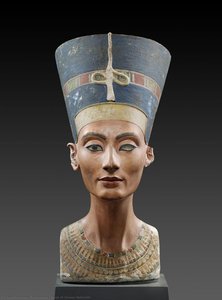
Tuthmosis

Egyptian Born in Amarna Amarna art style

Tuthmosis

Tuthmosis’s mastery lay not only in capturing likeness but also in skillfully manipulating stone. He primarily worked with fine-grained limestone, a material readily available in the quarries surrounding Amarna. Though Tuthmosis died around 1300 BC, his influence on Egyptian art endures.

Signature works · The 100 signature works

46of 99

Giovanni da Milano

Italian Born in Valmorea Italian Gothic Wikipedia in 13/32 languages

Giovanni da Milano

In the bustling streets of Florence, where the air was thick with the scent of fresh pigment and the echoes of a changing era, a painter named Giovanni di Jacopo di Guido da Caversaccio began to make his mark. Hailing from Lombardy, he arrived in Tuscany as a man seeking his fortune, appearing in the city's records as Johannes Jacobi de Commo.

Signature works · The 100 signature works

47of 99

Master Bertram

German Born in Minden International Gothic Wikipedia in 13/32 languages

Master Bertram

It is believed that Bertram was influenced by both French and Netherlandish artistic trends prevalent during his time. The influence of courtly art from France can be observed in the refined elegance of his figures and decorative elements, while the meticulous detail and realism characteristic of Early Netherlandish painting are evident in his depictions of architectural settings and objects.

Signature works · The 100 signature works

48of 99

Agostino Di Giovanni

Italian Born in Siena Gothic architecture/sculpture

Agostino Di Giovanni

Agostino di Siena, born around 1285 in the heart of Tuscany, emerged as a pivotal figure in the transition from late Gothic to early Renaissance sculpture. Giorgio Vasari, the celebrated Renaissance art historian, initially placed Agostino within the orbit of Giovanni Pisano’s workshop, suggesting a formative apprenticeship under this master sculptor. His exact date of death remains unknown, though records indicate he was no longer living as of June 27, 1347—a period marked by the devastating impact of the Black Death.

Signature works · The 100 signature works

50of 99

André Beauneveu

Netherlandish Born in Valenciennes Pucellian revival

André Beauneveu

His technical achievements are best observed in the following areas: Illuminated Manuscripts: In works such as the Psalter of Jean de Berry and his depictions of figures like King David, Beauneveu demonstrated an extraordinary ability to use light and shadow to create a sense of three-dimensional volume on parchment.

Signature works · The 100 signature works

51of 99

Jacopo Del Casentino (Jacopo Landino)

Italian Born in Florence Renaissance

Jacopo Del Casentino (Jacopo Landino)

To study the works of Jacopo del Casentino is to witness the evolution of the human spirit through paint. In the annals of Italian art, Jacopo remains a luminous figure, a painter who captured the very essence of Florentine devotion. The origins of his artistry are deeply rooted in the Florentine milieu, likely shaped by the influential circle surrounding the Master of St.

Signature works · The 100 signature works

52of 99

Muszó Szoszeki

Japán Born in Aichi prefektúra Zen buddhizmus Wikipedia in 12/32 languages

Muszó Szoszeki

Musō Soseki, a japán művészet és spiritualitás egyik meghatározó alakja, 1275-ben született, és 1351. október 20-án távozott el ebből a világból. A stílusának megismeréséhez érdemes megvizsgálni olyan alkotásokat, mint Li Yanshan „landscape in the style of Zhan Jingfeng” című műve, amely, bár nem közvetlenül Musō Soseki nevére íródott, mégis tükrözi művészeti megközelítésenek tartós hatását.

Signature works · The 100 signature works

53of 99

Francesco Traini

Italian Born in Pisa Gothic Art Wikipedia in 11/32 languages

Francesco Traini

Orcagna championed the concept of “naturalis dispositio,” prioritizing spatial realism to communicate theological ideas effectively—a principle that Traini wholeheartedly embraced. The Dance of Death Motif: The Triumph of Death fresco, arguably Traini's magnum opus, embodies the pervasive preoccupation with mortality during the Black Death era.

Signature works · The 100 signature works

54of 99

Vitale Da Bologna

Italian Born in Bologna International Gothic Wikipedia in 12/32 languages

Vitale Da Bologna

The historical importance of Vitale da Bologna lies in his role as a pivotal figure in the evolution of the Bolognese school. By blending the formal rigidity of Gothicism with the emerging naturalism of the early Renaissance, he provided a blueprint for subsequent generations of Italian painters. His works, scattered across prestigious locations such as Pomposa Abbey and Udine Cathedral, serve as windows into a world where the divine and the earthly were intimately entwined.

Signature works · The 100 signature works

55of 99

Sheikh Zain Al-Din

Kurdish Born in Erbil Company Style

Sheikh Zain Al-Din

Zain al-Din’s prominence grew during a period of significant change in India, as the power of the Mughal Empire waned and British influence expanded. This era saw the emergence of what is now known as the “Company style” of painting—a hybrid aesthetic favored by British officials and collectors who sought realistic depictions of Indian life, flora, and fauna. The Ashmolean Museum in Oxford holds several examples of his work, including exquisite depictions of mountain-rats, hanging bats, parrots, and storks—each painting a miniature world unto itself.

Signature works · The 100 signature works

56of 99

Pere Serra

Spanish Gothic-Italian

Pere Serra

Pere Serra, also known as Jaume Serra, stands as a compelling figure in the transition from the International Gothic style to the burgeoning Renaissance aesthetic within Catalonia. While biographical details remain scarce – a common fate for artists working before widespread documentation – Serra’s surviving works speak volumes about his skill, refinement, and the patronage that supported his endeavors. The city was a vibrant hub for trade and artistic exchange, exposed to influences from Italy, France, and Flanders.

Signature works · The 100 signature works

57of 99

Azteck Birodalom

Mexikói Born in Tenochtitlán Mezoamerikai művészet

Azteck Birodalom

Az „aztéci” név – amely a nahuatl ātl-ce-tlācati–tlān szóból ered, jelentése pedig „a sok formájú nép” – hatalmas, összetett birodalom képeit kelti meg, amely évszázadokon át uralta Mesoamerika területét. Az azték művészeti hagyományok a 14. század elején, Tenochtitlán szívében születtek, és mélyen gyökereztek korábbi mesoamerikai civilizációk örökségében.

Signature works · The 100 signature works

59of 99

Marco Di Paolo Veneziano

Italian Byzantine-influenced art; Gothic art

Marco Di Paolo Veneziano

In the shimmering, maritime heart of the fourteenth century, a transformative era was unfolding within the lagoons of Venice, and at its center stood Paolo Veneziano. His formative years were steeped in the luminous, spiritual grandeur of Byzantine art, a tradition brought to the Venetian lagoons through trade and deep ecclesiastical ties to Constantinople. His ability to blend the following elements created a style that was uniquely "Venetian": Luminous Color Palettes: Drawing from the Byzantine tradition to create depth and spiritual radiance.

Signature works · The 100 signature works

62of 99

Ferrer Bassa

Catalan Born in Avinyonet del Penedès Gothic painting

Ferrer Bassa

Ferrer Bassa emerged from the artistic landscape of 14th-century Catalonia as a pivotal figure, bridging the gap between established Gothic traditions and the burgeoning Italianate styles that would reshape European painting. His ability to synthesize diverse stylistic elements—French elegance, Sienese refinement, and Giottesque drama—resulted in a visual language that was both innovative and deeply rooted in its cultural context.

Signature works · The 100 signature works

63of 99

Tommaso Da Modena

Italian Born in Modena Late Gothic Wikipedia in 15/32 languages

Tommaso Da Modena

Tommaso Barisini, commonly known as Tommaso da Modena and sometimes referred to as Tomaso Baffini (c. 1325 – 1379), stands as one of the most prominent figures in Northern Italian painting during the mid-14th century—a period marked by burgeoning artistic innovation and profound spiritual reflection. His unwavering commitment to naturalistic representation—coupled with his masterful command of perspective—established a precedent for Renaissance artists seeking to emulate the grandeur and clarity of classical art forms.

Signature works · The 100 signature works

64of 99

Jacopo Avanzi

Italian Born in Bologna Renaissance, Proto-Renaissance

Jacopo Avanzi

D'Avanzi’s style occupies a fascinating position within the transition from Gothic art to the early Renaissance. The influence of Giotto is palpable, particularly in his emphasis on storytelling and relatable human emotions. He wasn’t alone in this pursuit; Altichiero da Zevio, with whom he frequently collaborated, shared similar artistic concerns.

Signature works · The 100 signature works

65of 99

Paolo Di Giovanni Fei

Olasz Born in San Quirico d’Orcia Naturalizmus, Proto-reneszánsz Wikipedia in 10/32 languages

Paolo Di Giovanni Fei

Pietro Lorenzetti, kinek születése körülbelül 1280 volt, és aki tragikus módon, 1348-ban, a pusztító Fekete Halál járvány idején hunyt el, az olasz festészet fejlődésének kulcsfontosságú alakja maradt. Élete, bár tragikusan rövid volt, siennai művészeti érzékzet drámai átalakulását tanúskodta, amelyet nagyrészt fiatalabb testvére, Ambrogio Lorenzetti munkássága és Giotto, valamint Giovanni Pisano innovatív technikáival való foglalkozása vezetett.

Signature works · The 100 signature works

67of 99

Wu Zhen

Yuan dynasty Born in Jiashan County Wikipedia in 12/32 languages

Wu Zhen

He did not merely observe the mountains or the flora; he sought to inhabit them. He achieved a rare unity known as the Three Perfections, where the boundaries between different disciplines began to dissolve. His work Qing Jiang Chun Xiao remains a definitive example of how he achieved the integration of the Three Perfections, weaving together the intellectual weight of poetry and the fluid grace of calligraphy with the visual depth of his painting.

Signature works · The 100 signature works

68of 99

Jacopo del Casentino

Florentine Born in Florence Later Gothic Wikipedia in 10/32 languages

Jacopo del Casentino

As his career progresses, the influence of the Lorenzetti brothers, Pietro and Ambrogio, becomes visible. His later Gothic style reflects this integration of Sienese elements.

Pupil of Taddeo Gaddi #6 · Teacher of Spinello Aretino #15

Signature works · The 100 signature works

69of 99

Giusto De' Menabuoi

Italian Born in Florence Early Renaissance Wikipedia in 12/32 languages

Giusto De' Menabuoi

Menabuoi’s distinctive style transcends simple categorization, reflecting a complex interplay between Byzantine iconography and Florentine Proto-Renaissance aesthetics. Unlike many of his contemporaries who embraced the burgeoning realism championed by artists like Altichiero and Jacopo d'Avanzi, Menabuoi prioritized conveying spiritual emotion over meticulous anatomical accuracy—a hallmark of Giotto’s artistic vision. Giotto's Legacy: As a student of Giotto, Menabuoi absorbed Giotto’s expressive technique—characterized by elongated figures and emotionally charged gestures—establishing a crucial link between Florentine artistic tradition and Byzantine influences.

Signature works · The 100 signature works

70of 99

Jacquemart de Hesdin

French Born in Hesdin International Gothic Wikipedia in 13/32 languages

Jacquemart de Hesdin

Très Belles Heures du Duc de Berry (Brussels Hours): Considered his most significant work, showcasing elaborate scenes and detailed miniatures. Petites Heures: A smaller-scale book of hours, also demonstrating Jacquemart’s skill in illumination. He synthesized these influences into a unique International Gothic style that was highly sought after by European nobility.

Signature works · The 100 signature works

71of 99

Matteo Giovanetti

Italian Born in Viterbo Early Italian Renaissance

Matteo Giovanetti

By absorbing the stylistic currents flowing from the great masters of Tuscany and Umbria, Giovanetti began to synthesize a unique visual language. He drew inspiration from the monumental weight and structural clarity of Giotto di Bondone, while simultaneously embracing the lyrical elegance and refined grace found in the works of Simone Martini.

Signature works · The 100 signature works

72of 99

Reisai Gukyoku

Japanese Born in Yamashiro Zen buddhism art

Reisai Gukyoku

Unlike the flamboyant styles prevalent during Nanbokuchō, Gukyoku's approach prioritized conveying spiritual essence over visual spectacle. He favored ink wash techniques (sumi-e), utilizing varying shades of black to create textured surfaces that mirrored the natural world—particularly landscapes reminiscent of Mount Yoshino, a sacred site venerated by Zen monks. Although he remains largely unrecognized by mainstream art historians, Reisai Gukyoku’s work stands as a poignant reminder of the transformative potential of artistic practice when guided by spiritual aspiration.

Signature works · The 100 signature works

74of 99

Bartolommeo Bulgarini

Italian Born in Siena Sienese school

Bartolommeo Bulgarini

The true brilliance of Bulgarini lies in his ability to act as a bridge between two worlds. He possessed a rare, intuitive grasp of how to marry the ancient, ethereal majesty of Byzantine iconography with the burgeoning humanism and spatial curiosity emerging from Florence. He remained an active and influential force in the Sienese school even as the devastating Black Death of 1348 reshaped the social and cultural landscape of Italy.

Signature works · The 100 signature works

75of 99

Gikō Tettō

Japanese Born in Hara Zen painting

Gikō Tettō

He was particularly influenced by the Chinese master Hsieh Ho (c. 1021–1076), whose innovative use of color, particularly in depicting landscapes, served as a significant model for Tettō. His compositions frequently featured sweeping vistas and dynamic brushstrokes, reflecting both the natural world and the internal landscapes of Zen meditation. His bold use of color and expressive brushwork served as an inspiration for subsequent generations of artists, including those who followed in the footsteps of the Ōtōkan school.

Signature works · The 100 signature works

76of 99

Barnaba Da Modena

Italian Born in Modena Byzantine-influenced Lombard Painting Wikipedia in 12/32 languages

Barnaba Da Modena

Born around 1328 in Modena (Emilia), he emerged from obscurity to become arguably the first Lombard painter of considerable renown, leaving behind an impressive oeuvre that testifies to his unwavering devotion to this venerable artistic heritage.

Signature works · The 100 signature works

77of 99

Peter Parler

German-Bohemian Born in Schwaebisch Guemund Late Gothic

Peter Parler

In the heart of the Late Middle Ages, a period defined by soaring spires and profound devotion, Peter Parler emerged as one of the most influential architects and sculptors of his era. Known variously as Peter von Gemünd or Petr Parléř, his identity was inextricably linked to the Parler family, a lineage of craftsmen whose influence stretched across much of Central Europe.

Signature works · The 100 signature works

81of 99

Domenico Di Agostino

Italian Born in Siena Gothic Art

Domenico Di Agostino

Domenico di Agostino’s oeuvre is relatively small, consisting primarily of altarpieces and devotional panels intended for private chapels and churches in and around Siena. The Virgin of the Annunciation, found in various iterations across several museums, exemplifies his mature style. The legacy of Duccio di Buoninsegna, whose monumental Maestà had revolutionized Sienese painting just decades earlier, is clearly visible in Domenico's use of rich color palettes and narrative detail.

Signature works · The 100 signature works

82of 99

Agnolo Di Ventura

Italian Gothic Art Italy

Agnolo Di Ventura

The specifics of Agnolo’s early training are lost to time, but it is reasonable to assume he apprenticed within one of Siena's established workshops. The influence of Nicola Pisano and his son Giovanni, prominent sculptors active in Pisa and Florence, cannot be discounted, as their innovations in depicting classical forms and emotional expression were widely admired throughout Tuscany. He frequently collaborated with painters, as seen in the Monument to Tarlati, highlighting the interconnectedness of artistic disciplines during the 14th century.

Signature works · The 100 signature works

84of 99

Francesco Di Petracco

Italian Born in Arezzo Humanist poetry

Francesco Di Petracco

Petracco’s work reflects a unique blend of contemporary realism, influenced by the late Gothic tradition, alongside an emerging interest in perspective and atmospheric effects – hallmarks of the evolving Renaissance aesthetic. His family, prominent Florentine notaries, faced exile due to the turbulent power struggles between the White and Black Guelphs. Furthermore, Petracco's connection to the exiled poet Dante Alighieri – both sharing political exile from Florence – undoubtedly shaped his artistic outlook.

Signature works · The 100 signature works

88of 99

Giovanni Di Chellino Boccaccio

Italian Born in Certaldo Humanism precursor

Giovanni Di Chellino Boccaccio

Born amidst the rolling landscapes of Certaldo in 1313, Giovanni Boccaccio emerged as a vital force in the cultural landscape of the fourteenth century. As one of the legendary "Three Crowns" of Italian literature—standing alongside the giants Dante Alighieri and Petrarch—his life served as a bridge between the medieval world and the dawning light of the Renaissance.

Signature works · The 100 signature works

89of 99

Emperor Kōgon

Japanese Buddhist Art

Emperor Kōgon

While the Nanboku-chō period was defined by conflict between rival courts, Kōgon’s focus on Buddhist art provided a sense of cultural continuity and spiritual stability. He successfully utilized the medium of painting to assert a form of authority that was not dependent on military might, but on moral and religious prestige. Emperor Kōgon (1313–1364) was not merely a sovereign navigating a period of profound instability; he was a visionary patron whose devotion to Buddhist iconography helped reshape the aesthetic soul of Northern Japan.

Signature works · The 100 signature works

90of 99

Jakushitsu Genkō

Japanese Born in Tokyo Rinzai Zen

Jakushitsu Genkō

Early Life & Artistic Formation: Little biographical detail survives concerning Genkō’s formative years; he emerged from obscurity as a student of Zen at Nara Temple, establishing a foundation for his lifelong devotion to the Dharma.

Signature works · The 100 signature works

92of 99

Mother Julian

English Born in Norwich Medieval Mysticism

Mother Julian

The essence of Julian’s legacy lies in her extraordinary mystical experiences, captured in the seminal manuscript, Revelations of Divine Love. Through these spiritual windows, she glimpsed a God characterized not by distant judgment, but by an overwhelming, compassionate intimacy.

Signature works · The 100 signature works

93of 99

Nardo di Cione

Italian Born in Florence Renaissance Painting Wikipedia in 10/32 languages

Nardo di Cione

To study Nardo is to witness the evolution of the Florentine spirit: Technical Versatility: The seamless integration of sculptural depth with painterly fluidity. Chromatic Mastery: The use of vibrant, symbolic colors to navigate complex theological narratives. His early training under Maestro Piero Bargellini, a distinguished sculptor and painter, provided him with a unique dual perspective.

Signature works · The 100 signature works

95of 99

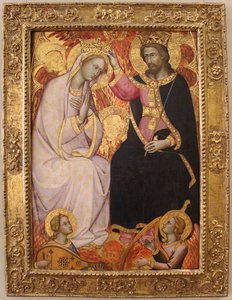
Serafino Serafini

Italian Born in Modena Giottesque & Bolognese

Serafino Serafini

One of his most celebrated achievements, the Coronation of the Virgin, bears a proud inscription dating the work to March 1385, serving as a permanent testament to his hand. His depictions of the Life of Saint Louis and scenes involving St. In the twilight of the fourteenth century, amidst the architectural grandeur of Northern Italy, the name Serafino Serafini emerged as a vital, if enigmatic, force in the evolution of late medieval painting.

Signature works · The 100 signature works

97of 99

Antonio Baboccio Da Piperno

Italian Born in Pietrantonella Late Medieval Art

Antonio Baboccio Da Piperno

He was a progenitor of style, fostering a school of artists that included luminaries such as Agnello del Fiore and Guglielmo Monaco. As we look back upon his life, which concluded around 1435, we see an artist who successfully navigated the complexities of patronage and the shifting tides of cultural influence. In the twilight of the Middle Ages, as the rigid structures of the Gothic era began to soften under the burgeoning light of the Renaissance, there emerged a master whose hands shaped the very identity of Neapolitan grandeur.

Signature works · The 100 signature works

98of 99

Zekkai Chūshin

Italian Born in Tosa Byzantine art

Zekkai Chūshin

The Master’s origins are shrouded in some mystery, yet a clear lineage can be traced through the artistic networks of Pistoia. He was deeply influenced by Giotto di Bondone, whose revolutionary approach to depicting human emotion and space began to permeate the region. The figure known as the Master of 1336 remains one of the most intriguing enigmas in Italian art history.

Signature works · The 100 signature works

Signature works

Signature Late Medieval works

  1. A Bejelentés és két szent, Simone Martini alkotása

    A Bejelentés és két szent

    Simone Martini

    1333 · Galleria degli Uffizi, Taruna

  2. Deesis Range: The Archangel Michael, Andrej Rubljov alkotása

    Deesis Range: The Archangel Michael

    Andrej Rubljov

    1410 · Tretyakov-galéria, Moszkva

  3. A jó község hatása városi életre ( részlet), Ambrogio Lorenzetti alkotása

    A jó község hatása városi életre ( részlet)

    Ambrogio Lorenzetti

    1338 · Palazzo Pubblico, Siena

  4. The Apostles Saint Andrew and Saint James the Lesser, with a Prophet, Pietro Lorenzetti alkotása

    The Apostles Saint Andrew and Saint James the Lesser, with a Prophet

    Pietro Lorenzetti

    1328 · Yale University Art Gallery, New Haven

  5. Agneau Mystique 0, Hubert Van Eyck alkotása

    Agneau Mystique 0

    Hubert Van Eyck

    Szent Bavo-székesegyház, Ghent

  6. Two Apostles Saints, Taddeo Gaddi alkotása

    Two Apostles Saints

    Taddeo Gaddi

    1320 · Collezione Vittorio Cini, Venice

  7. A Don Szűce, Feofan Grek alkotása

    A Don Szűce

    Feofan Grek

    1382 · Tretyakov-galéria, Moszkva

  8. The Last Supper, Agnolo Gaddi alkotása

    The Last Supper

    Agnolo Gaddi

    1395 · Lindenau-Museum, Altengau

A timeline

Late Medieval through its signature works

  1. 1320
  2. 1324
  3. 1325
  4. 1328
  5. 1333
  6. 1334
  7. 1336
  8. 1338
  9. 1340
  10. 1345
  11. 1350
  12. 1354
  13. 1357
  14. 1359

Figures

The figures

Születési ország
Olaszország28
Italy27
Japan8
China4
Kína3
Egypt3
Belgium2
Spanyolország2
Születési évtized
1270s4
1280s9
1290s11
1300s9
1310s8
1320s12
1330s13
1340s9
1350s15
1360s9
A művek legfontosabb darabjait őrző múzeumok
Metropolitan Művészeti Múzeum18
National Gallery of Art6
Galleria degli Uffizi4
Yale University Art Gallery4
Gemäldegalerie4
Harvard Art Museums4
National Gallery4
Fine Arts Museums of San Francisco3

Every name

List of 99 famous Late Medieval művészek, every name

  1. 1Simone MartiniSimone Martiniolasz · 1284–1344
  2. 2Andrej RubljovAndrej RubljovOrosz · 1360–1430
  3. 3Ambrogio LorenzettiAmbrogio Lorenzetti1290–1348
  4. 4Pietro LorenzettiPietro LorenzettiOlasz · 1280–1348
  5. 5Hubert Van EyckHubert Van EyckHollandi · 1366–1426
  6. 6Taddeo GaddiTaddeo GaddiOlasz · 1300–1366
  7. 7Feofan GrekFeofan GrekGörög · 1335–1410
  8. 8Agnolo GaddiAgnolo GaddiItaliano · 1350–1396
  9. 9Paolo VenezianoPaolo Venezianoolasz · 1333–1358
  10. 10Lippo MemmiLippo MemmiOlasz · 1291–1356
  11. 11Altichiero Da ZevioAltichiero Da ZevioOlasz · 1330–1390
  12. 12Ni CanNi CanKínai · 1301–1374
  13. 13Bernardo DaddiBernardo DaddiOlasz · 1290–1348
  14. 14Niccolò Di TommasoNiccolò Di TommasoOlasz · 1346–1376
  15. 15Spinello AretinoSpinello AretinoOlasz · 1350–1410
  16. 16Andrea PisanoAndrea PisanoOlasz · 1290–1348
  17. 17OrcagnaOrcagnaOlasz · 1315–1368
  18. 18Giovanni Da MilanoGiovanni Da Milano1346–1369
  19. 19Barna Da SienaBarna Da SienaOlasz · 1330–1380
  20. 20OrcagnaOrcagnaOlasz · 1308–1368
  21. 21Wang MengWang MengKínai · 1308–1385
  22. 22Cresques AbrahamCresques Abrahamspanyol · 1325–1387
  23. 23Nicolas BatailleNicolas BatailleFrancia · 1330–1405
  24. 24Lorenzo VenezianoLorenzo VenezianoOlasz · 1336–1379
  25. 25Segna Di BuonaventureSegna Di BuonaventureOlasz · 1298–1326
  26. 26Cennino CenniniCennino Cenniniolasz · 1360–1440
  27. 27Ugolino Di NerioUgolino Di NerioOlasz · 1280–1330
  28. 28Taddeo Di BartoloTaddeo Di BartoloOlasz · 1362–1422
  29. 29Lippo Di BenivieniLippo Di BenivieniOlasz · 1296–1327
  30. 30Zhao YuanZhao YuanKínai · született: 1350
  31. 31Andrea Di BartoloAndrea Di Bartoloolasz · 1360–1428
  32. 32Lorenzo Di BicciLorenzo Di BicciOlasz · 1350–1427
  33. 33Melchior BroederlamMelchior BroederlamBelga · 1355–1410
  34. 34Lorenzo Di BicciLorenzo Di BicciOlasz · 1350–1427
  35. 35Gherardo StarninaGherardo StarninaOlasz · 1354–1413
  36. 36Jean PucelleJean PucelleFrancia · 1300–1334
  37. 37Andrea Di BonaiutoAndrea Di BonaiutoOlasz · 1343–1379
  38. 38Guariento di ArpoGuariento di ArpoItalian · 1310–1370
  39. 39Giovanni Del BiondoGiovanni Del BiondoItalian · 1356–1399
  40. 40Claus SluterClaus Sluterholland · 1355–1406
  41. 41Kokan ShirenKokan ShirenJapanese · 1278–1346
  42. 42Jacopo di CioneJacopo di CioneItalian · 1325–1399
  43. 43Bartolo Di FrediBartolo Di FrediItalian · 1330–1410
  44. 44Conrad von SoestConrad von SoestGerman · 1360–1423
  45. 45TuthmosisTuthmosisEgyptian · 1340–1300
  46. 46Giovanni da MilanoGiovanni da MilanoItalian · 1325–1370
  47. 47Master BertramMaster BertramGerman · 1345–1415
  48. 48Agostino Di GiovanniAgostino Di GiovanniItalian · 1285–1347
  49. 49Ashikaga YoshimitsuAshikaga Yoshimitsu1358–1408
  50. 50André BeauneveuAndré BeauneveuNetherlandish · 1335–1403
  51. 51Jacopo Del Casentino (Jacopo Landino)Jacopo Del Casentino (Jacopo Landino)Italian · 1330–1380
  52. 52Muszó SzoszekiMuszó SzoszekiJapán · 1275–1351
  53. 53Francesco TrainiFrancesco TrainiItalian · 1321–1365
  54. 54Vitale Da BolognaVitale Da BolognaItalian · 1289–1359
  55. 55Sheikh Zain Al-DinSheikh Zain Al-DinKurdish · született: 1325
  56. 56Pere SerraPere SerraSpanish · 1357–1406
  57. 57Azteck BirodalomAzteck BirodalomMexikói · 1300–1521
  58. 58Liaoan QingyuLiaoan QingyuChinese · 1288–1363
  59. 59Marco Di Paolo VenezianoMarco Di Paolo VenezianoItalian · született: 1362
  60. 60Matteo Di Ser CambioMatteo Di Ser CambioItalian · 1351–1424
  61. 61Zhu DiZhu Di1360–1424
  62. 62Ferrer BassaFerrer BassaCatalan · 1285–1348
  63. 63Tommaso Da ModenaTommaso Da ModenaItalian · 1326–1379
  64. 64Jacopo AvanziJacopo AvanziItalian · 1350–1416
  65. 65Paolo Di Giovanni FeiPaolo Di Giovanni FeiOlasz · 1345–1411
  66. 66GiottinoGiottinoItalian · 1324–1372
  67. 67Wu ZhenWu ZhenYuan dynasty · 1280–1354
  68. 68Jacopo del CasentinoJacopo del CasentinoFlorentine · 1297–1358
  69. 69Giusto De' MenabuoiGiusto De' MenabuoiItalian · 1330–1393
  70. 70Jacquemart de HesdinJacquemart de HesdinFrench · 1350–1410
  71. 71Matteo GiovanettiMatteo GiovanettiItalian · 1322–1368
  72. 72Reisai GukyokuReisai GukyokuJapanese · 1363–1452
  73. 73Qingzhuo Zhengcheng, Ch'Ing-Cho Cheng-Ch'EngQingzhuo Zhengcheng, Ch'Ing-Cho Cheng-Ch'EngChinese · 1274–1339
  74. 74Bartolommeo BulgariniBartolommeo BulgariniItalian · 1305–1378
  75. 75Gikō TettōGikō TettōJapanese · 1295–1369
  76. 76Barnaba Da ModenaBarnaba Da ModenaItalian · 1328–1386
  77. 77Peter ParlerPeter ParlerGerman-Bohemian · 1330–1399
  78. 78Bonanat Descoll I De SantclimentBonanat Descoll I De SantclimentOlasz · 1310–1390
  79. 79Yuan DynastyYuan DynastyChinese · 1271–1368
  80. 80Giovanni Di RiginoGiovanni Di RiginoItalian · született: 1315
  81. 81Domenico Di AgostinoDomenico Di AgostinoItalian · 1317–1366
  82. 82Agnolo Di VenturaAgnolo Di VenturaItalian · 1290–1349
  83. 83Giovanni Da CampioneGiovanni Da CampioneItalian · 1320–1375
  84. 84Francesco Di PetraccoFrancesco Di PetraccoItalian · 1304–1374
  85. 85Giovanni d'AgostinoGiovanni d'Agostino1285–1347
  86. 86Sesson YūbaiSesson YūbaiJapanese · 1290–1347
  87. 87Sultan Al-Malik Al-Zahir Abu Sa’Id BarquqSultan Al-Malik Al-Zahir Abu Sa’Id BarquqEgyptian · 1339–1399
  88. 88Giovanni Di Chellino BoccaccioGiovanni Di Chellino BoccaccioItalian · 1313–1375
  89. 89Emperor KōgonEmperor KōgonJapanese · 1313–1364
  90. 90Jakushitsu GenkōJakushitsu GenkōJapanese · 1290–1367
  91. 91Bernat Saulet I El Taller De Sant Joan De Les AbadessesBernat Saulet I El Taller De Sant Joan De Les AbadessesItalian · 1341–1342
  92. 92Mother JulianMother JulianEnglish · született: 1343
  93. 93Nardo di CioneNardo di CioneItalian · 1320–1366
  94. 94TutankhamenTutankhamenEgyptian · 1345–1327
  95. 95Serafino SerafiniSerafino SerafiniItalian · 1324–1393
  96. 96Filippo CalendarioFilippo CalendarioItalian · 1315–1355
  97. 97Antonio Baboccio Da PipernoAntonio Baboccio Da PipernoItalian · 1351–1435
  98. 98Zekkai ChūshinZekkai ChūshinItalian · 1336–1405
  99. 99Ryūshū ShūtakuRyūshū ShūtakuJapanese · 1307–1388

Questions

Your questions

Other movements

Famous artists of other movements

Other periods

Famous artists across the periods

Discover more

More artists to discover