
 Megtekintés
 Küldés
 Megosztás
 Részletek

 Letöltés
 Hasonló darabok
 X-ray felvétel
 Diavetítés
 Statisztika
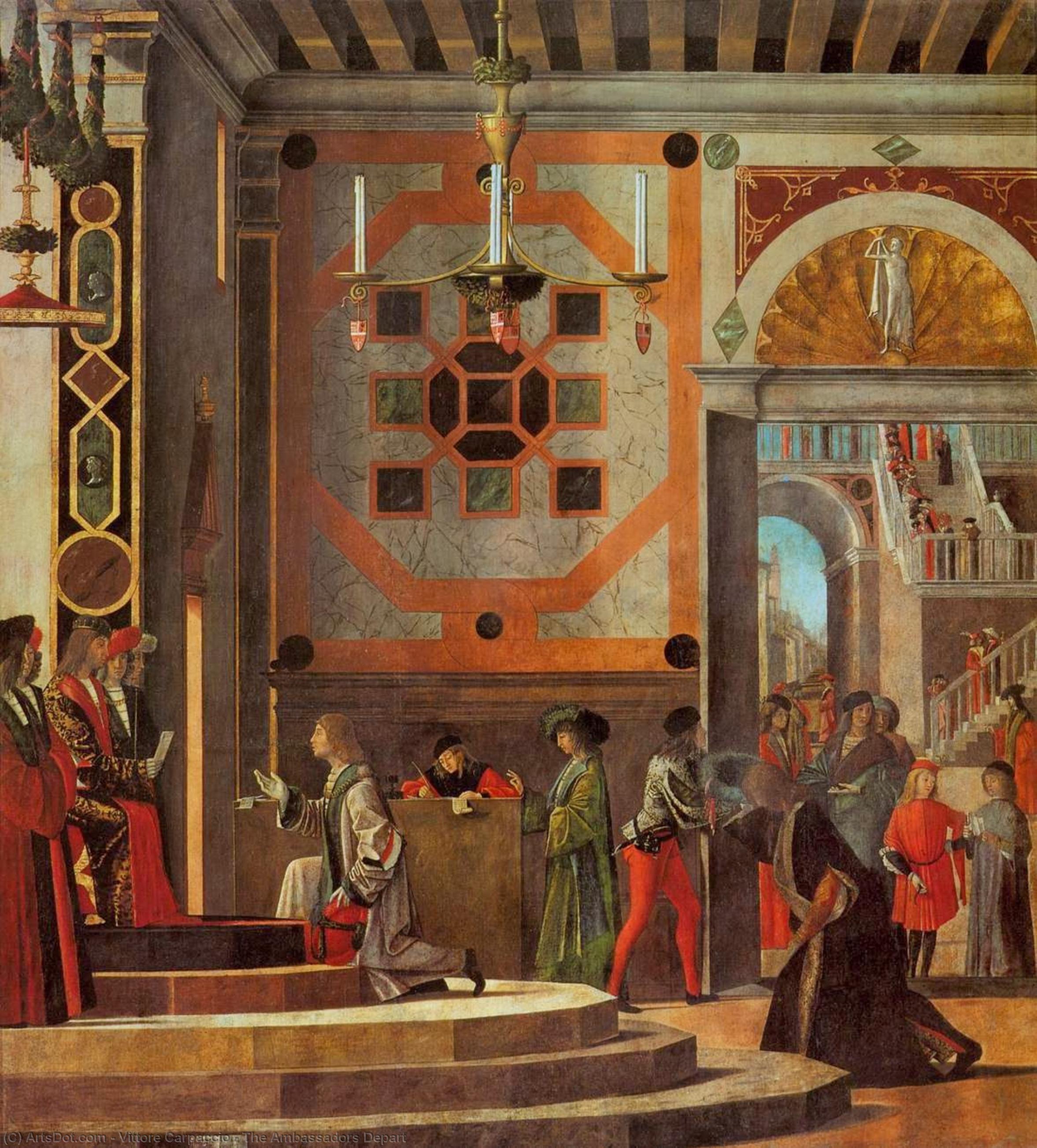
The Ambassadors Depart
 Oil On Canvas
- WallArt
- Renaissance
 1495
1495- Renaissance
 280.0 x 253.0 cm
 Gallerie dell’Accademia
 Összes részlet megjelenítése
Giclée / Műnyomat
Múzeumi minőségű giclée vagy vászonnyomat, gyors gyártással és rugalmas finomítási lehetőségekkel. ( Kézzel festett másolat rendelése Áttérés digitális képre)




P118B $10

P118H $10

P118W $10

P438Z $10

P508JH $12

P508YH $12

P805H $10

P805Z $10

P919BZ $10

P919G $10

P919XJ $10

P959ZH $10

P968JZ $12

W106C $8

W218G $10

W218JH $8

W218Y $10

W307PJ $10

W316G $10

W316PJ $8

W316Y $10

W398PJ $8

W4111J $10

W500HY $15

W500JH $15

W692G $12

W849H $8

W940BG $15

W953PJ $8




Válasszon előre meghatározott méreteink közül, amelyek megfelelnek a műalkotás eredeti arányainak.

Megadhat saját méreteket is egy konkrét kerethez vagy helyszínhez igazítva. Amennyiben a kiválasztott méret nem egyezik az eredeti kép arányokkal, a műalkotást le fogjuk vágni, vagy kiegészítjük a képet tükrözött vagy egyszínű szélekkel. A gyártás megkezdése előtt egy digitális tervezetet küldünk jóváhagyásra.
Kérjük, vegye figyelembe, hogy a képernyőn látható előnézet nem tükrözi a tényleges levágást vagy kiegészítést. Csak a tervezet mutatja pontosan a végső kompozíciót.
Bár az egyedi méretek is elérhetőek, az eredeti arányok megőrzése érdekében azt javasoljuk, hogy válasszon a előre meghatározott listából származó méretet.
Világszerte történő kiszállítás területére mindössze 2 hét alatt, a szokásos 4-5 hét helyett. (9 szeptember)

Ingyenes globális expressz szállítás

Prémium minőségű len vászon

Teljes körű szállítási biztosítás

Vámvisszatérítési Garancia

Hiteles színpontosság garancia

100 napos visszaküldési lehetőség (csak hibás termékek esetén)

100% pénzvisszatérítési garancia

Több darab vásárlása esetén kedvezmény
 Az üvegkeretes opció csak 110 cm alatti méretben érhető el

The Ambassadors Depart
Giclée / Műnyomat
Reprodukció mérete
-


Összesített ár
$ 80
A Threshold of Grandeur: The World of Carpaccio
In the quiet, sun-drenched corridors of the Venetian Renaissance, few works capture the intersection of political gravity and narrative splendor quite like Vittore Carpaccio’s The Ambassadors Depart. Painted in 1495, this monumental canvas serves as a breathtaking window into an era where diplomacy was an art form and every architectural detail whispered of power. As part of the celebrated cycle depicting the Legend of Saint Ursula, the painting transports the viewer to a pivotal moment of transition. We find ourselves standing at the edge of a richly ornamented hall, watching as two figures prepare to step from the structured elegance of an interior into the expansive, unpredictable vista of the outdoors. It is a scene that breathes with the tension of departure and the weight of official duty.
The composition is a masterclass in Renaissance storytelling, centering on a nobleman engaged in the solemn receipt of documents bearing authoritative seals. This act, far from being a mere administrative task, is imbued with profound symbolic significance, representing the legal and diplomatic foundations upon which the Venetian Republic was built. Beside him, a companion figure—perhaps a scholar or a diplomat—stands in quiet contemplation, creating a beautiful juxtaposition between the active pursuit of governance and the intellectual depth of humanist thought. For the discerning collector, this painting offers more than just visual beauty; it provides a window into the very soul of 15th-century Venetian identity, where trade, law, and faith were inextricably linked.
The Mastery of Venetian Realism
To gaze upon this work is to witness the meticulous precision that defines the Venetian school. Carpaccio, a student of Gentile Bellini, moved beyond mere idealization to embrace a breathtaking realism. Influenced by the pioneering oil techniques of Antonello da Messina and the textural richness of Early Netherlandish art, Carpaccio utilized layers of pigment to achieve an unprecedented luminosity. The way light filters through the grand hall, catching the heavy folds of luxurious drapery and reflecting off polished architectural surfaces, creates a sense of tactile reality that is almost palpable. Every column, arch, and decorative panel is rendered with such fidelity that the viewer can almost feel the cool stone and the weight of the fine fabrics.
The color palette is a sophisticated symphony of warmth and contrast. Deep reds, earthy browns, and regal golds dominate the interior, evoking a sense of established wealth and historical permanence. These warm tones are masterfully balanced by subtle cooler hues in the background and clothing, which lend depth to the composition and guide the eye toward the horizon. For interior designers seeking to infuse a space with character, the painting’s ability to command attention through its rich textures and balanced light makes it an incomparable centerpiece. It is a work that does not merely decorate a wall; it anchors a room with its profound sense of history and atmospheric depth.
An Enduring Legacy for the Modern Collector
Beyond its technical brilliance, The Ambassadors Depart resonates emotionally through its depiction of transition and purpose. There is a certain nobility in the figures' movements—a quiet dignity that transcends the centuries. The painting captures the essence of an age defined by exploration and the formalization of global connections, making it a timeless piece for those who appreciate art with intellectual substance. Whether viewed as a historical document or a masterpiece of light and shadow, the work continues to inspire awe.
For those looking to bring the splendor of the Gallerie dell’Accademia into their private collections, a high-quality reproduction of this masterpiece offers an unparalleled opportunity. A faithful hand-painted recreation allows the intricate details—the delicate seals on the parchment, the subtle shadows in the architectural recesses, and the vibrant Venetian light—to shine, providing a sophisticated focal point that celebrates the enduring legacy of the Renaissance.
A művész életrajza
Early Life and Training
Vittore Carpaccio, a prominent Italian painter, was born in Venice around 1465. He studied under the tutelage of Gentile Bellini, a renowned artist of the Venetian school. This apprenticeship laid the foundation for Carpaccio's future success. His family were fishermen and boat builders, shaping his early understanding of craftsmanship and observation—skills that would prove invaluable to his artistic endeavors.Artistic Style and Influences
Carpaccio’s style was characterized by its conservative nature, demonstrating minimal influence from the humanist trends that transformed Italian renaissance painting during his lifetime. However, he absorbed considerable inspiration from Antonello da Messina's masterful use of oil paint and perspective, as well as from early Netherlandish art—particularly the meticulous detail and emotional intensity found in Flemish altarpieces. This unique blend resulted in a distinctive approach to Venetian painting, prioritizing narrative clarity and psychological realism over stylistic experimentation.Notable Works
Carpaccio’s most celebrated achievement was undoubtedly “The Legend of Saint Ursula,” a monumental cycle of nine paintings commissioned by the Scuola di Sant'Orsola. Executed between 1490 and 1519, this series—now housed in the Gallerie dell’Accademia—represents his pinnacle of artistic accomplishment. It exemplifies Carpaccio’s ability to convey complex theological narratives with breathtaking visual splendor, capturing the grandeur of biblical storytelling. Alongside “Saint Ursula,” he created “Glory of St. Ursula Altarpiece” (1491), a testament to Bellini's influence and masterful use of color, and "Miracle of the Relic of the Cross at the Ponte di Rialto" (1494), showcasing Carpaccio’s compositional skill and his dedication to portraying human emotion with profound sensitivity.Career Highlights and Legacy
Carpaccio’s prolific output cemented his position among the early masters of the Venetian renaissance, securing him a place in art history alongside luminaries like Bellini and Giorgione. His distinctive orientalist style—evident in “Saint George Baptizing the Selenites”—reflects Venice's burgeoning engagement with the Levant during this period, marking Carpaccio as an artist attuned to the intellectual currents of his time. Despite being somewhat overshadowed by his contemporaries, Carpaccio’s enduring legacy resides in his contribution to Venetian painting and its lasting impact on subsequent generations of artists. His meticulous technique and unwavering commitment to narrative storytelling continue to inspire admiration and scholarly study today.References and Further Reading
Discover more about Vittore Carpaccio and the Venetian School on OriginalUniqueArt.
Vittore Carpaccio
1465 - 1526 , Olaszország
A művészről röviden
- Artistic Movement Or Style: Korai venezeti reneszánsz
- Artists Who Influenced This Artist:
- Gentile Bellini
- Antonello da Messina
- Date Of Birth: Velence, Itália (c. 1465)
- Date Of Death: Koper, Itália (1526)
- Full Name: Vittore Carpaccio
- Nationality: Olasz
- Notable Artworks:
- A Szent Ursúla legenda
- Szent Ursúla oltárképe
- Krisztus relikviájának csodája Rialto hídtoronján
- Place Of Birth: Velence
Kapcsolódó cikkek

The Enduring Power of Painting: A Historical & Contemporary Exploration of Form and Emotion
Explore the rich history & enduring techniques of oil painting with OriginalUniqueArt. Discover masterpieces, learn about art collecting, and find authentic handmade reproductions crafted by skilled artists.
Vittore Carpaccio: Venetian Renaissance Narrative & the Poetics of Detail
Explore the captivating world of Vittore Carpaccio, a master storyteller of the Venetian Renaissance. Discover his intricate details, narrative cycles like 'The Legend of St. Ursula,' and unique artistic style.

Oil on Canvas: A Historical & Technical Exploration of a Timeless Artistic Medium
Explore the rich history & enduring techniques of oil painting on canvas. Discover the science behind its longevity, conservation practices, and contemporary relevance. Expert insights for art enthusiasts.

The Golden Light of Innovation: Exploring the Venetian Renaissance Art Movement (1430–1580)
Explore the Golden Age of Venetian art (1430–1580). Discover Giorgione, Titian & Tintoretto's techniques, the 'colorito' revolution, and lasting influence. Expert insights for collectors & enthusiasts.

The Enduring Legacy of Oil on Canvas: Technique, History & Aesthetic Impact
Explore the rich history & techniques of oil painting – from Renaissance masters to Impressionism. Discover pigments, layering methods, and why this timeless medium endures. Expert insights for artists & art enthusiasts.


