

 Megtekintés
 Küldés
 Megosztás
 Részletek

 Letöltés
 Hasonló darabok
 X-ray felvétel
 Diavetítés
Saint John the Baptist


 Összes részlet megjelenítése
Giclée / Műnyomat
Múzeumi minőségű giclée vagy vászonnyomat, gyors gyártással és rugalmas finomítási lehetőségekkel. ( Kézzel festett másolat rendelése Kép letöltése)




P118B $10

P118H $10

P118W $10

P438Z $10

P508JH $12

P508YH $12

P805H $10

P805Z $10

P919BZ $10

P919G $10

P919XJ $10

P959ZH $10

P968JZ $12

W106C $8

W218G $10

W218JH $8

W218Y $10

W307PJ $10

W316G $10

W316PJ $8

W316Y $10

W398PJ $8

W4111J $10

W500HY $15

W500JH $15

W692G $12

W849H $8

W940BG $15

W953PJ $8




Válasszon előre meghatározott méreteink közül, amelyek megfelelnek a műalkotás eredeti arányainak.

Megadhat saját méreteket is egy konkrét kerethez vagy helyszínhez igazítva. Amennyiben a kiválasztott méret nem egyezik az eredeti kép arányokkal, a műalkotást le fogjuk vágni, vagy kiegészítjük a képet tükrözött vagy egyszínű szélekkel. A gyártás megkezdése előtt egy digitális tervezetet küldünk jóváhagyásra.
Kérjük, vegye figyelembe, hogy a képernyőn látható előnézet nem tükrözi a tényleges levágást vagy kiegészítést. Csak a tervezet mutatja pontosan a végső kompozíciót.
Bár az egyedi méretek is elérhetőek, az eredeti arányok megőrzése érdekében azt javasoljuk, hogy válasszon a előre meghatározott listából származó méretet.
Világszerte történő kiszállítás területére mindössze 2 hét alatt, a szokásos 4-5 hét helyett. (7 szeptember)

Ingyenes globális expressz szállítás

Prémium minőségű len vászon

Teljes körű szállítási biztosítás

Vámvisszatérítési Garancia

Hiteles színpontosság garancia

100 napos visszaküldési lehetőség (csak hibás termékek esetén)

100% pénzvisszatérítési garancia

Több darab vásárlása esetén kedvezmény
 Az üvegkeretes opció csak 110 cm alatti méretben érhető el

Saint John the Baptist
Giclée / Műnyomat
Reprodukció mérete
-


Összesített ár
$ 80
A Vision of Devotion: Encountering Carpaccio’s Saint John
In the quiet, contemplative atmosphere of the Philbrook Museum of Art, there exists a window into the soul of the Venetian Renaissance. Vittore Carpaccio’s Saint John the Baptist, painted in 1505, is not merely a portrait but a profound spiritual encounter. The young saint stands with a poised, almost ethereal grace, draped in vibrant red robes that command the viewer's attention against the soft, atmospheric backdrop of a cloud-swept sky. Through his masterful use of oil on panel, Carpaccio captures a moment of divine stillness, inviting anyone who gazes upon it to pause and reflect on the intersection of the earthly and the divine.
The composition is a masterclass in the delicate balance of light and texture characteristic of the Venetian school. While Carpaccio’s training under the legendary Gentile Bellini provided him with a foundation in luminous color, his unique stylistic voice—deeply influenced by the meticulous detail of Netherlandish art and the structural clarity of Antonello da Messina—is on full display here. The way the light catches the folds of the crimson fabric and illuminates the saint's youthful features creates a sense of tangible presence. This technique breathes life into the figure, making him feel less like a distant icon and more like a living, breathing witness to faith.
Symbolism and the Renaissance Spirit
Every element within this frame serves a higher narrative purpose. The cross held firmly in Saint John's hand acts as a poignant symbol of his future mission and the weight of his prophetic calling. As he stands upon a pedestal, separated from the viewer by a thin veil of sanctity, the window behind him offers a glimpse into a world that feels both vast and intimate. This interplay between the interiority of the saint’s devotion and the expansive sky suggests the omnipresence of the spiritual realm within our daily existence.
For the discerning collector or interior designer, this piece offers more than just aesthetic beauty; it provides a focal point of profound emotional depth. The painting's conservative yet strikingly beautiful approach to the Renaissance style makes it a timeless addition to any curated space. Whether placed in a sunlit gallery or a sophisticated study, the Saint John the Baptist brings with it an aura of historical prestige and a sense of tranquil permanence. It is a work that does not merely decorate a room but elevates its very atmosphere, turning a house into a sanctuary of art and thought.
A művész életrajza
Early Life and Training
Vittore Carpaccio, a prominent Italian painter, was born in Venice around 1465. He studied under the tutelage of Gentile Bellini, a renowned artist of the Venetian school. This apprenticeship laid the foundation for Carpaccio's future success. His family were fishermen and boat builders, shaping his early understanding of craftsmanship and observation—skills that would prove invaluable to his artistic endeavors.Artistic Style and Influences
Carpaccio’s style was characterized by its conservative nature, demonstrating minimal influence from the humanist trends that transformed Italian renaissance painting during his lifetime. However, he absorbed considerable inspiration from Antonello da Messina's masterful use of oil paint and perspective, as well as from early Netherlandish art—particularly the meticulous detail and emotional intensity found in Flemish altarpieces. This unique blend resulted in a distinctive approach to Venetian painting, prioritizing narrative clarity and psychological realism over stylistic experimentation.Notable Works
Carpaccio’s most celebrated achievement was undoubtedly “The Legend of Saint Ursula,” a monumental cycle of nine paintings commissioned by the Scuola di Sant'Orsola. Executed between 1490 and 1519, this series—now housed in the Gallerie dell’Accademia—represents his pinnacle of artistic accomplishment. It exemplifies Carpaccio’s ability to convey complex theological narratives with breathtaking visual splendor, capturing the grandeur of biblical storytelling. Alongside “Saint Ursula,” he created “Glory of St. Ursula Altarpiece” (1491), a testament to Bellini's influence and masterful use of color, and "Miracle of the Relic of the Cross at the Ponte di Rialto" (1494), showcasing Carpaccio’s compositional skill and his dedication to portraying human emotion with profound sensitivity.Career Highlights and Legacy
Carpaccio’s prolific output cemented his position among the early masters of the Venetian renaissance, securing him a place in art history alongside luminaries like Bellini and Giorgione. His distinctive orientalist style—evident in “Saint George Baptizing the Selenites”—reflects Venice's burgeoning engagement with the Levant during this period, marking Carpaccio as an artist attuned to the intellectual currents of his time. Despite being somewhat overshadowed by his contemporaries, Carpaccio’s enduring legacy resides in his contribution to Venetian painting and its lasting impact on subsequent generations of artists. His meticulous technique and unwavering commitment to narrative storytelling continue to inspire admiration and scholarly study today.References and Further Reading
Discover more about Vittore Carpaccio and the Venetian School on OriginalUniqueArt.
Vittore Carpaccio
1465 - 1526 , Olaszország
A művészről röviden
- Artistic Movement Or Style: Korai venezeti reneszánsz
- Artists Who Influenced This Artist:
- Gentile Bellini
- Antonello da Messina
- Date Of Birth: Velence, Itália (c. 1465)
- Date Of Death: Koper, Itália (1526)
- Full Name: Vittore Carpaccio
- Nationality: Olasz
- Notable Artworks:
- A Szent Ursúla legenda
- Szent Ursúla oltárképe
- Krisztus relikviájának csodája Rialto hídtoronján
- Place Of Birth: Velence
Kapcsolódó cikkek

John Singer Sargent 25 Mesterműve: Elegancia és Portrék a OriginalUniqueArt Galériában
Fedezze fel John Singer Sargent 25 legikonikusabb művészeti alkotását! Portrék, impresszionista stílus és a fény játéka – inspirálódjon Sargent életrajzából és vászonképeiből. Művészeti reprodukciók otthonába a OriginalUniqueArt-on!

John Constable 25 Mesterműve: A Természet Lényege Vászonon – OriginalUniqueArt.com
Fedezze fel John Constable 25 legszebb művészeti alkotását! Ismerje meg a romantika ikonikus tájképeit, Dedham Vale szépségét és a természet lenyűgöző ábrázolásait. Vászonkép reprodukcióinkkal eleganciát csempészhet otthonába – OriginalUniqueArt.com

Crimson Threads of Narrative: Exploring Symbolism & Representation in Artworks Featuring the Red Dress
Explore the rich symbolism of the red dress in art history! From ancient power displays to iconic portraits like Cézanne’s 'Madame Cezanne', discover the cultural and artistic significance behind this captivating color. Expert analysis & insights.
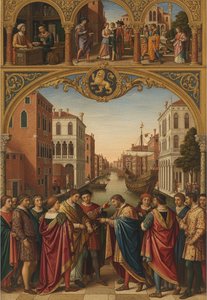
Vittore Carpaccio: Venetian Renaissance Narrative & the Poetics of Detail
Explore the captivating world of Vittore Carpaccio, a master storyteller of the Venetian Renaissance. Discover his intricate details, narrative cycles like 'The Legend of St. Ursula,' and unique artistic style.
Jacopo Tintoretto 25 Mesterműve: A Velencei Dráma és Fény Világa | OriginalUniqueArt
Fedezze fel Jacopo Tintoretto 25 legpárásabb műalkotását! A velencei reneszánsz drámája és a barokk fények világa. Vásároljon luxus minőségű reprodukciókat, inspirálja otthonát OriginalUniqueArt-on. Explore the full collection online!


