Text size

() ·

A painting made for you, by hand

Strings for night firing

Kézzel készített olajfestmény reprodukció

Kézzel festett olajvastú vászon, az Ön által választott méretben és keretben, művészeink készítik meglévőre. ( Váltás nyomtatványra Áttérés digitális képre)

A gyűjtemény leírása

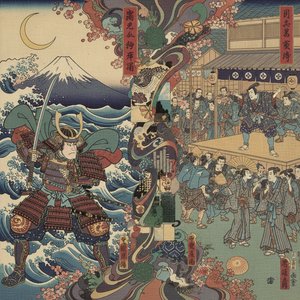
Experience Utagawa Kuniyoshi's 'Strings for night firing,' a powerful monochrome woodblock print depicting warriors in dynamic combat. A masterpiece of Ukiyo-e artistry.

A művész életrajza

Utagawa Kuniyoshi (1798-1861) a világhírű japán ukiyo-e festő, aki a harci jelenetekkel, fantáziaszerű tájakkal és a hagyományos művészetek keveredésével hódított el. Fedezd fel a Suikoden sorozatot!

from ·

Chapter 1

How large should it be?

Slide to change the size; the picture on the left shows the frame at its real width. The proportions of the original are kept.

Standard méret
egyedi méretű
CM
INCH

Válasszon előre meghatározott méreteink közül, amelyek megfelelnek a műalkotás eredeti arányainak.

szélesség
magasság

Írja be a kívánt szélességet és magasságot, hogy illeszkedjen a keretéhez vagy a falához. Mivel ez kézzel festett alkotás, egy eltérő formájú méret esetén a művész akár festhet is valamivel többet a kép körül, vagy korolathat is belőle — az Ön döntésének megfelelően. A festés megkezdése előtt küldünk egy digitális tervezetet jóváhagyásra. Az oldalon látható kép nem tartalmazza a végeredményt — csak a tervezet mutatja meg a valódi eredményt.

Chapter 2

How should it arrive?

Choose the edges of the stretched canvas

Choose your frame

Corner sample of the WhiteWrap canvas edge finish, stretched on tömörfa bars
White Ft1
Corner sample of the BlurSideWrap canvas edge finish, stretched on tömörfa bars
Blurside Ft1
Corner sample of the ExtendedWrap canvas edge finish, stretched on tömörfa bars
Extended Ft1
Corner sample of the P118B picture frame: formázott polisztirol, 5 cm wide and 3 cm thick
P118B Ft10
Corner sample of the P118H picture frame: formázott polisztirol, 5 cm wide and 3 cm thick
P118H Ft10
Corner sample of the P118W picture frame: formázott polisztirol, 5 cm wide and 3 cm thick
P118W Ft10
Corner sample of the P438Z picture frame: formázott polisztirol, 5.5 cm wide and 3.5 cm thick
P438Z Ft10
Corner sample of the P508JH picture frame: formázott polisztirol, 7 cm wide and 3.5 cm thick
P508JH Ft12
Corner sample of the P508YH picture frame: formázott polisztirol, 7 cm wide and 3.5 cm thick
P508YH Ft12
Corner sample of the P805H picture frame: formázott polisztirol, 5 cm wide and 3.5 cm thick
P805H Ft10
Corner sample of the P805Z picture frame: formázott polisztirol, 5 cm wide and 3.5 cm thick
P805Z Ft10
Corner sample of the P919BZ picture frame: formázott polisztirol, 7 cm wide and 3.5 cm thick
P919BZ Ft10
Corner sample of the P919G picture frame: formázott polisztirol, 7 cm wide and 3.5 cm thick
P919G Ft10
Corner sample of the P919XJ picture frame: formázott polisztirol, 7 cm wide and 3.5 cm thick
P919XJ Ft10
Corner sample of the P959ZH picture frame: formázott polisztirol, 5 cm wide and 3 cm thick
P959ZH Ft10
Corner sample of the P968JZ picture frame: formázott polisztirol, 6 cm wide and 4 cm thick
P968JZ Ft12
Corner sample of the W106C picture frame: tömörfa, 5 cm wide and 3 cm thick
W106C Ft8
Corner sample of the W218G picture frame: tömörfa, 5 cm wide and 3 cm thick
W218G Ft10
Corner sample of the W218JH picture frame: tömörfa, 5 cm wide and 3 cm thick
W218JH Ft8
Corner sample of the W218Y picture frame: tömörfa, 5 cm wide and 3 cm thick
W218Y Ft10
Corner sample of the W307PJ picture frame: tömörfa, 6 cm wide and 3 cm thick
W307PJ Ft10
Corner sample of the W316G picture frame: tömörfa, 6 cm wide and 3 cm thick
W316G Ft10
Corner sample of the W316PJ picture frame: tömörfa, 6 cm wide and 3 cm thick
W316PJ Ft8
Corner sample of the W316Y picture frame: tömörfa, 6 cm wide and 3 cm thick
W316Y Ft10
Corner sample of the W398PJ picture frame: tömörfa, 5 cm wide and 3 cm thick
W398PJ Ft8
Corner sample of the W4111J picture frame: tömörfa, 6.5 cm wide and 3.5 cm thick
W4111J Ft10
Corner sample of the W500HY picture frame: tömörfa, 7 cm wide and 5 cm thick
W500HY Ft15
Corner sample of the W500JH picture frame: tömörfa, 7 cm wide and 5 cm thick
W500JH Ft15
Corner sample of the W692G picture frame: tömörfa, 8 cm wide and 4 cm thick
W692G Ft12
Corner sample of the W849H picture frame: tömörfa, 5 cm wide and 3 cm thick
W849H Ft8
Corner sample of the W940BG picture frame: tömörfa, 7.5 cm wide and 4.5 cm thick
W940BG Ft15
Corner sample of the W953PJ picture frame: tömörfa, 6 cm wide and 3.5 cm thick
W953PJ Ft8
Corner sample of the H24-GOLD picture frame: faragott fa gesszóval, 10 cm wide and 6 cm thick
H24-GOLD Ft30
Corner sample of the H24-SILVER picture frame: faragott fa gesszóval, 10 cm wide and 6 cm thick
H24-SILVER Ft30
Corner sample of the H36-GOLD picture frame: faragott fa gesszóval, 15 cm wide and 6.5 cm thick
H36-GOLD Ft45
Corner sample of the H36-SILVER picture frame: faragott fa gesszóval, 15 cm wide and 6.5 cm thick
H36-SILVER Ft45

Moulding: . Overall size with the frame: .

Chapter 3

Who paints it, and should anything change?

Examples of what can be changed: Replace face with customer photo; Add pet (e.g., replace cat with dog); Include hidden message in background; Change background landscape or elements.
After order, OriginalUniqueArt.com team will email client for instructions and provide a mockup preview

Világszerte elérhető szállítás () 3-4 hét alatt a szokásos 5 hét helyett. (1 november). A minőség nem kérdőjelezhető.

Chapter 4

The finishing touches

A nameplate, as in a museum?

A gravírozott bronztábla részletei

This elegant plaque features the artist's name and the title of the artwork, finely engraved for a timeless presentation.

It is made from bronze with a refined, elegant finish. The text is precisely laser-engraved for a sharp and permanent result. Measuring 9x2 cm, the plaque is compact yet easy to read. It's built to be durable and scratch-resistant, offering a professional, museum-quality look. Mounting is simple thanks to the included adhesive backing.

Átlátszó akril tábla részletei

The plaque includes essential engraved details such as the artist's name, the title of the artwork, the date it was created, the type of media used-like oil on canvas or watercolor-a brief description of the piece, and a QR code that links to the complete artwork information.

It is crafted from clear acrylic, offering a sleek, modern appearance. The text is UV-engraved in black to ensure strong visual contrast. With a size of 10x15 cm, it ensures optimal readability. It comes equipped with two metal hooks for secure wall mounting. The plaque is designed to be weather-resistant, making it suitable for various environments, and it includes interactive features that work seamlessly with smartphone scanning.

Fekete akril tábla részletei

This elegant plaque includes engraved information such as the artist's name, the title of the artwork, the date it was created, the type of media used (like oil on canvas or watercolor), a short description of the artwork, and a QR code for quick access to more information.

The plaque itself is made from refined black acrylic with a premium finish. The text is laser-engraved in white for high contrast and readability. Its size is 10x15 cm, designed to be easy to read. It comes with two metal hooks for professional mounting. The design is sleek and fits any interior style. It is also weather-resistant and durable, with built-in digital integration for mobile compatibility.

A protective varnish?

When do you need it?

Chapter 5

Your painting, as you ordered it

Strings for night firing

Reprodukciós technika

Reprodukció mérete

-

Kiváló mesterművész

Nagyobb részletesség, finomság és bővített gyártási idő

-

Reprodukció keretezése

-

-

A bármely oldalsó méretét túlszálaló 105 cm (kb. 41 hüvelyk) meghaladó műalkotások vagy reprodukciók esetében a keret összeszerelhető készletként, szétszerelve kerül szállításra. Ez a módszer biztosítja a biztonságos szállítást, és megakadályozza a szállítás során fellépő sérüléseket.

Szakmész összeszerelést igényel – ez nem DIY (önösszeszerelhető) termék.
A készletet egy tapasztalt keretező szakembernek kell összeszerelnie és a vásznat feszítenie kell, fa ragasztó (nem tartalmazza a csomag), vásznfeszítő fogó és szorítók használatával, amelyek a ragasztó száradásáig a keretrészeket egymáshoz vuôngjba tartják. A helytelen összeszerelés vagy a nem egyenletes vásznfeszítés maradandó károsíthatja a műalkotást, és ez nem része a garanciánknak.

  • A készlet tartalmazza az összes tömörfa rudat, pontosan méretre vágva.

  • A mellékelt csavarokkal, valamint a sarokszerekhez szükséges faütő ragasztóval kell összeszerelnie (ez nem tartalmazható a csomagban), így a keretrendezőnek külön kell beszereznie.

  • A csomag nem tartalmazza a szükséges professzionális eszközöket: egy vászonfeszítőt és klipseket a rácsok vízszintes tartásához a ragasztó megszáradásáig.

Fontos:
A sarokcsatlakozásokhoz fánylagra van szükség, a keretrudakat szorítókapcsokkal kell rögzíteni, amíg a rag teljesen meg nem szárad, a kész keretre feszített vászonhoz pedig vászonfeszítő fogat szükséges. Ezek egyike sem található meg a készletben. Kérjük, rendelés előtt győződjön meg róla, hogy rendelkezik tapasztalt keretező szakemberrel.

Névtábla

-

-

Védőréteg (Lakk)

Fényes lakk (intenzívabb színek, védelem a fény és a nedvesség hatása ellen)

-

Műalkotásom egyedi igényre szabása

Példák a módosíthatóságra: az arc kicserélése az ügyfél fotójára; háziállat hozzáadása (pl. macska helyett kutya); rejtett üzenet elhelyezése a háttérben; a háttér tájainak vagy elemeinek megváltoztatása.

-

Sürgős

Világszerte szóló szállítás () mindössze 3-4 hét alatt, a szokásos 5 hét helyett. (1 november). A minőség nem kérdőjelezhető.

-

Express szállítás

Világszerte elérhető szállítás területre 5 héten belül. (8 november).

A szállítás díja tartalmazza

Összesített ár

Ft 130991

Összesített ár Ft 130991

Az üvegkeretes opció csak 110 cm alatti méretben érhető el

Included with every order

  • Ingyenes globális expressz szállítás
  • Prémium minőségű len vászon
  • Teljes körű szállítási biztosítás
  • Vámvisszatérítési Garancia
  • Hiteles színarányosság garancia
  • 100 napos visszaküldési lehetőség (csak hibás termékek esetén)
  • 100% pénzvisszatérítési garancia
  • Több darab vásárlásakor kedvezmény

A Night of Conflict: Unveiling Utagawa Kuniyoshi's "Strings for night firing"

This striking monochrome woodblock print, “Strings for night firing,” offers a glimpse into the dynamic world of late Edo period Japan through the masterful lens of Utagawa Kuniyoshi. The artwork depicts a scene of intense military action, showcasing warriors engaged in combat with rifles and swords. Its power lies not just in its depiction of battle but also in its evocative use of monochrome tones and traditional Japanese artistic techniques to convey a sense of urgency and determination. This piece is more than just a historical snapshot; it's an exploration of courage, conflict, and the unwavering spirit of the samurai tradition.

Ukiyo-e Tradition & Kuniyoshi’s Innovation

Rooted firmly in the Ukiyo-e (“pictures of the floating world”) tradition, this print exemplifies the style's characteristic flat perspective and stylized figures. However, Kuniyoshi elevates the genre with his exceptional skill in depicting movement and texture. The densely packed composition, featuring warriors advancing closely together, creates a palpable sense of forward momentum. While adhering to the traditional Ukiyo-e aesthetic, Kuniyoshi’s work often pushed boundaries, incorporating Western influences into his depictions of anatomy and perspective – though this is less evident in this particular print, the underlying dynamism speaks to his innovative spirit. The use of bold outlines and intricate hatching and cross-hatching techniques are hallmarks of his style, bringing a remarkable depth and vitality to the monochrome palette.

Technique & Materials: The Art of Woodblock Printing

The creation of “Strings for night firing” is a testament to the meticulous craftsmanship inherent in Japanese woodblock printing.
  • Wood Block Carving: The artist began by carving the design into a wooden block, a process requiring immense precision and skill. Each line and detail was painstakingly rendered in reverse.
  • Ink Application: Ink was then carefully applied to the surface of the carved block.
  • Printing Process: Finally, dampened paper was pressed firmly onto the inked block, transferring the image and creating a single print.
This process allowed for multiple impressions from the same block, making Ukiyo-e prints relatively accessible to a wider audience during the Edo period. The materials – wood, ink, and paper – were carefully selected to ensure the longevity and vibrancy of the artwork.

Symbolism & Emotional Resonance

The monochromatic palette contributes significantly to the print’s somber and serious mood. The absence of color focuses attention on form, texture, and the intensity of the figures' expressions. The warriors' determined poses and aggressive stances convey a sense of unwavering resolve in the face of conflict. While the specific historical event depicted remains unknown, the scene evokes universal themes of courage, duty, and the harsh realities of warfare. Kuniyoshi’s ability to capture such raw emotion within the constraints of monochrome is a testament to his artistic genius, making “Strings for night firing” a powerful and enduring work of art.

Kérdések és válaszok

Van-e rozšíngtott valóság (AR) előnézete a(z) "Strings for night firing" alkotásnak?

A „Strings for night firing”, Kuniyoshi Utagawa alkotása Kiterjesztett valóság előnézet oldala kiterjesztett valóságot használ, hogy az alkotást egy kompatibilis eszközön, az Ön saját környezetében is megmutassa.

Hol tudok nyomtatványt vásárolni a(z) „Strings for night firing”, Kuniyoshi Utagawa alkotása alkotásból?

A „Strings for night firing”, Kuniyoshi Utagawa alkotása nyomata közvetlenül a következő oldalon rendelhető meg: Művészeti nyomtatvány: minőségi giclée nyomat pamutvászonon vagy archiváló vászonpapíron.

Hogyan találkoznak a korszak és a mű stílusa „Strings for night firing”, Kuniyoshi Utagawa alkotása alkotásban?

A „Strings for night firing”, Kuniyoshi Utagawa alkotása a Ukiyo-e irányzat alkotása, mely alkotójának 19. század korszakából származik.

More about this painting

Megtekintés AR előnézet Váltás nyomtatványra Áttérés digitális képre Küldés
Részletek Útmutató Kedvencekhez ad Letöltés Hasonló darabok X-ray felvétel Diavetítés Q&A Statisztika

In numbers

  • 29frames to choose from
  • standard sizes, in its own proportions
  • 5weeks to paint and deliver it
Kuniyoshi Utagawa

Kuniyoshi Utagawa

1797 - 1861, Japán

Quick facts about Kuniyoshi Utagawa

  • Artistic Movement Or Style: Ukiyo-e
  • Artists Or Movements Influenced By This Artist: ['Ozawa Tsuyoshi']
  • Artists Who Influenced This Artist: ['Toyokuni Utagawa']
  • Date Of Birth: 1798. jan 1.
  • Date Of Death: 1861. ápr 14.
  • Full Name: Utagawa Kuniyoshi
  • Nationality: Japán
  • Notable Artworks:
    • 108 Hős...
    • Sárkányok...
    • Taira no Tomomori
  • Place Of Birth: Tokió, Japán

A művész életrajza

A Life Immersed in the Floating World

Utagawa Kuniyoshi, born Yoshisaburō on January 1, 1798, in Edo (modern-day Tokyo), stands as a towering figure at the close of the *ukiyo-e* tradition – the “pictures of the floating world” that so vividly captured Japanese life during the Edo period. His journey began not amidst artistic circles, but within the practical realm of his father’s silk-dyeing business. This early exposure to color and pattern would subtly inform his later work, imbuing it with a distinctive vibrancy. Even as a young boy, however, Kuniyoshi was captivated by the dramatic world of *ukiyo-e*, particularly the heroic imagery of warriors and artisans that populated popular prints. These formative impressions ignited within him a passion that would define his life’s pursuit. He entered the studio of Utagawa Toyokuni I in 1811, adopting the name Kuniyoshi and embarking on a rigorous apprenticeship that honed his skills and introduced him to the conventions of the Utagawa school.

From Humble Beginnings to Masterful Innovation

Kuniyoshi’s early career was marked by a period of relative obscurity. While proficient in the established styles, he struggled to find his unique voice amidst the crowded landscape of Edo printmaking. His initial works largely mirrored those of his teacher, offering little that distinguished him from his contemporaries. However, this period of exploration proved crucial. He experimented with various genres and techniques, gradually developing a distinctive approach characterized by dynamic compositions, bold colors, and an increasingly sophisticated understanding of narrative storytelling. The breakthrough came in 1827 with the release of *The One Hundred and Eight Heroes of the Popular Suikoden*, a monumental series based on the Chinese novel *Shui Hu Zhuan*. This work catapulted Kuniyoshi to fame, establishing him as a master of *musha-e* – warrior prints. The series wasn’t merely an illustration of heroic tales; it was a showcase for Kuniyoshi's burgeoning talent for dramatic composition and characterization. He didn’t simply depict warriors; he brought them to life with compelling emotion and intricate detail, imbuing each figure with a distinct personality and presence. The sheer scale of the undertaking – over 100 figures rendered in vibrant color – demonstrated Kuniyoshi's growing mastery of the *ukiyo-e* technique and his ability to command attention.

A Synthesis of Tradition and Western Influence

What truly sets Kuniyoshi apart is his willingness to embrace innovation while remaining deeply rooted in Japanese artistic traditions. As the Edo period drew to a close, Japan experienced increasing contact with the West, and Kuniyoshi was among the first *ukiyo-e* artists to incorporate elements of Western perspective and shading into his work. This wasn’t simply imitation; he skillfully integrated these techniques to enhance depth, realism, and dramatic impact. His landscapes, in particular, demonstrate a masterful command of atmospheric effects and spatial relationships, often evoking a sense of grandeur and awe. He didn't abandon the established conventions of *ukiyo-e*; rather, he subtly layered Western influences onto them, creating a unique visual language that was both familiar and strikingly original. Beyond technique, Kuniyoshi expanded the subject matter of *ukiyo-e*. While traditional themes like beautiful women and Kabuki actors remained popular, he ventured into new territory, depicting historical scenes, mythological creatures, and even satirical commentaries on contemporary society. His triptych *In Minamoto’s Residence the Earth Spider Appears as a Monster* (1843) is a prime example of this daring approach, cleverly disguising political criticism within a fantastical narrative – a testament to his artistic versatility and willingness to engage with complex social issues.

The Suikoden Series and Beyond

The *One Hundred and Eight Heroes of the Popular Suikoden* remains Kuniyoshi’s most celebrated achievement, but it was only the beginning of his prolific career. He continued to produce a vast array of prints across diverse genres, including portraits of Kabuki actors (a particularly successful area for him), landscapes, scenes from folklore and mythology, and depictions of everyday life. His work during this period is characterized by a dynamic energy and a masterful use of color – bold reds, vibrant greens, and deep blues create a visually arresting effect. He also developed a distinctive style of portraying animals, often imbuing them with human-like qualities and emotions. Kuniyoshi’s ability to capture the essence of his subjects, whether they were legendary heroes or humble villagers, cemented his reputation as one of Japan's greatest artists. He was a master of capturing movement and emotion, evident in his depictions of warriors engaged in battle, actors performing on stage, and animals in their natural habitats.

Legacy and Historical Significance

Kuniyoshi’s influence on subsequent generations of artists is undeniable. He left behind a vast and diverse body of work – estimated to number over 5,000 designs – that continues to inspire awe and admiration today. His innovative blending of traditional Japanese aesthetics with Western techniques paved the way for new artistic possibilities, while his willingness to challenge conventions broadened the scope of *ukiyo-e*. He trained numerous students, including Yoshitoshi, who would carry on his legacy into the Meiji period. Kuniyoshi’s work offers a valuable glimpse into the social and cultural landscape of Edo Japan – a time of rapid change, increasing Western influence, and a vibrant artistic scene. His prints are not merely beautiful images; they are windows into a fascinating era, testaments to the power of artistic innovation, and celebrations of the enduring spirit of Japan. He remains a pivotal figure in the history of Japanese art, whose work continues to resonate with audiences around the world. He passed away on April 14, 1861, leaving behind a legacy that firmly cemented his place as one of the last great masters of *ukiyo-e*.

Gyors információk

  • Artistic style: Japanese woodblock printing
  • Notable elements or techniques:
    • Hatching
    • Cross-hatching
    • Flat perspective
  • Movement: Ukiyo-e
  • Subject or theme: Warriors in battle

Művészeti kvíz

Minden kérdésre csak egy helyes válasz létezik.

Kérdés 1:
What artistic tradition does this artwork primarily belong to?
Kérdés 2:
The monochromatic color palette in 'Strings for night firing' primarily serves to emphasize which of the following?
Kérdés 3:
What technique is central to the creation of this woodblock print?
Kérdés 4:
Utagawa Kuniyoshi, the artist of this work, was known for his depictions of what subject matter?
Kérdés 5:
The perspective in this artwork is best described as:
Fedezze fel a műalkotásokat témák, stílusok és jellemzők szerint csoportosítva.