
 Megtekintés
 Küldés
 Megosztás
 Részletek
 Útmutató

 Letöltés
 Hasonló darabok
 X-ray felvétel
 Diavetítés
 Kérdések és válaszok
 Statisztika
The Laugh


 Összes részlet megjelenítése
Giclée / Műnyomat
Múzeumi minőségű giclée vagy vászonnyomat, gyors gyártással és rugalmas finomítási lehetőségekkel. ( Kézzel festett másolat rendelése Áttérés digitális képre)




P118B Ft10

P118H Ft10

P118W Ft10

P438Z Ft10

P508JH Ft12

P508YH Ft12

P805H Ft10

P805Z Ft10

P919BZ Ft10

P919G Ft10

P919XJ Ft10

P959ZH Ft10

P968JZ Ft12

W106C Ft8

W218G Ft10

W218JH Ft8

W218Y Ft10

W307PJ Ft10

W316G Ft10

W316PJ Ft8

W316Y Ft10

W398PJ Ft8

W4111J Ft10

W500HY Ft15

W500JH Ft15

W692G Ft12

W849H Ft8

W940BG Ft15

W953PJ Ft8




Válasszon előre meghatározott méreteink közül, amelyek megfelelnek a műalkotás eredeti arányainak.

Írja be a keretének vagy a falának megfelelő szélességet és magasságot. A nyomatot csak le lehet vágni, soha nem tehető nagyobbá, mint az eredeti kép, így egy eltérő alakú méretnél a kép egy része elveszik. Mielőtt bármit kinyatintanánk, küldünk egy digitális próbamodellt jóváhagyásra. Az oldalon látható kép nem tartalmazza a valós levágást — ezt csak a próbamodell mutatja meg.
Világszerte történő kiszállítás területére mindössze 2 hét alatt, a szokásos 4-5 hét helyett. (7 november)

Ingyenes globális expressz szállítás

Prémium minőségű len vászon

Teljes körű szállítási biztosítás

Vámvisszatérítési Garancia

Hiteles színarányosság garancia

100 napos visszaküldési lehetőség (csak hibás termékek esetén)

100% pénzvisszatérítési garancia

Több darab vásárlásakor kedvezmény
 Az üvegkeretes opció csak 110 cm alatti méretben érhető el

The Laugh
Giclée / Műnyomat
Reprodukció mérete
-


Összesített ár
Ft 26396
A Burst of Joy Captured in Motion
Umberto Boccioni’s “The Laugh,” completed in 1911, stands as a cornerstone of Italian Futurism—a movement determined to abandon the constraints of academic art and embrace the dynamism inherent in modern life. More than just a depiction of a woman radiating happiness, it's an ambitious attempt to translate the experience of laughter itself into visual form, reflecting the core tenets of this revolutionary artistic philosophy.
Stylistic Innovation: Futurism’s Embrace of Speed and Fragmentation
Boccioni wasn’t interested in portraying a serene scene; he sought to capture the fleeting moment of exhilaration. Influenced heavily by Filippo Tommaso Marinetti's manifesto, Futurists championed speed, technology, and the disintegration of traditional perspectives. “The Laugh” embodies this ethos through its fractured composition—geometric shapes overlap and intersect, creating an illusion of movement that defies conventional representation.
Technical Mastery: Oil Paint on Canvas – A Layered Approach
- Medium: Oil paint on canvas
- Technique: Boccioni utilized a layering technique—glazes and impasto—to build up texture and convey the sense of vibration associated with laughter. This method allowed him to capture not just what he saw but also how it felt.
- Color Palette: Vibrant hues dominate the canvas, primarily reds and yellows, symbolizing passion and energy. The careful placement of color contributes significantly to the painting’s emotional impact.
Historical Context: Futurism's Reaction Against Impressionism
Born in Reggio Calabria in 1882, Boccioni emerged during a period of profound artistic upheaval. Futurists vehemently rejected Impressionism and Post-Impressionism’s focus on capturing fleeting sensations, arguing that art should actively engage with the forces shaping society. “The Laugh” served as a deliberate rebuke to these established styles, asserting Futurism's conviction that art must confront the realities of the industrial age.
Symbolic Resonance: The Woman and the Umbrella – Representations of Resilience and Optimism
The central figure—a woman holding a red umbrella—is more than just an ornamental element; she symbolizes resilience and optimism amidst chaos. The umbrella, despite its vulnerability to wind, represents steadfastness and protection—qualities associated with joy and perseverance. Furthermore, the positioning of the woman’s gaze directs the viewer's attention outwards, suggesting that laughter transcends individual experience and embodies a broader affirmation of life.
Emotional Impact: Capturing the Essence of Laughter
"The Laugh" isn't merely aesthetically pleasing; it aspires to evoke an emotional response. Boccioni’s masterful use of color, texture, and composition succeeds in conveying the palpable energy of laughter—a moment of spontaneous delight that momentarily suspends rational thought. It remains a powerful testament to Futurism’s ambition to transform art into a vehicle for capturing the dynamism and exhilaration of the modern world.
Kérdések és válaszok
Boccioni pályájának mely időszakához tartozik a „The Laugh”?
Boccioni pályaművében a „The Laugh” a Mature Period korszakba tartozik. Ez az időszak segít összehasonlíthatóvá tenni a művet a művész többi alkotásával.
Melyik országból származik a Futurist Painting irányzat The Laugh című műve?
A "The Laugh" alkotását Boccioni készítette, aki Olaszország-ban született, a Futurist Painting irányzat keretein belül. A művész származása összeköti a művet a Futurist Painting stílussal, amelyet Olaszország művészei gyakoroltak.
Hogyan tekinthetem meg előre a(z) „The Laugh”, Boccioni alkotása reprodukcióját?
A „The Laugh”, Boccioni alkotása előnézete megtekinthető a mű Előnézet oldalán.
A művész életrajza
A Life Forged in Motion: The Revolutionary Vision of Umberto Boccioni
Umberto Boccioni, born in Reggio Calabria in 1882, was a figurehead of the Italian Futurist movement—a force that sought to shatter artistic conventions and embrace the dynamism of the modern world. His life, though tragically cut short at just thirty-three, became a testament to this fervent belief in progress, speed, and the intoxicating energy of the machine age. Boccioni’s early years were marked by constant relocation due to his father's civil service position, an upbringing that exposed him to diverse landscapes and instilled within him a restless spirit. This nomadic existence eventually led him to Rome, where he initially pursued studies in decorative arts before gravitating towards painting, absorbing influences from the Liberty style poster artists of the time. However, it was his encounter with Futurism, ignited by the writings of Filippo Tommaso Marinetti, that truly set his artistic trajectory ablaze.Embracing the Whirlwind: The Rise of a Futurist
The year 1910 proved pivotal for Boccioni. He signed the *Manifesto dei Pittori Futuristi*, solidifying his commitment to a movement that celebrated technology, velocity, and even violence as emblems of modernity. This wasn’t merely an aesthetic choice; it was a philosophical rebellion against the weight of tradition, a desire to capture the very essence of a world hurtling towards an uncertain future. Boccioni quickly became one of Futurism's most articulate theorists, expanding upon Marinetti’s initial pronouncements and applying them to the visual arts. He argued for a complete break from representational accuracy, advocating instead for paintings that conveyed not just *what* things looked like, but *how* they felt in motion—the sensation of speed, the fragmentation of form, the overwhelming energy of urban life. His early works, while still hinting at Impressionist and Divisionist influences, began to demonstrate this burgeoning obsession with dynamism. Paintings such as *The City Rises* (1910-1911) are monumental in scale and ambition, depicting the chaotic construction of a modern metropolis—a swirling vortex of human figures, buildings, and machinery that embodies the Futurist ideal. The painting is not simply a depiction of a city; it’s an embodiment of its relentless energy and transformation.Deconstructing Reality: Technique and Themes
Boccioni’s artistic development was characterized by an increasingly radical approach to form. He moved away from traditional notions of perspective and composition, embracing fragmentation as a means of conveying movement and energy. Objects were broken down into their constituent parts, lines of force radiated outwards, and colors blended in swirling patterns—all designed to create a sense of visual vibration. This deconstruction wasn’t merely stylistic; it was rooted in Boccioni's belief that reality itself was fluid and constantly changing. He sought to represent not the static appearance of things, but their dynamic essence. Key themes emerged throughout his oeuvre: dynamism, the celebration of modernity, and a fascination with the human body as a vehicle for expressing energy and motion. This is powerfully illustrated in works like *Dynamism of a Human Body* (1913), where a figure is depicted not as a solid form but as a series of fragmented shapes suggesting movement through space. The painting captures the fleeting moment of action, conveying a sense of speed and power through its distorted forms and vibrant colors. He experimented with new materials and techniques, pushing the boundaries of traditional art practices. His sculptures, such as *Unique Forms of Continuity in Space* (1913), further explored these ideas, creating three-dimensional representations that captured the sensation of movement and dynamism.Influences and Artistic Journey
Boccioni’s artistic journey was shaped by a diverse range of influences. Initially, he studied drawing and portraiture, absorbing the techniques of Giacomo Balla, a key figure in the Divisionist movement. This early training instilled in him an appreciation for meticulous detail and careful observation—skills that would later inform his Futurist work. He also spent time in Paris, where he encountered the works of Impressionists and Post-Impressionists, including Seurat and Signac, whose use of pointillism influenced his own approach to color and composition. His travels through Russia exposed him to new artistic ideas and perspectives. Importantly, Boccioni’s early life, marked by frequent relocations due to his father's work, fostered a sense of restlessness and curiosity—qualities that undoubtedly contributed to his revolutionary vision. He was deeply influenced by the writings of Nietzsche, whose philosophy of dynamism and rejection of traditional values resonated with the Futurist ethos.Legacy and Lasting Impact
Boccioni’s untimely death in 1916, during World War I, tragically cut short a brilliant career. However, his ideas and artworks continued to resonate long after his passing. He profoundly influenced not only subsequent Futurist artists but also movements like Constructivism and Abstract Expressionism. His exploration of motion, dynamism, and the representation of modern life paved the way for new forms of artistic expression, challenging traditional notions of beauty and representation. Boccioni’s work remains a powerful testament to the transformative potential of art—a celebration of speed, technology, and the ever-changing nature of reality. His paintings are not just images; they are experiences – glimpses into a world in constant motion.- Influences: Giacomo Balla’s Divisionist techniques, Cubism's fragmentation of form, Nietzsche’s philosophy.
- Notable Works: *Dynamism of a Human Body*, *Unique Forms of Continuity in Space*, *The City Rises*, *Dynamism of a Cyclist*.
- Historical Significance: A pivotal figure in 20th-century art, Boccioni challenged artistic conventions and helped shape the course of modern art. His theories on dynamism and the representation of motion continue to inspire artists today.
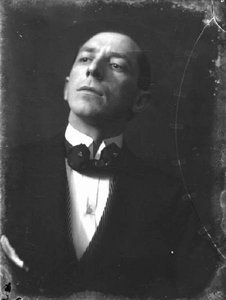
Boccioni
1882 - 1916 , Olaszország
Rövid információk
- Artistic Movement Or Style: Futurizmus
- Artists Or Movements Influenced By This Artist:
- Konstruktivizmus
- Képzeletművészet
- Artists Who Influenced This Artist:
- Giacomo Balla
- Divizionizmus
- Kubizmus
- Date Of Birth: 1882-10-19
- Date Of Death: 1916-08-17
- Full Name: Umberto Boccioni
- Nationality: Olasz
- Notable Artworks:
- A Humán Test Dinamizmusa
- Egyedi Formák Folytathatóságában
- A Város Emelkedik
- Place Of Birth: Reggio Calabria, Olaszország
Kapcsolódó cikkek

A művészettörténet 10 legikonikusabb bronzszobra – OriginalUniqueArt.com
Fedezze fel a művészettörténet 10 legikonikusabb bronzszobrát! Ismerje meg Rodin, Michelangelo és más mesterek alkotásait. Luxus minőségű reprodukciók otthonába – OriginalUniqueArt.com.

The Enduring Form: Exploring Themes & Techniques in Sculpture Across Historical Periods
Explore the rich history of sculpture from ancient masterpieces to contemporary innovations. Discover key techniques, influential artists & investment potential for discerning art collectors.

The Enduring Form: Sculpture Across History, Technique & Emotional Resonance
Explore the rich history of sculpture with OriginalUniqueArt. Discover key techniques, influential artists & investment potential for discerning collectors. Expert insights into valuing and collecting timeless masterpieces.
A boldogság művészete: 10 ikonikus festmény, melyek felvidítanak – OriginalUniqueArt
Fedezze fel a boldogság művészetét! 10 ikonikus festmény – Van Gogh, Monet, Renoir és más mesterek alkotásai. Ismerje meg a történetüket, színeiket és inspiráló erejüket. Museum-minőségű nyomatok otthonába a OriginalUniqueArt.com kínálatában! Fedezze fel a teljes gyűjteményt online.

A művészettörténet 10 legikonikusabb bronzszobra – OriginalUniqueArt.com
Fedezze fel a művészettörténet 10 legikonikusabb bronzszobrát! Ismerje meg Rodint, Michelangelót és más mestereket. Luxus minőségű nyomatok otthonába – OriginalUniqueArt.com.


