Menü
Text size

() ·

A painting made for you, by hand

Simultaneous Visions

Kézzel készített olajfestmény reprodukció

Kézzel festett olajvastú vászon, az Ön által választott méretben és keretben, művészeink készítik meglévőre. ( Váltás nyomtatványra Áttérés digitális képre)

A gyűjtemény leírása

A művész életrajza

Boccioni: A futurista festő, aki a mozgás és a modernitást ábrázolta a képei és szobrai segítségével. Fedezd fel a dinamikus művészetének csodáit! #Boccioni #Futurisztika

from ·

Chapter 1

How large should it be?

Slide to change the size; the picture on the left shows the frame at its real width. The proportions of the original are kept.

Standard méret
egyedi méretű
CM
INCH

Válasszon előre meghatározott méreteink közül, amelyek megfelelnek a műalkotás eredeti arányainak.

szélesség
magasság

Írja be a kívánt szélességet és magasságot, hogy illeszkedjen a keretéhez vagy a falához. Mivel ez kézzel festett alkotás, egy eltérő formájú méret esetén a művész akár festhet is valamivel többet a kép körül, vagy korolathat is belőle — az Ön döntésének megfelelően. A festés megkezdése előtt küldünk egy digitális tervezetet jóváhagyásra. Az oldalon látható kép nem tartalmazza a végeredményt — csak a tervezet mutatja meg a valódi eredményt.

Chapter 2

How should it arrive?

Choose the edges of the stretched canvas

Choose your frame

Corner sample of the WhiteWrap canvas edge finish, stretched on tömörfa bars
White Ft1
Corner sample of the BlurSideWrap canvas edge finish, stretched on tömörfa bars
Blurside Ft1
Corner sample of the ExtendedWrap canvas edge finish, stretched on tömörfa bars
Extended Ft1
Corner sample of the P118B picture frame: formázott polisztirol, 5 cm wide and 3 cm thick
P118B Ft10
Corner sample of the P118H picture frame: formázott polisztirol, 5 cm wide and 3 cm thick
P118H Ft10
Corner sample of the P118W picture frame: formázott polisztirol, 5 cm wide and 3 cm thick
P118W Ft10
Corner sample of the P438Z picture frame: formázott polisztirol, 5.5 cm wide and 3.5 cm thick
P438Z Ft10
Corner sample of the P508JH picture frame: formázott polisztirol, 7 cm wide and 3.5 cm thick
P508JH Ft12
Corner sample of the P508YH picture frame: formázott polisztirol, 7 cm wide and 3.5 cm thick
P508YH Ft12
Corner sample of the P805H picture frame: formázott polisztirol, 5 cm wide and 3.5 cm thick
P805H Ft10
Corner sample of the P805Z picture frame: formázott polisztirol, 5 cm wide and 3.5 cm thick
P805Z Ft10
Corner sample of the P919BZ picture frame: formázott polisztirol, 7 cm wide and 3.5 cm thick
P919BZ Ft10
Corner sample of the P919G picture frame: formázott polisztirol, 7 cm wide and 3.5 cm thick
P919G Ft10
Corner sample of the P919XJ picture frame: formázott polisztirol, 7 cm wide and 3.5 cm thick
P919XJ Ft10
Corner sample of the P959ZH picture frame: formázott polisztirol, 5 cm wide and 3 cm thick
P959ZH Ft10
Corner sample of the P968JZ picture frame: formázott polisztirol, 6 cm wide and 4 cm thick
P968JZ Ft12
Corner sample of the W106C picture frame: tömörfa, 5 cm wide and 3 cm thick
W106C Ft8
Corner sample of the W218G picture frame: tömörfa, 5 cm wide and 3 cm thick
W218G Ft10
Corner sample of the W218JH picture frame: tömörfa, 5 cm wide and 3 cm thick
W218JH Ft8
Corner sample of the W218Y picture frame: tömörfa, 5 cm wide and 3 cm thick
W218Y Ft10
Corner sample of the W307PJ picture frame: tömörfa, 6 cm wide and 3 cm thick
W307PJ Ft10
Corner sample of the W316G picture frame: tömörfa, 6 cm wide and 3 cm thick
W316G Ft10
Corner sample of the W316PJ picture frame: tömörfa, 6 cm wide and 3 cm thick
W316PJ Ft8
Corner sample of the W316Y picture frame: tömörfa, 6 cm wide and 3 cm thick
W316Y Ft10
Corner sample of the W398PJ picture frame: tömörfa, 5 cm wide and 3 cm thick
W398PJ Ft8
Corner sample of the W4111J picture frame: tömörfa, 6.5 cm wide and 3.5 cm thick
W4111J Ft10
Corner sample of the W500HY picture frame: tömörfa, 7 cm wide and 5 cm thick
W500HY Ft15
Corner sample of the W500JH picture frame: tömörfa, 7 cm wide and 5 cm thick
W500JH Ft15
Corner sample of the W692G picture frame: tömörfa, 8 cm wide and 4 cm thick
W692G Ft12
Corner sample of the W849H picture frame: tömörfa, 5 cm wide and 3 cm thick
W849H Ft8
Corner sample of the W940BG picture frame: tömörfa, 7.5 cm wide and 4.5 cm thick
W940BG Ft15
Corner sample of the W953PJ picture frame: tömörfa, 6 cm wide and 3.5 cm thick
W953PJ Ft8
Corner sample of the H24-GOLD picture frame: faragott fa gesszóval, 10 cm wide and 6 cm thick
H24-GOLD Ft30
Corner sample of the H24-SILVER picture frame: faragott fa gesszóval, 10 cm wide and 6 cm thick
H24-SILVER Ft30
Corner sample of the H36-GOLD picture frame: faragott fa gesszóval, 15 cm wide and 6.5 cm thick
H36-GOLD Ft45
Corner sample of the H36-SILVER picture frame: faragott fa gesszóval, 15 cm wide and 6.5 cm thick
H36-SILVER Ft45

Moulding: . Overall size with the frame: .

Chapter 3

Who paints it, and should anything change?

Examples of what can be changed: Replace face with customer photo; Add pet (e.g., replace cat with dog); Include hidden message in background; Change background landscape or elements.
After order, OriginalUniqueArt.com team will email client for instructions and provide a mockup preview

Világszerte elérhető szállítás () 3-4 hét alatt a szokásos 5 hét helyett. (30 október). A minőség nem kérdőjelezhető.

Chapter 4

The finishing touches

A nameplate, as in a museum?

A gravírozott bronztábla részletei

This elegant plaque features the artist's name and the title of the artwork, finely engraved for a timeless presentation.

It is made from bronze with a refined, elegant finish. The text is precisely laser-engraved for a sharp and permanent result. Measuring 9x2 cm, the plaque is compact yet easy to read. It's built to be durable and scratch-resistant, offering a professional, museum-quality look. Mounting is simple thanks to the included adhesive backing.

Átlátszó akril tábla részletei

The plaque includes essential engraved details such as the artist's name, the title of the artwork, the date it was created, the type of media used-like oil on canvas or watercolor-a brief description of the piece, and a QR code that links to the complete artwork information.

It is crafted from clear acrylic, offering a sleek, modern appearance. The text is UV-engraved in black to ensure strong visual contrast. With a size of 10x15 cm, it ensures optimal readability. It comes equipped with two metal hooks for secure wall mounting. The plaque is designed to be weather-resistant, making it suitable for various environments, and it includes interactive features that work seamlessly with smartphone scanning.

Fekete akril tábla részletei

This elegant plaque includes engraved information such as the artist's name, the title of the artwork, the date it was created, the type of media used (like oil on canvas or watercolor), a short description of the artwork, and a QR code for quick access to more information.

The plaque itself is made from refined black acrylic with a premium finish. The text is laser-engraved in white for high contrast and readability. Its size is 10x15 cm, designed to be easy to read. It comes with two metal hooks for professional mounting. The design is sleek and fits any interior style. It is also weather-resistant and durable, with built-in digital integration for mobile compatibility.

A protective varnish?

When do you need it?

Chapter 5

Your painting, as you ordered it

Simultaneous Visions

Reprodukciós technika

Reprodukció mérete

-

Kiváló mesterművész

Nagyobb részletesség, finomság és bővített gyártási idő

-

Reprodukció keretezése

-

-

A bármely oldalsó méretét túlszálaló 105 cm (kb. 41 hüvelyk) meghaladó műalkotások vagy reprodukciók esetében a keret összeszerelhető készletként, szétszerelve kerül szállításra. Ez a módszer biztosítja a biztonságos szállítást, és megakadályozza a szállítás során fellépő sérüléseket.

Szakmész összeszerelést igényel – ez nem DIY (önösszeszerelhető) termék.
A készletet egy tapasztalt keretező szakembernek kell összeszerelnie és a vásznat feszítenie kell, fa ragasztó (nem tartalmazza a csomag), vásznfeszítő fogó és szorítók használatával, amelyek a ragasztó száradásáig a keretrészeket egymáshoz vuôngjba tartják. A helytelen összeszerelés vagy a nem egyenletes vásznfeszítés maradandó károsíthatja a műalkotást, és ez nem része a garanciánknak.

  • A készlet tartalmazza az összes tömörfa rudat, pontosan méretre vágva.

  • A mellékelt csavarokkal, valamint a sarokszerekhez szükséges faütő ragasztóval kell összeszerelnie (ez nem tartalmazható a csomagban), így a keretrendezőnek külön kell beszereznie.

  • A csomag nem tartalmazza a szükséges professzionális eszközöket: egy vászonfeszítőt és klipseket a rácsok vízszintes tartásához a ragasztó megszáradásáig.

Fontos:
A sarokcsatlakozásokhoz fánylagra van szükség, a keretrudakat szorítókapcsokkal kell rögzíteni, amíg a rag teljesen meg nem szárad, a kész keretre feszített vászonhoz pedig vászonfeszítő fogat szükséges. Ezek egyike sem található meg a készletben. Kérjük, rendelés előtt győződjön meg róla, hogy rendelkezik tapasztalt keretező szakemberrel.

Névtábla

-

-

Védőréteg (Lakk)

Fényes lakk (intenzívabb színek, védelem a fény és a nedvesség hatása ellen)

-

Műalkotásom egyedi igényre szabása

Példák a módosíthatóságra: az arc kicserélése az ügyfél fotójára; háziállat hozzáadása (pl. macska helyett kutya); rejtett üzenet elhelyezése a háttérben; a háttér tájainak vagy elemeinek megváltoztatása.

-

Sürgős

Világszerte szóló szállítás () mindössze 3-4 hét alatt, a szokásos 5 hét helyett. (30 október). A minőség nem kérdőjelezhető.

-

Express szállítás

Világszerte elérhető szállítás területre 5 héten belül. (6 november).

A szállítás díja tartalmazza

Összesített ár

Ft 98090

Összesített ár Ft 98090

Az üvegkeretes opció csak 110 cm alatti méretben érhető el

Included with every order

  • Ingyenes globális expressz szállítás
  • Prémium minőségű len vászon
  • Teljes körű szállítási biztosítás
  • Vámvisszatérítési Garancia
  • Hiteles színarányosság garancia
  • 100 napos visszaküldési lehetőség (csak hibás termékek esetén)
  • 100% pénzvisszatérítési garancia
  • Több darab vásárlásakor kedvezmény

Simultaneous Visions: A Futurist Symphony of Motion

Umberto Boccioni’s “Simultaneous Visions,” painted in 1911, stands as a cornerstone of Italian Futurism—a movement that vehemently rejected academic tradition and embraced the dynamism inherent in modern life. Housed at the Von Der Heydt Museum in Wuppertal, Germany, this oil on canvas transcends mere representation; it’s an immersive experience designed to capture the frenetic energy of urban existence.

  • Subject Matter: The painting depicts a woman with a red headband positioned centrally amidst a bustling cityscape. Surrounding her are figures at varying distances, creating a palpable sense of depth and movement—a deliberate challenge to conventional perspective.
  • Futurist Style: Boccioni’s approach aligns perfectly with Futurism's core tenets. Fragmentation of forms, intersecting planes, and dynamic lines dominate the composition, mirroring the perceived acceleration of industrial society.
  • Technique: Employing a technique known as “massacre,” Boccioni utilized broken planes—a hallmark of Cubist influence—to deconstruct solid objects into geometric shapes that appear to vibrate with energy. The layering of paint creates an illusion of depth and contributes to the overall impression of movement.

Influences Beyond Futurism

Boccioni’s artistic vision wasn't solely rooted in Futurism. He absorbed considerable inspiration from Cubism, particularly Picasso’s groundbreaking explorations of multiple viewpoints. However, he forged his own distinctive style—characterized by bold colors and expressive brushstrokes—that captured the emotional essence of the era.

  • Cubist Legacy: The fragmentation of form evident in “Simultaneous Visions” echoes Cubism's preoccupation with dissecting objects into geometric components, offering a radically different approach to visual representation.
  • Emotional Resonance: Boccioni aimed to convey not just what he saw but how he *felt*. The painting’s vibrant hues and agitated brushwork communicate an urgency and excitement—a reflection of the artist's belief in progress and the transformative power of technology.

A Legacy Etched in Paint

Despite his untimely death in 1916, Umberto Boccioni’s impact on the art world endured. His innovative technique—particularly “massacre”—influenced subsequent generations of artists who sought to express dynamism and fragmentation. “Simultaneous Visions” remains a testament to his genius, cementing its place as one of Futurism's most celebrated achievements.

  • Influence on Subsequent Artists: Boccioni’s pioneering approach paved the way for artists like Piet Mondrian and Kazimir Malevich who embraced abstraction and geometric forms.
  • Symbolic Significance: The woman with the red headband symbolizes resilience and determination—a visual embodiment of Futurism's optimistic outlook on the future.

Reproductions Available For those captivated by Boccioni’s vision, meticulously crafted oil painting reproductions of “Simultaneous Visions” are offered at OriginalUniqueArt. These reproductions faithfully capture the artwork’s intricate details and vibrant colors, allowing admirers to experience its artistic power firsthand.

Kérdések és válaszok

Milyen domináns alapszín jellemzi „Simultaneous Visions”, Boccioni alkotása alkotást?

A „Simultaneous Visions”, Boccioni alkotása domináns színe a Warm Sunset Tones. Ez a szín a paletta alapvető tónusa.

Mekkora a fényerke „Simultaneous Visions”, Boccioni alkotása alkotásnak?

A "Simultaneous Visions" színei Soft Shadow fényerőt mutatnak.

Használhatom az augmented reality technológiát, hogy megtekintsem a „Simultaneous Visions”, Boccioni alkotása művet a saját szobámban?

A „Simultaneous Visions”, Boccioni alkotása Kiterjesztett valóság előnézet oldala kiterjesztett valóságot használ, hogy az alkotást egy kompatibilis eszközön, az Ön saját környezetében is megmutassa.

More about this painting

Megtekintés AR előnézet Váltás nyomtatványra Áttérés digitális képre Küldés
Részletek Útmutató Kedvencekhez ad Letöltés Hasonló darabok X-ray felvétel Diavetítés Q&A Statisztika

In numbers

  • 1911the year it was painted
  • 29frames to choose from
  • standard sizes, in its own proportions
  • 5weeks to paint and deliver it
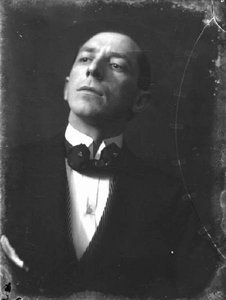
Boccioni

Boccioni

1882 - 1916, Olaszország

Quick facts about Boccioni

  • Artistic Movement Or Style: Futurizmus
  • Artists Or Movements Influenced By This Artist:
    • Konstruktivizmus
    • Képzeletművészet
  • Artists Who Influenced This Artist:
    • Giacomo Balla
    • Divizionizmus
    • Kubizmus
  • Date Of Birth: 1882-10-19
  • Date Of Death: 1916-08-17
  • Full Name: Umberto Boccioni
  • Nationality: Olasz
  • Notable Artworks:
    • A Humán Test Dinamizmusa
    • Egyedi Formák Folytathatóságában
    • A Város Emelkedik
  • Place Of Birth: Reggio Calabria, Olaszország

A művész életrajza

A Life Forged in Motion: The Revolutionary Vision of Umberto Boccioni

Umberto Boccioni, born in Reggio Calabria in 1882, was a figurehead of the Italian Futurist movement—a force that sought to shatter artistic conventions and embrace the dynamism of the modern world. His life, though tragically cut short at just thirty-three, became a testament to this fervent belief in progress, speed, and the intoxicating energy of the machine age. Boccioni’s early years were marked by constant relocation due to his father's civil service position, an upbringing that exposed him to diverse landscapes and instilled within him a restless spirit. This nomadic existence eventually led him to Rome, where he initially pursued studies in decorative arts before gravitating towards painting, absorbing influences from the Liberty style poster artists of the time. However, it was his encounter with Futurism, ignited by the writings of Filippo Tommaso Marinetti, that truly set his artistic trajectory ablaze.

Embracing the Whirlwind: The Rise of a Futurist

The year 1910 proved pivotal for Boccioni. He signed the *Manifesto dei Pittori Futuristi*, solidifying his commitment to a movement that celebrated technology, velocity, and even violence as emblems of modernity. This wasn’t merely an aesthetic choice; it was a philosophical rebellion against the weight of tradition, a desire to capture the very essence of a world hurtling towards an uncertain future. Boccioni quickly became one of Futurism's most articulate theorists, expanding upon Marinetti’s initial pronouncements and applying them to the visual arts. He argued for a complete break from representational accuracy, advocating instead for paintings that conveyed not just *what* things looked like, but *how* they felt in motion—the sensation of speed, the fragmentation of form, the overwhelming energy of urban life. His early works, while still hinting at Impressionist and Divisionist influences, began to demonstrate this burgeoning obsession with dynamism. Paintings such as *The City Rises* (1910-1911) are monumental in scale and ambition, depicting the chaotic construction of a modern metropolis—a swirling vortex of human figures, buildings, and machinery that embodies the Futurist ideal. The painting is not simply a depiction of a city; it’s an embodiment of its relentless energy and transformation.

Deconstructing Reality: Technique and Themes

Boccioni’s artistic development was characterized by an increasingly radical approach to form. He moved away from traditional notions of perspective and composition, embracing fragmentation as a means of conveying movement and energy. Objects were broken down into their constituent parts, lines of force radiated outwards, and colors blended in swirling patterns—all designed to create a sense of visual vibration. This deconstruction wasn’t merely stylistic; it was rooted in Boccioni's belief that reality itself was fluid and constantly changing. He sought to represent not the static appearance of things, but their dynamic essence. Key themes emerged throughout his oeuvre: dynamism, the celebration of modernity, and a fascination with the human body as a vehicle for expressing energy and motion. This is powerfully illustrated in works like *Dynamism of a Human Body* (1913), where a figure is depicted not as a solid form but as a series of fragmented shapes suggesting movement through space. The painting captures the fleeting moment of action, conveying a sense of speed and power through its distorted forms and vibrant colors. He experimented with new materials and techniques, pushing the boundaries of traditional art practices. His sculptures, such as *Unique Forms of Continuity in Space* (1913), further explored these ideas, creating three-dimensional representations that captured the sensation of movement and dynamism.

Influences and Artistic Journey

Boccioni’s artistic journey was shaped by a diverse range of influences. Initially, he studied drawing and portraiture, absorbing the techniques of Giacomo Balla, a key figure in the Divisionist movement. This early training instilled in him an appreciation for meticulous detail and careful observation—skills that would later inform his Futurist work. He also spent time in Paris, where he encountered the works of Impressionists and Post-Impressionists, including Seurat and Signac, whose use of pointillism influenced his own approach to color and composition. His travels through Russia exposed him to new artistic ideas and perspectives. Importantly, Boccioni’s early life, marked by frequent relocations due to his father's work, fostered a sense of restlessness and curiosity—qualities that undoubtedly contributed to his revolutionary vision. He was deeply influenced by the writings of Nietzsche, whose philosophy of dynamism and rejection of traditional values resonated with the Futurist ethos.

Legacy and Lasting Impact

Boccioni’s untimely death in 1916, during World War I, tragically cut short a brilliant career. However, his ideas and artworks continued to resonate long after his passing. He profoundly influenced not only subsequent Futurist artists but also movements like Constructivism and Abstract Expressionism. His exploration of motion, dynamism, and the representation of modern life paved the way for new forms of artistic expression, challenging traditional notions of beauty and representation. Boccioni’s work remains a powerful testament to the transformative potential of art—a celebration of speed, technology, and the ever-changing nature of reality. His paintings are not just images; they are experiences – glimpses into a world in constant motion.
  • Influences: Giacomo Balla’s Divisionist techniques, Cubism's fragmentation of form, Nietzsche’s philosophy.
  • Notable Works: *Dynamism of a Human Body*, *Unique Forms of Continuity in Space*, *The City Rises*, *Dynamism of a Cyclist*.
  • Historical Significance: A pivotal figure in 20th-century art, Boccioni challenged artistic conventions and helped shape the course of modern art. His theories on dynamism and the representation of motion continue to inspire artists today.

Gyors információk

  • Year: 1911
  • Artistic style: Dynamic abstraction
  • Notable elements or techniques: Multiple perspectives; Diagonal lines; Mass deconstruction
  • Influences:
    • Cubism
    • Marinetti
  • Title: Simultaneous Visions
  • Location: Von Der Heydt Museum, Wuppertal

Művészeti kvíz

Minden kérdésre csak egy helyes válasz létezik.

Kérdés 1:
What artistic movement is Umberto Boccioni’s ‘Simultaneous Visions’ primarily associated with?
Kérdés 2:
The painting depicts a woman standing centrally, surrounded by other figures. What is the primary effect of this compositional arrangement?
Kérdés 3:
'Simultaneous Visions' utilizes a technique that was revolutionary for its time. What is this technique?
Kérdés 4:
What element in the painting contributes to conveying a feeling of modernity and technological advancement?
Kérdés 5:
Where is Umberto Boccioni's ‘Simultaneous Visions’ currently housed?