

 Előnézet
 Megosztás
 Megosztás
 Részletek
 Útmutató

 Letöltés
 Hasonló darabok
 X-ray felvétel
 Diavetítés
 Statisztika
The Teton Range


 Tovább olvasom
Giclée / Műnyomat
Múzeumi minőségű giclée vagy vászonnyomat, gyors gyártással és rugalmas finomítási lehetőségekkel. ( Kézzel festett másolat vásárlása Áttérés digitális képre)




P118B Ft10

P118H Ft10

P118W Ft10

P438Z Ft10

P508JH Ft12

P508YH Ft12

P805H Ft10

P805Z Ft10

P919BZ Ft10

P919G Ft10

P919XJ Ft10

P959ZH Ft10

P968JZ Ft12

W106C Ft8

W218G Ft10

W218JH Ft8

W218Y Ft10

W307PJ Ft10

W316G Ft10

W316PJ Ft8

W316Y Ft10

W398PJ Ft8

W4111J Ft10

W500HY Ft15

W500JH Ft15

W692G Ft12

W849H Ft8

W940BG Ft15

W953PJ Ft8




Válasszon előre meghatározott méreteink közül, amelyek megfelelnek a műalkotás eredeti arányainak.

Írja be a keretének vagy a falának megfelelő szélességet és magasságot. A nyomatot csak le lehet vágni, soha nem tehető nagyobbá, mint az eredeti kép, így egy eltérő alakú méretnél a kép egy része elveszik. Mielőtt bármit kinyatintanánk, küldünk egy digitális próbamodellt jóváhagyásra. Az oldalon látható kép nem tartalmazza a valós levágást — ezt csak a próbamodell mutatja meg.
Világszerte történő kiszállítás területére mindössze 2 hét alatt, a szokásos 4-5 hét helyett. (23 október)

Ingyenes globális expressz szállítás

Prémium minőségű len vászon

Teljes körű szállítási biztosítás

Vámvisszatérítési Garancia

Tökéletes színarányosság garancia

100 napos visszaküldési garancia (csak gyártási hibás termékek esetén)

100% pénzvisszatérítési garancia

Több darab vásárlásakor kedvezmény
 Az üvegkeretes opció csak 110 cm alatti méretben érhető el

The Teton Range
Giclée / Műnyomat
Reprodukció méretei
-


Összesített ár
Ft 25565
A Vision of the Sublime: The Majesty of the Teton Range
In the late nineteenth century, as the American frontier began to yield to the encroaching shadows of industrialization, Thomas Moran captured a world that felt both eternal and untouched. The Teton Range, executed in 1897, is far more than a mere topographical record of the Wyoming wilderness; it is a profound window into the soul of the American West. Through his masterful use of oil on canvas, Moran invites the viewer to stand upon a precipice, looking out over a landscape where the earth meets the heavens in a dramatic display of natural grandeur. The painting serves as a cornerstone of the Hudson River School tradition, embodying the Romantic ideal of the sublime—that breathtaking, almost overwhelming sensation of encountering a beauty so vast it inspires both awe and a touch of reverence.
The composition is a masterclass in layered storytelling, guiding the eye through a panoramic journey that begins in the rugged foreground. Here, the textures of weathered rocks and resilient vegetation ground the viewer in the physical reality of the mountains. As the gaze ascends, it meets the rushing vitality of a river carving its way through the valley, its movement mirrored by the rhythmic contours of rolling hills. The true protagonist, however, remains the towering, snow-capped peaks that dominate the horizon. These giants, rendered with meticulous precision, command the sky, their jagged silhouettes etched against a luminous atmosphere that suggests the infinite scale of the natural world.
Technique and the Alchemy of Light
Moran’s technical prowess lies in his ability to balance scientific accuracy with poetic expression. While his training as an engraver gifted him with an extraordinary eye for detail—allowing him to render every ridge, crevice, and alpine shadow with startling clarity—he was never a prisoner of mere realism. Instead, he utilized atmospheric perspective to breathe life into the distance. By subtly layering cool blues, soft violets, and hazy whites, he creates a convincing illusion of depth, making the far-off peaks appear to recede into a dreamlike mist. This technique ensures that the painting possesses a palpable sense of air and light, as if a mountain breeze might sweep through the room where it hangs.
The color palette is a sophisticated dialogue between warmth and coolness. The crisp, brilliant whites of the glacial snow and the ethereal blue of the sky provide a stark, refreshing contrast to the earthy ochres, deep greens, and rich browns of the valley floor. This interplay of light and shadow does more than define form; it evokes the shifting moods of the wilderness. One can almost feel the warmth of sunlight hitting a granite face or the sudden chill of a cloud passing over the summit. For the collector or interior designer, this dynamic range of color offers an unparalleled versatility, capable of anchoring a room with its quiet strength or serving as a vibrant focal point in a contemporary space.
A Legacy for the Modern Collector
To possess a reproduction of The Teton Range is to bring a piece of American history and natural philosophy into one's home. Beyond its aesthetic brilliance, the work carries a heavy historical weight, reflecting an era of westward expansion and the burgeoning movement to preserve these sacred landscapes as national treasures. While Moran’s work often presented the West as a pristine paradise, modern viewers can appreciate the painting as a poignant meditation on the relationship between humanity and the wild. It is a work that evokes tranquility, strength, and a deep-seated longing for the untouched.
For those seeking to curate an environment of sophistication and inspiration, this piece offers much more than decoration. It provides a sense of scale and a window to the infinite. Whether placed in a grand library, a serene study, or a modern living area, Moran’s vision of the Tetons continues to resonate, offering a timeless escape into the heart of the sublime. It is an investment in beauty, a tribute to the enduring power of nature, and a magnificent addition to any collection dedicated to the heights of American Romanticism.
Gyakran Ismételt Kérdések
Hol látható ma a(z) „The Teton Range”, Moran Thomas alkotása?
A „The Teton Range”, Moran Thomas alkotása eredeti darabja a Metropolitan Művészeti Múzeum, New York, United States of America gyűjteményében található. A reprodukció lehetővé teszi, hogy a mű otthonában is megjelenjen.
„The Teton Range”, Moran Thomas alkotása színei tel愈tek vagy fakók?
A „The Teton Range”, Moran Thomas alkotása színei Subtle Color telítettségűek. A telítettség azt mutatja meg, hogy a színek mennyire élénkek vagy fakók.
Miről szól a "The Teton Range", és milyen hangulatot áraszt?
A „The Teton Range”, Moran Thomas alkotása a mountain landscape, american west”, “scenic valley”, “snowy peaks”, “river scene”, “nature painting”, “landscape art” elemeit ötvözi egy Romantic hangulatú környezettel.
A művész életrajza
A Pioneer of the American West
Thomas Moran, born in Bolton, England, in 1837, wasn’t destined for a life steeped in the rugged beauty of the American landscape he would come to immortalize. His family's emigration to the United States in 1844, seeking opportunity and escaping the burgeoning industrialization of their homeland, proved pivotal. This early transatlantic journey instilled within young Moran a lifelong fascination with the sea – a theme that subtly echoed throughout his later depictions of landlocked vistas. Initially apprenticed as a wood engraver in Philadelphia, he quickly discovered his true calling lay not in replicating images but creating them. The meticulous detail demanded by engraving honed his observational skills, yet it was the burgeoning world of watercolor and the influence of artists like J.M.W. Turner that truly ignited his artistic spirit. Moran’s brother, Edward, also a marine artist, provided early collaboration and support, sharing studio space and fostering a shared dedication to their craft. This familial bond laid the foundation for a career that would redefine how America saw itself – and its western territories.The Hudson River School and Beyond
Moran’s artistic development was deeply intertwined with the Hudson River School, though he ultimately transcended its conventions. While inheriting their reverence for nature and dramatic use of light and shadow, Moran brought a unique perspective shaped by his own experiences and an evolving American identity. The Hudson River School painters often focused on taming the wilderness, presenting it as a benevolent space ripe for cultivation. Moran, however, captured the West’s untamed grandeur with a sense of awe and respect that bordered on reverence. His style blended meticulous realism with romantic idealism, creating scenes that were both visually stunning and emotionally resonant. He wasn't merely documenting landscapes; he was crafting myths – visions of a land brimming with potential and spiritual significance. The influence of Turner is undeniable in Moran’s work—the swirling skies, the atmospheric perspective, and the emphasis on light as a transformative force all bear witness to this artistic debt. Yet, Moran infused these techniques with an American sensibility, focusing on the unique geological formations and vast scale of the Western territories. His paintings weren't just representations of place; they were statements about national pride, environmental stewardship, and the power of art to influence public opinion.Documenting a Nation’s Expansion
Moran’s career reached its zenith during a period of intense national expansion and exploration. In 1871, he joined a government-sponsored expedition to Yellowstone, an area largely unknown to most Americans. The sketches and paintings that emerged from this journey were nothing short of revelatory. His monumental canvas, The Grand Canyon of the Yellowstone, purchased by the U.S. government for $10,000 – a staggering sum at the time – played a crucial role in galvanizing public support for establishing Yellowstone as the nation’s first national park in 1872. This wasn't simply artistic achievement; it was an act of conservation advocacy. Moran’s art didn’t just reflect the beauty of the West, it actively shaped its preservation. He continued to document other significant landscapes, including the Colorado River and the Grand Canyon, further solidifying his reputation as the premier painter of the American West. His work became synonymous with the spirit of exploration and the promise of a new frontier.Key Works & Recognition
- The Grand Canyon of the Yellowstone (1872): A pivotal painting instrumental in establishing Yellowstone National Park.
- Chasm of the Colorado (1873-74): Showcasing the immense scale and dramatic beauty of the Grand Canyon.
- Mountain of the Saints, Jackson Hole, Wyoming (1895): Demonstrating his mastery of atmospheric perspective and light.
- Numerous sketches and watercolors documenting expeditions to Yellowstone, Colorado, and other Western territories.
Legacy and Enduring Influence
Thomas Moran’s contributions extend far beyond his breathtaking canvases. He helped to define America's visual identity, shaping how generations perceived their own landscape. His paintings weren’t just representations of place; they were statements about national pride, environmental stewardship, and the power of art to influence public opinion. His legacy continues to inspire artists today, and his works remain highly sought after by museums and collectors worldwide. The Smithsonian American Art Museum, among many others, proudly displays his masterpieces, ensuring that his vision endures for future generations. While often categorized within the Hudson River School or the Rocky Mountain School, Moran’s artistic voice was distinctly his own—a powerful blend of observation, imagination, and a deep reverence for the natural world. He passed away in Santa Barbara, California, in 1926, leaving behind a body of work that continues to captivate and inspire, reminding us of the enduring beauty and fragility of the American West.
Moran Thomas
1837 - 1926 , Egyesült Királyföld
Gyors információk
- Artistic Movement Or Style: Hudson River School
- Artists Or Movements Influenced By This Artist: ['Rocky Mountain School']
- Artists Who Influenced This Artist:
- Turner
- Cole
- Date Of Birth: 1837. 2. 12.
- Date Of Death: 1926. 8. 25.
- Full Name: Thomas Moran
- Nationality: Amerikai
- Notable Artworks:
- Yellowstone-i sziklatamutató
- Colorado-i szoros
- Place Of Birth: Bolton, Anglia
Kapcsolódó cikkek

A Hudson River Iskola 10 Mesterműve: Tájképfestészet és Amerika Lelke – OriginalUniqueArt
Fedezze fel a Hudson River Iskola 10 legikonikusabb műalkotását! Frederic Church, Thomas Cole és más amerikai festők romantikus tájképei. Vászonkép másolatok, faliképek otthonába – OriginalUniqueArt.com kínálatából. Explore the full collection online!

The Sublime Landscape: Exploring the Hudson River School Movement
Explore the captivating world of the Hudson River School! Discover the history, artists, and defining characteristics of this iconic American art movement. Learn about Romanticism's influence & find inspiration for your collection.

Wild & Untamed: The High-Impact Energy of American Romanticism and the Hudson River School
Experience the raw power of American Romanticism. Explore the high-impact energy of the Hudson River School through premium, hand-painted oil reproductions that capture the sublime beauty and untamed spirit of the American wilderness for discerning collectors.
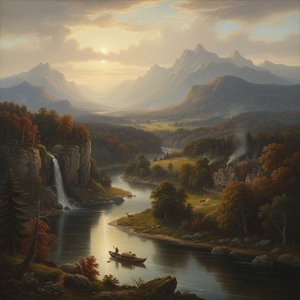
Capturing the American Spirit: A Journey Through Iconic Landscapes and the Legacy of the Hudson River School
Explore the profound beauty of American art history. From the Hudson River School to iconic landscapes, discover a curated journey through the masterpieces that defined a nation's spirit and the enduring legacy of American Romanticism.
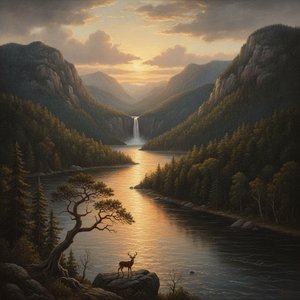
Epic Landscapes & Wild Nature: The Power of the Hudson River School's Sublime Artistry
Explore the breathtaking power of the Hudson River School. Journey through epic American landscapes, from Thomas Cole's sublime vistas to Luminist light, and discover how these timeless masterpieces continue to inspire modern collectors and art lovers worldwide.