Olajfestmény vásárlása
 Minden, ami a Small explosion kapcsán







































 A bármely oldalsó méretét túlszálaló 105 cm (kb. 41 hüvelyk) meghaladó műalkotások vagy reprodukciók esetében a keret összeszerelhető készletként, szétszerelve kerül szállításra. Ez a módszer biztosítja a biztonságos szállítást, és megakadályozza a szállítás során fellépő sérüléseket.


A Burst of Controlled Chaos: Exploring Roy Lichtenstein's "Small Explosion"
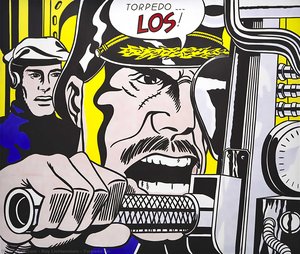
Roy Lichtenstein’s “Small Explosion,” painted in 1965, is more than just a depiction of a red circle; it’s a meticulously crafted detonation of Pop Art principles. This deceptively simple image, rendered with the signature techniques of comic book illustration, encapsulates the anxieties and vibrant energy of the mid-20th century. The painting's immediate impact stems from its bold color palette – a stark yellow background dramatically juxtaposed against the assertive red – immediately drawing the viewer into its dynamic composition. Lichtenstein’s masterful use of Ben-Day dots, painstakingly applied to create the illusion of shading and texture, elevates this work beyond mere imitation; it’s an embodiment of the Pop Art movement's fascination with mass production and visual communication.
The Genesis of a Pop Visionary: Understanding Lichtenstein’s Context
Born in Manhattan in 1923, Roy Fox Lichtenstein emerged as a key figure during a period of profound cultural change. His artistic journey began with an interest in realistic drawing, nurtured by early exposure to museums and jazz music – experiences that would profoundly shape his later work. Lichtenstein’s formal training at the Art Students League under Reginald Marsh, followed by studies at Ohio State University, provided him with a foundation in traditional techniques before he deliberately rejected them, embracing the visual language of commercial art. The painting "Small Explosion" reflects this deliberate choice – a conscious appropriation and subversion of comic book aesthetics, reflecting the growing influence of popular culture on high art.
Decoding the Composition: Symbolism and Technique
The seemingly random arrangement of smaller circles within “Small Explosion” is far from accidental. These repeating forms echo the visual language of comic panels, reinforcing the artwork’s connection to the graphic novel tradition. The central red circle, often interpreted as an explosion or a target, speaks to themes of violence and disruption – anxieties prevalent during the Cold War era. Lichtenstein's meticulous application of Ben-Day dots isn't simply a stylistic choice; it’s a technical demonstration of how mass-produced images are created, highlighting the relationship between art and consumer culture. The painting’s scale further amplifies its impact, demanding attention and inviting contemplation on the nature of representation.
A Timeless Icon: The Enduring Appeal of "Small Explosion"
"Small Explosion" remains a powerfully evocative work, demonstrating Lichtenstein's ability to distill complex emotions into a deceptively simple image. Its bold colors, dynamic composition, and technical mastery have secured its place as an iconic piece within the Pop Art canon. This reproduction offers collectors and interior designers alike the opportunity to own a tangible connection to this pivotal moment in art history – a testament to Lichtenstein’s innovative spirit and his enduring influence on contemporary visual culture.
Kérdések és válaszok
Small explosion képe kézzel festett vagy nyomtatott?
Kézzel festve: egy képzett festő az Small explosion című műet alkotást olajfestékkel vászonra másolja.
Mekkora méretet válasszak a Small explosion című műhöz?
A méretek 36.2 x 27.6 cm (Ft65166)-től 241.2 x 183.8 cm (Ft534360)-ig terjednek; az oldalon található táblázat tartalmazza a különböző átméretű lehetőségeket és azok árait.
Mennyi ideig tart a szállítás?
A szállítás 4-5 hetet vesz igénybe, ingyenes világszinten történő expressz szállítással; ezen az oldalon sürgősségi gyártási lehetőség is rendelkezésre áll. A termék 100 napon belül, bármely feltétel nélkül visszaküldhető a teljes összeg visszatérítéséért.
Milyen technikát/anyagot használt Roy Lichtenstein a(z) Small explosion című műhöz?
Acrylic On Canvas
Több információ erről a festményről
 Megtekintés

 Küldés
 Megosztás
 Részletek
 Információs lap


 Letöltés
 Hasonló darabok
 X-ray felvétel
 Diavetítés
 Kérdések és válaszok

 Statisztika