Megtekintés
 Küldés
 Megosztás
 Részletek
 Útmutató

 Letöltés
 Hasonló darabok
 X-ray felvétel
 Diavetítés
 Statisztika
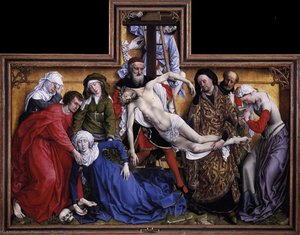
Pierre Bladelin Triptych - right panel


 Összes részlet megjelenítése
Kézzel készített olajfestmény reprodukció
Kézzel festett olajvastú vászon, az Ön által választott méretben és keretben, művészeink készítik meglévőre. ( Váltás nyomtatványra Áttérés digitális képre)




P118B Ft10

P118H Ft10

P118W Ft10

P438Z Ft10

P508JH Ft12

P508YH Ft12

P805H Ft10

P805Z Ft10

P919BZ Ft10

P919G Ft10

P919XJ Ft10

P959ZH Ft10

P968JZ Ft12

W106C Ft8

W218G Ft10

W218JH Ft8

W218Y Ft10

W307PJ Ft10

W316G Ft10

W316PJ Ft8

W316Y Ft10

W398PJ Ft8

W4111J Ft10

W500HY Ft15

W500JH Ft15

W692G Ft12

W849H Ft8

W940BG Ft15

W953PJ Ft8




Válasszon előre meghatározott méreteink közül, amelyek megfelelnek a műalkotás eredeti arányainak.

Írja be a kívánt szélességet és magasságot, hogy illeszkedjen a keretéhez vagy a falához. Mivel ez kézzel festett alkotás, egy eltérő formájú méret esetén a művész akár festhet is valamivel többet a kép körül, vagy korolathat is belőle — az Ön döntésének megfelelően. A festés megkezdése előtt küldünk egy digitális tervezetet jóváhagyásra. Az oldalon látható kép nem tartalmazza a végeredményt — csak a tervezet mutatja meg a valódi eredményt.
A rendelést követően a OriginalUniqueArt.com csapata e-mailt küld az ügyfélnek az instrukciókért, és biztosít egy előnézeti képet (mockup).
Világszerte elérhető szállítás () 3-4 hét alatt a szokásos 5 hét helyett. (26 október). A minőség nem kérdőjelezhető.

Ingyenes globális expressz szállítás

Prémium minőségű len vászon

Teljes körű szállítási biztosítás

Vámvisszatérítési Garancia

Hiteles színarányosság garancia

100 napos visszaküldési lehetőség (csak hibás termékek esetén)

100% pénzvisszatérítési garancia

Több darab vásárlásakor kedvezmény
 Az üvegkeretes opció csak 110 cm alatti méretben érhető el

Pierre Bladelin Triptych - right panel
Reprodukciós technika
Reprodukció mérete
-


Összesített ár
Ft 112355
A Vision of Devotion: Rogier van der Weyden’s Bladelin Triptych (Right Panel)
This panel is a captivating fragment from the renowned *Bladelin Triptych*, created circa 1445-1450 by the master Early Netherlandish painter, Rogier van der Weyden. Originally commissioned by the Burgundian merchant Pierre Bladelin for his family chapel in Saint Nicholas Church, Bruges, this triptych is celebrated as a pinnacle of Northern Renaissance artistry. This right panel, now housed at the Gemäldegalerie in Berlin, offers a poignant glimpse into the devotional practices and artistic sensibilities of the 15th century.Subject & Narrative
The scene depicts three figures engaged in a moment of profound spiritual contemplation. An elderly man, likely representing a patron or saint, is centrally positioned, his hands clasped in prayer. Flanking him are two additional figures, their expressions mirroring reverence and humility. Behind them unfolds a meticulously rendered landscape – rolling hills give way to a distant cityscape, while an angel ascends towards the heavens, symbolizing divine grace and intervention. The composition suggests a scene of intercession or supplication, perhaps depicting a saintly figure petitioning for blessings on behalf of those below.Style & Technique
Van der Weyden’s style is immediately recognizable in this panel. He masterfully blends realism with emotional intensity. The figures are not merely portraits but convey deep psychological states through subtle gestures and facial expressions. His technique, employing oil paint on an oak panel, allows for a remarkable level of detail and luminosity. Notice the delicate modeling of the faces, the intricate folds of drapery, and the rich textures achieved through layers of glazing. Van der Weyden’s distinctive approach to color – avoiding repetition and utilizing a diverse palette – adds depth and vibrancy to the scene.Symbolism & Iconography
The *Bladelin Triptych* is replete with symbolic meaning. The angel represents God's messenger and the promise of salvation. The figures’ posture—heads bowed, hands clasped—expresses humility and devotion before the divine. The landscape itself isn’t merely a backdrop; it symbolizes the earthly realm contrasted with the heavenly sphere towards which the angel ascends. The triptych format as a whole was intended to serve as an altar piece, creating a sacred space for prayer and contemplation.Historical Context & Legacy
Rogier van der Weyden (c. 1400-1464) was one of the most influential painters of his time, bridging the gap between the International Gothic style and the emerging Renaissance aesthetic. His work had a profound impact on artists across Europe, particularly in Italy and Spain. The *Bladelin Triptych* exemplifies the artistic innovations of the Early Netherlandish school – its meticulous detail, realistic portrayal of figures, and emotional depth set a new standard for religious painting. The triptych’s fragmented state today—with panels scattered across museums—underscores its historical journey and enduring appeal.Emotional Impact & Interior Design
This panel evokes a sense of serenity, reverence, and spiritual longing. The muted color palette and the figures' introspective poses create an atmosphere of quiet contemplation. A high-quality reproduction of this artwork would be a stunning addition to any interior space—particularly libraries, studies, or meditation rooms—bringing a touch of Renaissance elegance and profound emotional resonance. Its vertical format lends itself well to hallways or as a focal point above furniture. The panel’s rich detail and masterful composition will undoubtedly spark conversation and inspire reflection for years to come.Kérdések és válaszok
Milyen technikával készült a „Pierre Bladelin Triptych - right panel”, Rogier van der Weyden alkotása?
A „Pierre Bladelin Triptych - right panel”, Rogier van der Weyden alkotása technikája Oil On Panel. A reprodukciók célja ezen technika megjelenítésének hiteles återadása.
Hol függene jól a „Pierre Bladelin Triptych - right panel”, Rogier van der Weyden alkotása reprodukciója?
A formátum (Tall) és a javasolt helyiség (Living Room) a „Pierre Bladelin Triptych - right panel”, Rogier van der Weyden alkotása alkotáshoz tartozó két elhelyezési adat.
Megtekinthetem a "Pierre Bladelin Triptych - right panel" alkotást részletesebben?
A „Pierre Bladelin Triptych - right panel” rétegről rétegre vizsgálható a mű alkotásának X-ray felvétel oldalán, amely egy restaurátori fényasztal alapján készült interaktív néző, és tizenegyi optikai rétegben mutatja be a képet.
A művész életrajza
A Master of Emotion: The Life and Legacy of Rogier van der Weyden
Rogier van der Weyden, known also as Roger de la Pasture, was a pivotal figure in the flourishing world of Early Netherlandish painting, born around 1400 in the vibrant city of Tournai, nestled within what is now Belgium. While details surrounding his early life remain somewhat elusive, it’s believed he initially honed his skills not with brush and pigment alone, but as a goldsmith – a training that instilled within him an unwavering dedication to meticulous detail and a refined sensibility for craftsmanship; qualities that would become hallmarks of his artistic style. The precision demanded by working with precious metals undoubtedly translated into the exquisite rendering of textures, fabrics, and expressions that define his masterpieces. He wasn’t merely depicting reality; he was recreating it with painstaking accuracy, imbued with an almost reverent attention to detail.From Tournai to Brussels: A Rising Star
By 1427, van der Weyden had ascended to the rank of master within the Guild of Saint Luke in Tournai – a significant turning point, solidifying his position as a professional artist and opening doors to important commissions. His ascent continued when he entered the service of Philip the Good, Duke of Burgundy, in 1435 – a patronage that would profoundly shape his career for the remainder of his life. Serving as court painter afforded him not only financial security but also access to an elite circle of influence and exposure to some of the most discerning eyes of the era. It was during this period that van der Weyden’s artistic vision truly began to mature, moving away from the somewhat rigid conventions of earlier Netherlandish painters towards a more emotionally resonant and naturalistic approach. He wasn't simply painting religious scenes; he was striving to evoke genuine feeling in the viewer, to create an experience that transcended mere observation. His compositions were highly influential, thanks in part to the standard workshop practices of the time, which often involved literally reusing the same drawn pattern in different works.The Language of Feeling: Style and Technique
Rogier van der Weyden’s artistic signature is immediately recognizable through several defining characteristics. His palette was remarkably rich and diverse, a vibrant tapestry of colors carefully chosen to avoid repetition and create depth and complexity within his compositions. He possessed an extraordinary ability to convey profound emotion – *pathos* – particularly in depictions of religious subjects like the Lamentation, where grief and sorrow are palpable. This emotional intensity wasn’t achieved through dramatic gestures or exaggerated expressions; rather, it was subtly woven into the very fabric of the painting, conveyed through delicate nuances of facial expression, body language, and composition. His figures, while adhering to the conventions of the time, demonstrate a growing interest in realistic representation – not just in anatomy and drapery, but also in capturing the psychological states of his subjects. They possess a dignified, almost sculptural quality, particularly evident in his grand triptychs, lending them an air of solemnity and reverence. He masterfully employed oil paint, building up layers of translucent glazes to achieve luminous effects and create a sense of depth and realism that was revolutionary for its time.Notable Works and Enduring Masterpieces
Throughout his prolific career, van der Weyden produced numerous works that stand as testaments to his artistic prowess. St Luke Drawing a Portrait of the Madonna, housed in the Museum of Fine Arts, Boston, showcases his mastery of oil on panel and meticulous observation. The Lamentation, residing in the Musée des Beaux-Arts Tournai, Belgium, is perhaps his most celebrated work – a powerfully emotive depiction of Christ’s mourning, renowned for its dramatic use of *chiaroscuro* and its ability to evoke profound sorrow in the viewer. Multiple versions of The Deposition exist, each demonstrating his skill in conveying grief and drama with breathtaking sensitivity. The Annunciation, a masterpiece of refined style and attention to detail, exemplifies his ability to imbue even the most traditional subjects with a sense of freshness and vitality. And finally, the intricate and richly detailed Bladelin Triptych stands as a monumental achievement – a complex altarpiece that showcases the full range of van der Weyden’s artistic abilities. These works, and many others, continue to captivate audiences today, solidifying his position as one of the most important painters of the 15th century.Lasting Influence: A Legacy Forged in Paint
Van der Weyden’s influence extended far beyond the borders of his native Flanders. His works were highly sought after throughout Europe, particularly in Italy and Spain, where they introduced a new level of emotional depth and naturalism to local artistic traditions. Although his fame experienced a period of relative decline in the 17th century, a rediscovery during the 19th century cemented his place as one of the most important painters of the 15th century. He stands alongside Jan van Eyck and Robert Campin as one of the “three great” Early Flemish masters, each contributing uniquely to the development of Northern Renaissance art. His innovative techniques and emotionally charged compositions paved the way for future generations of artists, inspiring countless imitators and influencing the course of Western painting for centuries to come. He helped establish oil painting as the dominant medium and elevated the status of the artist within society, transforming them from skilled craftsmen into revered creators. Rogier van der Weyden’s legacy continues to resonate today, a testament to his enduring genius and his profound understanding of the human condition.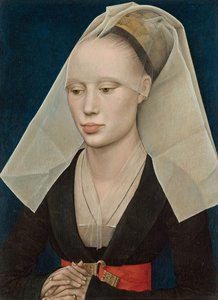
Rogier van der Weyden
1400 - 1464 , Belgium
Rövid információk
- Artistic Movement Or Style: Korai holland esztétika
- Artists Or Movements Influenced By This Artist: ['Olasz reneszánsza']
- Artists Who Influenced This Artist:
- Robert Campin
- Jan van Eyck
- Date Of Birth: c. 1400
- Date Of Death: 1464
- Full Name: Rogier van der Weyden
- Nationality: Belgium
- Notable Artworks:
- Keresztlevétel
- Lamentáció
- Elhelyezés
- Szent István
- Place Of Birth: Tournai, Belgium
Kapcsolódó cikkek

Hugo van der Goes: Devotion, Innovation & the Psychological Depth of Early Netherlandish Painting
Explore the revolutionary art of Hugo van der Goes – a master of Early Netherlandish painting renowned for his dramatic realism, psychological depth & profound influence on Renaissance artists. Discover his iconic works and lasting legacy.

Early Netherlandish Masters: 10 Paintings That Revolutionized Art & Decor
Journey into the Early Netherlandish Renaissance! Explore 10 iconic paintings by Jan van Eyck, Rogier van der Weyden & more. Discover stunning detail, symbolism, and oil painting techniques. Find museum-quality art reproductions for your home at OriginalUniqueArt.com.

The Northern Renaissance: A Flourishing of Realism, Religious Reform & Artistic Innovation
Explore the Northern Renaissance! Discover Jan van Eyck's innovations, religious shifts, & key artists of this influential period. Expert analysis and insights into Early Netherlandish painting at OriginalUniqueArt.

Rogier van der Weyden: Emotion, Innovation & the Early Netherlandish Renaissance
Explore the revolutionary art of Rogier van der Weyden, a pivotal figure of the Early Netherlandish Renaissance. Discover his emotional realism, innovative compositions, and lasting impact on painting history.

A Korai Németalföldi Festészet 10 Mesterműve: A Reneszánsz Kezdete a Vásznon
Fedezze fel a korai németalföldi festészet 10 legikonikusabb műalkotását! Ismerje meg Jan van Eyck, Bosch és más mesterek történetét, technikáit. Múzeumi minőségű reprodukciók a OriginalUniqueArt.com-on – inspirálja otthonát klasszikus festményekkel!