
 Megtekintés
 Küldés
 Megosztás
 Részletek

 Letöltés
 Hasonló darabok
 X-ray felvétel
 Diavetítés
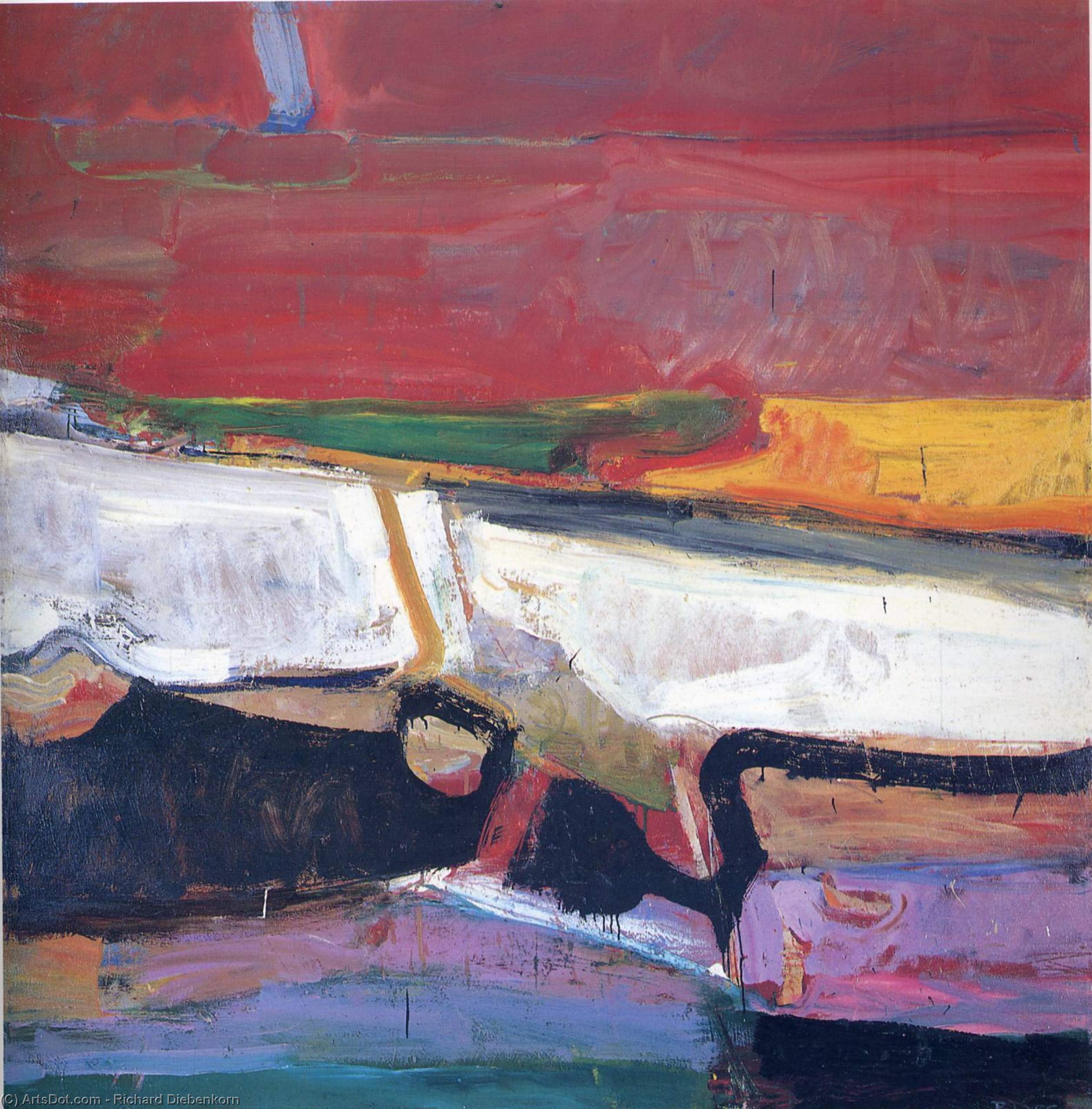
Berkeley No. 59


 Összes részlet megjelenítése
Giclée / Műnyomat
Múzeumi minőségű giclée vagy vászonnyomat, gyors gyártással és rugalmas finomítási lehetőségekkel. ( Kézzel festett másolat rendelése Kép letöltése)




P118B $10

P118H $10

P118W $10

P438Z $10

P508JH $12

P508YH $12

P805H $10

P805Z $10

P919BZ $10

P919G $10

P919XJ $10

P959ZH $10

P968JZ $12

W106C $8

W218G $10

W218JH $8

W218Y $10

W307PJ $10

W316G $10

W316PJ $8

W316Y $10

W398PJ $8

W4111J $10

W500HY $15

W500JH $15

W692G $12

W849H $8

W940BG $15

W953PJ $8




Válasszon előre meghatározott méreteink közül, amelyek megfelelnek a műalkotás eredeti arányainak.

Megadhat saját méreteket is egy konkrét kerethez vagy helyszínhez igazítva. Amennyiben a kiválasztott méret nem egyezik az eredeti kép arányokkal, a műalkotást le fogjuk vágni, vagy kiegészítjük a képet tükrözött vagy egyszínű szélekkel. A gyártás megkezdése előtt egy digitális tervezetet küldünk jóváhagyásra.
Kérjük, vegye figyelembe, hogy a képernyőn látható előnézet nem tükrözi a tényleges levágást vagy kiegészítést. Csak a tervezet mutatja pontosan a végső kompozíciót.
Bár az egyedi méretek is elérhetőek, az eredeti arányok megőrzése érdekében azt javasoljuk, hogy válasszon a előre meghatározott listából származó méretet.
Világszerte történő kiszállítás területére mindössze 2 hét alatt, a szokásos 4-5 hét helyett. (14 augusztus)

Ingyenes globális expressz szállítás

Prémium minőségű len vászon

Teljes körű szállítási biztosítás

Vámvisszatérítési Garancia

Hiteles színpontosság garancia

60 napos visszaküldési lehetőség (csak hibás termékek esetén)

100% pénzvisszatérítési garancia

Több darab vásárlása esetén kedvezmény
 Az üvegkeretes opció csak 110 cm alatti méretben érhető el

Berkeley No. 59
Giclée / Műnyomat
Reprodukció mérete
-


Összesített ár
$ 80
Gyűjthető leírása
The Genesis of a Vision
Richard Diebenkorn’s “Berkeley No. 59,” painted in 1956, isn’t merely a depiction of the Californian coastline; it's an immersion into a specific mood, a distillation of light and atmosphere captured with remarkable immediacy. Born in Portland, Oregon, and deeply rooted in the Bay Area’s artistic landscape, Diebenkorn sought to translate his personal experience of California – its vastness, its shifting light, and its inherent sense of solitude – onto canvas. This work represents a pivotal moment in his career, marking a shift away from purely abstract expressionist tendencies towards a more grounded, lyrical approach that would define much of his subsequent output. The painting’s genesis lies in a transformative plane journey Diebenkorn took over the Pacific Ocean, revealing to him a new way of seeing and interpreting the landscape – one less focused on precise representation and more attuned to the interplay of color, texture, and emotional resonance.
A Symphony of Color and Gesture
The painting’s visual language is immediately arresting. Bold blocks of crimson-pink dominate the upper register, suggesting a dramatic sky ablaze with light, while below, washes of yellow and white evoke the shimmering reflection on water or sand. A darker, more subdued palette – encompassing deep purples, blues, and earthy browns – anchors the lower portion of the canvas, creating a sense of depth and grounding. Diebenkorn’s technique is characterized by an almost reckless abandon; thick impasto strokes are layered upon one another, building texture and dynamism across the surface. These visible brushstrokes aren't simply marks of application but contribute to the painting’s overall energy, conveying a feeling of spontaneous creation and emotional intensity. The artist masterfully utilizes color not as a descriptive tool, but as a vehicle for expressing mood and atmosphere – a technique deeply influenced by the Fauves and other early modernists who prioritized color over form.
Decoding the Composition
The composition itself is deceptively simple yet profoundly effective. The horizontal divisions create distinct planes, suggesting sky, land, and water, but these are not rigidly defined. Instead, they bleed into one another, creating a sense of fluidity and movement. A prominent diagonal line cuts across the canvas, acting as an implied horizon line and further emphasizing the painting’s dynamic energy. Diebenkorn deliberately eschews traditional perspective, opting instead for a flattened space where forms overlap and recede subtly through variations in color and texture. This flattening contributes to the painting's dreamlike quality, inviting the viewer to lose themselves within its vibrant surface.
Symbolism and Emotional Resonance
“Berkeley No. 59” transcends a simple landscape depiction; it’s imbued with a sense of quiet contemplation and perhaps even melancholy. The vastness of the sky, combined with the subdued tones of the lower section, evokes feelings of solitude and introspection – qualities that resonate deeply within the Bay Area's artistic community. The painting’s vibrant colors, however, suggest an underlying energy and vitality, hinting at the beauty and resilience of the Californian landscape. It is a testament to Diebenkorn’s ability to capture not just what he saw, but also what he felt – his personal connection to the land and its spirit. The subtle layering of color and texture creates a tactile quality, inviting viewers to engage with the painting on an emotional level.
A Legacy in Reproduction
Reproductions of “Berkeley No. 59” capture much of the original’s power, offering a window into Diebenkorn's unique vision. The bold colors and dynamic brushstrokes translate beautifully to print, allowing viewers to experience the painting’s energy and emotional depth even outside of its original context. This iconic work remains a cornerstone of American art, embodying the spirit of California and continuing to inspire artists and collectors alike.
A művész életrajza
Early Life and Artistic Foundations
Richard Diebenkorn, born in Portland, Oregon, in 1922, began his artistic journey at a remarkably young age. Even as a child, a deep-seated passion for drawing manifested itself—a clear indication of an innate talent and a lifelong dedication to visual expression. His family’s relocation to San Francisco when he was just two years old proved formative, immersing him in the light and atmosphere of California, which would become inextricably linked to his artistic vision. Early influences were diverse; he encountered the rigorous discipline of oil painting under Victor Arnautoff at Stanford University, learning classical techniques alongside the evocative realism championed by Daniel Mendelowitz, who admired the works of Edward Hopper—whose quiet introspection and masterful use of light profoundly impacted Diebenkorn’s early style. Hopper's influence is readily apparent in these initial paintings, characterized by a contemplative mood and a sophisticated understanding of shadow and form. This period laid the crucial foundation for his future artistic explorations, establishing both technical skill and an emotional depth that would become hallmarks of his work.Navigating Abstraction and Figuration
The American art world underwent a dramatic transformation following World War II, with the center of creative innovation shifting from Paris to New York. Richard Diebenkorn keenly felt this change, enrolling at the California School of Fine Arts (now the San Francisco Art Institute) and embracing abstract expressionism as his primary mode of self-expression. He was drawn to the bold experimentation with form and color exhibited by artists like Clyfford Still, Arshile Gorky, Hassel Smith, and Willem de Kooning—artists who were pushing the boundaries of artistic convention. However, Diebenkorn wasn’t simply a follower of trends; he sought to forge his own path within this dynamic landscape. Alongside Elmer Bischoff, Henry Villierme, David Park, and James Weeks, he became a leading figure in the Bay Area Figurative Movement—a deliberate return to representational painting after the dominance of abstract expressionism. This transition wasn’t abrupt; it was a gradual process of reintroducing recognizable forms into his work, blending abstraction's emotional intensity with figuration’s narrative potential. He aimed to bridge the gap between inner experience and external reality, creating paintings that were both deeply personal and universally resonant—a testament to his unique artistic vision.The Rise of Bay Area Figurative Painting
The Bay Area Figurative Movement, which Diebenkorn spearheaded, represented a significant shift in American art. Rejecting the purely abstract tendencies of some of their contemporaries, these artists sought to capture the essence of California life – its landscapes, its people, and its atmosphere – through a combination of representational forms and expressive color. Influenced by European masters like Matisse and Cézanne, as well as the work of American painters such as Hopper and Rothko, Diebenkorn developed a distinctive style characterized by lyrical abstraction and subtle emotional depth. His paintings often depicted solitary figures in evocative settings—windows overlooking vast landscapes, quiet interiors filled with light—creating a sense of introspection and longing. This movement reflected the unique cultural landscape of the Bay Area, where artistic innovation thrived alongside a deep appreciation for nature and a commitment to social justice.The Ocean Park Series: A Masterpiece of Composition
In 1967, Richard Diebenkorn embarked on what is arguably his most celebrated series—the *Ocean Park* paintings. Named after the Santa Monica neighborhood where he lived and worked, these works represent a culmination of his artistic explorations and a masterful synthesis of abstraction and representation. Unlike the gestural spontaneity of abstract expressionism or the direct depiction of earlier Bay Area Figurative paintings, the *Ocean Park* series is characterized by carefully considered composition, subtle color palettes, and a sense of serene order. These weren’t literal depictions of Ocean Park; rather, they were distillations of its light, space, and atmosphere—evocations of place through abstract form. He explored printmaking alongside his painting, beginning with drypoint in 1961 at UCLA, and forging a long-lasting collaboration with Kathan Brown at Crown Point Press from 1965 to 1992, producing numerous prints that further expanded his artistic vocabulary. The *Ocean Park* series garnered widespread critical acclaim, establishing Diebenkorn as a major force in contemporary art—a testament to his innovative spirit and unwavering commitment to artistic vision.Legacy and Lasting Influence
Richard Diebenkorn’s impact on postwar American art is undeniable. His ability to seamlessly blend abstract expressionism, lyrical abstraction, and figurative painting created a unique artistic voice that resonated with artists for decades to come. A significant retrospective at the Pasadena Art Museum in 1960—later shown at the California Palace of the Legion of Honor in San Francisco—cemented his reputation as a leading figure in the art world. He didn’t adhere to any single dogma, instead forging his own path by embracing experimentation and following his artistic intuition. His work continues to inspire artists and collectors alike, celebrated for its beauty, complexity, and emotional depth. Diebenkorn's passing in 1993 marked the end of a remarkable career, but his legacy lives on through the enduring power of his paintings—a poignant reminder of the transformative potential of art.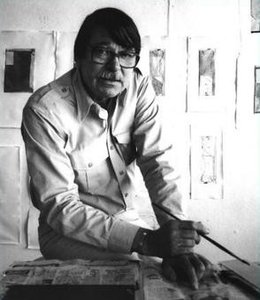
Richard Diebenkorn
1922 - 1993 , Egyesült Államok
A művészről röviden
- Artistic Movement Or Style: Lyrikus absztrakt
- Artists Or Movements Influenced By This Artist: ['Bay Area Figurative']
- Artists Who Influenced This Artist:
- Edward Hopper
- Clyfford Still
- Date Of Birth: Ápril 22, 1922
- Date Of Death: 1993 március 30.
- Full Name: Richard Clifford Diebenkorn
- Nationality: Amerikai
- Notable Artworks:
- Ocean Park No. 32
- A napfényes futball
- Place Of Birth: Portland, Oroszország
Kapcsolódó cikkek
Richard Diebenkorn: A Poetics of Space & Form – Navigating Abstraction in California Modernism
Explore the evolution of Richard Diebenkorn's iconic art – from abstract expressionism to his celebrated Ocean Park series. Discover insights for collectors & enthusiasts.

Absztrakt Expresszionizmus Mesterei: 10 alkotás, ami meghatározta a művészetet | OriginalUniqueArt.com
Fedezze fel a 10 legikonikusabb absztrakt expresszionista alkotást! Ismerje meg Jackson Pollock, Mark Rothko és más mesterek történetét. Művészeti reprodukciók prémium minőségben – OriginalUniqueArt.com.

Kandinsky Mesterművei: 25 Lenyűgöző Festmény a Modern Művészet Gyöngyszemeiből | OriginalUniqueArt
Fedezze fel Wassily Kandinsky 25 legikonikusabb művét! Merüljön el az absztrakt művészet világában, ismerje meg a színek és formák lenyűgöző történetét. Prémium minőségű reprodukciók és inspiráló dekorötletek a OriginalUniqueArt.com-on.

A Tájkép Mesterei: 10 Képi Gyöngyem a Természet Szerelemről – OriginalUniqueArt.com
Fedezze fel a 10 legikonikusabb tájkép festményt! Monet, Van Gogh és más mesterek művei inspirálnak. Művészeti reprodukciók magas minőségben – tökéletes dekoráció otthonába. Böngésszen OriginalUniqueArt.com-on!
Beyond Representation: Exploring the Emotional Landscape of Abstract Expressionism
Explore the profound emotional world of Abstract Expressionism with OriginalUniqueArt. Discover key artists like Pollock & Rothko, learn about collecting, and find museum-quality reproductions to inspire your space.

