
 Megtekintés
 Küldés
 Megosztás
 Részletek
 Útmutató

 Letöltés
 Hasonló darabok
 X-ray felvétel
 Diavetítés
 Kérdések és válaszok
 Statisztika
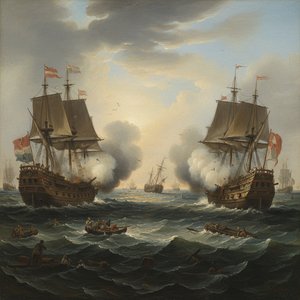
Shipwreck

- 58.0 x 81.0 cm


 Összes részlet megjelenítése
Giclée / Műnyomat
Múzeumi minőségű giclée vagy vászonnyomat, gyors gyártással és rugalmas finomítási lehetőségekkel. ( Kézzel festett másolat rendelése Áttérés digitális képre)




P118B Ft10

P118H Ft10

P118W Ft10

P438Z Ft10

P508JH Ft12

P508YH Ft12

P805H Ft10

P805Z Ft10

P919BZ Ft10

P919G Ft10

P919XJ Ft10

P959ZH Ft10

P968JZ Ft12

W106C Ft8

W218G Ft10

W218JH Ft8

W218Y Ft10

W307PJ Ft10

W316G Ft10

W316PJ Ft8

W316Y Ft10

W398PJ Ft8

W4111J Ft10

W500HY Ft15

W500JH Ft15

W692G Ft12

W849H Ft8

W940BG Ft15

W953PJ Ft8




Válasszon előre meghatározott méreteink közül, amelyek megfelelnek a műalkotás eredeti arányainak.

Írja be a keretének vagy a falának megfelelő szélességet és magasságot. A nyomatot csak le lehet vágni, soha nem tehető nagyobbá, mint az eredeti kép, így egy eltérő alakú méretnél a kép egy része elveszik. Mielőtt bármit kinyatintanánk, küldünk egy digitális próbamodellt jóváhagyásra. Az oldalon látható kép nem tartalmazza a valós levágást — ezt csak a próbamodell mutatja meg.
Világszerte történő kiszállítás területére mindössze 2 hét alatt, a szokásos 4-5 hét helyett. (6 november)

Ingyenes globális expressz szállítás

Prémium minőségű len vászon

Teljes körű szállítási biztosítás

Vámvisszatérítési Garancia

Hiteles színarányosság garancia

100 napos visszaküldési lehetőség (csak hibás termékek esetén)

100% pénzvisszatérítési garancia

Több darab vásárlásakor kedvezmény
 Az üvegkeretes opció csak 110 cm alatti méretben érhető el

Shipwreck
Giclée / Műnyomat
Reprodukció mérete
-


Összesített ár
Ft 26460
A Tempestuous Vision: Philip James de Loutherbourg’s “Shipwreck”
Philip James de Loutherbourg's "Shipwreck," painted in 1793, isn’t merely a depiction of maritime disaster; it’s a visceral exploration of human vulnerability against the overwhelming power of nature. This dramatic landscape, now housed within the Southampton City Art Gallery, transcends simple realism to become a potent allegory for survival, desperation, and the precariousness of existence – themes that resonated deeply with the burgeoning Romantic movement of the late 18th century.
The painting immediately commands attention through its turbulent composition. A colossal wave, rendered in thick, swirling brushstrokes of indigo, ochre, and grey, dominates the scene, threatening to engulf a shattered vessel – the remnants of a once-proud ship now reduced to splintered wood and clinging figures. Loutherbourg masterfully employs chiaroscuro, utilizing stark contrasts between light and shadow to heighten the drama and emphasize the immediate threat. The dark, brooding sky, pregnant with impending storm, mirrors the despair etched on the faces of those struggling for survival amidst the wreckage.
The Baroque Influence & Dramatic Lighting
While firmly rooted in the Romantic sensibility, "Shipwreck" reveals a clear debt to the Baroque tradition, particularly in its theatrical use of light and shadow. Loutherbourg, who had trained under Charles-André van Loo, inherited a penchant for dramatic effects – a skill he honed not only as a painter but also as a stage designer for London’s Drury Lane Theatre. This influence is evident in the painting's heightened emotional intensity and its carefully orchestrated composition, designed to draw the viewer directly into the heart of the scene.
The figures themselves are illuminated from the left, casting long, dramatic shadows that accentuate their vulnerability and heighten the sense of urgency. Loutherbourg’s technique is particularly noteworthy in his rendering of water – not as a smooth, reflective surface, but as a chaotic, dynamic force, teeming with movement and energy. The artist's attention to detail extends to the depiction of the ship itself, meticulously rendered with a sense of both grandeur and impending doom. The use of layered textures—the rough splintered wood, the slickness of the waves, the ragged clothing of the survivors—adds considerable depth and realism to the scene.
Symbolism & The Romantic Spirit
Beyond its immediate depiction of a shipwreck, “Shipwreck” is rich in symbolic meaning. The storm represents not just a natural event but also the unpredictable forces that govern human life – fate, adversity, and the limitations of control. The survivors, huddled together on the rocks, embody the resilience of the human spirit in the face of overwhelming odds. Their desperate struggle for survival speaks to our shared vulnerability and our innate desire to endure.
The inclusion of bandits attacking the lifeboat adds another layer of complexity, suggesting a broader theme of exploitation and injustice. It’s a subtle but powerful commentary on the darker aspects of human nature – the willingness to prey upon the weak in times of crisis. This painting perfectly encapsulates the Romantic spirit's fascination with both the sublime beauty and terrifying power of the natural world, alongside its exploration of profound emotional experiences.
A Legacy of Dramatic Art
Philip James de Loutherbourg’s “Shipwreck” stands as a testament to his artistic versatility and his ability to capture the drama and intensity of human experience. It's a work that continues to resonate with viewers today, prompting reflection on our own vulnerabilities and our capacity for both despair and resilience. The painting’s enduring appeal lies in its masterful composition, its evocative use of light and shadow, and its profound exploration of timeless themes – all rendered with the skill and passion characteristic of a true Romantic artist.
Kérdések és válaszok
Hogyan egyensúlyozza a fényt és a sötétséget a "Shipwreck"?
A „Shipwreck”, De Loutherbourg, Philip James alkotása rögzített értékei: deep_shadow fényerő és Dark luminancia.
Mekkora méretű az eredeti "Shipwreck"?
A(z) "Shipwreck" eredeti mérete 58 x 81 cm. Az eredeti adatok hasznos referenciát nyújtanak a reprodukció méretének kiválasztásakor.
A dátum alapján Shipwreck De Loutherbourg, Philip James pályájának melyik szakaszába tartozik?
A "Shipwreck", amely 1767 évben készült, De Loutherbourg, Philip James pályájának Mature Period szakaszába tartozik.
A művész életrajza
Philip James de Loutherbourg: A művészet, a színház és az intrigák élete
- Született: Strasbourg, Franciaország (1740)
- Hunyt meg: 1812
Philip James de Loutherbourg, más néven Philip Jacques de Loutherbourg, egy olyan francia-brit festő volt, akit a tengeri csaták drámai ábrázolásai, a végtelen tájak és a színházi díszlettervezésben tett innovatív hozzájárulásai tettek világhírűvé. Pályafutása több évtizeden keresztül nyúlt, amelyet művészi sokoldalúság, az okkultizmusba való rövid bemerülés, valamint a későbbi művészgenerációkra gyakorolt jelentős hatása határozott meg.
Korai évek és művészeti neveltetés
Loutherbourg 1740-ben született Strasbourgban, és korai éveket apja, egy tehetséges metszőművész és miniatúrmåló influência alatt töltött. Bár kezdetben az egyház szolgálatára volt kijelölve – egy út, amely temperamentumához nem írt –, végleg elszakadva ettől a sorsától, a művészet felé irányította vágyait. Formális képzése Párizsban kezdődött Charles-André van Loo és Francesco Giuseppe Casanova mesterek alatt. Loutherbourg quickly kivételes tehetségét bebizonyította, és 1erd 1763-as Szalonon kapott elismerést egy emberfigurákat és állatokat ábrázoló tájfestménnyel. Elsőbbször is sikeresen szerepelhetett a későbbi szalonokon, ahol olyan befolyásos kritikusi hangokat nyert meg, mint Denis Diderot. 1767-ben úgy választották be a Francia Akadémiára, ami feltétlenül tanúskodott növekvő hírnevééről.
Karrier Angliában: Tengeri jelenetek, tájak és színház
1771-ben Loutherbourg Londonba költözött, ahol gyorsan kiállította magát, mint meghatározó művész. David Garrick személyes ajánlása révén jelentős megrendeléseket kapott a Drury Lane Theatre színpadtervezéseire. Színházi innovációi forradalmiak voltak, erre példaként szolgál az 1781-ben létrehozott Eidophusikon – egy olyan mechanikus színház, amely perspektívát és illúziós hatásokat alkalmazott a magával ragadó jelenetek megteremtésére. Ez a találmány rávilágított találmányosságára, és a színházi technológia úttörőjévé emelte őt.
Ezzel párhuzamosan Loutherbourg történelmi festményei, különösen a tengeri csaták ábrázolása révén szerzett világhírű hont. Legismertebb műve, a Lord Howe's Action, or the Glorási Első Június (1795) egy jelentős brit győzelmet ünnepelt, és mint a tengeri események vezérlő krónikása állította meg helyét a művészet történetében. Tájképvei, bár néha kritikával érintettek, amiért kissé színháziasnak tűntek, képesek voltak megragadni az angol vidék festői szépségét és tükrözni a kor éstetikai ideáljait.
- Jelentős művek: Lord Howe's Action, or the Glorious First of June, The Destruction of the Armada, Coalbrookdale by Night
Az okkult érdeklődés időszaka és a későbbi évek
Egy váratlan fordulat során Loutherbourg 1789-ben ideiglenesen felhagya az alkotást, hogy az alkímia és a szupnaturalizmus rejtelmeit kutassa. Kapcsolatba került Alessandro di Cagliostróval, egy félelmetes alakgal, aki halhatatlanságról és okkult képességekről tett csalárd állításairól ismert. Loutherbourg Cagliostróval utazott az elsőtti halálra ítéléséig, bár e korszak részletei ma is kissé rejtélyesek maradnak. Miután a nyilvánosság ellenállást mutatott a gyógyító gyakorlata ellen, visszatért a festészethez, történetileg témákat választva, és továbbra is alkotott tájképeket és portrékat.
Örökség és hatás
Philip James de Loutherbourg tartós örökséget hagyott magára, mint egy sokoldalú művész, aki áthidalta a szakadékot a történelmi festészet, a tájalkászat és a színházi tervezés között. Innovatív Eidophusikon-ja befolyásolta a színpadi technika későbbi fejlődését, míg drámai tengeri jelenetei megörökítették a tengeri hatalom által meghatározott korszak szellemiségét. Műveit számos múzeumban megtaláljuk világszerte, beleértve a National Maritime Museumot és a British Museumban is. Emellett olyan művészekre gyakorolt hatást, mint J.M.W. Turner, ezzel bizonyítva jelentős hozzájárulását a brit romantikus művészet fejlődéséhez.

De Loutherbourg, Philip James
1740 - 1812 , Francia
Rövid információk
- Artistic Movement Or Style: Romanticizmus
- Artists Or Movements Influenced By This Artist: ['Turner']
- Date Of Birth: 1740-10-31
- Date Of Death: 1812-03-11
- Full Name: Philip James de Loutherbourg
- Nationality: Francia
- Notable Artworks:
- Lord Howe's Action, vagy a Glorious First of June
- Az Armada pusztítása
- Coalbrookdale éjjel
- Place Of Birth: Strasbourg, Francia
Kapcsolódó cikkek
Masterpieces of Maritime Warfare: The Artistry and Intensity of Naval Combat in Historical Painting
Explore the dramatic intensity of naval combat through art history. From Romanticism to classical maritime masterpieces, discover how legendary painters captured the chaos, light, and heroism of sea battles in breathtaking oil paintings.

Rólunk
Fedezze fel történetünket! A világ legjobb művészetét hozzuk az életébe szakértő válogatással, egyedi alkotásokkal és ingyenes betekintésekkel. Magánszemélyek és vállalkozások számára is elismert 2000 óta.

Willem van de Velde the Elder: Master of Maritime Painting & Chronicler of the Dutch Golden Age
Discover the captivating maritime paintings of Willem van de Velde the Elder, a master chronicler of the Dutch Golden Age. Explore his unparalleled realism and lasting influence on naval art history.

Philip James de Loutherbourg: Romantic Visions of Maritime Life & the Sublime
Explore the dramatic naval scenes & landscapes of Philip James de Loutherbourg (1740-1812), a key figure in Romantic painting. Discover his legacy, theatrical innovations & iconic works like 'The Battle of the Nile' at OriginalUniqueArt.

Goya Mesterművei: A Spanyol Lélek 25 Legikonikus Képe – OriginalUniqueArt
Fedezze fel Goya 25 leglenyűgözőbb mesterművét! Ismerje meg a spanyol festő életművét, portréit és ikonikus képeit. Vásároljon prémium minőségű reprodukciókat a OriginalUniqueArt.com-on, és teremtsen egyedi otthoni dekorációt klasszikus művészettel! Explore the full collection online.
