
 Megosztás
 Megosztás
 Részletek
 Útmutató

 Letöltés
 Hasonló darabok
 Diavetítés
 Statisztika
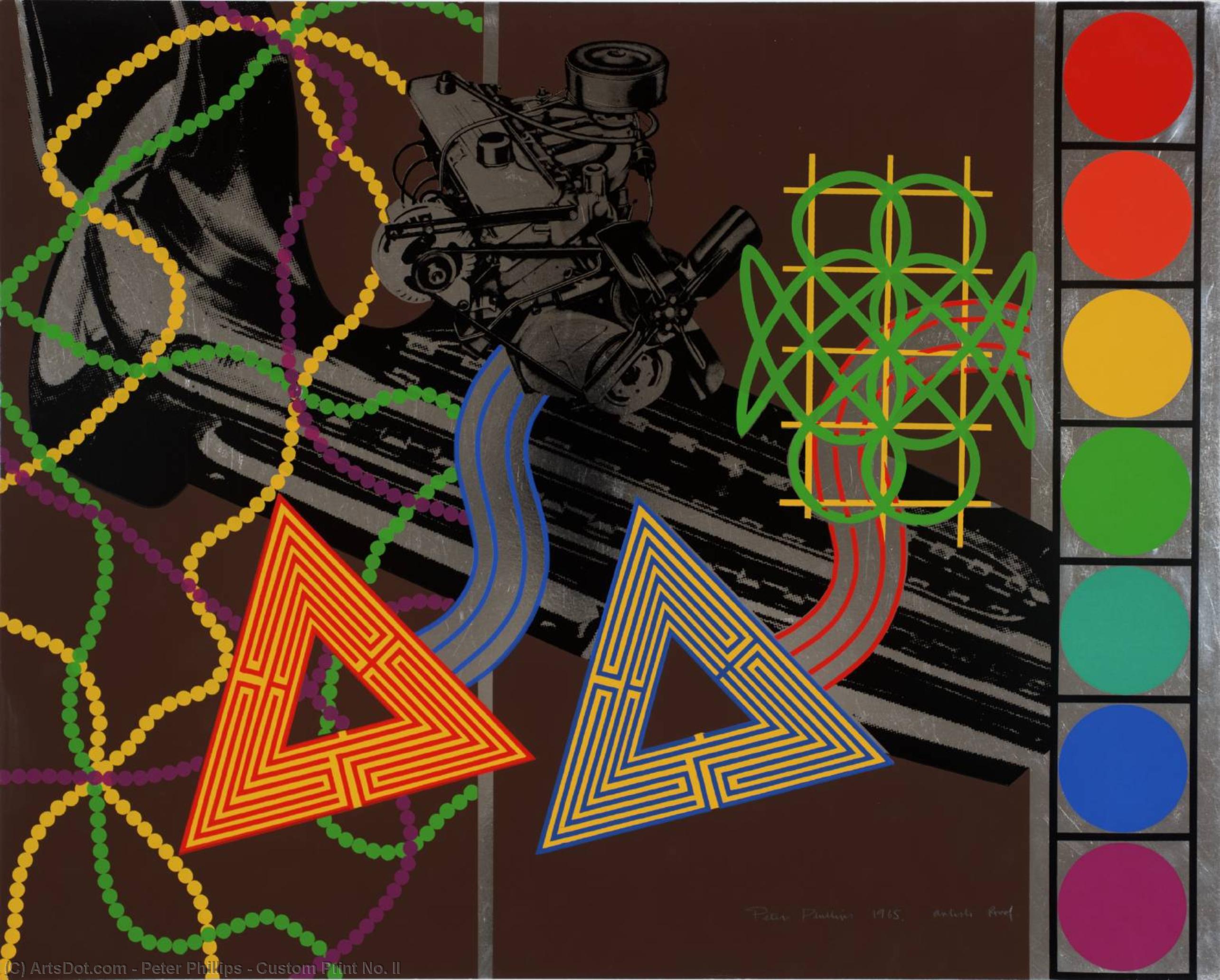
Egyedi Nyomat No. II


 Tovább olvasom
Vásároljon nagy felbontású, javított digitális képet, amely minőségében messze felülmúlja az online előnézetet.
Minden fájlt szakembereink a legmodernebb eszközök és precíz, kézi retusálás segítségével készítenek el aprólékosan. Gondoskodunk arról, hogy minden kép kivételes tisztasággal, pontos színhelyességgel és részletgazdag finomsággal rendelkezzen.
A végleges fájl 72 órán belül e-mailben megérkezik, professzionális, szerkesztői és nyomtatási környezetbe optimalizálva az azonnali használathoz. Ez ugyanaz a minőség, amelyben a legmeghatározóbb tervezőstúdiók, kiadók és galériák is megbízhatnak.
Digitális kép
Töltsön le nagy felbontású fájlt személyes kiállításokhoz, nyomtatáshoz és kreatív projektekhez. ( Váltás nyomtatványra Kézzel festett másolat vásárlása)
Minden digitális kép rendeléséhez tartozó extrák
Szakértői digitális kézbesítés, garantáltan
Amikor a OriginalUniqueArt.com szolgáltatást választja, nem csupán egy képet kap – professzionálisan felmagasított digitális műalkotást kap, amely precizitással készült, és amelyet megelégsedési gwarancia tesz biztoslássá. Az alábbiakban automatikusan minden benne 】

Gyors e-mail teslimítés
A nagy felbontású digitális képmásolatát a megrendelést követő 72 órán belül e-mailben elküldjük Önnek – azonnal használható formátumban.

MI-alapú digitális képjavítás
Műve professzionális módon kerül optimalizálásra fejlett mesterséges intelligencia eszközök és manuális szerkesztés segítségével, biztosítva a maximális részletességet, tisztaságot és színpontosságot.

Örök életű ingyenes újradatás
Véletlenül törölted vagy elvesztetted a fájlodat? Ne aggódj – bármikor ingyen újra megküldjük neked.

Nincs importköltség – soha
Élvezze műalkotásait azonnal, vám, illeték vagy szállítási költség nélkül – a digitális letöltések mindig adamentesek.

Színpontosság garantálása
Professzionális eszközök és színkezelés segítségével garantáljuk, hogy digitális képe a lehető legpontosabban tükrözze az eredeti színeket.

100 napos elégedettségi garancia
Ha nemມີ elégedett a digitális képével, 100 napon belül felülvizsgáljuk vagy 100% visszatérítjük az amountot – kérdés बिना.

100% Pénzvisszatérítési garancia
Nem tetszett a vásárlás? 100 napon belül teljes visszatérítést garantálunk a digitális fájl megvételétől számítva – kérdés nélkül.

Tömegrendelési kedvezmények
Vásároljon 3 képet, spóroljon 10%-et - Vásároljon 5-öt, spóroljon 15%-et - Vásároljon 10+ képet, spóroljon 20%-at. Kiváló kreatív projektekhez, galériákhoz és ügynökségekhez.
Dynamic Fusion of Industry and Abstraction
“Custom Print No. II” by Peter Phillips presents a striking visual paradox—a meticulously detailed black-and-white photograph of a mechanical object, likely an engine or similar machinery, juxtaposed against a vibrant tapestry of interwoven geometric shapes. This artwork isn’t merely decorative; it's a deliberate conversation between the tangible world of industrial innovation and the boundless realm of abstract artistic expression.
- Style & Technique: The piece embodies modern abstract sensibilities blended with Pop Art influences. Phillips skillfully combines photographic realism with graphic design, utilizing a mixed-media approach that incorporates printed imagery alongside digitally or hand-painted geometric forms.
- Line Work & Color Palette: Intricate line work within the shapes contributes to visual dynamism, complemented by a bold color palette featuring reds, yellows, blues, and greens—a deliberate choice reflecting the energy of contemporary life.
- Compositional Layers: The layered composition enhances spatial complexity, utilizing overlapping shapes and varying line thicknesses to create a sense of movement and invite viewers into an exploration of both chaos and order.
Historical Context & Artistic Significance
Created during a period marked by artistic experimentation—a reaction against traditional conventions—this artwork echoes the spirit of movements like Pop Art and geometric abstraction. Phillips’ work directly responds to influences from American artists Jasper Johns and Robert Rauschenberg, who championed everyday imagery and challenged established artistic norms.
It speaks to a fascination with consumer culture and technology, mirroring the broader cultural landscape of the mid-20th century. Peter Phillips' contribution to British Pop Art solidified his reputation as an innovator—a pioneer in blending photographic realism with bold graphic design.
Symbolism & Emotional Resonance
The photograph itself depicts a stylized motorcycle, rendered in dark shades and accented by bright outlines – a deliberate choice that symbolizes speed, freedom, or perhaps the anxieties inherent in embracing industrial progress. The dominant triangular shape in red and orange underscores this thematic concern.
Furthermore, the artwork incorporates a complex geometric pattern reminiscent of Celtic knots or mandalas—a visual element imbued with spiritual connotations and representing harmony amidst perceived disorder. Lighting is artificial and flat, contributing to a graphic aesthetic that prioritizes form over realism.
Further Exploration
As evidenced by research into “Custom Print No. II”’s provenance – displayed at Tate Gallery and featured in the Smithsonian American Art Museum's "Eleven Pop Artists" portfolio – this artwork represents a pivotal moment in British Pop Art history. Its meticulous execution, combined with its conceptual depth, continues to inspire collectors and interior designers alike.
You can delve deeper into Phillips’ artistic vision by visiting Peter Phillips' Artist Page or exploring his celebrated works at Custom Print No. II from Eleven Pop Artists.
Gyakran Ismételt Kérdések
Mennyire intenzívek a „Egyedi Nyomat No. II”, Peter Phillips alkotása színei?
A "Egyedi Nyomat No. II" színtelítettsége Egyensúlyban lévő. Az intenzitás azt mutatja meg, mennyire erőteljesnek tűnnek a színek.
Megrendelhető-e a "Egyedi Nyomat No. II" olajfestmény másolata?
A "Egyedi Nyomat No. II" kézzel festett olajfesték reprodukció lino vászonon formátumban is elérhető. A rendelés a Kézzel festett másolat oldalon adható le, különböző méretválasztékban.
Milyen technikával készült a(z) „Egyedi Nyomat No. II”, Peter Phillips alkotása?
Peter Phillips a Digitális kollázs technikát alkalmazta a "Egyedi Nyomat No. II" alkotáshoz. A technika határozza meg az eredeti mű anyagösszetételt.
Művész életrajza
A Pioneer of British Pop: The World of Peter Phillips
Peter Phillips emerged as a pivotal figure in the burgeoning British Pop Art movement, injecting a uniquely dynamic and critical perspective into the artistic landscape of the 1960s. Born in Birmingham, United Kingdom, in 1939, his journey began with foundational studies at Moseley Road Secondary School of Art (1953-1955) and continued at the Birmingham School of Art (1955-1959). These early years provided a solid grounding before he ventured to the prestigious Royal College of Art (1959-1962), where his artistic vision truly began to coalesce. The seeds of his future style were sown through exposure to reproductions of works by American Pop Art innovators Jasper Johns and Robert Rauschenberg, artists whose embrace of everyday imagery and unconventional techniques profoundly influenced Phillips’ developing aesthetic. He wasn't simply mimicking; he was absorbing a new language for art, one that spoke directly to the consumer culture rapidly transforming post-war society.American Echoes and British Innovation
Phillips quickly distinguished himself as an originator of Pop Art within Britain, though his approach possessed a distinct character compared to his American counterparts. While Warhol and Lichtenstein often focused on iconic imagery with a degree of detached irony, Phillips’ early works were characterized by a more aggressive engagement with the visual onslaught of commercial iconography and advertising that permeated contemporary life. This inclination was powerfully reinforced in 1964 when he was awarded a Harkness Fellowship, enabling him to spend time in New York City. There, he found himself immersed in the heart of the American Pop Art scene, exhibiting alongside luminaries like Andy Warhol, Roy Lichtenstein, and James Rosenquist. This period proved transformative, solidifying his place within the movement while simultaneously allowing him to refine his own artistic voice. Prior to this pivotal experience, Phillips briefly taught at Coventry College of Art and Birmingham College of Art between 1962-1963, sharing his burgeoning ideas with a new generation of artists.The Influence of Johns and Rauschenberg
Phillips’ formative years were undeniably shaped by the groundbreaking work of Jasper Johns and Robert Rauschenberg. These American pioneers challenged traditional artistic conventions by incorporating found objects and everyday materials into their canvases—a bold departure from the prevailing Surrealist tendencies of the time. The reproductions of Johns' enigmatic glyphs and Rauschenberg’s collages, replete with Xerox copies and fabric scraps, instilled in Phillips a fascination for juxtaposing disparate elements to create unexpected visual dialogues. This preoccupation with materiality and process would become a defining feature of his artistic practice throughout his career—a conscious rejection of illusionistic representation in favor of exploring the surface qualities of paint and paper. He wasn’t merely admiring their techniques; he was actively interrogating them, seeking ways to translate their conceptual rigor into his own visual language.Early Works: Montage and Bold Color
Phillips' debut exhibitions showcased a distinctive style characterized by dynamic montage paintings—complex compositions built upon layered images and vibrant color palettes. These works immediately established him as an innovator within the British Pop Art landscape, distinguishing him from many of his contemporaries who favored more stylized approaches. His canvases burst with energetic hues—often reds, yellows, and blues—that mirrored the vibrancy of advertising billboards and promotional posters prevalent in 1960s Britain. Furthermore, Phillips skillfully employed techniques borrowed from Rauschenberg’s collage method, incorporating printed matter and textured surfaces to disrupt conventional perspectives and heighten visual impact. This stylistic decision reflected a broader intellectual engagement with the cultural anxieties of the era—a desire to confront viewers with the pervasive influence of mass media and consumer culture.Recognition and Continued Artistic Exploration
Throughout the 1960s and beyond, Peter Phillips garnered significant acclaim within the art world. He participated in prestigious international exhibitions like the Paris Biennale (1963), demonstrating his commitment to engaging with broader artistic dialogues. A landmark moment arrived in 1965 with his inaugural solo exhibition at Kornblee Gallery in New York City—a testament to his growing reputation as a visionary artist. Subsequent retrospectives at the Westfälischer Kunstverein, Münster (1972), and notably, the Tate Gallery in London (1976), cemented his position as one of Britain’s foremost Pop Art practitioners. His enduring legacy resides not only in his stylistic innovations but also in his unwavering dedication to exploring new artistic mediums—from sculpture to architectural installations—continuing to inspire artists today. Phillips' work remains a vibrant reminder of the transformative power of art to challenge conventions and engage with pressing social concerns.
Peter Phillips
1939 - , Egyesült Királyság
Rövid tények
- Artistic Movement Or Style: Pop Art
- Artists Or Movements Influenced By This Artist: ['American Pop']
- Artists Who Influenced This Artist:
- Jasper Johns
- Robert Rauschenberg
- Date Of Birth: 1939
- Full Name: Peter Phillips
- Nationality: Britannia
- Notable Artworks:
- Spectrocoupling
- Egyedi Nyomat No. II
- Impeller
- Place Of Birth: Birmingham, UK