

 Megtekintés
 Küldés
 Megosztás
 Részletek

 Letöltés
 Hasonló darabok
 X-ray felvétel
 Diavetítés
Ecce Homo

 Összes részlet megjelenítése
Kézzel készített olajfestmény reprodukció
Kézzel festett olajvastú vászon, az Ön által választott méretben és keretben, művészeink készítik meglévőre. ( Nyomat rendelése Kép letöltése)




P118B $10

P118H $10

P118W $10

P438Z $10

P508JH $12

P508YH $12

P805H $10

P805Z $10

P919BZ $10

P919G $10

P919XJ $10

P959ZH $10

P968JZ $12

W106C $8

W218G $10

W218JH $8

W218Y $10

W307PJ $10

W316G $10

W316PJ $8

W316Y $10

W398PJ $8

W4111J $10

W500HY $15

W500JH $15

W692G $12

W849H $8

W940BG $15

W953PJ $8




Válasszon előre meghatározott méreteink közül, amelyek megfelelnek a műalkotás eredeti arányainak.

Ön megadhat saját méreteket egy adott kerethez vagy térhez igazításhoz. Ha a kiválasztott méret nem egyezik az eredeti kép arányával, akkor a műalkotást levágjuk, vagy további kézzel festett elemekkel meghosszabbítjuk a festményt. A gyártás megkezdése előtt küldünk Önnek egy digitális előnézetet jóváhagyásra.
Kérjük, vegye figyelembe, hogy a képernyőn megjelenő előnézet nem tükrözi a tényleges vágást vagy kiterjesztést. Csak az előnézet fog pontosan mutatni a végső kompozíciót.
Bár egyedi méretek állnak rendelkezésre, javasoljuk, hogy válasszon egy méretet az előre meghatározott listából az eredeti arányok megőrzése érdekében.
A rendelést követően a OriginalUniqueArt.com csapata e-mailt küld az ügyfélnek az instrukciókért, és biztosít egy előnézeti képet (mockup).
Világszerte elérhető szállítás () 3-4 hét alatt a szokásos 5 hét helyett. (27 augusztus). A minőség nem kérdőjelezhető.

Ingyenes globális expressz szállítás

Prémium minőségű len vászon

Teljes körű szállítási biztosítás

Vámvisszatérítési Garancia

Hiteles színpontosság garancia

60 napos visszaküldési lehetőség (csak hibás termékek esetén)

100% pénzvisszatérítési garancia

Több darab vásárlása esetén kedvezmény
 Az üvegkeretes opció csak 110 cm alatti méretben érhető el

Ecce Homo
Reprodukciós technika
Reprodukció mérete
-


Összesített ár
$ 300
A műalkotás leírása
Captivating Subject and Religious Significance
This powerful artwork vividly depicts a profound moment of spiritual reflection and suffering, centered on the figure of Jesus Christ. The scene captures the intense emotional weight of the biblical narrative, emphasizing themes of sacrifice, humility, and redemption. The detailed portrayal invites viewers to contemplate the depth of Christ’s suffering and the enduring message of faith that has inspired countless generations.Masterful Style and Artistic Technique
Created in the Romanticism style, this piece exemplifies the movement’s focus on emotion, grandeur, and dramatic expression. The artist employs meticulous oil painting techniques, blending subtle gradations of color and light to evoke a luminous, almost divine presence. The use of rich, earthy tones combined with vivid reds enhances the emotional intensity, drawing the viewer’s eye directly to the central figure. The composition’s organic shapes and fluid lines lend a naturalistic realism, heightening the sense of immediacy and intimacy.Historical Context and Artistic Significance
Produced in the late 19th century, this work reflects the Romantic era’s fascination with spiritual and emotional depth. The artist’s focus on religious themes aligns with a broader cultural movement that sought to explore human suffering and divine grace through art. The detailed rendering of the figure and the symbolic use of color and light serve to elevate the spiritual message, making it a timeless piece that resonates with both historical and contemporary audiences.Symbolism and Emotional Impact
Every element in this artwork is imbued with symbolic meaning. The halo signifies sanctity, while the red robe symbolizes sacrifice and love. The somber expression and downward gaze evoke empathy and introspection, inviting viewers to connect with the emotional core of the scene. The dark background isolates the figure, emphasizing spiritual contemplation and the universality of suffering. This composition not only captures a biblical moment but also evokes a profound sense of reverence and hope.A High-Quality Reproduction for Art Lovers and Interior Design
Perfect for collectors, art enthusiasts, and interior designers, this high-quality reproduction offers an inspiring focal point for any space. Its compelling subject matter and masterful execution make it an ideal addition to religious settings, living rooms, or galleries seeking to evoke emotion and spiritual reflection. Whether displayed as a centerpiece or a contemplative accent, this artwork promises to elevate your environment with its timeless beauty and profound message.A művész életrajza
A Life Etched in Shadow and Light: The World of Gustave Doré
Paul Gustave Louis Christophe Doré, a name synonymous with dramatic illustration and evocative imagery, was more than just an artist; he was a cultural phenomenon. Born in Strasbourg, France, on January 6th, 1832, his life unfolded during a period of profound transformation – the waning years of Romanticism giving way to the burgeoning realism and symbolism of the 19th century. Even as a young boy, Doré possessed an extraordinary talent, not merely for drawing—a skill he diligently cultivated from an incredibly early age—but also with a captivating personality that hinted at the theatrical intensity which would become his signature style. Tales abound of youthful antics demonstrating a maturity far beyond his years, foreshadowing the complex and often melancholic themes that would dominate his artistic output. He embarked on his professional career remarkably early, at just fifteen years old, as a caricaturist for the Parisian journal *Le Journal pour rire*, honing his observational skills and compositional abilities within the vibrant world of satirical art.From Caricature to Literary Giants: The Rise of an Illustrator
Doré’s initial commissions laid the groundwork for his subsequent renown. Works such as *Les Travaux d'Hercule* (1847), *Trois artistes incompris et mécontents* (1851), and *Les Dés-agréments d'un voyage d'agrément* (1851) showcased a burgeoning talent for dynamic composition and a masterful command of light and shadow, even in these relatively modest beginnings. He was deeply influenced by the illustrations of J.J. Grandville, whose fantastical imagery and satirical edge resonated profoundly with Doré’s own developing artistic sensibilities. However, it was through his collaborations with literary giants that Doré truly ascended to prominence. In 1853, he received a prestigious commission to illustrate the works of Lord Byron, an undertaking which opened doors to further significant projects. The monumental task of illustrating the Bible followed, a project that would cement his reputation and bring his art before a vast international audience – a testament to his skill and ambition. This ambitious undertaking required not only artistic talent but also meticulous research and a deep understanding of biblical narratives. His illustrations were revolutionary for their time, capturing both the grandeur and the drama of these ancient stories with unprecedented detail and emotional depth. The sheer scale of the project demanded a large team of skilled block-cutters, allowing Doré to translate his intricate designs into stunning wood engravings that could be mass-produced and distributed widely.A Master of Technique: Wood Engraving and Romantic Vision
Doré’s artistic prowess wasn't solely rooted in imaginative vision; it was inextricably linked to his technical mastery, particularly in the art of wood engraving. He possessed an extraordinary ability to create incredibly detailed and dramatic images through this medium – a skill that allowed for the efficient production needed to meet the demands of publishers and readers alike. His compositions are characterized by their dynamism, stark contrasts between light and shadow (a technique known as chiaroscuro), and a sense of overwhelming grandeur or even palpable terror. He frequently employed a large team of block-cutters to meticulously translate his designs into wood engravings, ensuring the precision and detail required for his ambitious projects. His style is firmly rooted in the Romantic tradition – emphasizing emotion, imagination, and the sublime—a fascination with the power of nature and the human condition. He wasn’t merely recording scenes; he was interpreting them through a lens of heightened emotionality and dramatic flair. This approach, while sometimes criticized for its theatricality, ultimately contributed to his enduring appeal.Notable Works and Lasting Influence
Doré's artistic legacy extends far beyond the sheer volume of his work. His illustrations had a profound impact on visual culture, influencing artists and readers for generations. Vincent van Gogh, a fervent admirer of Doré’s depictions of suffering and hardship, recognized in them a shared sensitivity to the plight of humanity. His *Illustrations for Dante's Inferno* (1867-1870), in particular, remains one of his most iconic achievements – a terrifying and unforgettable depiction of Hell that continues to captivate audiences today. Similarly, his illustrations for Milton’s *Paradise Lost* captured the epic scope and dramatic intensity of this monumental poem. Beyond these major works, Doré's illustrations for Cervantes’ *Don Quixote*, Edgar Allan Poe’s “The Raven,” and Blanchard Jerrold’s *London: A Pilgrimage* demonstrate his versatility and ability to adapt his style to a wide range of subjects and genres. Despite facing some criticism during his lifetime—some found his work overly dramatic or lacking in subtlety—Doré's art is now celebrated for its artistic merit, historical significance, and enduring power to evoke emotion and imagination. He died on January 23rd, 1883, leaving behind an immense body of work that continues to inspire awe and admiration. His legacy lies not only in the beauty of his images but also in their ability to transport us to other worlds – a testament to the transformative power of illustration.Notable Works (Selected)
- Flower Sellers of London (1875): A poignant depiction of Victorian poverty and resilience, showcasing familial bonds amidst hardship.
- The Christian Martyrs: A dramatic masterpiece depicting faith and persecution with powerful emotion.
- Illustrations for Dante’s Inferno: Perhaps his most iconic work, these engravings brought the terrifying visions of Dante's hell to life with unparalleled intensity.
- Illustrations for Milton’s Paradise Lost: Doré’s interpretation of this epic poem is renowned for its grandeur and dramatic flair.
- The Wandering Jew (1856): A popular work, though it contains antisemitic undertones reflective of the time period.
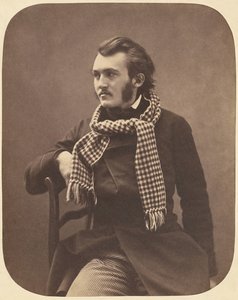
Doré
1832 - 1883 , Francia
A művészről röviden
- Artistic Movement Or Style: Romanticizmus
- Artists Or Movements Influenced By This Artist: ['Van Gogh']
- Artists Who Influenced This Artist: ['Grandville']
- Date Of Birth: 1832 jan 6.
- Date Of Death: 1883 jan 23.
- Full Name: Paul Gustave Doré
- Nationality: Francia
- Notable Artworks:
- Don Quixote
- A galamb
- London: Egy út
- Dante pokla
- Paradise Lost
- Place Of Birth: Strasbourg, Francia
Kapcsolódó cikkek

Gustav Klimt 25 Mesterműve: A Szecesszió Aranykora – Vászonképek és Dekorációk
Fedezze fel Gustav Klimt 25 legpazarabb művészeti alkotását! A szecesszió aranykora, ikonikus portrék és szerelmesek története. Vászonképek, reprodukciók és inspiráció otthonába – OriginalUniqueArt.com.
Paul Gustave Doré: A Master of Romantic Realism & the Illustrated Imagination
Explore the captivating world of Gustave Doré, master of Romantic realism & iconic illustrator. Discover his dramatic wood engravings, paintings, and sculptures – a legacy shaping art history. Learn more at OriginalUniqueArt.

Timeless Christian Art: Inspiring Sacred Masterpieces to Transform Your Home with Grace and Devotion
Discover the profound beauty of timeless Christian art. From Renaissance tenderness to Baroque grandeur, explore inspiring sacred masterpieces designed to transform your home into a peaceful sanctuary through exquisite hand-painted reproductions and expert art consultation.
Sacred Narratives Embodied: A Comprehensive Exploration of Religious Iconography in Art History
Explore the rich history of religious iconography in art! Discover symbolism, movements & masterpieces from Byzantine to Renaissance periods. Expert insights for collectors and enthusiasts at OriginalUniqueArt.
Sacred Narratives on Canvas: Exploring Religious Painting Through History
Explore the rich history of religious painting with OriginalUniqueArt.com! Discover iconic artworks, symbolism & techniques from antiquity to the Renaissance. Enhance your art appreciation today.



