
 Megtekintés
 Küldés
 Megosztás
 Részletek
 Útmutató

 Letöltés
 Hasonló darabok
 X-ray felvétel
 Diavetítés
 Statisztika
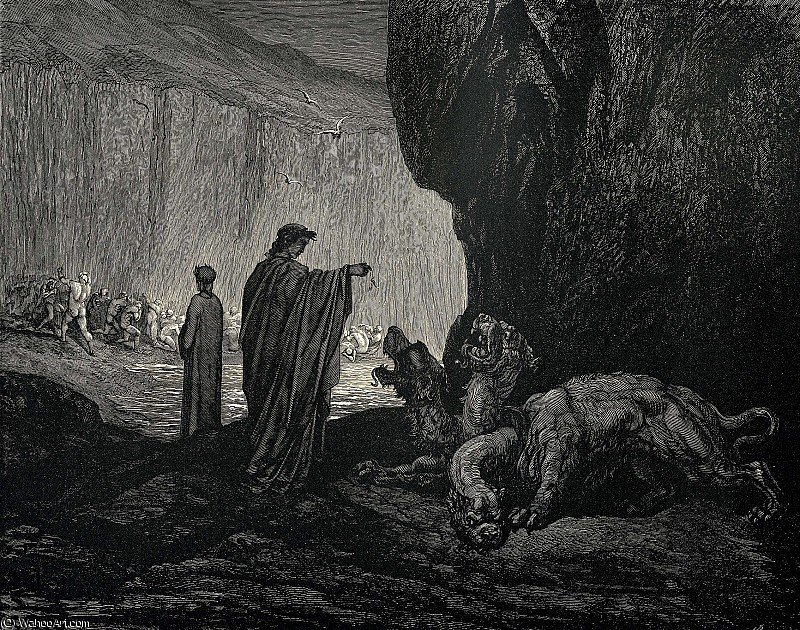
Then my guide his palms expanding on the ground thence filled with earth


 Összes részlet megjelenítése
Kézzel készített olajfestmény reprodukció
Kézzel festett olajvastú vászon, az Ön által választott méretben és keretben, művészeink készítik meglévőre. ( Váltás nyomtatványra Áttérés digitális képre)




P118B Ft10

P118H Ft10

P118W Ft10

P438Z Ft10

P508JH Ft12

P508YH Ft12

P805H Ft10

P805Z Ft10

P919BZ Ft10

P919G Ft10

P919XJ Ft10

P959ZH Ft10

P968JZ Ft12

W106C Ft8

W218G Ft10

W218JH Ft8

W218Y Ft10

W307PJ Ft10

W316G Ft10

W316PJ Ft8

W316Y Ft10

W398PJ Ft8

W4111J Ft10

W500HY Ft15

W500JH Ft15

W692G Ft12

W849H Ft8

W940BG Ft15

W953PJ Ft8




Válasszon előre meghatározott méreteink közül, amelyek megfelelnek a műalkotás eredeti arányainak.

Írja be a kívánt szélességet és magasságot, hogy illeszkedjen a keretéhez vagy a falához. Mivel ez kézzel festett alkotás, egy eltérő formájú méret esetén a művész akár festhet is valamivel többet a kép körül, vagy korolathat is belőle — az Ön döntésének megfelelően. A festés megkezdése előtt küldünk egy digitális tervezetet jóváhagyásra. Az oldalon látható kép nem tartalmazza a végeredményt — csak a tervezet mutatja meg a valódi eredményt.
A rendelést követően a OriginalUniqueArt.com csapata e-mailt küld az ügyfélnek az instrukciókért, és biztosít egy előnézeti képet (mockup).
Világszerte elérhető szállítás () 3-4 hét alatt a szokásos 5 hét helyett. (26 október). A minőség nem kérdőjelezhető.

Ingyenes globális expressz szállítás

Prémium minőségű len vászon

Teljes körű szállítási biztosítás

Vámvisszatérítési Garancia

Hiteles színarányosság garancia

100 napos visszaküldési lehetőség (csak hibás termékek esetén)

100% pénzvisszatérítési garancia

Több darab vásárlásakor kedvezmény
 Az üvegkeretes opció csak 110 cm alatti méretben érhető el

Then my guide his palms expanding on the ground thence filled with earth
Reprodukciós technika
Reprodukció mérete
-


Összesített ár
Ft 128211
A Descent into the Abyss: The Chiaroscuro of Terror
In the hauntingly beautiful realm of Paul Gustave Doré’s “Then my guide his palms expanding on the ground thence filled with earth,” we are not merely observers of a scene, but witnesses to a profound spiritual descent. This masterful engraving, inspired by the harrowing verses of Dante Alighieri's Inferno, serves as a visceral window into the ninth circle of Hell. Doré does not simply illustrate text; he breathes life into the psychological landscape of damnation. The artwork captures a moment of chilling theological weight, where the boundaries between the physical world and the metaphysical abyss dissolve into a sea of ink and shadow. As the viewer’s eye is drawn into the yawning chasm, one feels the palpable weight of Dante's journey—a movement from the light of the known world into the suffocating darkness of the eternal.
The composition is a masterclass in dramatic tension, utilizing strong diagonal lines to guide the gaze downward, mirroring the literal and metaphorical descent of the protagonists. A massive, rugged rocky formation anchors the right side of the frame, providing a sense of monumental scale that makes the figures within appear small and vulnerable against the infinite void. Through the meticulous use of chiaroscuro, Doré creates an atmosphere where light does not illuminate so much as it struggles to exist against an encroaching, velvety darkness. This interplay of light and shadow is central to the piece's emotional resonance, evoking feelings of isolation, dread, and the sublime terror that characterizes the Romantic era.
The Artistry of the Line: Technique and Texture
To behold a Doré engraving is to appreciate the pinnacle of 19-century printmaking virtuosity. The artwork is built upon an intricate web of fine lines, where every hatch and cross-hatch serves a specific narrative purpose. There is no reliance on color to convey emotion; instead, the artist utilizes a monochromatic palette of varying grays to sculpt form out of nothingness. The texture of the jagged, desolate landscape is rendered with such precision that one can almost feel the cold, abrasive surface of the stones and the dampness of the subterranean air. This technical mastery allows for a profound sense of materiality, making the fantastical elements of the underworld feel disturbingly tangible.
The technique of engraving—cutting fine lines into a metal plate—allows for a level of detail that is unparalleled in much of the era's broader painting styles. In this specific work, Doré uses these delicate incisions to create atmospheric perspective, where distant figures and terrain become blurred and ghostly, lost in the haze of the underworld. For the collector or interior designer, this level of detail offers an incredible depth of visual interest. When viewed as a high-quality reproduction, the sharpness of the linework remains intact, providing a sophisticated focal point that commands attention through its complexity rather than through overt brightness.
Symbolism and the Eternal Legacy
Beyond its technical brilliance, the piece is steeped in profound symbolism. The central figure’s gesture—palms expanding to grasp at the earth—is a powerful metaphor for the insatiable hunger of sin and the desperate, futile attempts to find substance within the void. It captures the essence of Lucifer’s role as a fallen entity, trapped in a cycle of consumption and destruction. This thematic depth ensures that the artwork remains much more than a mere illustration; it is a philosophical meditation on ambition, consequence, and the human condition. The presence of the guide suggests the necessity of wisdom and light even in the deepest reaches of despair.
For those looking to curate a space with intellectual and emotional gravity, this work offers an unparalleled opportunity. It is a piece that invites contemplation and serves as a conversation starter regarding history, literature, and the darker corners of the human imagination. Whether placed in a private library, a sophisticated study, or a contemporary gallery setting, Doré’s vision brings a sense of timelessness and dramatic elegance. Owning a reproduction of such a seminal work allows one to possess a fragment of the Romantic movement's soul—a piece that celebrates the beauty found even within the most terrifying shadows.
Kérdések és válaszok
Hogyan találkoznak a korszak és a mű stílusa „Then my guide his palms expanding on the ground thence filled with earth”, Doré alkotása alkotásban?
„Then my guide his palms expanding on the ground thence filled with earth”, Doré alkotása alkotásművében a Romanticism irányzat találkozik a 19. század korszakkal.
Elérhető diaporáma a(z) „Then my guide his palms expanding on the ground thence filled with earth”, Doré alkotása alkotáshoz?
A „Then my guide his palms expanding on the ground thence filled with earth”, Doré alkotása diaporámaként tekinthető a mű Diaváltás oldalán.
Milyen domináns alapszín jellemzi „Then my guide his palms expanding on the ground thence filled with earth”, Doré alkotása alkotást?
A „Then my guide his palms expanding on the ground thence filled with earth” egy Green to Violet Spectrum tónus felé hajlik.
A művész életrajza
A Life Etched in Shadow and Light: The World of Gustave Doré
Paul Gustave Louis Christophe Doré, a name synonymous with dramatic illustration and evocative imagery, was more than just an artist; he was a cultural phenomenon. Born in Strasbourg, France, on January 6th, 1832, his life unfolded during a period of profound transformation – the waning years of Romanticism giving way to the burgeoning realism and symbolism of the 19th century. Even as a young boy, Doré possessed an extraordinary talent, not merely for drawing—a skill he diligently cultivated from an incredibly early age—but also with a captivating personality that hinted at the theatrical intensity which would become his signature style. Tales abound of youthful antics demonstrating a maturity far beyond his years, foreshadowing the complex and often melancholic themes that would dominate his artistic output. He embarked on his professional career remarkably early, at just fifteen years old, as a caricaturist for the Parisian journal *Le Journal pour rire*, honing his observational skills and compositional abilities within the vibrant world of satirical art.From Caricature to Literary Giants: The Rise of an Illustrator
Doré’s initial commissions laid the groundwork for his subsequent renown. Works such as *Les Travaux d'Hercule* (1847), *Trois artistes incompris et mécontents* (1851), and *Les Dés-agréments d'un voyage d'agrément* (1851) showcased a burgeoning talent for dynamic composition and a masterful command of light and shadow, even in these relatively modest beginnings. He was deeply influenced by the illustrations of J.J. Grandville, whose fantastical imagery and satirical edge resonated profoundly with Doré’s own developing artistic sensibilities. However, it was through his collaborations with literary giants that Doré truly ascended to prominence. In 1853, he received a prestigious commission to illustrate the works of Lord Byron, an undertaking which opened doors to further significant projects. The monumental task of illustrating the Bible followed, a project that would cement his reputation and bring his art before a vast international audience – a testament to his skill and ambition. This ambitious undertaking required not only artistic talent but also meticulous research and a deep understanding of biblical narratives. His illustrations were revolutionary for their time, capturing both the grandeur and the drama of these ancient stories with unprecedented detail and emotional depth. The sheer scale of the project demanded a large team of skilled block-cutters, allowing Doré to translate his intricate designs into stunning wood engravings that could be mass-produced and distributed widely.A Master of Technique: Wood Engraving and Romantic Vision
Doré’s artistic prowess wasn't solely rooted in imaginative vision; it was inextricably linked to his technical mastery, particularly in the art of wood engraving. He possessed an extraordinary ability to create incredibly detailed and dramatic images through this medium – a skill that allowed for the efficient production needed to meet the demands of publishers and readers alike. His compositions are characterized by their dynamism, stark contrasts between light and shadow (a technique known as chiaroscuro), and a sense of overwhelming grandeur or even palpable terror. He frequently employed a large team of block-cutters to meticulously translate his designs into wood engravings, ensuring the precision and detail required for his ambitious projects. His style is firmly rooted in the Romantic tradition – emphasizing emotion, imagination, and the sublime—a fascination with the power of nature and the human condition. He wasn’t merely recording scenes; he was interpreting them through a lens of heightened emotionality and dramatic flair. This approach, while sometimes criticized for its theatricality, ultimately contributed to his enduring appeal.Notable Works and Lasting Influence
Doré's artistic legacy extends far beyond the sheer volume of his work. His illustrations had a profound impact on visual culture, influencing artists and readers for generations. Vincent van Gogh, a fervent admirer of Doré’s depictions of suffering and hardship, recognized in them a shared sensitivity to the plight of humanity. His *Illustrations for Dante's Inferno* (1867-1870), in particular, remains one of his most iconic achievements – a terrifying and unforgettable depiction of Hell that continues to captivate audiences today. Similarly, his illustrations for Milton’s *Paradise Lost* captured the epic scope and dramatic intensity of this monumental poem. Beyond these major works, Doré's illustrations for Cervantes’ *Don Quixote*, Edgar Allan Poe’s “The Raven,” and Blanchard Jerrold’s *London: A Pilgrimage* demonstrate his versatility and ability to adapt his style to a wide range of subjects and genres. Despite facing some criticism during his lifetime—some found his work overly dramatic or lacking in subtlety—Doré's art is now celebrated for its artistic merit, historical significance, and enduring power to evoke emotion and imagination. He died on January 23rd, 1883, leaving behind an immense body of work that continues to inspire awe and admiration. His legacy lies not only in the beauty of his images but also in their ability to transport us to other worlds – a testament to the transformative power of illustration.Notable Works (Selected)
- Flower Sellers of London (1875): A poignant depiction of Victorian poverty and resilience, showcasing familial bonds amidst hardship.
- The Christian Martyrs: A dramatic masterpiece depicting faith and persecution with powerful emotion.
- Illustrations for Dante’s Inferno: Perhaps his most iconic work, these engravings brought the terrifying visions of Dante's hell to life with unparalleled intensity.
- Illustrations for Milton’s Paradise Lost: Doré’s interpretation of this epic poem is renowned for its grandeur and dramatic flair.
- The Wandering Jew (1856): A popular work, though it contains antisemitic undertones reflective of the time period.
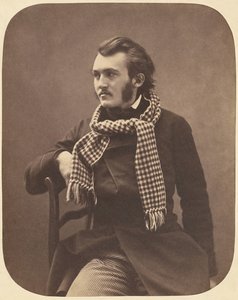
Doré
1832 - 1883 , Francia
Rövid információk
- Artistic Movement Or Style: Romanticizmus
- Artists Or Movements Influenced By This Artist: ['Van Gogh']
- Artists Who Influenced This Artist: ['Grandville']
- Date Of Birth: 1832 jan 6.
- Date Of Death: 1883 jan 23.
- Full Name: Paul Gustave Doré
- Nationality: Francia
- Notable Artworks:
- Don Quixote
- A galamb
- London: Egy út
- Dante pokla
- Paradise Lost
- Place Of Birth: Strasbourg, Francia
Kapcsolódó cikkek

10 Iconic Black and White Photographs That Changed Art History
Uncover the soul of monochrome. Explore 10 legendary black and white photography masterpieces that redefined art history. From iconic techniques to timeless stories, find museum-quality reproductions for inspired home decor. Discover all masterpieces on OriginalUniqueArt.com

10 Iconic Black and White Photos That Redefined Art History
Journey through time with 10 iconic black and white photography masterpieces. From Ansel Adams to Cartier-Bresson, explore the stories behind these timeless monochrome legends. Find museum-quality art reproductions for your decor at OriginalUniqueArt.com. Discover all masterpieces online.

A Fehér Szín Mesterei: 10 Híres Festmény, Amelyek Elvarázsolnak – OriginalUniqueArt.com
Fedezze fel a 10 legikonikusabb fehér tónusú festményt! Monet, Van Gogh és más mesterek alkotásainak története. Vászonképek, reprodukciók – inspiráció otthonába. OriginalUniqueArt.com: minőségi művészet online.
10 Iconic Black and White Photographs That Redefined Art History
Journey through history with 10 iconic black and white photography masterpieces. Explore the stories, techniques, and legendary artists behind these timeless monochrome works. Find museum-quality art reproductions for your space at OriginalUniqueArt.com. Discover all masterpieces online.

10 Iconic Black and White Photographs That Redefined Art History
Journey through time with 10 iconic black and white photography masterpieces. Explore the stories of legendary artists and timeless monochrome techniques. Find museum-quality art reproductions and curated decor inspiration at OriginalUniqueArt.com. Discover all masterpieces online.


