
 Megtekintés
 Küldés
 Megosztás
 Részletek
 Útmutató

 Letöltés
 Hasonló darabok
 X-ray felvétel
 Diavetítés
 Kérdések és válaszok
 Statisztika
Christ before Pilate

- 216.0 x 174.0 cm


 Összes részlet megjelenítése
Giclée / Műnyomat
Múzeumi minőségű giclée vagy vászonnyomat, gyors gyártással és rugalmas finomítási lehetőségekkel. ( Kézzel festett másolat rendelése Áttérés digitális képre)




P118B Ft10

P118H Ft10

P118W Ft10

P438Z Ft10

P508JH Ft12

P508YH Ft12

P805H Ft10

P805Z Ft10

P919BZ Ft10

P919G Ft10

P919XJ Ft10

P959ZH Ft10

P968JZ Ft12

W106C Ft8

W218G Ft10

W218JH Ft8

W218Y Ft10

W307PJ Ft10

W316G Ft10

W316PJ Ft8

W316Y Ft10

W398PJ Ft8

W4111J Ft10

W500HY Ft15

W500JH Ft15

W692G Ft12

W849H Ft8

W940BG Ft15

W953PJ Ft8




Válasszon előre meghatározott méreteink közül, amelyek megfelelnek a műalkotás eredeti arányainak.

Írja be a keretének vagy a falának megfelelő szélességet és magasságot. A nyomatot csak le lehet vágni, soha nem tehető nagyobbá, mint az eredeti kép, így egy eltérő alakú méretnél a kép egy része elveszik. Mielőtt bármit kinyatintanánk, küldünk egy digitális próbamodellt jóváhagyásra. Az oldalon látható kép nem tartalmazza a valós levágást — ezt csak a próbamodell mutatja meg.
Világszerte történő kiszállítás területére mindössze 2 hét alatt, a szokásos 4-5 hét helyett. (5 november)

Ingyenes globális expressz szállítás

Prémium minőségű len vászon

Teljes körű szállítási biztosítás

Vámvisszatérítési Garancia

Hiteles színarányosság garancia

100 napos visszaküldési lehetőség (csak hibás termékek esetén)

100% pénzvisszatérítési garancia

Több darab vásárlásakor kedvezmény
 Az üvegkeretes opció csak 110 cm alatti méretben érhető el

Christ before Pilate
Giclée / Műnyomat
Reprodukció mérete
-


Összesített ár
Ft 26492
The Weight of Judgment: Nicolaes Maes’s ‘Christ Before Pilate’
Nicolaes Maes's “Christ Before Pilate,” painted in 1649-50, isn’t merely a depiction of a biblical scene; it’s a masterclass in conveying psychological drama and the unsettling ambiguity of power. The painting immediately commands attention with its monumental scale – measuring an impressive 216 x 174 cm – drawing the viewer into a meticulously rendered tableau of apprehension and moral conflict. Maes, deeply influenced by Rembrandt's pioneering use of *chiaroscuro*, employs a dramatic interplay of light and shadow to sculpt the figures, creating a palpable sense of unease that permeates the entire composition. The muted palette, dominated by deep blues, browns, and ochres, contributes to this atmosphere of somber contemplation, while strategically placed highlights draw focus to key elements – Christ’s outstretched hands, Pilate's hesitant gaze, and the faces of the onlookers, each reflecting a complex blend of fear, curiosity, and indifference.
- Rembrandt’s Shadow: Maes’s apprenticeship under Rembrandt is undeniably evident. The masterful use of light to define form and create depth echoes Rembrandt's signature style, yet “Christ Before Pilate” possesses a distinctly more intimate and emotionally charged quality than many of the artist’s larger historical scenes.
- The Human Scale: Unlike the grand, theatrical compositions favored by some of his contemporaries, Maes presents this pivotal moment in Christian history with an almost unsettling sense of immediacy. The figures are rendered with remarkable realism, their faces etched with emotion and vulnerability – a deliberate choice that forces the viewer to confront the human cost of judgment.
- Compositional Tension: The arrangement of figures is carefully orchestrated to heighten the drama. Christ, positioned centrally, becomes the focal point of attention, while Pilate’s posture—a mixture of reluctance and resignation—suggests a profound internal struggle. The surrounding crowd, rendered in varying degrees of detail, represents the collective conscience of Jerusalem, caught between loyalty to Roman authority and compassion for the accused.
A Window into 17th-Century Dutch Society
“Christ Before Pilate” offers a fascinating glimpse into the social and religious landscape of 17th-century Holland. The painting reflects the burgeoning interest in biblical narratives within a society grappling with questions of morality, justice, and faith. The inclusion of details like the bowl and cup – symbols of earthly sustenance and ritual – subtly underscores the contrast between the spiritual significance of Christ’s sacrifice and the mundane realities of daily life. Furthermore, the presence of several onlookers—a soldier, a scribe, and a group of citizens—reflects the diverse social strata of Jerusalem at the time, highlighting the universal nature of human judgment and its potential for both righteousness and injustice.
Historical Context:Painted during a period of intense religious debate and political upheaval in Europe, “Christ Before Pilate” speaks to broader anxieties about authority, faith, and the role of the individual. The painting’s enduring appeal lies in its ability to resonate with viewers across centuries, prompting reflection on timeless questions of morality and responsibility.
Symbolism and Emotional Resonance
Beyond its historical context, “Christ Before Pilate” is rich in symbolic meaning. Christ's outstretched hands represent humility, sacrifice, and the acceptance of his fate. Pilate’s hesitant gaze embodies doubt, uncertainty, and the burden of leadership—a recognition that even those entrusted with power are not immune to moral dilemmas. The faces of the onlookers convey a spectrum of emotions – fear, indifference, curiosity, and perhaps even a flicker of hope – reflecting the complex human response to injustice. The painting’s overall effect is profoundly moving, evoking a sense of empathy for both Christ and Pilate, and prompting viewers to contemplate their own roles in the ongoing drama of human judgment.
Bringing ‘Christ Before Pilate’ into Your Space
Reproductions of Nicolaes Maes's “Christ Before Pilate” offer a remarkable opportunity to bring this powerful work of art into your home or office. Available in a range of sizes and framing options, our high-quality reproductions faithfully capture the painting’s dramatic intensity and nuanced details. Whether you are an art collector, an interior designer seeking to create a contemplative atmosphere, or simply someone who appreciates the beauty and emotional depth of classic art, a reproduction of “Christ Before Pilate” is sure to be a treasured addition to your collection. Consider pairing it with complementary colors and textures to enhance its impact – deep blues and browns will evoke the painting’s somber mood, while warm earth tones can create a sense of grounding and stability.
Kérdések és válaszok
Honnan érkeznek a „Christ before Pilate”, Nicolaes Maes alkotása látogatói?
A „Christ before Pilate”, Nicolaes Maes alkotása statisztikái a mű Statisztikák oldalán érhetőek el: a mű havi látogatottsága, a művész alkotásainak megtekintése, valamint a legutóbbi látogatók országos és nyelvi lebontása.
A „Christ before Pilate” művészeti alkotás mentes a szerzői jogoktól?
A szerzői jogokkal kapcsolatban a "Christ before Pilate" mű közösségi tulajdon – a szerzői jog lejártt.
Milyen típusú műalkotás „Christ before Pilate”, Nicolaes Maes alkotása?
A „Christ before Pilate”, Nicolaes Maes alkotása művészeti alkotás a WallArt kategóriába tartozik. Ez a besorolás határozza meg az eredeti alkotás típusát.
A művész életrajza
Nicolaes Maes (1634 - 1693): A Life Immersed in Dutch Light and Shadow
Nicolaes Maes, a name resonating softly within the pantheon of Dutch Golden Age masters, was born in Dordrecht in January 1634 into a world brimming with mercantile prosperity and artistic ferment. His father, Gerrit Maes, a successful cloth merchant and soap boiler, provided a comfortable upbringing, allowing young Nicolaes to pursue his burgeoning talent for painting. While early instruction came from a local artist of modest renown, the pivotal moment in Maes’s development arrived when he journeyed to Amsterdam around 1648 and entered the workshop of Rembrandt van Rijn. This apprenticeship proved transformative, imbuing him with an enduring appreciation for the dramatic interplay of light and shadow – *chiaroscuro* – and a masterful command of color that would define his early works. The influence was so profound that initial paintings, such as depictions of biblical scenes rendered with life-size figures and rich, glowing hues, were often mistakenly attributed to Rembrandt himself. These formative years laid the groundwork for a career marked by both technical brilliance and an intimate understanding of human emotion.Early Years and Rembrandt’s Influence
Nicolaes Maes' artistic journey began under the tutelage of Samuel van Hoogstraten, a former pupil of Rembrandt who resided in Dordrecht between 1648 and 1651. Although Van Hoogstraten’s instruction was modest compared to Rembrandt’s renown, it instilled in Maes a foundational understanding of perspective and draughtsmanship—skills that would prove invaluable throughout his subsequent artistic endeavors. More significantly, however, Maes absorbed Rembrandt's distinctive style – particularly his masterful use of *chiaroscuro* – which profoundly shaped his approach to painting. This influence is evident in his earliest works, notably “Christ Blessing the Children” (1652–53), where Maes skillfully employed dramatic lighting to convey both spiritual solemnity and palpable emotion. Initial assessments erroneously credited Rembrandt with authorship of this masterpiece, highlighting the remarkable similarity between Maes’s technique and his former master's oeuvre.From Dordrecht to Amsterdam: Genre Painting Takes Root
Returning to Dordrecht in 1654, Maes embarked on a path independent from direct emulation of Rembrandt, yet retaining the artist’s luminous palette and expressive dynamism. During this period, he honed his skills in domestic genre painting—scenes depicting everyday life within Dutch households—capturing the quiet dignity and subtle narratives woven into the fabric of daily existence. His fascination with lacemaking became a recurring motif, inspiring numerous variations on this theme that showcased Maes’s meticulous observation and artistic sensitivity. Paintings like “Woman Leaning Over a Lower Door” exemplify his ability to convey atmosphere and emotion through nuanced composition and color orchestration—techniques honed during his formative years alongside Rembrandt. These works stand apart from the grand historical canvases of their time, prioritizing intimacy and psychological realism over monumental scale or dramatic spectacle.The Amsterdam Period: Portraiture and Artistic Evolution
Around 1660 Maes relocated to Amsterdam, a move that signaled both artistic ambition and astute adaptation to the evolving art market. The city’s burgeoning demand for portraiture presented an opportunity for Maes to refine his technique and establish himself as one of its leading practitioners. Abandoning much of his earlier genre work—characterized by warm hues and sentimental emotion—Maes embraced a cooler palette and more restrained style, aligning himself with the aesthetic sensibilities championed by artists like Anthony van Dyck. This stylistic shift reflected a broader trend within Dutch painting during the 1660s, as artists sought to elevate elegance and sophistication above mere emotional expression. As Arnold Houbraken noted, Maes “learned the art of painting from Rembrandt but lost that way of painting early, particularly when he took up portraiture and discovered that young ladies preferred white to brown.” His portraits—such as “Mr. Henricus van Born” (c. 1685)—are distinguished by their meticulous detail, refined elegance, and psychological insight—demonstrating Maes’s mastery of capturing both physical likeness and inner character.Legacy and Enduring Significance
Nicolaes Maes passed away in Amsterdam in December 1693, leaving behind a substantial body of work that continues to captivate audiences today. His paintings offer invaluable insights into the social customs, domestic interiors, and psychological complexities of the Dutch Golden Age—a testament to his artistic vision and enduring legacy. Despite stylistic divergences from Rembrandt’s early style, Maes maintained an unwavering commitment to capturing human emotion with sensitivity and precision—a hallmark of his oeuvre that secures his place among the most influential painters of his era. His meticulous observation and masterful technique ensured that Nicolaes Maes' work would resonate for centuries to come, inspiring subsequent generations of artists and scholars alike. Today, his paintings are housed in prominent museums across Europe and North America, readily accessible for study and appreciation—a lasting tribute to a true master of Dutch Baroque art.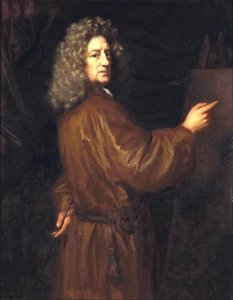
Nicolaes Maes
1634 - 1693 , Holland
Rövid információk
- Artistic Movement Or Style: Barokk
- Artists Or Movements Influenced By This Artist: ['De Hooch']
- Artists Who Influenced This Artist: ['Rembrandt van Rijn']
- Date Of Birth: 1634. január
- Full Name: Nicolaes Maes
- Nationality: Hollandi
- Notable Artworks:
- Krisztus áldása gyermekeknek
- Egy öreg nő pihenő helyén könyvvel
- Halál és szegény
- Place Of Birth: Dordrecht, Holland
Kapcsolódó cikkek
Nicolaes Berchem: Dutch Golden Age Pastoralism & the Evolution of Landscape Painting
Explore the captivating world of Nicolaes Berchem, a leading Dutch Golden Age painter. Discover his idyllic landscapes, masterful technique & lasting influence on art history. Learn more at OriginalUniqueArt.

A Hollandi Aranykor 10 Mesterműve: Festmények, Amelyek Megváltoztatták a Világot | OriginalUniqueArt.com
Fedezze fel a Hollandi Aranykor 10 legikonikusabb műalkotását! Rembrandt, Vermeer és más mesterek festményeinek történeteit olvassa el. Barokk stílus, klasszikus művészet – inspirálódjon otthon dekorációjához a OriginalUniqueArt.com-on! Fedezze fel a teljes gyűjteményt online.

A Hollandi Barokk 10 Mesterműve: Festmények, Amelyek Megváltoztatták a Világot | OriginalUniqueArt
Fedezze fel a holland barokk 10 legikonikusabb műalkotását! Rembrandt, Vermeer és más mesterek festményeinek története, technikája és időtálló szépsége. Művészeti reprodukciók prémium minőségben – OriginalUniqueArt.com.

Golden Light & Dutch Skies: The Timeless Magic of Dutch Golden Age Landscapes
Discover the breathtaking beauty of Dutch Golden Age landscapes. Explore the mastery of light, chiaroscuro, and 17th-century realism through an expert art history lens, celebrating the enduring legacy of the Dutch Masters for discerning collectors and art lovers.

Mastering Light & Shadow: A Journey Through the Dutch Golden Age's Luminous Legacy
Embark on a cultural journey through the Dutch Golden Age. Explore the masterful interplay of light and shadow in 17th-century masterpieces, from Rembrandt to Vermeer, and discover how this era of profound realism continues to inspire fine art collectors today.
