Nicolaes Maes (1634 - 1693): A Life Immersed in Dutch Light and Shadow
Nicolaes Maes, a name resonating softly within the pantheon of Dutch Golden Age masters, was born in Dordrecht in January 1634 into a world brimming with mercantile prosperity and artistic ferment. His father, Gerrit Maes, a successful cloth merchant and soap boiler, provided a comfortable upbringing, allowing young Nicolaes to pursue his burgeoning talent for painting. While early instruction came from a local artist of modest renown, the pivotal moment in Maes’s development arrived when he journeyed to Amsterdam around 1648 and entered the workshop of Rembrandt van Rijn. This apprenticeship proved transformative, imbuing him with an enduring appreciation for the dramatic interplay of light and shadow – *chiaroscuro* – and a masterful command of color that would define his early works. The influence was so profound that initial paintings, such as depictions of biblical scenes rendered with life-size figures and rich, glowing hues, were often mistakenly attributed to Rembrandt himself. These formative years laid the groundwork for a career marked by both technical brilliance and an intimate understanding of human emotion.Early Years and Rembrandt’s Influence
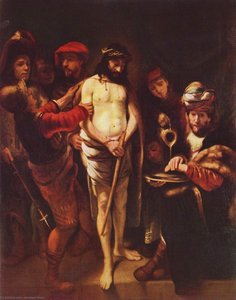
Nicolaes Maes' artistic journey began under the tutelage of Samuel van Hoogstraten, a former pupil of Rembrandt who resided in Dordrecht between 1648 and 1651. Although Van Hoogstraten’s instruction was modest compared to Rembrandt’s renown, it instilled in Maes a foundational understanding of perspective and draughtsmanship—skills that would prove invaluable throughout his subsequent artistic endeavors. More significantly, however, Maes absorbed Rembrandt's distinctive style – particularly his masterful use of *chiaroscuro* – which profoundly shaped his approach to painting. This influence is evident in his earliest works, notably “Christ Blessing the Children” (1652–53), where Maes skillfully employed dramatic lighting to convey both spiritual solemnity and palpable emotion. Initial assessments erroneously credited Rembrandt with authorship of this masterpiece, highlighting the remarkable similarity between Maes’s technique and his former master's oeuvre.From Dordrecht to Amsterdam: Genre Painting Takes Root
Returning to Dordrecht in 1654, Maes embarked on a path independent from direct emulation of Rembrandt, yet retaining the artist’s luminous palette and expressive dynamism. During this period, he honed his skills in domestic genre painting—scenes depicting everyday life within Dutch households—capturing the quiet dignity and subtle narratives woven into the fabric of daily existence. His fascination with lacemaking became a recurring motif, inspiring numerous variations on this theme that showcased Maes’s meticulous observation and artistic sensitivity. Paintings like “Woman Leaning Over a Lower Door” exemplify his ability to convey atmosphere and emotion through nuanced composition and color orchestration—techniques honed during his formative years alongside Rembrandt. These works stand apart from the grand historical canvases of their time, prioritizing intimacy and psychological realism over monumental scale or dramatic spectacle.The Amsterdam Period: Portraiture and Artistic Evolution
Around 1660 Maes relocated to Amsterdam, a move that signaled both artistic ambition and astute adaptation to the evolving art market. The city’s burgeoning demand for portraiture presented an opportunity for Maes to refine his technique and establish himself as one of its leading practitioners. Abandoning much of his earlier genre work—characterized by warm hues and sentimental emotion—Maes embraced a cooler palette and more restrained style, aligning himself with the aesthetic sensibilities championed by artists like Anthony van Dyck. This stylistic shift reflected a broader trend within Dutch painting during the 1660s, as artists sought to elevate elegance and sophistication above mere emotional expression. As Arnold Houbraken noted, Maes “learned the art of painting from Rembrandt but lost that way of painting early, particularly when he took up portraiture and discovered that young ladies preferred white to brown.” His portraits—such as “Mr. Henricus van Born” (c. 1685)—are distinguished by their meticulous detail, refined elegance, and psychological insight—demonstrating Maes’s mastery of capturing both physical likeness and inner character.Legacy and Enduring Significance
Nicolaes Maes passed away in Amsterdam in December 1693, leaving behind a substantial body of work that continues to captivate audiences today. His paintings offer invaluable insights into the social customs, domestic interiors, and psychological complexities of the Dutch Golden Age—a testament to his artistic vision and enduring legacy. Despite stylistic divergences from Rembrandt’s early style, Maes maintained an unwavering commitment to capturing human emotion with sensitivity and precision—a hallmark of his oeuvre that secures his place among the most influential painters of his era. His meticulous observation and masterful technique ensured that Nicolaes Maes' work would resonate for centuries to come, inspiring subsequent generations of artists and scholars alike. Today, his paintings are housed in prominent museums across Europe and North America, readily accessible for study and appreciation—a lasting tribute to a true master of Dutch Baroque art.Kérdések és válaszok
Megtekinthető Nicolaes Maes művei technikánként csoportosítva?
A Minden médium oldalon Nicolaes Maes művei technikák szerint vannak csoportosítva.
Milyen hangulatokat közvetítenek Nicolaes Maes művei?
Nicolaes Maes művei hangulat alapján is böngészhetők a művész Hangulatok szobája oldalán, amely az alkotásokat az átélhető hangulatuk szerint csoportosítja.
Látogathatom Nicolaes Maes műveinek virtuális múzeumát?
Nicolaes Maes művei megtekinthetők a művész virtuális, 3D-s galériájában, a 3D Galéria oldalon.