
 Megtekintés
 Küldés
 Megosztás
 Részletek
 Útmutató

 Letöltés
 Hasonló darabok
 X-ray felvétel
 Diavetítés
 Kérdések és válaszok
 Statisztika
A Szövőnő


 Összes részlet megjelenítése
Giclée / Műnyomat
Múzeumi minőségű giclée vagy vászonnyomat, gyors gyártással és rugalmas finomítási lehetőségekkel. ( Kézzel festett másolat rendelése Áttérés digitális képre)




P118B Ft10

P118H Ft10

P118W Ft10

P438Z Ft10

P508JH Ft12

P508YH Ft12

P805H Ft10

P805Z Ft10

P919BZ Ft10

P919G Ft10

P919XJ Ft10

P959ZH Ft10

P968JZ Ft12

W106C Ft8

W218G Ft10

W218JH Ft8

W218Y Ft10

W307PJ Ft10

W316G Ft10

W316PJ Ft8

W316Y Ft10

W398PJ Ft8

W4111J Ft10

W500HY Ft15

W500JH Ft15

W692G Ft12

W849H Ft8

W940BG Ft15

W953PJ Ft8




Válasszon előre meghatározott méreteink közül, amelyek megfelelnek a műalkotás eredeti arányainak.

Írja be a keretének vagy a falának megfelelő szélességet és magasságot. A nyomatot csak le lehet vágni, soha nem tehető nagyobbá, mint az eredeti kép, így egy eltérő alakú méretnél a kép egy része elveszik. Mielőtt bármit kinyatintanánk, küldünk egy digitális próbamodellt jóváhagyásra. Az oldalon látható kép nem tartalmazza a valós levágást — ezt csak a próbamodell mutatja meg.
Világszerte történő kiszállítás területére mindössze 2 hét alatt, a szokásos 4-5 hét helyett. (5 november)

Ingyenes globális expressz szállítás

Prémium minőségű len vászon

Teljes körű szállítási biztosítás

Vámvisszatérítési Garancia

Hiteles színarányosság garancia

100 napos visszaküldési lehetőség (csak hibás termékek esetén)

100% pénzvisszatérítési garancia

Több darab vásárlásakor kedvezmény
 Az üvegkeretes opció csak 110 cm alatti méretben érhető el

A Szövőnő
Giclée / Műnyomat
Reprodukció mérete
-


Összesített ár
Ft 26492
Nicolaes Maes Mestere: A Napfény és Az Élet Színtere
Nicolaes Maes, a holland festészet legendás alakja, a 17. század egyik legjelentősebb képzőművésze, aki a holland fények és árnyékok mesterségét ápolta. 1634-ben született Dordrechtben, egy kereskedelmi családban, melynek gazdagsága lehetővé tette számára, hogy a művészet iránti szenvedélyét követesse. Korai évei Rembrandt van Rijn műtermében töltöttek, ahol a mester tanítása mély nyomot hagyott benne: az életre szóló, dinamikus fény és árnyék játékra való odaadást. Maes stílusa azonnal felismerhető – a részletesség, a realista ábrázolás, és a karakterek belső világának érzékelése. A festményekben gyakran megjelenő, nyugodt életmód jelenetei, a hétköznapi tevékenységek, mint például a szőnművészet, a konyhai munka, vagy a gyermeknevelés, mind-mind a holland művésztől elvárt széleskörű témakörhöz tartoznak.
A képen látható "A Szőnműves Asszony" (1655) egy igazi példa Maes stílusára: a holland életmód részleteinek precíz ábrázolása, a karakterek belső világának érzékelése. A festmény a holland társadalmi normáihoz illő asszonyt mutat be, aki a háztartás feladatait végez – a szövés-szálogatást, a konyhai munkát, vagy a gyermeknevelést – nyugodt és kitartóan.
A Festmény Detaily: A Szín, A Textúra, Az Érzelem
A festmény részletei lenyűgözőek. Maes mesteri a fény és árnyék játékával, mely mélységet és háromdimenziósságot kölcsönöz a képre. A szőnműves asszony arcán, ruháin, a szövés-szálogatás apró részleteiben minden egyes elem élesen kidolgozott. A festő gondosan ábrázolta a selymes gyapjú textúráját, a szövés-szálogatás ritmusát, és a háttér árnyékait. A ruhák színei – a fehér blúz, a piros bodice – kiemelkednek a környezetből, de nem dominálnak, hanem harmonikusan illeszkednek a képkompozícióba. A festő ügyesen használta a perspektívát és a kompozíciót, hogy a képernyőre beépített egy életszerű, dinamikus jelenetet.
- A szőnműves asszony arcán megjelenő koncentrált kifejezés.
- A szövés-szálogatás eszközének apró részleteinek precíz ábrázolása.
- A fény és árnyék játékának alkalmazása a kép mélységét és háromdimenziósságát növelve.
Történeti Kontekstus: A Hollandia Aranykorának Színei
“A Szőnműves Asszony” festménye a holland művészet virágzásának időszakában készült, a 17. században. Ebben az időszakban a holland művészek a realista ábrázolásra és a hétköznapi élet jeleneteinek megörökítésére helyeztek hangsúlyt. Maes festménye egy olyan korszakra nyújt betekintést, amikor a házi munka, a család és a közösség volt a holland társadalom alapja. A festményben megjelenő asszonyok nem csak a háztartás feladatait végeznek, hanem a holland értékek – a szorgalom, a becsületesség, a vallásosság – is tükröződnek rajtuk.
A Reprodukció: Egy Mestermű Megörökítése
OriginalUniqueArt.com kínálja a legmagasabb minőségű, kézi festett reprodukéját Nicolaes Maes “A Szőnműves Asszony” című alkotásáról. A részletesen megmunkált reprodukció lehetővé teszi, hogy élvezhesd a holland művész mesteri munkáját otthonod falain is. Ez a festmény nem csupán egy kép, hanem egy történelmi és kulturális érték, melynek megőrzése és megosztása fontos számunkra.
Kérdések és válaszok
A "A Szövőnő" alkotója honában található-e?
Nem – a műtárgy külföldön található. Nicolaes Maes születési országa Holland, a „A Szövőnő” eredeti művét pedig Netherlands-ban tároló múzeum található.
Ismertebb műalkotás a „A Szövőnő”, Nicolaes Maes alkotása?
A "A Szövőnő" mű a Elismert kategóriába sorolható.
Hová sorolható a "A Szövőnő" Nicolaes Maes ismétlődő témái közé?
A "A Szövőnő" a spinning, woman, domesticity, 17thcentury, yarn, craftsmanship, netherlands ábrázol, míg Nicolaes Maes dokumentált témái a rembrandt’s light, dutch values, domestic life, genre scenes, portraiture. A kettő összevetése megmutatja, hogyan kapcsolódik ez a mű a művész megszokott motívumaihoz.
A művész életrajza
Nicolaes Maes (1634 - 1693): A Life Immersed in Dutch Light and Shadow
Nicolaes Maes, a name resonating softly within the pantheon of Dutch Golden Age masters, was born in Dordrecht in January 1634 into a world brimming with mercantile prosperity and artistic ferment. His father, Gerrit Maes, a successful cloth merchant and soap boiler, provided a comfortable upbringing, allowing young Nicolaes to pursue his burgeoning talent for painting. While early instruction came from a local artist of modest renown, the pivotal moment in Maes’s development arrived when he journeyed to Amsterdam around 1648 and entered the workshop of Rembrandt van Rijn. This apprenticeship proved transformative, imbuing him with an enduring appreciation for the dramatic interplay of light and shadow – *chiaroscuro* – and a masterful command of color that would define his early works. The influence was so profound that initial paintings, such as depictions of biblical scenes rendered with life-size figures and rich, glowing hues, were often mistakenly attributed to Rembrandt himself. These formative years laid the groundwork for a career marked by both technical brilliance and an intimate understanding of human emotion.Early Years and Rembrandt’s Influence
Nicolaes Maes' artistic journey began under the tutelage of Samuel van Hoogstraten, a former pupil of Rembrandt who resided in Dordrecht between 1648 and 1651. Although Van Hoogstraten’s instruction was modest compared to Rembrandt’s renown, it instilled in Maes a foundational understanding of perspective and draughtsmanship—skills that would prove invaluable throughout his subsequent artistic endeavors. More significantly, however, Maes absorbed Rembrandt's distinctive style – particularly his masterful use of *chiaroscuro* – which profoundly shaped his approach to painting. This influence is evident in his earliest works, notably “Christ Blessing the Children” (1652–53), where Maes skillfully employed dramatic lighting to convey both spiritual solemnity and palpable emotion. Initial assessments erroneously credited Rembrandt with authorship of this masterpiece, highlighting the remarkable similarity between Maes’s technique and his former master's oeuvre.From Dordrecht to Amsterdam: Genre Painting Takes Root
Returning to Dordrecht in 1654, Maes embarked on a path independent from direct emulation of Rembrandt, yet retaining the artist’s luminous palette and expressive dynamism. During this period, he honed his skills in domestic genre painting—scenes depicting everyday life within Dutch households—capturing the quiet dignity and subtle narratives woven into the fabric of daily existence. His fascination with lacemaking became a recurring motif, inspiring numerous variations on this theme that showcased Maes’s meticulous observation and artistic sensitivity. Paintings like “Woman Leaning Over a Lower Door” exemplify his ability to convey atmosphere and emotion through nuanced composition and color orchestration—techniques honed during his formative years alongside Rembrandt. These works stand apart from the grand historical canvases of their time, prioritizing intimacy and psychological realism over monumental scale or dramatic spectacle.The Amsterdam Period: Portraiture and Artistic Evolution
Around 1660 Maes relocated to Amsterdam, a move that signaled both artistic ambition and astute adaptation to the evolving art market. The city’s burgeoning demand for portraiture presented an opportunity for Maes to refine his technique and establish himself as one of its leading practitioners. Abandoning much of his earlier genre work—characterized by warm hues and sentimental emotion—Maes embraced a cooler palette and more restrained style, aligning himself with the aesthetic sensibilities championed by artists like Anthony van Dyck. This stylistic shift reflected a broader trend within Dutch painting during the 1660s, as artists sought to elevate elegance and sophistication above mere emotional expression. As Arnold Houbraken noted, Maes “learned the art of painting from Rembrandt but lost that way of painting early, particularly when he took up portraiture and discovered that young ladies preferred white to brown.” His portraits—such as “Mr. Henricus van Born” (c. 1685)—are distinguished by their meticulous detail, refined elegance, and psychological insight—demonstrating Maes’s mastery of capturing both physical likeness and inner character.Legacy and Enduring Significance
Nicolaes Maes passed away in Amsterdam in December 1693, leaving behind a substantial body of work that continues to captivate audiences today. His paintings offer invaluable insights into the social customs, domestic interiors, and psychological complexities of the Dutch Golden Age—a testament to his artistic vision and enduring legacy. Despite stylistic divergences from Rembrandt’s early style, Maes maintained an unwavering commitment to capturing human emotion with sensitivity and precision—a hallmark of his oeuvre that secures his place among the most influential painters of his era. His meticulous observation and masterful technique ensured that Nicolaes Maes' work would resonate for centuries to come, inspiring subsequent generations of artists and scholars alike. Today, his paintings are housed in prominent museums across Europe and North America, readily accessible for study and appreciation—a lasting tribute to a true master of Dutch Baroque art.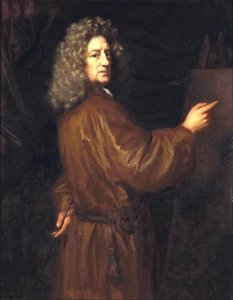
Nicolaes Maes
1634 - 1693 , Holland
Rövid információk
- Artistic Movement Or Style: Barokk
- Artists Or Movements Influenced By This Artist: ['De Hooch']
- Artists Who Influenced This Artist: ['Rembrandt van Rijn']
- Date Of Birth: 1634. január
- Full Name: Nicolaes Maes
- Nationality: Hollandi
- Notable Artworks:
- Krisztus áldása gyermekeknek
- Egy öreg nő pihenő helyén könyvvel
- Halál és szegény
- Place Of Birth: Dordrecht, Holland
Kapcsolódó cikkek

Mastering Light & Shadow: A Journey Through the Dutch Golden Age's Luminous Legacy
Embark on a cultural journey through the Dutch Golden Age. Explore the masterful interplay of light and shadow in 17th-century masterpieces, from Rembrandt to Vermeer, and discover how this era of profound realism continues to inspire fine art collectors today.

Golden Age Reflections: Dutch Baroque Painting & Cultural Innovation
Explore the Dutch Golden Age of painting! Discover key artists like Vermeer & ter Borch, their innovative techniques, and the rich cultural context behind these Baroque masterpieces. Learn about collecting & appreciating this iconic art period.
Nicolaes Berchem: Dutch Golden Age Pastoralism & the Evolution of Landscape Painting
Explore the captivating world of Nicolaes Berchem, a leading Dutch Golden Age painter. Discover his idyllic landscapes, masterful technique & lasting influence on art history. Learn more at OriginalUniqueArt.

Golden Light & Dutch Skies: The Timeless Magic of Dutch Golden Age Landscapes
Discover the breathtaking beauty of Dutch Golden Age landscapes. Explore the mastery of light, chiaroscuro, and 17th-century realism through an expert art history lens, celebrating the enduring legacy of the Dutch Masters for discerning collectors and art lovers.

A Hollandi Aranykor 10 Mesterműve: Festmények, Amelyek Megváltoztatták a Világot | OriginalUniqueArt.com
Fedezze fel a Hollandi Aranykor 10 legikonikusabb műalkotását! Rembrandt, Vermeer és más mesterek festményeinek történeteit olvassa el. Barokk stílus, klasszikus művészet – inspirálódjon otthon dekorációjához a OriginalUniqueArt.com-on! Fedezze fel a teljes gyűjteményt online.
