
 Megtekintés
 Küldés
 Megosztás
 Részletek
 Útmutató

 Letöltés
 Hasonló darabok
 X-ray felvétel
 Diavetítés
 Q&A
Q&A Statisztika
Szélköszöntő Szellemökörök


 Összes részlet megjelenítése
Giclée / Műnyomat
Múzeumi minőségű giclée vagy vászonnyomat, gyors gyártással és rugalmas finomítási lehetőségekkel. ( Kézzel festett másolat rendelése Áttérés digitális képre)




P118B Ft10

P118H Ft10

P118W Ft10

P438Z Ft10

P508JH Ft12

P508YH Ft12

P805H Ft10

P805Z Ft10

P919BZ Ft10

P919G Ft10

P919XJ Ft10

P959ZH Ft10

P968JZ Ft12

W106C Ft8

W218G Ft10

W218JH Ft8

W218Y Ft10

W307PJ Ft10

W316G Ft10

W316PJ Ft8

W316Y Ft10

W398PJ Ft8

W4111J Ft10

W500HY Ft15

W500JH Ft15

W692G Ft12

W849H Ft8

W940BG Ft15

W953PJ Ft8




Válasszon előre meghatározott méreteink közül, amelyek megfelelnek a műalkotás eredeti arányainak.

Írja be a keretének vagy a falának megfelelő szélességet és magasságot. A nyomatot csak le lehet vágni, soha nem tehető nagyobbá, mint az eredeti kép, így egy eltérő alakú méretnél a kép egy része elveszik. Mielőtt bármit kinyatintanánk, küldünk egy digitális próbamodellt jóváhagyásra. Az oldalon látható kép nem tartalmazza a valós levágást — ezt csak a próbamodell mutatja meg.
Világszerte történő kiszállítás területére mindössze 2 hét alatt, a szokásos 4-5 hét helyett. (3 november)

Ingyenes globális expressz szállítás

Prémium minőségű len vászon

Teljes körű szállítási biztosítás

Vámvisszatérítési Garancia

Hiteles színarányosság garancia

100 napos visszaküldési lehetőség (csak hibás termékek esetén)

100% pénzvisszatérítési garancia

Több darab vásárlásakor kedvezmény
 Az üvegkeretes opció csak 110 cm alatti méretben érhető el

Szélköszöntő Szellemökörök
Giclée / Műnyomat
Reprodukció mérete
-


Összesített ár
Ft 26201
Whispers of Deserts: A Journey into Roereich’s Mystical Landscape
Nicholas Roereich's "Whispers of Deserts" isn’t merely a depiction of arid terrain; it’s an invitation to contemplate the profound connection between humanity and the cosmos. Painted sometime in the 1930s, this monumental oil on canvas embodies Roereich’s signature Himalayan style—a blend of meticulous observation and visionary interpretation—capturing the essence of spiritual contemplation amidst the stark beauty of the desert landscape.
The painting immediately draws the eye with its dominant palette of deep blues and purples, hues that evoke the immensity of twilight skies and instill a sense of solemn grandeur. These cool tones are skillfully contrasted by the warm glow emanating from a central campfire, symbolizing resilience, warmth, and communal connection against the backdrop of darkness.
- Subject Matter: The scene portrays a group of figures huddled around a fire in a desert environment, emphasizing human vulnerability yet simultaneously highlighting unity within a larger context.
- Style: Roereich’s style is characterized by its meticulous detail and symbolic representation—a hallmark of his Himalayan aesthetic. He sought to capture not just what he saw but also what he felt, translating inner experience into visual form.
- Technique: Employing a glazing technique—layer upon layer of translucent paint—Roereich achieved remarkable luminosity and depth. This painstaking process allowed him to imbue the canvas with an ethereal quality, mirroring the spiritual atmosphere he wished to convey.
The mountains looming in the distance serve as powerful visual anchors, representing stability and permanence against the transient nature of human existence. Their peaks pierce through the sky, symbolizing aspiration and transcendence—themes central to Roereich’s philosophical worldview.
Historical Context: Created during a period marked by increasing anxieties about global conflict and the looming shadow of totalitarian regimes, “Whispers of Deserts” reflects Roereich’s unwavering belief in the importance of inner harmony and cultural preservation. He envisioned art as a tool for fostering understanding between civilizations and promoting spiritual enlightenment—a conviction that underpinned his entire artistic practice.Ultimately, “Whispers of Deserts” transcends mere representation; it’s a testament to Roereich’s profound spiritual vision—a reminder that beauty can be found even in the harshest environments and that art possesses the power to illuminate our inner landscapes. It speaks to a broader humanist impulse, urging viewers to reconnect with nature and contemplate the mysteries of existence.
Symbolism: Beyond its visual splendor, “Whispers of Deserts” is laden with symbolic meaning. The campfire represents warmth, comfort, and human connection—vital elements for survival and spiritual growth. Simultaneously, it symbolizes illumination, dispelling darkness and guiding individuals toward truth. Roereich’s use of color—particularly the blues and purples—is deeply rooted in Himalayan mysticism, where these hues are associated with divine consciousness and cosmic harmony.
- Emotional Impact: Roereich’s masterful composition evokes a feeling of quiet contemplation—a desire to escape the pressures of daily life and immerse oneself in the grandeur of the natural world.
- Interior Design Considerations: The painting's serene palette and evocative imagery would lend itself beautifully to interior spaces seeking tranquility and inspiration, particularly those incorporating earthy tones and natural textures.
Kérdések és válaszok
Milyen kontraszt jellemzi a „Szélköszöntő Szellemökörök”, Roerich, Nicholas alkotása alkotást?
A „Szélköszöntő Szellemökörök”, Roerich, Nicholas alkotása kontrasztját Érintésmentes teszi.
Szélköszöntő Szellemökörök színei erőteljesnek vagy lágynak tűnnek?
A "Szélköszöntő Szellemökörök" színtelítettsége Egyensúlyos. Az intenzitás azt mutatja meg, mennyire erőteljesnek tűnnek a színek.
Van-e rozšíngtott valóság (AR) előnézete a(z) "Szélköszöntő Szellemökörök" alkotásnak?
A „Szélköszöntő Szellemökörök”, Roerich, Nicholas alkotása mű kiterjesztett valóság technológiával, egy kompatibilis eszközön keresztül, a mű Kiterjesztett valóság előnézet oldalán megtekinthető a saját falán is.
A művész életrajza
A Life Immersed in Art and Spirit
Nicholas Roerich, born October 9, 1874, in the vibrant cultural heart of Saint Petersburg, Russia, was a figure whose life transcended the boundaries of artistic expression. He wasn’t merely a painter; he was an archaeologist, a writer, a philosopher, and a tireless advocate for peace and cultural preservation. His upbringing, steeped in both intellectual rigor – his father was a notary public – and artistic appreciation thanks to his mother, laid the foundation for a remarkably multifaceted career. Roerich simultaneously pursued studies in law and art at St. Petersburg University and the Imperial Academy of Arts beginning in 1893, demonstrating an early commitment to a broad understanding of the world. This dual path wasn’t contradictory for him; rather, it reflected a belief that artistic vision needed grounding in historical context and intellectual discipline. He received his artist designation in 1897 and completed his law degree the following year, setting the stage for a life dedicated to both creative exploration and reasoned action.The Allure of Symbolism and Theatrical Innovation
Roerich’s artistic development was profoundly shaped by the currents of Russian Symbolism, a movement that sought to evoke emotional and spiritual depths through evocative imagery and suggestive forms. He quickly became involved with Sergei Diaghilev's influential “World of Art” society, eventually assuming its presidency from 1910 to 1916. This association proved pivotal, exposing him to a network of innovative artists, composers, and thinkers who were redefining the landscape of Russian art. His early work revealed a fascination with archaeology and stage design, leading to groundbreaking collaborations with Diaghilev’s Ballets Russes. Roerich's designs for productions like Alexander Borodin's *Prince Igor* (1909) and, most famously, Igor Stravinsky’s revolutionary *The Rite of Spring* (1913), were not simply backdrops; they were integral components of the theatrical experience. He blended meticulous historical research with a bold imaginative vision, creating visually stunning environments that amplified the emotional power of the music and choreography. These designs weren't merely decorative; they were attempts to evoke primordial forces and ancient rituals, reflecting the Symbolist interest in myth and spirituality. His work was also influenced by apocrypha and medieval sectarian writings like the Dove Book, adding layers of esoteric meaning to his artistic creations.A Journey Towards Mysticism and Himalayan Visions
As Roerich’s career progressed, his paintings underwent a significant transformation, increasingly embracing mystical and spiritual themes. This shift was fueled by his growing interest in Theosophy and Eastern religions, philosophies that emphasized the interconnectedness of all things and the pursuit of inner wisdom. His *Architectural Studies* series (1904–1905) showcased not only his architectural skill but also a deep commitment to preserving cultural heritage, foreshadowing his later advocacy for protecting art during times of conflict. Recurring motifs began to emerge in his work: majestic landscapes, ancient cities shrouded in mystery, and figures imbued with spiritual significance like St. Panteleimon and Kuan Yin. He embarked on extensive travels throughout Central Asia, conducting archaeological research and documenting ancient cultures, experiences that deeply informed his artistic vision and reinforced his belief in the importance of cultural understanding. The Himalayas became a central subject in his paintings, representing not just a geographical location but a realm of profound spiritual power and enlightenment.Key Works & Continuing Relevance
- Saint Nicholas: A detailed monochrome mural showcasing medieval art and heraldic symbolism.
- City: Evocative depictions of ancient urban landscapes, reflecting his archaeological interests.
- Lake of the Nagas: A tempera painting blending symbolism and nature, exemplifying his unique artistic vision.
A Pioneer of Cultural Preservation
Beyond his artistic achievements, Nicholas Roerich was a passionate advocate for the protection of cultural treasures. Recognizing the devastating impact of war on art and architecture, he dedicated much of his life to promoting international cooperation in safeguarding these invaluable legacies. He spearheaded the creation of the Roerich Pact in 1935 – an international treaty designed to prevent the destruction of cultural objects during armed conflicts. This initiative garnered him widespread recognition and numerous nominations for the Nobel Peace Prize, underscoring his profound humanitarianism and commitment to a world where culture is valued and protected. His tireless efforts stand as a testament to the belief that art and heritage are essential components of human civilization, deserving of our utmost care and respect.
Roerich, Nicholas
1874 - 1947 , Oroszország
Rövid információk
- Artistic Movement Or Style: Szimbolizmus, Spirituális művészet
- Artists Or Movements Influenced By This Artist: ['Orosz szimbolizmus']
- Artists Who Influenced This Artist:
- Diaghilev
- Stasov
- Date Of Birth: 1874. okt. 9.
- Date Of Death: 1947. dec. 13.
- Full Name: Nicholas Roerich
- Nationality: Orosz
- Notable Artworks:
- Szent Miklós
- Város
- Nagas-tavaszi tó
- Place Of Birth: Szentpétervár, Oroszország
Kapcsolódó cikkek

Moonlit Magic: Elevate Your Newlywed Sanctuary with the Timeless Allure of Night Landscape Art
Create a romantic sanctuary with enchanting moonlit landscape art from OriginalUniqueArt.com. From Van Gogh-inspired swirls to bespoke wedding portraits, our hand-painted oil reproductions bring timeless magic to your new home. Discover museum-quality beauty for your forever space.
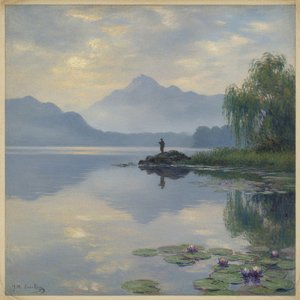
Capturing Stillness: A Curated Exploration of the Most Iconic Lake Landscapes in Art History
Journey through art history's most serene lake landscapes. From Romantic vistas to light-drenched Impressionist waters, discover the stories behind these iconic masterpieces and find museum-quality, hand-painted oil reproductions for your private collection.

John Constable 25 Mesterműve: A Természet Lényege Vászonon – OriginalUniqueArt.com
Fedezze fel John Constable 25 legszebb művészeti alkotását! Ismerje meg a romantika ikonikus tájképeit, Dedham Vale szépségét és a természet lenyűgöző ábrázolásait. Vászonkép reprodukcióinkkal eleganciát csempészhet otthonába – OriginalUniqueArt.com

Evocations of Place: A Historical Journey Through Landscape Art
Explore the rich history of landscape art with OriginalUniqueArt. Discover renowned artists, movements like Impressionism & Romanticism, and expert guidance for collecting timeless pieces. Find your perfect serene escape today!

A Romantikus Tájképfestészet 10 Legikonikusabb Műalkotása – OriginalUniqueArt.com
Fedezze fel a romantikus tájképfestészet 10 legikonikusabb műalkotását! Caspar David Friedrich, J.M.W. Turner és más mesterek festményeinek története – inspiráló olajfestmények otthonába. OriginalUniqueArt.com: múzeumi minőségű reprodukciók és egyedi dekorációk online.


