Megtekintés
 Küldés
 Megosztás
 Részletek

 Letöltés
 Hasonló darabok
 X-ray felvétel
 Diavetítés
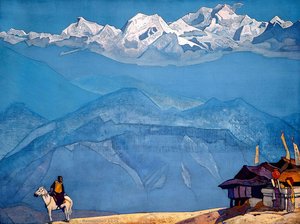
fehér követ

 Összes részlet megjelenítése
Kézzel készített olajfestmény reprodukció
Kézzel festett olajvastú vászon, az Ön által választott méretben és keretben, művészeink készítik meglévőre. ( Nyomat rendelése Kép letöltése)




P118B $10

P118H $10

P118W $10

P438Z $10

P508JH $12

P508YH $12

P805H $10

P805Z $10

P919BZ $10

P919G $10

P919XJ $10

P959ZH $10

P968JZ $12

W106C $8

W218G $10

W218JH $8

W218Y $10

W307PJ $10

W316G $10

W316PJ $8

W316Y $10

W398PJ $8

W4111J $10

W500HY $15

W500JH $15

W692G $12

W849H $8

W940BG $15

W953PJ $8




Válasszon előre meghatározott méreteink közül, amelyek megfelelnek a műalkotás eredeti arányainak.

Ön megadhat saját méreteket egy adott kerethez vagy térhez igazításhoz. Ha a kiválasztott méret nem egyezik az eredeti kép arányával, akkor a műalkotást levágjuk, vagy további kézzel festett elemekkel meghosszabbítjuk a festményt. A gyártás megkezdése előtt küldünk Önnek egy digitális előnézetet jóváhagyásra.
Kérjük, vegye figyelembe, hogy a képernyőn megjelenő előnézet nem tükrözi a tényleges vágást vagy kiterjesztést. Csak az előnézet fog pontosan mutatni a végső kompozíciót.
Bár egyedi méretek állnak rendelkezésre, javasoljuk, hogy válasszon egy méretet az előre meghatározott listából az eredeti arányok megőrzése érdekében.
A rendelést követően a OriginalUniqueArt.com csapata e-mailt küld az ügyfélnek az instrukciókért, és biztosít egy előnézeti képet (mockup).
Világszerte elérhető szállítás () 3-4 hét alatt a szokásos 5 hét helyett. (14 augusztus). A minőség nem kérdőjelezhető.

Ingyenes globális expressz szállítás

Prémium minőségű len vászon

Teljes körű szállítási biztosítás

Vámvisszatérítési Garancia

Hiteles színpontosság garancia

60 napos visszaküldési lehetőség (csak hibás termékek esetén)

100% pénzvisszatérítési garancia

Több darab vásárlása esetén kedvezmény
 Az üvegkeretes opció csak 110 cm alatti méretben érhető el

fehér követ
Reprodukciós technika
Reprodukció mérete
-


Összesített ár
$ 300
A műalkotás leírása
Egy meditáció erő és kitartásról: Mélyültetés Nicholas Roerich “Fehér Szלעről”
A Nicolas Roerich által alkotott “Fehér Szלעr” művészi darab nem csak egy képmegjelenítés; hanem egy művészi kifejezés szellemi filozófiájának vizuális megtestesítője, mely természetesen mesteri kivitelezéssel párosul. Körülbelül 1920 és 1930 között keletkezett ez a monumentális vászonkép – egy nyugodt kontempláció kétségtelen jelenetét ábrázolja: Egy ló és lovagló áll egy hatalmas szלעr előtt, mely borúlátványos égbolt alatt helyezkedik el –, mégis számos szimbólum jelentéssel telítőül rendelkezik, ami meghagyja számára, hogy túlmutasson egyszerű megjelenítésen.- Szövegkörnyezet: Első ránézésre a komposíció egy hagyományos lovagló művészi alkotásként mutatkozik meg. Az alkotó azonban nem szántotta el magának azt, hogy csak egy lót és lovagot ábrázoljon; inkább erő és kitartás fogalmát kívánja kifejezni – tulajdonságokat, melyeket Roereich szellemi világtudományos rendszerében közös alapként tartottak számon.
- Stílus: Roereich művészi stílusa nagyban meghatározották az Anthroposzófia és Rudolf Steiner filozófiája – egy olyan spirituális irányzat, amely hangsúlyozza az emberiség és a természet közös összefüggését. Ez az estetika inkább szürrealizmusra támaszkodik, bár Roereich egyedi perspektívájával szívesen használja ezt a technikát. A vászonkép elutasítja az éles vonásokat és pontos részleteket – egy olyan módszert alkalmazva –, mely célja időtartalom és transzcendensség érzékeltetése.
- Technika: Roereich tempera festékkel dolgozott linné vászonra, ami ismert anyagként ismertetőjele a fényességnek és tartósságnak. Óránként gondosan megkülönböztette színeket, hogy elérje finom árnyalatokat – melyek hozzájárulnak művészi fényességéhez. Az alkotó ügyetlen festőtechnikája egyszerre tükrözi és sugallja az erőteljes dinamikát, amely rejteződik a jelenet nyugodt szépsége alatt.
- Helyzet történelemben: Roereich nagy figyelmet fordított Anthroposzófia népszerűsítésére világszerte első világháború utáni zavarozott időszakban. “Fehér Szלעr” tükrözi ezt az aggodalmat társadalmi felújítás iránt érzett vágyat – témákat, melyeket közös alapként tartottak számon Roereich széles körű művészi tevékenységében.
- Szimbólizmus: Együtt az előző szempontokkal szembenézve a szלעr maga jelentős szimbóliumokat rejteget – különösen Anthroposzófia szellemfilozófiájában. Ez az anyag stabilitást és kötődést az É földéhez jelképezi meg – elemeket, melyek szükségesek spirituális megvilágosodás eléréséhez. Lovagló pozíciója pedig célzott mozdulatot és magasabb tudatosság felé irányuló törekvést tükröz előtörő fényben.
A művész életrajza
A Life Immersed in Art and Spirit
Nicholas Roerich, born October 9, 1874, in the vibrant cultural heart of Saint Petersburg, Russia, was a figure whose life transcended the boundaries of artistic expression. He wasn’t merely a painter; he was an archaeologist, a writer, a philosopher, and a tireless advocate for peace and cultural preservation. His upbringing, steeped in both intellectual rigor – his father was a notary public – and artistic appreciation thanks to his mother, laid the foundation for a remarkably multifaceted career. Roerich simultaneously pursued studies in law and art at St. Petersburg University and the Imperial Academy of Arts beginning in 1893, demonstrating an early commitment to a broad understanding of the world. This dual path wasn’t contradictory for him; rather, it reflected a belief that artistic vision needed grounding in historical context and intellectual discipline. He received his artist designation in 1897 and completed his law degree the following year, setting the stage for a life dedicated to both creative exploration and reasoned action.The Allure of Symbolism and Theatrical Innovation
Roerich’s artistic development was profoundly shaped by the currents of Russian Symbolism, a movement that sought to evoke emotional and spiritual depths through evocative imagery and suggestive forms. He quickly became involved with Sergei Diaghilev's influential “World of Art” society, eventually assuming its presidency from 1910 to 1916. This association proved pivotal, exposing him to a network of innovative artists, composers, and thinkers who were redefining the landscape of Russian art. His early work revealed a fascination with archaeology and stage design, leading to groundbreaking collaborations with Diaghilev’s Ballets Russes. Roerich's designs for productions like Alexander Borodin's *Prince Igor* (1909) and, most famously, Igor Stravinsky’s revolutionary *The Rite of Spring* (1913), were not simply backdrops; they were integral components of the theatrical experience. He blended meticulous historical research with a bold imaginative vision, creating visually stunning environments that amplified the emotional power of the music and choreography. These designs weren't merely decorative; they were attempts to evoke primordial forces and ancient rituals, reflecting the Symbolist interest in myth and spirituality. His work was also influenced by apocrypha and medieval sectarian writings like the Dove Book, adding layers of esoteric meaning to his artistic creations.A Journey Towards Mysticism and Himalayan Visions
As Roerich’s career progressed, his paintings underwent a significant transformation, increasingly embracing mystical and spiritual themes. This shift was fueled by his growing interest in Theosophy and Eastern religions, philosophies that emphasized the interconnectedness of all things and the pursuit of inner wisdom. His *Architectural Studies* series (1904–1905) showcased not only his architectural skill but also a deep commitment to preserving cultural heritage, foreshadowing his later advocacy for protecting art during times of conflict. Recurring motifs began to emerge in his work: majestic landscapes, ancient cities shrouded in mystery, and figures imbued with spiritual significance like St. Panteleimon and Kuan Yin. He embarked on extensive travels throughout Central Asia, conducting archaeological research and documenting ancient cultures, experiences that deeply informed his artistic vision and reinforced his belief in the importance of cultural understanding. The Himalayas became a central subject in his paintings, representing not just a geographical location but a realm of profound spiritual power and enlightenment.Key Works & Continuing Relevance
- Saint Nicholas: A detailed monochrome mural showcasing medieval art and heraldic symbolism.
- City: Evocative depictions of ancient urban landscapes, reflecting his archaeological interests.
- Lake of the Nagas: A tempera painting blending symbolism and nature, exemplifying his unique artistic vision.
A Pioneer of Cultural Preservation
Beyond his artistic achievements, Nicholas Roerich was a passionate advocate for the protection of cultural treasures. Recognizing the devastating impact of war on art and architecture, he dedicated much of his life to promoting international cooperation in safeguarding these invaluable legacies. He spearheaded the creation of the Roerich Pact in 1935 – an international treaty designed to prevent the destruction of cultural objects during armed conflicts. This initiative garnered him widespread recognition and numerous nominations for the Nobel Peace Prize, underscoring his profound humanitarianism and commitment to a world where culture is valued and protected. His tireless efforts stand as a testament to the belief that art and heritage are essential components of human civilization, deserving of our utmost care and respect.
Roerich, Nicholas
1874 - 1947 , Oroszország
A művészről röviden
- Artistic Movement Or Style: Szimbolizmus, Spirituális művészet
- Artists Or Movements Influenced By This Artist: ['Orosz szimbolizmus']
- Artists Who Influenced This Artist:
- Diaghilev
- Stasov
- Date Of Birth: 1874. okt. 9.
- Date Of Death: 1947. dec. 13.
- Full Name: Nicholas Roerich
- Nationality: Orosz
- Notable Artworks:
- Szent Miklós
- Város
- Nagas-tavaszi tó
- Place Of Birth: Szentpétervár, Oroszország
Kapcsolódó cikkek

A Fehér Szín Mesterei: 10 Híres Festmény, Amelyek Elvarázsolnak – OriginalUniqueArt.com
Fedezze fel a 10 legikonikusabb fehér tónusú festményt! Monet, Van Gogh és más mesterek alkotásainak története. Vászonképek, reprodukciók – inspiráció otthonába. OriginalUniqueArt.com: minőségi művészet online.

Nicholas Roerich: Mysticism, Mountains & the Search for Ageless Wisdom in Art
Explore the captivating art of Nicholas Roerich – a visionary painter whose Himalayan landscapes blend spiritual mysticism with cultural preservation. Discover his legacy & symbolism.

Ivan Bilibin: A Synthesis of Folklore, Modernism & National Identity in Russian Illustration
Explore the enchanting world of Ivan Bilibin, a master Russian illustrator who synthesized folklore, Art Nouveau & national identity. Discover his iconic fairy tale illustrations and legacy with OriginalUniqueArt.

Victor Vasnetsov: Myth, Nationalism & the Revival of Russian Fairy Tale Painting
Explore the captivating world of Victor Vasnetsov, a co-founder of Russian folklorist painting. Discover his iconic works, influence on national identity, and lasting legacy in this expert guide.
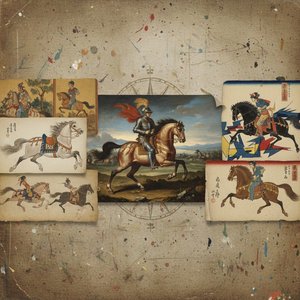
The Noble Steed on Canvas: A Historical & Artistic Exploration of Horse Painting Across Cultures
Explore the rich history of horse painting! Discover masterpieces from Stubbs to Munnings & learn about symbolism, techniques & artists. Find museum-quality reproductions at OriginalUniqueArt.