

 Előnézet
 Megosztás
 Megosztás
 Részletek
 Útmutató

 Letöltés
 Hasonló darabok
 X-ray felvétel
 Diavetítés
 Statisztika
Ébresztő tájkép

 Tovább olvasom
Giclée / Műnyomat
Múzeumi minőségű giclée vagy vászonnyomat, gyors gyártással és rugalmas finomítási lehetőségekkel. ( Kézzel festett másolat vásárlása Áttérés digitális képre)




P118B $10

P118H $10

P118W $10

P438Z $10

P508JH $12

P508YH $12

P805H $10

P805Z $10

P919BZ $10

P919G $10

P919XJ $10

P959ZH $10

P968JZ $12

W106C $8

W218G $10

W218JH $8

W218Y $10

W307PJ $10

W316G $10

W316PJ $8

W316Y $10

W398PJ $8

W4111J $10

W500HY $15

W500JH $15

W692G $12

W849H $8

W940BG $15

W953PJ $8




Válasszon előre meghatározott méreteink közül, amelyek megfelelnek a műalkotás eredeti arányainak.

Megadhat saját méreteket is egy konkrét kerethez vagy helyszínhez igazítva. Amennyiben a kiválasztott méret nem egyezik az eredeti kép arányokkal, a műalkotást le fogjuk vágni, vagy kiegészítjük a képet tükrözött vagy egyszínű szélekkel. A gyártás megkezdése előtt egy digitális tervezetet küldünk jóváhagyásra.
Kérjük, vegye figyelembe, hogy a képernyőn látható előnézet nem tükrözi a tényleges levágást vagy kiegészítést. Csak a tervezet mutatja pontosan a végső kompozíciót.
Bár az egyedi méretek is elérhetőek, az eredeti arányok megőrzése érdekében azt javasoljuk, hogy válasszon a előre meghatározott listából származó méretet.
Világszerte történő kiszállítás területére mindössze 2 hét alatt, a szokásos 4-5 hét helyett. (26 szeptember)

Ingyenes globális expressz szállítás

Prémium minőségű len vászon

Teljes körű szállítási biztosítás

Vámvisszatérítési Garancia

Tökéletes színarányosság garancia

100 napos visszaküldési garancia (csak gyártási hibás termékek esetén)

100% pénzvisszatérítési garancia

Több darab vásárlásakor kedvezmény
 Az üvegkeretes opció csak 110 cm alatti méretben érhető el

Ébresztő tájkép
Giclée / Műnyomat
Reprodukció méretei
-


Összesített ár
$ 80
A Landschaftszeichnung von Nicholas Roerich: Eine Betrachtung über Einfachheit und Mystik
Nicholas Roerich (1874–1947) war mehr als nur ein Maler; er war ein Archäologe, Schriftsteller, Philosoph und ein leidenschaftlicher Verteidiger des Friedens und der kulturellen Bewahrung. Seine Kindheit, geprägt von akademischem Ehrgeiz und künstlerischer Wertschätzung – sein Vater war Notar und seine Mutter eine Musikpädagogin – legte den Grundstein für eine außergewöhnlich vielfältige Karriere. Er studierte sowohl Jura als auch Kunst an der Universität Sankt Petersburg und erhielt seinen Künstlerdiplom im Jahr 1897, was ein frühes Engagement für ein umfassendes Verständnis der Welt widerspiegelte. Diese Doppelbahn war nicht nur kompatibel; sie spiegelte einen Glauben wider, dass künstlerische Vision eine solide historische Grundlage und intellektuelle Disziplin benötigte. Er erhielt seinen Künstlerdiplom im Jahr 1897 und absolvierte sein Jurastudium im folgenden Jahr. Dieser frühe Fokus auf zwei verschiedene Bereiche ermöglichte ihm eine einzigartige Perspektive auf die Welt und beeinflusste maßgeblich seine künstlerische Entwicklung. Roerichs Werk zeichnete sich durch eine beeindruckende Kombination von wissenschaftlicher Forschung und künstlerischem Ausdruck aus. Seine Begeisterung für die Natur und insbesondere für die majestätischen Gebirge Zentralasiens prägte sein gesamtes künstlerisches Schaffen und inspirierte ihn zu einer Reihe von außergewöhnlichen Landschaftsbildern, die tiefgreifende philosophische und spirituelle Bedeutung tragen. Er war besonders fasziniert von den mystischen Traditionen Tibets und Indien und ließ sich von ihnen intensiv beeinflussen. Diese Einflüsse fanden ihren Ausdruck in seinen Gemälden und Zeichnungen, insbesondere in seinen berühmtesten Werken wie "Sketch of Landscape 9". Die Landschaftszeichnung "Sketch of Landscape 9" ist ein beeindruckendes Beispiel für Roerichs einzigartige künstlerische Technik und sein tiefes Verständnis für die Darstellung von Naturlandschaften. Das Werk wurde mit einem einfachen Stil ausgeführt, der durch klare Linien und minimale Schattierung gekennzeichnet ist. Eine besondere Aufmerksamkeit wurde auf die Verwendung von Linien gelegt, um die Formen der Felsen und des Ufers zu definieren. Die Linien sind großzügig gesetzt und wirken gestisch und vermitteln ein Gefühl von Bewegung und Energie. Durch eine subtile Anwendung von Punktmuster und Schraffuren wird eine beeindruckende Textur erzeugt, die die natürliche Schönheit der Landschaft einfängt. Die Farbpalette ist äußerst reduziert und besteht hauptsächlich aus verschiedenen Brauntönen und Grautönen. Diese monochromartige Gestaltung verstärkt den Eindruck einer unmittelbaren Beobachtung und betont die Einfachheit und Klarheit des Bildes. Die Auswahl dieser Farben spiegelt Roerichs Überzeugung wider, dass Kunst nicht darauf abzielen sollte, eine vollständige Darstellung der Realität zu schaffen, sondern vielmehr einen besonderen Blickwinkel auf sie einzufangen und bestimmte Emotionen hervorzurufen. Das Werk erinnert an die Werke großer Meister des Impressionismus und Expressionismus und wird daher besonders geschätzt von Kunstliebhabern und Sammlern weltweit. Die Zeichnung "Sketch of Landscape 9" ist ein außergewöhnliches Beispiel für Roerichs künstlerische Vision und sein tiefes Verständnis für die Darstellung von Naturlandschaften. Es ist eine Einladung zum Nachdenken über die Schönheit der Einfachheit und die Bedeutung der Verbindung zur Natur – Themen, die auch heute noch relevant sind und weiterhin Künstler und Kunstsammler inspirieren. Dieses Werk wird sicherlich einen besonderen Platz in jeder Sammlung finden und wird stets ein Gefühl von Ruhe und Kontemplation hervorrufen.A művész életrajza
A Life Immersed in Art and Spirit
Nicholas Roerich, born October 9, 1874, in the vibrant cultural heart of Saint Petersburg, Russia, was a figure whose life transcended the boundaries of artistic expression. He wasn’t merely a painter; he was an archaeologist, a writer, a philosopher, and a tireless advocate for peace and cultural preservation. His upbringing, steeped in both intellectual rigor – his father was a notary public – and artistic appreciation thanks to his mother, laid the foundation for a remarkably multifaceted career. Roerich simultaneously pursued studies in law and art at St. Petersburg University and the Imperial Academy of Arts beginning in 1893, demonstrating an early commitment to a broad understanding of the world. This dual path wasn’t contradictory for him; rather, it reflected a belief that artistic vision needed grounding in historical context and intellectual discipline. He received his artist designation in 1897 and completed his law degree the following year, setting the stage for a life dedicated to both creative exploration and reasoned action.The Allure of Symbolism and Theatrical Innovation
Roerich’s artistic development was profoundly shaped by the currents of Russian Symbolism, a movement that sought to evoke emotional and spiritual depths through evocative imagery and suggestive forms. He quickly became involved with Sergei Diaghilev's influential “World of Art” society, eventually assuming its presidency from 1910 to 1916. This association proved pivotal, exposing him to a network of innovative artists, composers, and thinkers who were redefining the landscape of Russian art. His early work revealed a fascination with archaeology and stage design, leading to groundbreaking collaborations with Diaghilev’s Ballets Russes. Roerich's designs for productions like Alexander Borodin's *Prince Igor* (1909) and, most famously, Igor Stravinsky’s revolutionary *The Rite of Spring* (1913), were not simply backdrops; they were integral components of the theatrical experience. He blended meticulous historical research with a bold imaginative vision, creating visually stunning environments that amplified the emotional power of the music and choreography. These designs weren't merely decorative; they were attempts to evoke primordial forces and ancient rituals, reflecting the Symbolist interest in myth and spirituality. His work was also influenced by apocrypha and medieval sectarian writings like the Dove Book, adding layers of esoteric meaning to his artistic creations.A Journey Towards Mysticism and Himalayan Visions
As Roerich’s career progressed, his paintings underwent a significant transformation, increasingly embracing mystical and spiritual themes. This shift was fueled by his growing interest in Theosophy and Eastern religions, philosophies that emphasized the interconnectedness of all things and the pursuit of inner wisdom. His *Architectural Studies* series (1904–1905) showcased not only his architectural skill but also a deep commitment to preserving cultural heritage, foreshadowing his later advocacy for protecting art during times of conflict. Recurring motifs began to emerge in his work: majestic landscapes, ancient cities shrouded in mystery, and figures imbued with spiritual significance like St. Panteleimon and Kuan Yin. He embarked on extensive travels throughout Central Asia, conducting archaeological research and documenting ancient cultures, experiences that deeply informed his artistic vision and reinforced his belief in the importance of cultural understanding. The Himalayas became a central subject in his paintings, representing not just a geographical location but a realm of profound spiritual power and enlightenment.Key Works & Continuing Relevance
- Saint Nicholas: A detailed monochrome mural showcasing medieval art and heraldic symbolism.
- City: Evocative depictions of ancient urban landscapes, reflecting his archaeological interests.
- Lake of the Nagas: A tempera painting blending symbolism and nature, exemplifying his unique artistic vision.
A Pioneer of Cultural Preservation
Beyond his artistic achievements, Nicholas Roerich was a passionate advocate for the protection of cultural treasures. Recognizing the devastating impact of war on art and architecture, he dedicated much of his life to promoting international cooperation in safeguarding these invaluable legacies. He spearheaded the creation of the Roerich Pact in 1935 – an international treaty designed to prevent the destruction of cultural objects during armed conflicts. This initiative garnered him widespread recognition and numerous nominations for the Nobel Peace Prize, underscoring his profound humanitarianism and commitment to a world where culture is valued and protected. His tireless efforts stand as a testament to the belief that art and heritage are essential components of human civilization, deserving of our utmost care and respect.
Roerich, Nicholas
1874 - 1947 , Oroszország
Gyors információk
- Artistic Movement Or Style: Szimbolizmus, Spirituális művészet
- Artists Or Movements Influenced By This Artist: ['Orosz szimbolizmus']
- Artists Who Influenced This Artist:
- Diaghilev
- Stasov
- Date Of Birth: 1874. okt. 9.
- Date Of Death: 1947. dec. 13.
- Full Name: Nicholas Roerich
- Nationality: Orosz
- Notable Artworks:
- Szent Miklós
- Város
- Nagas-tavaszi tó
- Place Of Birth: Szentpétervár, Oroszország
Kapcsolódó cikkek

Kandinsky Mesterművei: 25 Lenyűgöző Festmény a Modern Művészet Gyöngyszemeiből | OriginalUniqueArt
Fedezze fel Wassily Kandinsky 25 legikonikusabb művét! Merüljön el az absztrakt művészet világában, ismerje meg a színek és formák lenyűgöző történetét. Prémium minőségű reprodukciók és inspiráló dekorötletek a OriginalUniqueArt.com-on.

Paul Cézanne 25 Mesterműve: A Modern Művészet Úttörői | OriginalUniqueArt
Fedezze fel Paul Cézanne 25 legikonikusabb művét! Ismerje meg a posztimpresszionizmus úttörőjének festményeit, technikáját és inspirációit. Vászonképek, portrék, tájképfestmények – minden otthonba. Böngéssze gyűjteményünket a OriginalUniqueArt-on!
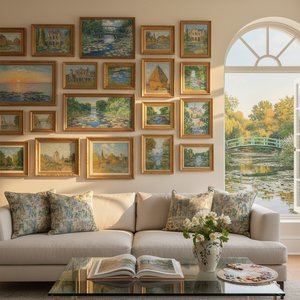
Claude Monet 25 Mesterműve: A Fény és a Szín Zsenialitása – OriginalUniqueArt.com
Fedezze fel Claude Monet 25 legikonikusabb mesterművét! Ismerje meg az impresszionizmus zseniális festőjének történetét, a fény és szín varázsát. Vásároljon exkluzív reprodukciókat otthona dekorációjához a OriginalUniqueArt.com-on!
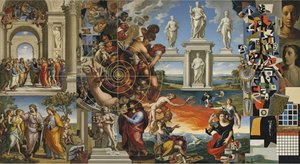
The Eloquence of Arrangement: Compositional Strategies in Western Art from the Renaissance to Modernism
Explore the evolution of compositional strategies in Western art! Discover how masters like Raphael & Zurbaran used perspective, proportion, and dynamic arrangement to create timeless masterpieces. Enhance your art appreciation today!
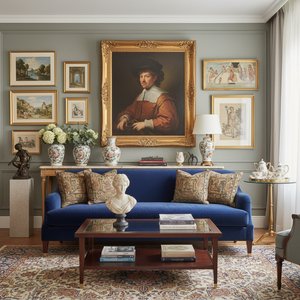
A Hermitage Gyűjtemény 25 Mesterműve: A Világ Legszebb Képei Otthonodban
Fedezze fel a Hermitage Múzeum 25 legszebb művészeti remekművét! Leonardo da Vinci, Rembrandt és Vermeer alkotásainak története. Klasszikus festmények otthonába – exkluzív reprodukciók a OriginalUniqueArt.com-on!


