

 Megtekintés
 Küldés
 Megosztás
 Részletek
 Útmutató

 Letöltés
 Hasonló darabok
 X-ray felvétel
 Diavetítés
 Statisztika
Atya Minden
 Akril vászonon
- Falfeliratok és faldekoráció
- Byzantine Art
 1907
1907- 19. század
 127.0 x 102.0 cm
 Összes részlet megjelenítése
Giclée / Műnyomat
Múzeumi minőségű giclée vagy vászonnyomat, gyors gyártással és rugalmas finomítási lehetőségekkel. ( Kézzel festett másolat rendelése Áttérés digitális képre)




P118B Ft10

P118H Ft10

P118W Ft10

P438Z Ft10

P508JH Ft12

P508YH Ft12

P805H Ft10

P805Z Ft10

P919BZ Ft10

P919G Ft10

P919XJ Ft10

P959ZH Ft10

P968JZ Ft12

W106C Ft8

W218G Ft10

W218JH Ft8

W218Y Ft10

W307PJ Ft10

W316G Ft10

W316PJ Ft8

W316Y Ft10

W398PJ Ft8

W4111J Ft10

W500HY Ft15

W500JH Ft15

W692G Ft12

W849H Ft8

W940BG Ft15

W953PJ Ft8




Válasszon előre meghatározott méreteink közül, amelyek megfelelnek a műalkotás eredeti arányainak.

Írja be a keretének vagy a falának megfelelő szélességet és magasságot. A nyomatot csak le lehet vágni, soha nem tehető nagyobbá, mint az eredeti kép, így egy eltérő alakú méretnél a kép egy része elveszik. Mielőtt bármit kinyatintanánk, küldünk egy digitális próbamodellt jóváhagyásra. Az oldalon látható kép nem tartalmazza a valós levágást — ezt csak a próbamodell mutatja meg.
Világszerte történő kiszállítás területére mindössze 2 hét alatt, a szokásos 4-5 hét helyett. (26 október)

Ingyenes globális expressz szállítás

Prémium minőségű len vászon

Teljes körű szállítási biztosítás

Vámvisszatérítési Garancia

Hiteles színarányosság garancia

100 napos visszaküldési lehetőség (csak hibás termékek esetén)

100% pénzvisszatérítési garancia

Több darab vásárlásakor kedvezmény
 Az üvegkeretes opció csak 110 cm alatti méretben érhető el

Atya Minden
Giclée / Műnyomat
Reprodukció mérete
-


Összesített ár
Ft 25681
A Deep Dive into a Masterpiece of Russian Symbolism
Nicholas Roerich’s “Saviour Almighty” – ez nem csupán Krisztus ábrázolása, hanem egy mély meditáció a hitről, önfeláldozásról és az emberi szellem örök értékéről. 1907-ben, művész pályafutásának kezdetén festette Roerich, és azonnal vonzódott a bizantine ikonokhoz, a szimbólumok erőteljes világához. A kép ereje nem csupán a kivitelezésűségeben rejlik – bár ez kétségtelenül mesterséges – hanem abban, hogy mélyen megérintő imádkozás és elmélkedés érzését kelti bennünk.
Bizantine Gyökerek & Szimbólumok
Roerich nagyban volt befolyásolva a bizantine birodalom művészetének, különösen az Osztrák Keleti Egyház számára készült ikonoknak. A “Saviour Almighty” tökéletesen tükrözi ezt a befolyást. Krisztus meghosszabbított alakja, melyet békés, de erőteljes jelenetet sugall, tipikus a bizantine ábrázolásokban. A aranylevelek használata – ami a bizantine mozaikok és ikonok jellegzetessége volt – egy éteri ragyogást teremt, emeli a jelenetet egy olyan világra, amelyen túlmutat az anyagi valóság. Figyeljük meg a Krisztus arcának szándékos részlethiányosságát; ez nem fotorealisztikus ábrázolás, hanem a spirituális igazságot egyszerű formán keresztül közvetíti. A haloszerű jelenség, egy univerzális szimbólum az isteni hatalomról, kinyújtózik, magunkat vonzza be az kép közepébe. A kompozíció maga – Krisztus központi helyzete a sötét, meghatározatlan háttérrel szemben – tükrözi a hagyományos ikonográfiai konvenciókat, melyek célja a természeti szubjektumra fókuszálni.
Technika & Művészi Eljárás
Roerich gondosan használt olajfestéket, vékony rétegeket alkalmazva, hogy elérje az arany fényesességét és a finom árnyalatokat. A festésmód rendkívül sima, hozzájárul a kép nyugodt és stabil érzetéhez. Részletesen tanulmányozta a bizantine művészek technikáit, nem csak a vizuális megjelenést, hanem a témát érték szellemi lényegét is megfogadni próbálva. Roerich érdeklődése a hipnózis és az eszoterikus tanulmányok iránt befolyásolta a művészi eljárását; úgy gondolta, hogy a művészet lehet egy eszköz a magasabb tudatállapotokhoz való hozzáféréshez. A kép szinte hipnotikus jellege ennek a meggyőződésnek tanúja.
Egy Spirituális Kutatás öröksége
"Saviour Almighty" kulcsfontosságú pillanat Roerich művészi útján, előfutára későbbi feltérképezéseinek az Orient szellemi miszticizmusában és a hűséges elkötelezettségének a kulturális örönség megőrzésében. Ez egy erőteljes példa a szimbolista művészet képességére, hogy meghosszabbítsa a reprezentációt és érintse mélyen a nézőket spirituálisan. Ma ez a reprodukció lehetőséget kínál, hogy tapasztaljuk a Roerich mesterművében rejlő mély szépség és időtlen bölcsesség élményét – egy darab, ami továbbra is inspirálja a csodát és az elmélkedést.
movement: Byzantine Art topics: Byzantine Iconography, Religious Figure, Nicholas Roerich, Eastern Mysticism, Divine Grace, Long-Haired Jesus, Spiritual Art creative_period: Mature Period corpus_context: Byzantine Iconography Influence, Russian Symbolism Roots, Spiritual Mysticism Themes, Architectural Preservation Focus, Peace & Cultural AdvocacyKérdések és válaszok
Melyik évben készült a „Atya Minden”, Roerich, Nicholas alkotása?
A "Atya Minden" 1907-ban készült. Ez az időpont meghatározó jelentőséggel bír Roerich, Nicholas pályájában és az adott korszak kontextusában is.
Milyen színpalettát és milyen hangulatot ábrázol a "Atya Minden"?
A „Atya Minden”, Roerich, Nicholas alkotása Sötét tónusok palettája harmonikában összhangban van a Rejtélyes érzelmi hangulatával. A szín az egyik eszköze annak, ahogyan egy mű érzéseket közvetít.
Hogyan találhatok olyan műalkotásokat, amelyek stílusában hasonlítanak a(z) „Atya Minden”, Roerich, Nicholas alkotása alkotásra?
A „Atya Minden”, Roerich, Nicholas alkotása alkotással hasonló műalkotások a(z) Hasonló alkotások oldalon találhatók.
A művész életrajza
A Life Immersed in Art and Spirit
Nicholas Roerich, born October 9, 1874, in the vibrant cultural heart of Saint Petersburg, Russia, was a figure whose life transcended the boundaries of artistic expression. He wasn’t merely a painter; he was an archaeologist, a writer, a philosopher, and a tireless advocate for peace and cultural preservation. His upbringing, steeped in both intellectual rigor – his father was a notary public – and artistic appreciation thanks to his mother, laid the foundation for a remarkably multifaceted career. Roerich simultaneously pursued studies in law and art at St. Petersburg University and the Imperial Academy of Arts beginning in 1893, demonstrating an early commitment to a broad understanding of the world. This dual path wasn’t contradictory for him; rather, it reflected a belief that artistic vision needed grounding in historical context and intellectual discipline. He received his artist designation in 1897 and completed his law degree the following year, setting the stage for a life dedicated to both creative exploration and reasoned action.The Allure of Symbolism and Theatrical Innovation
Roerich’s artistic development was profoundly shaped by the currents of Russian Symbolism, a movement that sought to evoke emotional and spiritual depths through evocative imagery and suggestive forms. He quickly became involved with Sergei Diaghilev's influential “World of Art” society, eventually assuming its presidency from 1910 to 1916. This association proved pivotal, exposing him to a network of innovative artists, composers, and thinkers who were redefining the landscape of Russian art. His early work revealed a fascination with archaeology and stage design, leading to groundbreaking collaborations with Diaghilev’s Ballets Russes. Roerich's designs for productions like Alexander Borodin's *Prince Igor* (1909) and, most famously, Igor Stravinsky’s revolutionary *The Rite of Spring* (1913), were not simply backdrops; they were integral components of the theatrical experience. He blended meticulous historical research with a bold imaginative vision, creating visually stunning environments that amplified the emotional power of the music and choreography. These designs weren't merely decorative; they were attempts to evoke primordial forces and ancient rituals, reflecting the Symbolist interest in myth and spirituality. His work was also influenced by apocrypha and medieval sectarian writings like the Dove Book, adding layers of esoteric meaning to his artistic creations.A Journey Towards Mysticism and Himalayan Visions
As Roerich’s career progressed, his paintings underwent a significant transformation, increasingly embracing mystical and spiritual themes. This shift was fueled by his growing interest in Theosophy and Eastern religions, philosophies that emphasized the interconnectedness of all things and the pursuit of inner wisdom. His *Architectural Studies* series (1904–1905) showcased not only his architectural skill but also a deep commitment to preserving cultural heritage, foreshadowing his later advocacy for protecting art during times of conflict. Recurring motifs began to emerge in his work: majestic landscapes, ancient cities shrouded in mystery, and figures imbued with spiritual significance like St. Panteleimon and Kuan Yin. He embarked on extensive travels throughout Central Asia, conducting archaeological research and documenting ancient cultures, experiences that deeply informed his artistic vision and reinforced his belief in the importance of cultural understanding. The Himalayas became a central subject in his paintings, representing not just a geographical location but a realm of profound spiritual power and enlightenment.Key Works & Continuing Relevance
- Saint Nicholas: A detailed monochrome mural showcasing medieval art and heraldic symbolism.
- City: Evocative depictions of ancient urban landscapes, reflecting his archaeological interests.
- Lake of the Nagas: A tempera painting blending symbolism and nature, exemplifying his unique artistic vision.
A Pioneer of Cultural Preservation
Beyond his artistic achievements, Nicholas Roerich was a passionate advocate for the protection of cultural treasures. Recognizing the devastating impact of war on art and architecture, he dedicated much of his life to promoting international cooperation in safeguarding these invaluable legacies. He spearheaded the creation of the Roerich Pact in 1935 – an international treaty designed to prevent the destruction of cultural objects during armed conflicts. This initiative garnered him widespread recognition and numerous nominations for the Nobel Peace Prize, underscoring his profound humanitarianism and commitment to a world where culture is valued and protected. His tireless efforts stand as a testament to the belief that art and heritage are essential components of human civilization, deserving of our utmost care and respect.
Roerich, Nicholas
1874 - 1947 , Oroszország
Rövid információk
- Artistic Movement Or Style: Szimbolizmus, Spirituális művészet
- Artists Or Movements Influenced By This Artist: ['Orosz szimbolizmus']
- Artists Who Influenced This Artist:
- Diaghilev
- Stasov
- Date Of Birth: 1874. okt. 9.
- Date Of Death: 1947. dec. 13.
- Full Name: Nicholas Roerich
- Nationality: Orosz
- Notable Artworks:
- Szent Miklós
- Város
- Nagas-tavaszi tó
- Place Of Birth: Szentpétervár, Oroszország
Kapcsolódó cikkek
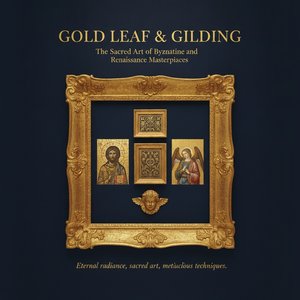
The Sacred Glow: Mastering Gold Leaf and Gilding in Byzantine Art
Explore the divine mastery of Byzantine gold leaf and gilding. Discover how ancient artisans used gold ground and mosaics to create celestial light, a timeless legacy of spiritual splendor and technical excellence in sacred art history.

Aranyérintésű Mesterek: A 10 Legikonikusabb Festmény, Amelyek Meghatározták a Művészetet
Fedezze fel a 10 leglenyűgözőbb aranylevéllel díszített festményt! Ismerje meg Klimt, Leonardo da Vinci és más mesterek alkotásait. Luxus faliképek, művészeti reprodukciók – inspiráció otthonába a OriginalUniqueArt.com-on!

Gilded Glory: The High-Impact Art of Gold Leaf and Byzantine Masterpieces
Explore the celestial brilliance of Byzantine masterpieces. Discover the sacred alchemy of gold leaf, the spiritual depth of Orthodox icons, and how this high-impact gilded glory continues to inspire awe in fine art history and modern luxury interiors.
Golden Splendor: An Editorial Journey Through Art's Most Radiant Masterpieces
Embark on a visual journey through the world's most radiant masterpieces. Discover how gold leaf, impasto textures, and gilded tones define luxury in fine art, from Byzantine icons to modern abstracts. Explore the eternal allure of gold in curated, museum-quality art collections.
The Allure of Gold in Art History: Symbolism, Technique & Cultural Significance
Explore the rich history of gold in art! Discover symbolism, techniques & cultural significance from ancient civilizations to Klimt's masterpieces. Expert insights for collectors at OriginalUniqueArt.


