

 Előnézet
 Megosztás
 Megosztás
 Részletek
 Útmutató

 Letöltés
 Hasonló darabok
 X-ray felvétel
 Diavetítés
 Statisztika
St Antony the Hermit
 Oil On Panel
- WallArt
- German Renaissance
 1515
1515- Renaissance
 232.0 x 75.0 cm
 Unterlinden Múzeum
 Tovább olvasom
Giclée / Műnyomat
Múzeumi minőségű giclée vagy vászonnyomat, gyors gyártással és rugalmas finomítási lehetőségekkel. ( Kézzel festett másolat vásárlása Áttérés digitális képre)




P118B Ft10

P118H Ft10

P118W Ft10

P438Z Ft10

P508JH Ft12

P508YH Ft12

P805H Ft10

P805Z Ft10

P919BZ Ft10

P919G Ft10

P919XJ Ft10

P959ZH Ft10

P968JZ Ft12

W106C Ft8

W218G Ft10

W218JH Ft8

W218Y Ft10

W307PJ Ft10

W316G Ft10

W316PJ Ft8

W316Y Ft10

W398PJ Ft8

W4111J Ft10

W500HY Ft15

W500JH Ft15

W692G Ft12

W849H Ft8

W940BG Ft15

W953PJ Ft8




Válasszon előre meghatározott méreteink közül, amelyek megfelelnek a műalkotás eredeti arányainak.

Írja be a keretének vagy a falának megfelelő szélességet és magasságot. A nyomatot csak le lehet vágni, soha nem tehető nagyobbá, mint az eredeti kép, így egy eltérő alakú méretnél a kép egy része elveszik. Mielőtt bármit kinyatintanánk, küldünk egy digitális próbamodellt jóváhagyásra. Az oldalon látható kép nem tartalmazza a valós levágást — ezt csak a próbamodell mutatja meg.
Világszerte történő kiszállítás területére mindössze 2 hét alatt, a szokásos 4-5 hét helyett. (25 október)

Ingyenes globális expressz szállítás

Prémium minőségű len vászon

Teljes körű szállítási biztosítás

Vámvisszatérítési Garancia

Tökéletes színarányosság garancia

100 napos visszaküldési garancia (csak gyártási hibás termékek esetén)

100% pénzvisszatérítési garancia

Több darab vásárlásakor kedvezmény
 Az üvegkeretes opció csak 110 cm alatti méretben érhető el

St Antony the Hermit
Giclée / Műnyomat
Reprodukció méretei
-


Összesített ár
Ft 25605
A Vision of Solitude: The Spiritual Depth of St Antony the Hermit
In the quiet, shadowed corners of art history, few works command the soul with such profound stillness as Matthias Grünewald’s St Antony the Hermit. Completed in 1515, this monumental oil on panel serves as a breathtaking window into the late medieval spirit, captured at the very moment it began to merge with the burgeoning Renaissance aesthetic. The painting does not merely depict a saint; it invites the viewer into a sacred, meditative space. As one gazes upon the elderly figure of St Antony, there is an immediate sense of being transported to a time when art was a direct conduit for the divine. His long, flowing beard and alabaster skin are rendered with a meticulousness that transcends mere representation, offering instead a portrait of spiritual asceticism that feels both ancient and eternally present.
The composition is a masterclass in atmospheric storytelling. Grünewald places the saint within a darkened chamber, where rough stone walls enclose him in a cocoon of isolation. This setting is far from accidental; it symbolizes the hermit’s deliberate detachment from the cacophony of the worldly life in pursuit of a higher truth. The presence of a barred window suggests the confines of a cell or monastery, yet the spiritual expanse within the painting feels limitless. For the collector or the lover of fine art, this piece offers more than just visual beauty; it provides a focal point for contemplation, making it an extraordinary addition to any space dedicated to reflection and peace.
The Alchemy of Color and Light
Technically, Grünewald’s work is a triumph of texture and chiaroscuro. The artist employs a rich, somber palette—deep blacks, muted browns, and earthy tones—which allows the sudden, vibrant strike of crimson to resonate with startling intensity. St Antony’s red robe, draped over a dark tunic, acts as a visual heartbeat within the gloom, drawing the eye toward the saint's contemplative gesture. His right hand, resting gently upon his chest, is a silent testament to prayerful devotion and an unwavering faith that refuses to be extinguished by the surrounding shadows.
The interplay of light and shadow in this work creates a sculptural depth that is rare even among the masters of the Northern Renaissance. Every fold of the fabric and every line etched into the saint's weathered face tells a story of endurance. For interior designers seeking to infuse a room with character and gravitas, a high-quality reproduction of this masterpiece brings a sense of historical weight and dramatic elegance. The painting’s ability to balance heavy, textured realism with an ethereal, spiritual glow makes it a versatile yet commanding presence in sophisticated decor.
A Legacy of Devotion for the Modern Collector
To understand St Antony the Hermit is to understand the unique genius of Matthias Grünewald. Unlike his contemporary Albrecht Dürer, who embraced the classical humanism of Italy, Grünewald remained a poet of the Northern tradition, prioritizing emotional resonance and raw, spiritual truth over formal perfection. This dedication to the "inner life" ensures that his work remains perpetually relevant. In an era of constant digital distraction, the profound silence captured in this panel offers a much-needed sanctuary.
Owning or displaying a reproduction of this work is an act of preserving a piece of German Renaissance history. It is an opportunity to surround oneself with the textures of the past and the enduring power of faith. Whether placed in a private study, a quiet library, or a curated gallery space, St Antony the Hermit serves as a constant reminder of the beauty found in solitude and the strength found in stillness. It is not just a painting; it is an invitation to breathe, to reflect, and to find meaning in the shadows.
Gyakran Ismételt Kérdések
Mely művészeti irányba tartozik a „St Antony the Hermit”, Grünewald Matthias alkotása?
A „St Antony the Hermit”, Grünewald Matthias alkotása művészeti irányata a German Renaissance. Ez a klasszifikáció a művet a kapcsolódó alkotók és alkotások közé sorolja.
Mely korszakban készült a „St Antony the Hermit”, Grünewald Matthias alkotása?
„St Antony the Hermit”, Grünewald Matthias alkotása történelmi korszaka Renaissance. Ez a klasszifikáció meghatározza a mű helyét a művészettörténetben.
Ki készítette a(t) "St Antony the Hermit"-t, és mikor?
Grünewald Matthias készítette a "St Antony the Hermit" című művet 1515-ben.
A művész életrajza
Matthias Grünewald: Élet és örökség
Korai élet és művészeti kezdetek
Matthias Grünewald, aki Mathis Gothart Neithardt néven született körülbelül 1470-1475 között Würzburgban, Németországban, a német reneszánsz egyik meghatározó alakja volt. Annak ellenére, hogy egy olyan korszakban élt, amelyet egyre inkább az olasz reneszánsz eszméi átháztak, Grünewald mélyen gyökerezett Közép-Európa késő középkori művészeti hagyományaiban. Korai életéről kevés részlet érhető el, de tudatunkból ismert, hogy művészi képzettségét valószínűleg a helyi műtermekben szerezte.
Művészeti fejlődés és hatások
Grünewald művészeti fejlődése a korabeli észak-európai hagyományok határozták meg, különös tekintettel a realizmusra, az érzelmi intenzitásra és a részletgazdag megfigyelésre. Műveiben láthatóak olyan művészek hatásai, mint Albrecht Dürer vagy Martin Schongauer, azonban ő egy teljesen egyedi utat nyitott meg, amelyet a drámai kifejezésmód és a vibráló színek jellemeztek. Nem vett közvetlenül részt az olaszországrában elterjedt humanista körök tevékenységében; helyette művészete elsősorban vallási célokat szolgált, tükrözve korának lelki vágyait és spirituális szorongásait.
Főbb művek és művészeti stílus
- Az Isenheim-oltár (1512-1516): Ez a mestermű, amely a colmari Musée d'Unterlindenben található, tekinthető Grünewald magnum opusára. Krisztus életének jeleneteit ábrázolja meg szörnyű realizussal, különös tekintettel a szenvedésre és a megváltásra.
- A keresztfűzés (kb. 1502-1503): Egy korai alkotás, amely demonstrates fejlődő stílusát, bemutatva az intenzív érzelmeket és az anatómiai részletességet.
- Az Ébredő Madonna (1512-14): Az Isenheim-oltárhoz készült tanulmány, amely feltárja művész aprólékos tervezési folyamatát.
- Mózes (1511): Egy rajz, amely kiemeli Grünewald képességét az expresszív alakok és drámai pózok megörökítésében.
Grünewald stílusát az alábbi jellemzők különböztetik meg:
- Drámai kompozíció: Dinamikus elrendezéseket alkalmazott az érzelmi hatás fokozása érdekében.
- Éles színpaletta: Intenzív, gyakran kontrasztos színei erőteljes vizuális élményt teremtettek.
- A szenvedés realista ábrázolása: Grünewald nem félett megjeleníteni a vallási narratívákhoz kapcsolódó fizikai és lelki fájdalmat.
- Expresszív alakok: Karakterei erős érzelmekkel és pszichológiai mélységgel teltek.
Történelmi jelentőség és örökség
Grünewald munkássága tanúbizonysága a németországi középkori művészeti hagyományok állhatóságának a reneszánsz idején. Áthidalta a szakadékot a késő gótikus stílus és a feltörekvő reneszánsz között, egy olyan egyedi vizuális nyelvet alkotva, amely azonnal megszólította kortársait. Hatása jól látható a későbbi német művészeknél is, akik továbbra is kutgatták a vallásos elkötelezettség és az érzelmi intenzitás témáit. Bár 1528-as halála után évszázadokon át nagy része feledve maradt, Grünewald a 19. században újrazsárolódott, és ma már a német reneszánsz egyik legfontosabb festőjeként ismerték. Művészete napjainkig lenyűgözi a nézőket nyers érzelmeivel, technikai zsenialitásával és mély spirituális mélységével.
További felfedezés
Fedezze fel Matthias Grünewald életét és műveit tovább itt: OriginalUniqueArt

Grünewald Matthias
1480 - 1528 , Германия
Gyors információk
- Artistic Movement Or Style: Late Medieval német művészet
- Artists Or Movements Influenced By This Artist: ['Albrecht Dürer']
- Artists Who Influenced This Artist:
- Albrecht Dürer
- Martin Schongauer
- Date Of Birth: 1470/1483 körül
- Date Of Death: 1528 körül
- Full Name: Matthias Grünewald
- Nationality: Német
- Notable Artworks:
- Az Isenheim Altárképe
- A Keresztrefeszítés
- Szent László oltára
- Place Of Birth: Würzburg, Németország
Kapcsolódó cikkek
High Medieval Art: 10 Masterpieces That Shaped an Era | OriginalUniqueArt
Journey through High Medieval Art! Explore 10 iconic masterpieces – from Giotto's frescoes to stunning Gothic cathedrals. Discover the stories behind these timeless paintings, sculptures & illuminated manuscripts. Find museum-quality art reproductions at OriginalUniqueArt.com.
Late Medieval Masterpieces: 10 Artworks That Defined an Era | OriginalUniqueArt
Journey through 10 defining Late Medieval masterpieces – from Giotto's frescoes to Jan van Eyck’s realism. Explore the stories, techniques & vibrant colors of Gothic art. Find museum-quality reproductions and elevate your home decor with OriginalUniqueArt.com! Discover all masterpieces on OriginalUniqueArt.com
Illuminating Belief: A Visual Exploration of Faith Across Artistic Movements & Historical Contexts
Explore the rich history of faith through art! Discover Renaissance masterpieces, iconic artists & religious symbolism with expert analysis from OriginalUniqueArt. Perfect for collectors and enthusiasts.
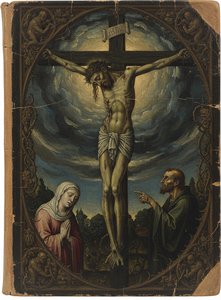
Matthias Grünewald: Devotion, Distortion & Spiritual Turmoil in Renaissance Art
Explore the profound religious art of Matthias Grünewald, master of the Isenheim Altarpiece. Discover his unique expressionism, symbolism & lasting impact on Renaissance painting. A guide for collectors and enthusiasts.

Divine Splendor: A Guide to the Sacred Beauty and Symbolic Depth of High Medieval Art
Embark on a scholarly journey through the sacred beauty of High Medieval art. Discover the profound symbolism, luminous iconography, and spiritual depth of Gothic masterpieces in this expert guide for classical art enthusiasts.


