

 Megosztás
 Megosztás
 Részletek
 Útmutató

 Letöltés
 Hasonló darabok
 Diavetítés
 Statisztika
The Flagellation
 Bronze
- Sculpture
- Early Renaissance
 1403
1403- Renaissance
 52.0 x 45.0 cm
 Baptistery of San Giovanni
 Tovább olvasom
Vásároljon nagy felbontású, javított digitális képet, amely minőségében messze felülmúlja az online előnézetet.
Minden fájlt szakembereink a legmodernebb eszközök és precíz, kézi retusálás segítségével készítenek el aprólékosan. Gondoskodunk arról, hogy minden kép kivételes tisztasággal, pontos színhelyességgel és részletgazdag finomsággal rendelkezzen.
A végleges fájl 72 órán belül e-mailben megérkezik, professzionális, szerkesztői és nyomtatási környezetbe optimalizálva az azonnali használathoz. Ez ugyanaz a minőség, amelyben a legmeghatározóbb tervezőstúdiók, kiadók és galériák is megbízhatnak.
Digitális kép
Töltsön le nagy felbontású fájlt személyes kiállításokhoz, nyomtatáshoz és kreatív projektekhez. ( Váltás nyomtatványra Kézzel festett másolat vásárlása)
Minden digitális kép rendeléséhez tartozó extrák
Szakértői digitális kézbesítés, garantáltan
Amikor a OriginalUniqueArt.com szolgáltatást választja, nem csupán egy képet kap – professzionálisan felmagasított digitális műalkotást kap, amely precizitással készült, és amelyet megelégsedési gwarancia tesz biztoslássá. Az alábbiakban automatikusan minden benne 】

Gyors e-mail teslimítés
A nagy felbontású digitális képmásolatát a megrendelést követő 72 órán belül e-mailben elküldjük Önnek – azonnal használható formátumban.

MI-alapú digitális képjavítás
Műve professzionális módon kerül optimalizálásra fejlett mesterséges intelligencia eszközök és manuális szerkesztés segítségével, biztosítva a maximális részletességet, tisztaságot és színpontosságot.

Örök életű ingyenes újradatás
Véletlenül törölted vagy elvesztetted a fájlodat? Ne aggódj – bármikor ingyen újra megküldjük neked.

Nincs importköltség – soha
Élvezze műalkotásait azonnal, vám, illeték vagy szállítási költség nélkül – a digitális letöltések mindig adamentesek.

Színpontosság garantálása
Professzionális eszközök és színkezelés segítségével garantáljuk, hogy digitális képe a lehető legpontosabban tükrözze az eredeti színeket.

100 napos elégedettségi garancia
Ha nemມີ elégedett a digitális képével, 100 napon belül felülvizsgáljuk vagy 100% visszatérítjük az amountot – kérdés बिना.

100% Pénzvisszatérítési garancia
Nem tetszett a vásárlás? 100 napon belül teljes visszatérítést garantálunk a digitális fájl megvételétől számítva – kérdés nélkül.

Tömegrendelési kedvezmények
Vásároljon 3 képet, spóroljon 10%-et - Vásároljon 5-öt, spóroljon 15%-et - Vásároljon 10+ képet, spóroljon 20%-at. Kiváló kreatív projektekhez, galériákhoz és ügynökségekhez.
The Drama Etched in Bronze: An Encounter with The Flagellation
To stand before a depiction of The Flagellation, particularly one rendered with the masterful hand of Lorenzo Ghiberti, is to be plunged immediately into a vortex of human suffering and profound spiritual drama. This bronze sculpture, dating from 1403, is not merely an artistic representation; it is a visceral narrative moment frozen in time. The scene captures the raw intensity of physical torment, yet within that agony, Ghiberti masterfully embeds layers of theological meaning and breathtaking technical virtuosity. Observe the composition: the figures are arranged with palpable tension—the figure on the left wielding the whip, the central recipient bearing the brunt of the blows, another figure enduring the lash to the right, and a fourth figure whose raised hands speak volumes of protest or desperate appeal.
Mastery in Metalwork: Technique and Form
Ghiberti’s command over bronze is legendary, and here it shines with breathtaking clarity. The sculptural quality allows the viewer to appreciate not only the narrative action but also the sheer physical skill required to render such complex human anatomy in a durable, gleaming medium. Notice how the drapery falls, suggesting movement even in repose; how the musculature strains under duress. The artist has achieved an unparalleled sense of weight and dynamism. For those considering bringing this monumental piece into a contemporary space, understanding its material depth is key. A reproduction captures the *spirit* of Ghiberti’s handling—the dramatic interplay between polished surfaces and textured agony—allowing you to integrate Renaissance drama into modern décor.
Historical Echoes: The Florentine Renaissance Context
Created in 1403, this work stands at a pivotal moment in art history. Lorenzo Ghiberti was a central figure in the burgeoning Renaissance spirit of Florence. His career bridged the gap between the Gothic tradition and the emerging naturalism of the High Renaissance. This piece reflects that transition: while the subject matter is deeply rooted in medieval devotional art, the *treatment*—the emotional realism, the sophisticated composition—speaks to an era rediscovering classical ideals of human potential. It speaks of a culture obsessed with both divine narrative and earthly perfection.
Symbolism and Emotional Resonance
The symbolism inherent in The Flagellation is immense. Beyond the literal depiction of punishment, the sculpture invites contemplation on themes of sacrifice, redemption, and endurance. The contrast between the brutal action and the potential for spiritual transcendence creates a powerful emotional current that resonates across centuries. When viewing it, one feels the weight of history, the ache of human vulnerability, and simultaneously, the enduring power of faith. It is an object designed not just to be looked at, but to be felt—a profound meditation rendered in cold, hard bronze.
Művész életrajza
A Florentine Renaissance Forged in Bronze: The Life and Legacy of Lorenzo Ghiberti
Lorenzo di Bartolo – a name destined to become synonymous with artistic innovation as Lorenzo Ghiberti – was born near Florence in 1378, into a world poised on the cusp of a transformative era. His early life, steeped in the practical artistry of goldsmithing, provided him with an unparalleled foundation in metalwork, a skill he would later elevate to breathtaking heights through his monumental sculptures. However, Ghiberti’s ambitions extended far beyond the confines of the workshop; formal painting lessons from Gherardo Starnina broadened his artistic horizons, laying the groundwork for a multifaceted talent that would soon captivate Florence and reshape the very definition of Renaissance sculpture. A brief sojourn in Rimini, assisting Carlo I Malatesta with frescoes during the devastating plague of 1400, exposed him to diverse artistic currents and honed his observational skills – experiences that unknowingly prepared him for the monumental competition that would launch his career into immortality.The Baptistery Doors: A Triumph of Skill and Vision
In 1401, Florence held a contest of unparalleled significance: the selection of an artist to create new bronze doors for the city’s magnificent Baptistery – a commission considered the most prestigious in the entire region. This wasn't merely a job; it was a chance to etch one’s name into the very heart of Florentine history. Lorenzo Ghiberti, alongside the formidable Filippo Brunelleschi, entered this arena, each vying for the honor of depicting the *Sacrifice of Isaac* in relief. Ghiberti’s panel wasn't simply a demonstration of technical mastery; it was a revelation – an audacious leap forward in artistic sensibility. His innovative approach, characterized by graceful figures imbued with a profound sense of movement and a sophisticated understanding of perspective, secured his victory. This triumph wasn't merely about winning a commission; it was a declaration of a new artistic language, one that would forever alter the course of Florentine sculpture. He immediately began work on the North Doors, a project that would consume over two decades and transform the Baptistery into a breathtaking showcase of Renaissance artistry. The scale of this undertaking was staggering. Ghiberti’s workshop became a vibrant hub for emerging talent, attracting apprentices eager to learn from his unparalleled skill. Donatello, Masolino, and Paolo Uccello – all future masters – honed their craft within its walls, absorbing Ghiberti's techniques and contributing to the collective genius of the studio. The North Doors were not merely decorative; they were a testament to the power of human ingenuity and artistic vision. Each panel was meticulously crafted, reflecting a deep understanding of anatomy, drapery, and spatial relationships – elements that would become hallmarks of his later work.The “Gates of Paradise”: A Masterpiece Unveiled
Following the resounding success of the North Doors, Ghiberti was entrusted with an even more ambitious undertaking: the creation of a second set for the Baptistery’s east entrance. These doors, completed in 1452 and forever known as the “Gates of Paradise,” represented the pinnacle of his artistic achievement – and earned him a nickname bestowed by none other than Michelangelo himself. Each panel depicts scenes from the Old Testament with an unprecedented level of realism, detail, and emotional depth. Ghiberti’s mastery of bronze casting and relief sculpture reached its zenith in these works. The panels aren't merely representations of biblical stories; they are immersive narratives brought to life through meticulous attention to anatomy, drapery, and spatial relationships. He pioneered the use of perspective to create a sense of depth and realism that was revolutionary for his time, drawing inspiration from classical antiquity while simultaneously forging a distinctly Renaissance style. The sheer scale and complexity of the “Gates of Paradise” demanded an extraordinary level of skill and dedication. Ghiberti’s workshop buzzed with activity as hundreds of workers labored alongside him, each contributing to the creation of this monumental masterpiece. The doors were not simply crafted; they were sculpted – imbued with a sense of life and movement that captivated viewers for centuries to come.Style, Influences, and Lasting Impact
Ghiberti’s artistic style represents a beautiful synthesis of Gothic elegance and the emerging principles of Renaissance humanism. While rooted in the traditions of medieval craftsmanship, he embraced classical antiquity, incorporating elements of Roman art and sculpture into his work. This fusion created a unique aesthetic that was both refined and emotionally resonant. He wasn't simply imitating the past; he was reinterpreting it through a distinctly Renaissance lens. His use of light and shadow, combined with his masterful rendering of human figures, created a sense of drama and realism that was unparalleled in its time. Beyond his artistic achievements, Ghiberti left behind a valuable intellectual legacy in the form of *Commentarii*, an autobiographical treatise on art history, theory, and technique – one of the earliest examples of its kind by an artist. This meticulously documented account provides invaluable insights into the Renaissance artistic process, offering a rare glimpse into the mind of a master craftsman. He wasn’t just creating beautiful sculptures; he was also actively shaping the discourse surrounding art itself.A Legacy Cast in Bronze
Lorenzo Ghiberti died in Florence in 1455, leaving behind a body of work that profoundly influenced subsequent generations of artists. His innovations paved the way for masters like Leonardo da Vinci and Michelangelo, solidifying his place as a pivotal figure in Western art history. The “Gates of Paradise” remain an enduring symbol of Florentine civic pride and artistic achievement – a testament to the power of human creativity and the enduring beauty of Renaissance artistry. Ghiberti’s meticulous attention to detail, his mastery of perspective, and his ability to imbue his sculptures with emotional depth set a new standard for artistic excellence. *His legacy continues to inspire artists and art lovers alike,* reminding us of the profound impact that one individual can have on the course of history.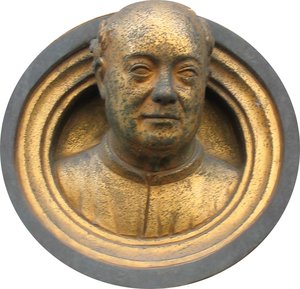
Ghiberti
1378 - 1455 , Olaszország
Rövid tények
- Artistic Movement Or Style: Korai reneszánszi
- Artists Or Movements Influenced By This Artist:
- Donatello
- Masolino
- Artists Who Influenced This Artist:
- Gherardo Starnina
- Bartolo di Michele
- Date Of Birth: 1378
- Date Of Death: 1455
- Full Name: Lorenzo Ghiberti
- Nationality: Olasz
- Notable Artworks:
- Kapuk a Paradicsom
- Isaac áldozata
- Place Of Birth: Firenze, Itália