

Egy kapu az időn keresztül: A florentin áhaskérés lelke
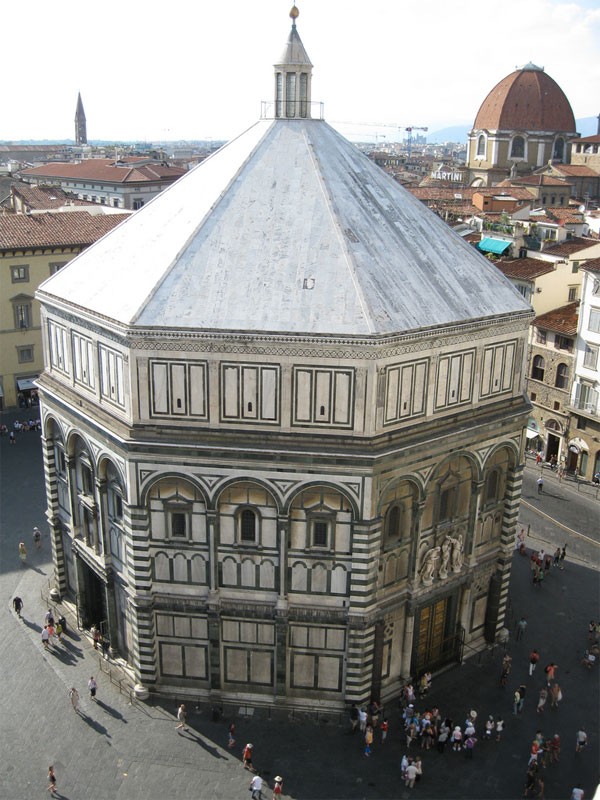
Firenze története kövekbe vésve és művészettel aranyozva lélegzik, és szívében ott áll a San Giovanni Baptisterium – egy monumentum, amelyet nem csupán felépítettek, hanem évszázadok hitéből, polgári büszkeségéből és művészi innovációjából növesztettek ki. A fenséges Duomo, a Santa Maria del Fiore monumentális épülete előtt állva, ez az oktaogonális épület több, mint egy egyszerű templom; ez a florentin identitás egy rétegzett palimpsestuma, egy olyan tér, ahol a pogány gyökerek keresztény áhaskéréssé alakultak, és ahol a reneszánsz magjai visszafordíthetetlenül elindultak. A homlokzata felé való sétálással visszalépünk az időbe, megtekintve egy olyan város kibontakozó történetét, amely meghatározta a mi tudásunk szerinti nyugati művészetet. Maga a kövek suttogják a római templomok, a középkori céhek és az érezhetően fejlődő humanista szellem történeteit, amely egy egész korszakot meghatároz majd.
A Baptisterium eredete az őskori ködökbe burkolózik; úgy vélik, Mars tiszteletére szentelt római templom alapjain emelkedett, ami Florencje rétegzett múltjának bizonysága. A 4. századra ez a hely már keresztény templommá alakult, soros felújításokon és bővítéseken ment keresztül, amelyek a város változó hatalmát és művészi érzékiséget tükrözték. A középkor során polgári élet középpontja szolgált, nyilvános gyülekozásoknak, és legfontosabbnak, a keresztény hitbe való belépés szent rituáléjának, a keresztelésnek adta otthont. Az épület, amelyet 1én 1059-ben szenteltek be, a toszkai román építészet lényegét testesíti meg, klasszikus ideálok és helyi mesterségesség harmonikus ötvözetét mutatva be fehér és zöld márványpaneljein, kerekbolamaiban és geometriai precizitásában.
Mesteremberek bronzból és aranyból
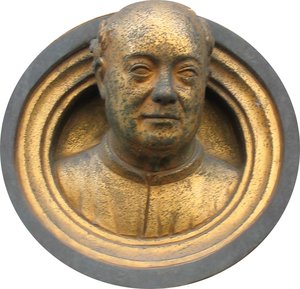
Azonban a Baptisterium valódi pompája művészeti kincseiben rejlik. A belső falakat díszítő mozaikok lenyűgözőek kiterjedésükben és részletességükben; a bibliai narratívák csillogó tapestrieszta termékét alkotják, olyan mesterek kezei közül, mint Jacopo Torriti és Andrea Pisano. A Teremtés és a Ki Exodus vibráló ábrázolásai más dimenzióba repítik a nézőt, meghívva a kontemplációt a teremtés, az odkötés és a isteni gondviseltség témaköreire. Mégis, Lorenzo Ghiberti „Paradicsomi kapui” —a 1403-ban megrendelt bronzajtók— valóban lenyűgözik a képzeletet. A tervezési verseny híresen elindította maga Michelangelo pályáját is, de végül Ghiberti győzött be, létrehozva olyan remekművet, amely újradefiniálta a reneszánsz szobrászatot.
Minden egyes panel egyaránt példaként állt unsurpassed képességeire, az Ótestamentum jeleneteit hihetetlen realizmusmal és kifejező erejű ábrázolással mutatva be. Ezek az ajtók nem csupán dekoratívak; kapuk egy másik világba, amely arra invitál, hogy gondolkodjunk a hit és az emberi létezés mély misztériumaival. A gyűjtők vagy a finom részletek szerelmesei számára az Keleti ajtó ablakot nyit arra a pillanatra, amikor a klasszikus dizájn találkozott a keresztény narratívával, bemutatva azt a bonyolult domborzati munkát, amely a fémtechnológia és a szobrászművészet történetének egyik legnagyobb teljesítménye maradt.
Építészeti harmónia és örök szimbolika
Maga a Baptisterium építészeti tervezése is sokat mond arról, mennyire fontos szimbolikus jelentősége van. Az oktaogonális alapplan az örökességet és a isteni harmóniát képviseli — egy tudatos kísérlet a teremtést irányító kozmikus rend visszaadására. A belső térben magasba törő oszlopok tartják a bolting fedélzetet, nagyszerűségre és ünnepélyes reverenciára teremtve hangulatot. Minden egyes elem, a márványbetétek부터 a bonyolult mozaikokig, az awe és csodálat érzését járjaja át — egy olyan érzés, amely időt transcendál és összeköt minket az előbbünk állt generációkkal.
Ami valóban megkülönbözteti a Baptisteriumot, az a reneszánsz ötletek bölcsőjeként való maradandó öröksége. Itt, Florenc művészeti forrásában születtek meg az új látási és gondolkodási módok — olyan módszerek, amelyek örökre megváltoztatták a nyugati művészet és kultúra irányát. A Baptisterium meglátogatása nem csupán egy lenyűgöző épület csodálata; ez egy utazás a florentin történelem, a hit és a művészi ragyogás évszázadaiban — egy zarándoklat maga a reneszánsz születhelyére.