- Főoldal

- Olajfestmény reprodukció
- Hokusai
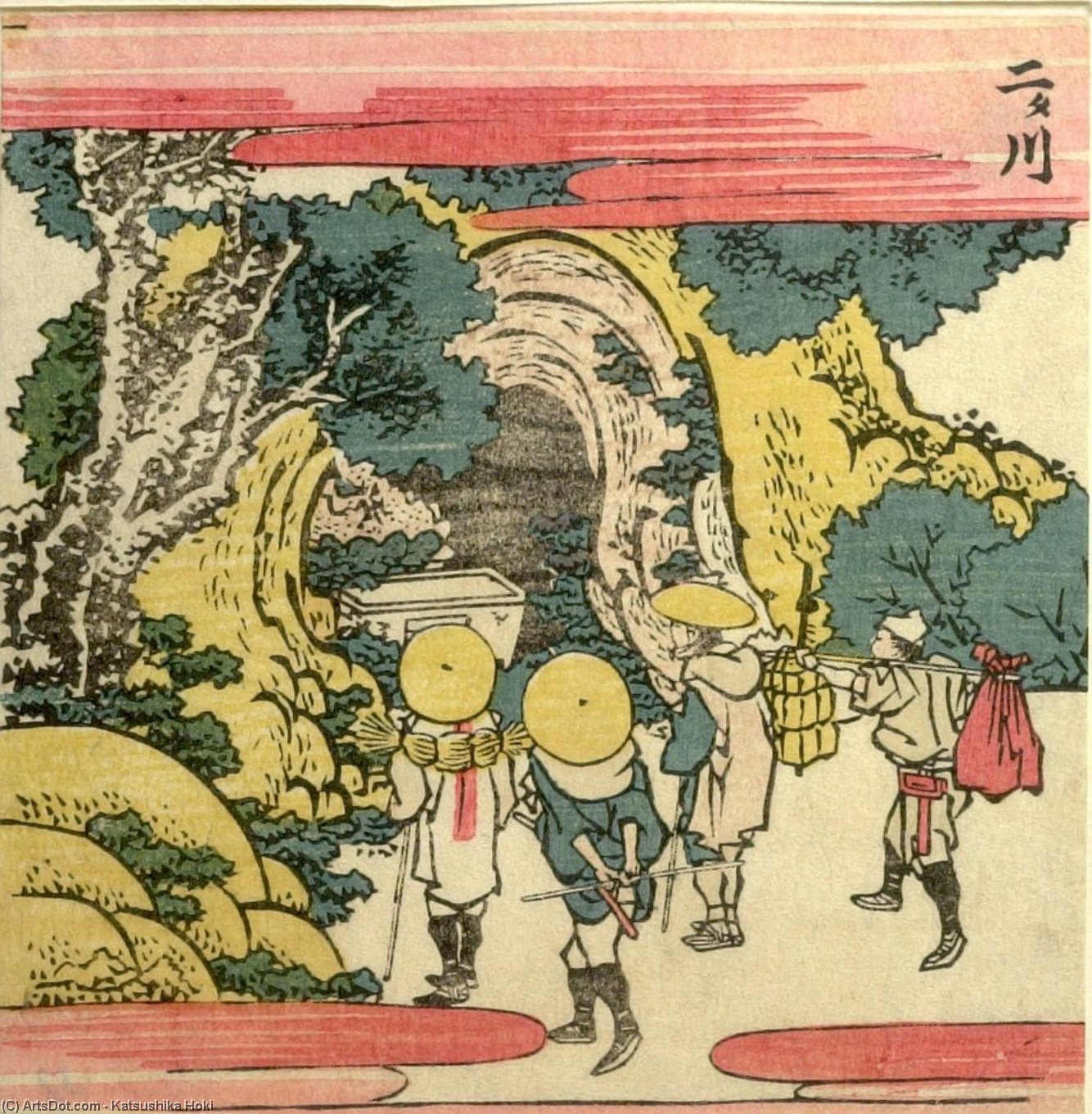
- Pilgrim And Travelers Looking At A Cave Shrine
 Nyomat vásárlása Kép letöltése
 Megosztás
 Megosztás
 Részletek
 Kedvencekhez ad

 Letöltés
 Hasonló alkotások
 X-ray felvétel
 Diavetítés
Pilgrim And Travelers Looking At A Cave Shrine


 Tovább olvasom
Kézzel készített olajfestmény reprodukció
Kézzel festett olajvastú vászon, az Ön által választott méretben és keretben, művészeink készítik meglévőre.




P118B $10

P118H $10

P118W $10

P438Z $10

P508JH $12

P508YH $12

P805H $10

P805Z $10

P919BZ $10

P919G $10

P919XJ $10

P959ZH $10

P968JZ $12

W106C $8

W218G $10

W218JH $8

W218Y $10

W307PJ $10

W316G $10

W316PJ $8

W316Y $10

W398PJ $8

W4111J $10

W500HY $15

W500JH $15

W692G $12

W849H $8

W940BG $15

W953PJ $8




Válasszon előre meghatározott méreteink közül, amelyek megfelelnek a műalkotás eredeti arányainak.

Ön megadhat saját méreteket egy adott kerethez vagy térhez igazításhoz. Ha a kiválasztott méret nem egyezik az eredeti kép arányával, akkor a műalkotást levágjuk, vagy további kézzel festett elemekkel meghosszabbítjuk a festményt. A gyártás megkezdése előtt küldünk Önnek egy digitális előnézetet jóváhagyásra.
Kérjük, vegye figyelembe, hogy a képernyőn megjelenő előnézet nem tükrözi a tényleges vágást vagy kiterjesztést. Csak az előnézet fog pontosan mutatni a végső kompozíciót.
Bár egyedi méretek állnak rendelkezésre, javasoljuk, hogy válasszon egy méretet az előre meghatározott listából az eredeti arányok megőrzése érdekében.
A rendelést követően a OriginalUniqueArt.com csapata e-mailt küld az ügyfélnek az instrukciókért, és biztosít egy előnézeti képet (mockup).
Világszerte elérhető szállítás () 3-4 hét alatt a szokásos 5 hét helyett. (16 július). A minőség nem kérdőjelezhető.

Ingyenes globális expressz szállítás

Prémium minőségű len vászon

Teljes szállítási biztosítás

Vámvisszatérítési Garancia

Tökéletes színpontosság garancia

60 napos visszaküldési lehetőség (csak gyártási hibák esetén)

100%-os pénzvisszatérítési garancia

Kedvezmény több termény esetén
 Az üvegkeretes opció csak 110 cm alatti méretben érhető el

Pilgrim And Travelers Looking At A Cave Shrine
Reprodukciós technika
A reprodukció mérete
-


Összesített ár
-
A műalkotás leírása
A Moment of Reverence: Hokusai’s “Pilgrim and Travelers”
Katsushika Hokusai's "Pilgrim and Travelers Looking at a Cave Shrine," often referred to as "Futagawa" (meaning "Futagawa Bridge"), is more than just a landscape painting; it’s a profound meditation on human connection, the allure of spirituality, and the beauty of fleeting moments. Completed around 1810 during the Edo period, this woodblock print, now housed at the Harvard Art Museums, offers a captivating glimpse into Japanese life and artistic sensibilities. The scene unfolds along a shaded path leading towards a modest cave shrine nestled within a dense forest – a place of quiet contemplation and pilgrimage.
Hokusai’s masterful use of color and perspective immediately draws the viewer in. The dominant greens and yellows, rendered with delicate brushstrokes and layered ink washes, evoke the lushness of the surrounding foliage. Sunlight filters through the trees, casting dappled patterns on the path below, creating a sense of depth and inviting us to step into the scene. The figures – a diverse group of pilgrims, travelers, and merchants – are depicted in varying states of activity: some pause to gaze at the shrine, others continue their journey with purposeful strides, while still others engage in conversation. Hokusai’s skill lies not just in capturing their individual forms but also in conveying their emotional states—a quiet reverence, a sense of urgency, and a shared human experience.
Ukiyo-e Techniques: A Symphony of Color and Line
As a quintessential example of *ukiyo-e* (literally “pictures of the floating world”), Hokusai’s print exemplifies the techniques that defined this vibrant art form. The image was created using multiple woodblocks – one for each color—a painstaking process demanding immense precision and collaboration between artists and carvers. The use of Prussian blue, a relatively new pigment at the time, is particularly striking, lending an ethereal quality to the distant mountains and sky. Hokusai’s signature, rendered in elegant cursive script in the lower right corner, adds an authentic touch, reminding us that we are encountering a work created by one of Japan's most celebrated artists.
- Color Palette: Dominated by greens, yellows, and Prussian blue.
- Technique: Multi-block woodprint – each color applied with a separate block.
- Perspective: A subtle use of atmospheric perspective creates depth and distance.
Symbolism and Context: A Journey of Faith
The cave shrine itself holds significant symbolic weight within Japanese Buddhist tradition. It represents a place of refuge, a connection to the divine, and a reminder of mortality. The pilgrims’ journey symbolizes a quest for enlightenment or spiritual fulfillment – a common theme in Japanese art and culture. Furthermore, the scene reflects the importance of travel and commerce during the Edo period, as evidenced by the presence of merchants among the travelers. Hokusai's work captures not only a specific moment but also a broader cultural context, revealing the interplay between faith, daily life, and artistic expression.
Interestingly, this print is part of a larger series, “Exhaustive Illustrations of the Fifty-Three Stations of the Tōkaidō,” which documented the major highway connecting Edo (Tokyo) and Kyoto. This ambitious project aimed to capture the beauty and diversity of Japan’s landscape and people, offering a visual record of a rapidly changing nation.
A Timeless Masterpiece: Reproduction and Beyond
“Pilgrim and Travelers Looking at a Cave Shrine” continues to resonate with audiences today due to its evocative imagery, masterful technique, and profound themes. High-quality reproductions offer a wonderful opportunity to bring this iconic work into your home or office, allowing you to appreciate Hokusai’s genius in all its detail. Whether displayed as a statement piece or incorporated into a broader collection of Japanese art, this print is sure to spark conversation and inspire contemplation – a testament to the enduring power of artistic vision.
A művész életrajza
A Life Etched in Ink: A Journey Through the World of Katsushika Hokusai
Katsushika Hokusai, a name that echoes through the halls of art history, is far more than just the creator of *The Great Wave off Kanagawa*. He was a restless spirit, an insatiable learner, and a revolutionary artist who fundamentally reshaped Japanese visual culture during the Edo period. Born in Tokyo – then known as Edo – around 1760, his life wasn’t one of privilege or ease; rather, it was a relentless climb fueled by an unwavering passion for capturing the essence of the world around him. From humble beginnings as the son of a mirror maker, Hokusai's artistic journey began not with formal training, but with a deep-seated desire to draw, a talent he honed diligently from the age of six – a dedication that would ultimately define nearly nine decades of extraordinary creative output. His father, Nakajima Ise, recognizing this nascent gift, provided an early foundation, setting his son on a path toward artistic mastery.From Apprenticeship to Innovation: The Blossoming of a Unique Style
Hokusai’s formal artistic education began at the age of twelve when he entered the studio of Katsukawa Shunshō, a leading master of *ukiyo-e* – “pictures of the floating world.” This genre, immensely popular during the Edo period, offered a vibrant snapshot of Japanese society, depicting scenes from everyday life: actors performing in Kabuki theaters, beautiful courtesans, bustling cityscapes, and glimpses into the pleasures and dramas of urban existence. Under Shunshō’s guidance, Hokusai mastered the intricate techniques of woodblock printing – a demanding process requiring both precision and artistic vision. However, even within this established framework, Hokusai demonstrated an innate restlessness, a desire to push beyond mere imitation and explore new avenues of expression. He wasn't content simply replicating his teacher’s style; he experimented with diverse subjects, moving from book illustrations to single-sheet prints, constantly refining his skills and developing a distinctly personal visual language. This early experimentation was marked by frequent name changes – a practice common among *ukiyo-e* artists at the time, signifying shifts in artistic focus or affiliations with different schools. Initially known as Shunro, he later adopted other pseudonyms, reflecting his evolving style and creative explorations.Mount Fuji and the Floating World: Defining Masterpieces
Hokusai’s most enduring legacy rests upon a series of works that redefined *ukiyo-e* and established him as one of Japan's greatest artists. Perhaps the most iconic is *Thirty-Six Views of Mount Fuji*, a monumental undertaking spanning several years (circa 1830-1832). This wasn’t merely a collection of landscape prints; it was a profound meditation on nature, beauty, and the passage of time. Each view offered a unique perspective on Japan's sacred mountain – from dramatic storms to serene vistas – showcasing Hokusai’s mastery of composition, color, and line. Within this series, *The Great Wave off Kanagawa* stands as a testament to his genius, capturing the raw power and terrifying beauty of the ocean with breathtaking detail. The towering wave, poised to engulf three tiny fishing boats, is an image that has transcended its original context, becoming a symbol of both nature’s force and humanity's vulnerability. Beyond *Fuji*, Hokusai produced a wealth of other remarkable works, including *Fireworks at Ryōgoku Bridge* (1790), which captures the vibrant energy of a summer festival with dynamic brushstrokes and brilliant colors, and *Hokusai Manga* – a collection of sketches and studies encompassing people, animals, landscapes, and fantastical creatures. This series was groundbreaking in its scope and influence, foreshadowing the development of modern manga as an art form.A Legacy Beyond Borders: Hokusai's Enduring Influence
Hokusai’s impact extended far beyond the borders of Japan, profoundly influencing artists across Europe during the late 19th century – a period known as *Japonisme*. As Japan opened its doors to Western trade and influence, Japanese art, particularly *ukiyo-e*, captivated European collectors and artists. Hokusai's bold compositions, vibrant colors, and unconventional perspectives were particularly admired. Artists like Claude Monet, Edgar Degas, and Vincent van Gogh were deeply inspired by his work, incorporating elements of *Japonisme* into their own paintings. Van Gogh, in particular, famously recreated *The Great Wave off Kanagawa*, demonstrating the profound impact of Hokusai’s imagery on European art. Hokusai's influence wasn’t limited to Impressionism; it permeated various modern art movements, shaping the way artists approached composition, color, and subject matter. His emphasis on capturing fleeting moments, his dynamic use of line, and his ability to find beauty in everyday life resonated with a generation seeking new forms of expression. Even today, Hokusai’s work continues to inspire and challenge artists worldwide, solidifying his place as one of the most important figures in art history – an artist who bridged tradition and innovation, leaving behind a legacy that endures through time.- Major Influences: Ukiyo-e traditions, Chinese landscape painting, everyday life in Edo.
- Key Characteristics: Bold lines, vibrant colors, dynamic compositions, keen observation of nature.

Hokusai
1760 - 1849 , Japán
Rövid tények
- Artistic Movement Or Style: *Ukiyo-e*
- Artists Or Movements Influenced By This Artist: ['Impressionizmus']
- Artists Who Influenced This Artist:
- Katonaszervezetek
- Kano Schule
- Date Of Birth: 1760. 31. okt.
- Date Of Death: 1849. 10. maj.
- Full Name: Katsushika Hokusai
- Nationality: Japán
- Notable Artworks:
- A nagy hullám
- Fuji 36 tájja
- Hokusai manga
- Place Of Birth: Tókyó, Japán
Kapcsolódó cikkek
Ephemeral Landscapes: Hiroshige's Poetics of Transient Beauty in Edo Japan
Explore the captivating world of Utagawa Hiroshige's ukiyo-e landscapes. Discover his artistic innovations, influence on Western art, and the poetics of transient beauty in Edo period Japan. A guide for collectors & enthusiasts.
Ukiyo-e's Poetic Visionary: Hiroshige Ando & the Transformation of Landscape in 19th-Century Japan
Explore the life & art of Ando Hiroshige, Japan's last great ukiyo-e master. Discover his iconic landscapes, poetic style, and profound influence on Western Impressionism. Learn about The Fifty-Three Stations & more!
Tōshūsai Sharaku: A Fleeting Glimpse into Edo Period Kabuki – Life, Art, and the Enigma of a Ukiyo-e Master
Explore the captivating world of Tōshūsai Sharaku, the enigmatic Edo period ukiyo-e master. Discover his iconic Kabuki actor portraits and unravel the mystery behind this fleeting artistic genius. Learn about his unique style & lasting legacy.
Ukiyo-e's Greatest Hits: 10 Masterpieces That Shaped a Movement | OriginalUniqueArt
Journey into Japan's 'Floating World'! Explore 10 Ukiyo-e masterpieces by Hokusai, Hiroshige & more. Discover the stories behind these iconic woodblock prints and bring timeless Japanese art to your home with OriginalUniqueArt.com. Explore the full collection online.
Wanderlust on Canvas: Travel & Displacement in Art History
Explore the history of travel & displacement through art! Discover masterpieces from the Grand Tour to Romantic landscapes. Expert insights for collectors at OriginalUniqueArt.