- Főoldal

- Olajfestmény reprodukció
- Hokusai
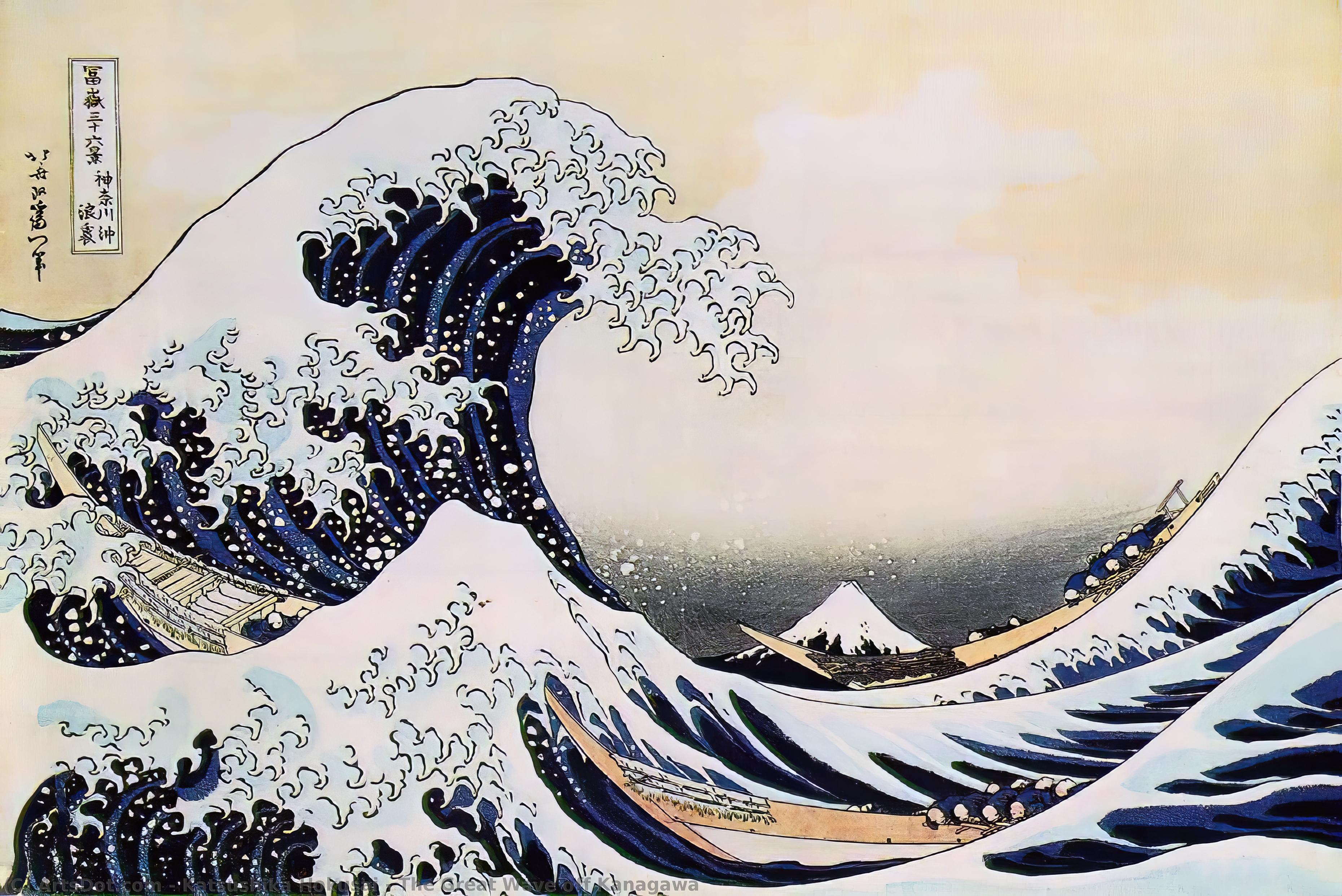
- A Nagy cápa Kanagawa körében
 Nyomat vásárlása Kép letöltése
 Megosztás
 Megosztás
 Részletek
 Kedvencekhez ad

 Letöltés
 Hasonló alkotások
 X-ray felvétel
 Diavetítés
A Nagy cápa Kanagawa körében


 Tovább olvasom
Kézzel készített olajfestmény reprodukció
Kézzel festett olajvastú vászon, az Ön által választott méretben és keretben, művészeink készítik meglévőre.




P118B $10

P118H $10

P118W $10

P438Z $10

P508JH $12

P508YH $12

P805H $10

P805Z $10

P919BZ $10

P919G $10

P919XJ $10

P959ZH $10

P968JZ $12

W106C $8

W218G $10

W218JH $8

W218Y $10

W307PJ $10

W316G $10

W316PJ $8

W316Y $10

W398PJ $8

W4111J $10

W500HY $15

W500JH $15

W692G $12

W849H $8

W940BG $15

W953PJ $8




Válasszon előre meghatározott méreteink közül, amelyek megfelelnek a műalkotás eredeti arányainak.

Ön megadhat saját méreteket egy adott kerethez vagy térhez igazításhoz. Ha a kiválasztott méret nem egyezik az eredeti kép arányával, akkor a műalkotást levágjuk, vagy további kézzel festett elemekkel meghosszabbítjuk a festményt. A gyártás megkezdése előtt küldünk Önnek egy digitális előnézetet jóváhagyásra.
Kérjük, vegye figyelembe, hogy a képernyőn megjelenő előnézet nem tükrözi a tényleges vágást vagy kiterjesztést. Csak az előnézet fog pontosan mutatni a végső kompozíciót.
Bár egyedi méretek állnak rendelkezésre, javasoljuk, hogy válasszon egy méretet az előre meghatározott listából az eredeti arányok megőrzése érdekében.
A rendelést követően a OriginalUniqueArt.com csapata e-mailt küld az ügyfélnek az instrukciókért, és biztosít egy előnézeti képet (mockup).
Világszerte elérhető szállítás () 3-4 hét alatt a szokásos 5 hét helyett. (16 július). A minőség nem kérdőjelezhető.

Ingyenes globális expressz szállítás

Prémium minőségű len vászon

Teljes szállítási biztosítás

Vámvisszatérítési Garancia

Tökéletes színpontosság garancia

60 napos visszaküldési lehetőség (csak gyártási hibák esetén)

100%-os pénzvisszatérítési garancia

Kedvezmény több termény esetén
 Az üvegkeretes opció csak 110 cm alatti méretben érhető el

A Nagy cápa Kanagawa körében
Reprodukciós technika
A reprodukció mérete
-


Összesített ár
-
A műalkotás leírása
Egy monumentális látomás természet erővel és japán művészettel
Katsushika Hokusai *Nagy Hullám Kanagavából* című alkotása, melyet 1831-ben készítette el, kétségtelenül Japán egyik legismertebb művének számít világszerte. Ez az ikonikus 목판화 nem csak tájképet ábrázol; hanem egy erőteljes meditációt jelent természet erővel szembeni emberi kapcsolatról és egy maradéktalanul szép alkotásról, amely örök életűvé teszi a természet szépségét. Ukiyo-e mestersége és innovatív technikája Az *Nagy Hullám Kanagavából* kuulu az ukiyo-e (“a vízsziget művészete”) műnemhez, ami bizonyítja a japán Edo időszak kifinomult technikáit. Hokusai ügyesen használt több 목판zatot – egy minden színre –, melyeket gondosan faragtottak és rétegeztek meg egy dinamikus kompozícióhoz. Megjegyzendő továbbá, hogy ő volt az első, aki alkalmazott szegényülött színt, egy új érdekelt pigmentet, ami erőteljes intenzitást és mélységet kölcsönöz a hullám számára. Ez az innovatív alkalmazás forradalmi változásokat idézett elő a japán 목판ozásban és jelentősen hozzájárult az alkotás azonnali sikeréhez. Egy nagyobb történet részeként: Háromvanöt tájkép Fuji hegyéről A Nagy Hullám Kanagavából elsőként szerepel Hokusai világhírű sorozatában, *Háromvanöt tájkép Fuji hegyéről*. Szerződésesen azonban nem csak a tomboló tenger tükröződik meg itt, hanem a távoli, hóborította Fuji hegye is meghatározza az jelenetet, ami méretét és szimbólumikus stabilitását jelzi. Ez a folyamatos motívum hangsúlyozza Japán tisztelő szemléletét ez a szent hegység iránt, amely örökességt jelent az átmenetesség közepén. Szimbolizmus és érzelmi rézonancia A kompozíció gazdag szimbólumokban. A hatalmas hullám, mely előfizetője három haladó hajónak, egyszerre jelképezi meg az őrületesen nagy erővel szembeni félelmet és az átmenetlenség kihívásait. Másrészt Fuji hegy szimbóluma a kitartás és az erő ellenállása. Együtt ezek a képek tükrözik vissza az emberiség mély érzéseit egy egyszerű kép segítségével, ami megmutatja Hokusai művészi tudását és kreativitását. A hullám körök tükrözik azt is, hogy milyen gyorsan változik körülöttünk minden és milyen fontos megismerni ezt a szépséget és az erőteljes energiát!- A távoli Fuji hegy szimbóluma
- A hullám jelképe
- Az emberek érzései
A művész életrajza
A Life Etched in Ink: A Journey Through the World of Katsushika Hokusai
Katsushika Hokusai, a name that echoes through the halls of art history, is far more than just the creator of *The Great Wave off Kanagawa*. He was a restless spirit, an insatiable learner, and a revolutionary artist who fundamentally reshaped Japanese visual culture during the Edo period. Born in Tokyo – then known as Edo – around 1760, his life wasn’t one of privilege or ease; rather, it was a relentless climb fueled by an unwavering passion for capturing the essence of the world around him. From humble beginnings as the son of a mirror maker, Hokusai's artistic journey began not with formal training, but with a deep-seated desire to draw, a talent he honed diligently from the age of six – a dedication that would ultimately define nearly nine decades of extraordinary creative output. His father, Nakajima Ise, recognizing this nascent gift, provided an early foundation, setting his son on a path toward artistic mastery.From Apprenticeship to Innovation: The Blossoming of a Unique Style
Hokusai’s formal artistic education began at the age of twelve when he entered the studio of Katsukawa Shunshō, a leading master of *ukiyo-e* – “pictures of the floating world.” This genre, immensely popular during the Edo period, offered a vibrant snapshot of Japanese society, depicting scenes from everyday life: actors performing in Kabuki theaters, beautiful courtesans, bustling cityscapes, and glimpses into the pleasures and dramas of urban existence. Under Shunshō’s guidance, Hokusai mastered the intricate techniques of woodblock printing – a demanding process requiring both precision and artistic vision. However, even within this established framework, Hokusai demonstrated an innate restlessness, a desire to push beyond mere imitation and explore new avenues of expression. He wasn't content simply replicating his teacher’s style; he experimented with diverse subjects, moving from book illustrations to single-sheet prints, constantly refining his skills and developing a distinctly personal visual language. This early experimentation was marked by frequent name changes – a practice common among *ukiyo-e* artists at the time, signifying shifts in artistic focus or affiliations with different schools. Initially known as Shunro, he later adopted other pseudonyms, reflecting his evolving style and creative explorations.Mount Fuji and the Floating World: Defining Masterpieces
Hokusai’s most enduring legacy rests upon a series of works that redefined *ukiyo-e* and established him as one of Japan's greatest artists. Perhaps the most iconic is *Thirty-Six Views of Mount Fuji*, a monumental undertaking spanning several years (circa 1830-1832). This wasn’t merely a collection of landscape prints; it was a profound meditation on nature, beauty, and the passage of time. Each view offered a unique perspective on Japan's sacred mountain – from dramatic storms to serene vistas – showcasing Hokusai’s mastery of composition, color, and line. Within this series, *The Great Wave off Kanagawa* stands as a testament to his genius, capturing the raw power and terrifying beauty of the ocean with breathtaking detail. The towering wave, poised to engulf three tiny fishing boats, is an image that has transcended its original context, becoming a symbol of both nature’s force and humanity's vulnerability. Beyond *Fuji*, Hokusai produced a wealth of other remarkable works, including *Fireworks at Ryōgoku Bridge* (1790), which captures the vibrant energy of a summer festival with dynamic brushstrokes and brilliant colors, and *Hokusai Manga* – a collection of sketches and studies encompassing people, animals, landscapes, and fantastical creatures. This series was groundbreaking in its scope and influence, foreshadowing the development of modern manga as an art form.A Legacy Beyond Borders: Hokusai's Enduring Influence
Hokusai’s impact extended far beyond the borders of Japan, profoundly influencing artists across Europe during the late 19th century – a period known as *Japonisme*. As Japan opened its doors to Western trade and influence, Japanese art, particularly *ukiyo-e*, captivated European collectors and artists. Hokusai's bold compositions, vibrant colors, and unconventional perspectives were particularly admired. Artists like Claude Monet, Edgar Degas, and Vincent van Gogh were deeply inspired by his work, incorporating elements of *Japonisme* into their own paintings. Van Gogh, in particular, famously recreated *The Great Wave off Kanagawa*, demonstrating the profound impact of Hokusai’s imagery on European art. Hokusai's influence wasn’t limited to Impressionism; it permeated various modern art movements, shaping the way artists approached composition, color, and subject matter. His emphasis on capturing fleeting moments, his dynamic use of line, and his ability to find beauty in everyday life resonated with a generation seeking new forms of expression. Even today, Hokusai’s work continues to inspire and challenge artists worldwide, solidifying his place as one of the most important figures in art history – an artist who bridged tradition and innovation, leaving behind a legacy that endures through time.- Major Influences: Ukiyo-e traditions, Chinese landscape painting, everyday life in Edo.
- Key Characteristics: Bold lines, vibrant colors, dynamic compositions, keen observation of nature.

Hokusai
1760 - 1849 , Japán
Rövid tények
- Artistic Movement Or Style: *Ukiyo-e*
- Artists Or Movements Influenced By This Artist: ['Impressionizmus']
- Artists Who Influenced This Artist:
- Katonaszervezetek
- Kano Schule
- Date Of Birth: 1760. 31. okt.
- Date Of Death: 1849. 10. maj.
- Full Name: Katsushika Hokusai
- Nationality: Japán
- Notable Artworks:
- A nagy hullám
- Fuji 36 tájja
- Hokusai manga
- Place Of Birth: Tókyó, Japán
Kapcsolódó cikkek
Ukiyo-e's Greatest Hits: 10 Masterpieces That Shaped a Movement | OriginalUniqueArt
Journey into Japan's 'Floating World'! Explore 10 Ukiyo-e masterpieces by Hokusai, Hiroshige & more. Discover the stories behind these iconic woodblock prints and bring timeless Japanese art to your home with OriginalUniqueArt.com. Explore the full collection online.
Ukiyo-e: Exploring Japan's Floating World & Enduring Artistic Legacy
Explore the captivating world of Ukiyo-e – Japan's iconic woodblock prints! Discover masters like Hokusai & Hiroshige, learn about Edo period culture, and find expert art collecting guidance at OriginalUniqueArt.
Katsushika Hokusai: A Comprehensive Exploration of the Master's Life, Art, and Enduring Legacy
Explore the life & art of Katsushika Hokusai, Japan's ukiyo-e master! Discover 'The Great Wave,' landscapes, manga & his profound influence on Western art. A comprehensive guide for enthusiasts.

Katsushika Hokusai 25 Mesterműve: A Japán Art Élmény, Otthonodban – OriginalUniqueArt
Fedezze fel Katsushika Hokusai 25 legikonikusabb műalkotását! Merüljön el a japán ukiyo-e világában, ismerje meg a 'Nagy Hullám' történetét és más remekműveket. Museum minőségű reprodukciók otthonába – OriginalUniqueArt.com.
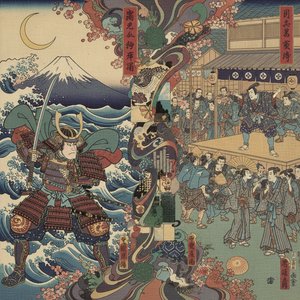
Utagawa Kuniyoshi: A Master of Japanese Ukiyo-e – Narrative Innovation & the Fusion of Tradition with Popular Culture
Explore the captivating world of Utagawa Kuniyoshi, a master of Japanese ukiyo-e woodblock prints. Discover his innovative warrior scenes, vibrant landscapes & lasting legacy in 19th-century art history.